I remember bringing my first ball python, Monty, home. The pet store guy said "just get a heat lamp and feed him a mouse once a week." That advice was dangerously incomplete. Monty went off food for two months because his humidity was 30% and he was stressed in a bare tank. I learned the hard way. Ball pythons are fantastic pets—docile, manageable in size, and fascinating. But calling them "beginner" snakes does everyone a disservice. They have specific, non-negotiable needs. This guide isn't a rehash of generic care sheets. It's the collective wisdom from years of keeping, breeding, and fixing the mistakes I and others have made. Let's get your scaly friend set up for a long, healthy life.
What's Inside: Your Quick Guide
- How to Set Up the Perfect Ball Python Enclosure
- Climate Control: Why Temperature & Humidity Aren't Suggestions
- Ball Python Feeding: A Realistic Schedule and Troubleshooting
- Handling and Bonding: Reading Your Snake's Mood
- Spotting Health Issues: A Proactive Checklist
- Your Top Ball Python Questions, Answered
How to Set Up the Perfect Ball Python Enclosure
Think of the enclosure as your snake's entire world. Get it wrong, and nothing else matters. The biggest mistake is starting too small. A 20-gallon tank might work for a baby, but you'll be upgrading in a year.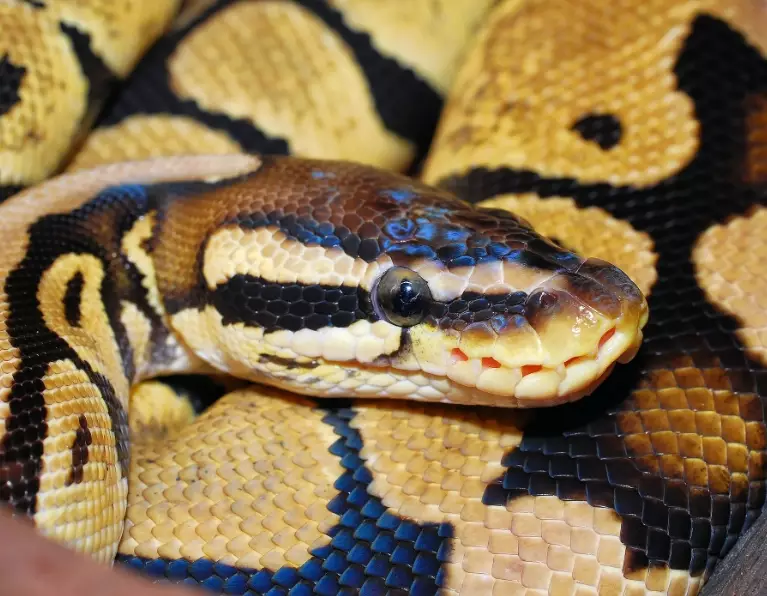
The Gold Standard for an adult ball python is a 120-gallon (4'x2'x2') front-opening enclosure. PVC cages are superior to glass tanks. They hold heat and humidity like a champ. Glass tanks are a constant battle against dry air and heat loss, especially in cooler rooms.
My Personal Take: I switched from glass to PVC years ago and will never go back. The difference in my snakes' feeding consistency and shedding quality was night and day. It's a higher upfront cost that saves you money and stress in the long run.
What Goes Inside: The Non-Negotiables
Substrate (Bedding): This is critical for humidity. Avoid cedar and pine shavings—the oils are toxic. Aspen is popular but molds easily if it gets wet. My top recommendation is a mix of coconut husk (like Eco Earth) or cypress mulch. They hold moisture well and allow for natural burrowing behavior.
Hides: You need at least two identical hides—one on the warm side, one on the cool side. If the hides are different, your snake will choose security over thermoregulation and may overheat or get too cold. The hide should be snug, with the snake touching three sides and the roof when curled up. A half-log is not a proper hide; it's too open.
Clutter & Enrichment: A bare tank is a stressed snake. Add fake plants, cork bark rounds, branches, and leaf litter. This breaks up sight lines, makes them feel secure while moving, and encourages exploration. A stressed ball python is a hiding ball python that won't eat.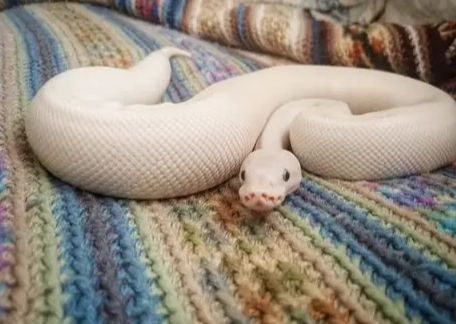
Climate Control: Why Temperature & Humidity Aren't Suggestions
This is where most new keepers fail. Ball pythons are from Central and West Africa, not a desert. They need a temperature gradient and consistent, elevated humidity.
| Zone | Target Temperature | How to Achieve It | Why It Matters |
|---|---|---|---|
| Warm Side/Basking Area | 88-92°F (31-33°C) | Under-tank heater (UTH) regulated by a thermostat. Overhead ceramic heat emitter or deep heat projector for ambient warmth. | Essential for digestion. Without proper belly heat, food can rot in the gut. |
| Cool Side | 75-80°F (24-27°C) | No direct heat source here. The ambient room temp helps create this gradient. | Allows the snake to cool down and regulate its body temperature. |
| Ambient Night Temp | Can drop to 75-78°F (24-26°C) | A slight, natural drop is fine. Avoid drastic swings. | Mimics natural cycles. |
| Humidity | 60-70% consistently. 70-80% during shed. | Deep substrate, pouring water into the corners, using a PVC enclosure, maybe a humidifier for dry climates. | Prevents dehydration and ensures perfect, one-piece sheds. Low humidity is a primary cause of stuck shed and respiratory infections. |
You must use a thermostat for any heat source. An unregulated heat mat can reach 120°F+ and cause severe burns. Digital hygrometers/thermometers on both ends are essential; the analog dials stuck to tanks are notoriously inaccurate.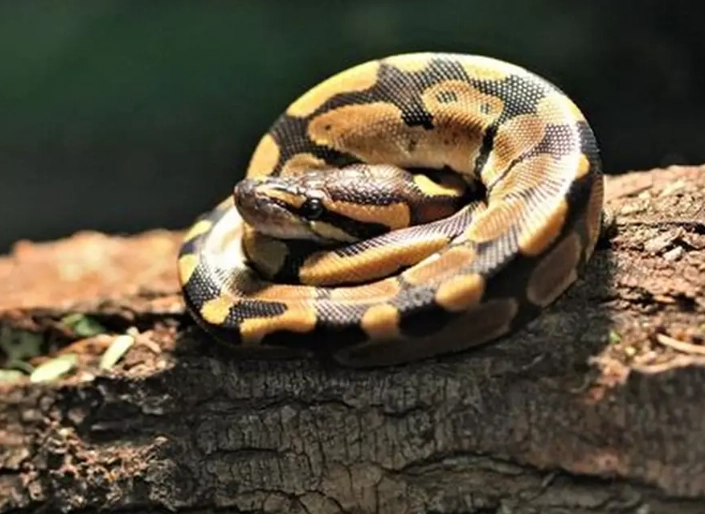
Ball Python Feeding: A Realistic Schedule and Troubleshooting
Feeding seems straightforward until your snake refuses. Here's a realistic framework.
Prey Size: The prey item should be as wide as the snake's widest part. A slightly larger bulge is okay. Overfeeding leads to obesity—a huge problem in captive balls. An obese snake has fat rolls when curled and can't move in a straight line without its sides swaying.
Feeding Frequency:
- Hatchlings (under 1 year): Every 5-7 days.
- Juveniles (1-3 years): Every 7-10 days.
- Adults (3+ years): Every 10-14 days, or even every 3 weeks for larger females.
Many people feed too often. Ball pythons have slow metabolisms.
When Your Ball Python Won't Eat (The #1 Panic)
Fasting is normal, especially for males during breeding season (fall/winter). Don't panic if a healthy adult refuses a meal for a few weeks. The problem is almost always environmental stress or seasonal behavior, not pickiness.
Checklist if they refuse:
Are temperatures/humidity perfect? Is the enclosure too open? Are you handling too much? Did you just move them to a new home? (Give them a full week of no handling to settle). Are you offering prey that's too large? Is it live vs. frozen-thawed? (Always recommend frozen-thawed for safety).
If all parameters are perfect and the snake is not losing significant weight, just wait. Offering food repeatedly every few days only adds stress. Wait a full week, even two, before trying again.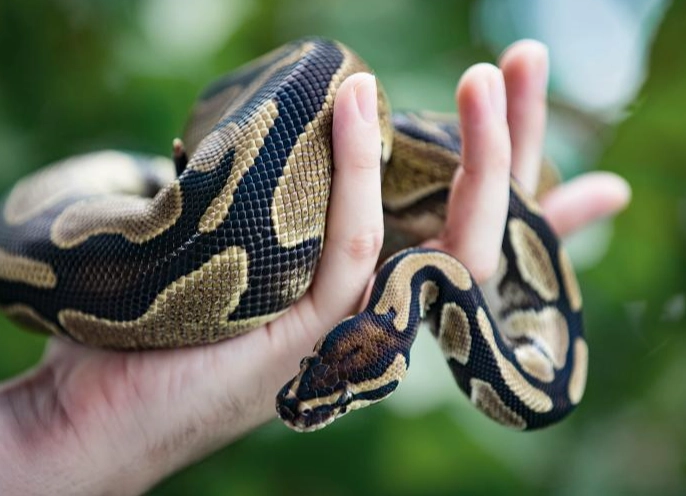
Handling and Bonding: Reading Your Snake's Mood
Ball pythons tolerate handling well but don't "enjoy" it like a mammal. The goal is stress-free interaction.
Rule #1: Never handle for 48 hours after feeding. This can cause regurgitation, a serious health setback.
Start with short, 5-10 minute sessions a couple of times a week. Support their body fully. Let them move through your hands. Don't restrain them tightly. Watch their body language.
Signs of stress: Balling up tightly, hissing (rare), jerky movements, repeatedly trying to hide their head. If you see this, put them back gently. It's not personal.
A comfortable snake will move in a slow, curious manner, tongue-flicking regularly. Evening or night time is often better, as they are naturally more active.
Spotting Health Issues: A Proactive Checklist
Catching problems early is everything. Do a weekly "wellness check" during handling.
- Mites: Tiny black/red specks moving on the snake or in the water bowl. Look like pepper. Quarantine immediately and treat the enclosure.
- Respiratory Infection (RI): Wheezing, clicking sounds, mucus bubbles in the mouth or nostrils, open-mouth breathing. Low humidity is a major cause. This requires a vet.
- Stuck Shed: Pieces of old skin remaining, especially over the eyes (eye caps). This is a humidity problem. Do not try to peel it off. Provide a humid hide and raise overall enclosure humidity.
- Scale Rot: Blister-like lesions or rusty-colored scales on the belly. Caused by prolonged contact with wet, dirty substrate. Requires cleaning and vet care if advanced.
Find a qualified exotic vet who sees reptiles before you have an emergency. Not all small animal vets are equipped for snakes.
Your Top Ball Python Questions, Answered
My ball python hasn't eaten in 3 weeks. Should I panic?
Probably not. First, double-check your husbandry—especially warm side temperature and humidity. Is it winter? Adult males commonly fast for months. If the snake isn't losing noticeable body condition (spine becoming prominent, sides looking concave), and your setup is perfect, the best action is often patience. Forcing or assist-feeding should only be done under veterinary guidance for a severely underweight animal.
Is a heat lamp or under-tank heater better for ball pythons?
It's not either/or; they serve different purposes. An under-tank heater (UTH) connected to a thermostat is non-negotiable for providing that essential belly heat for digestion. A heat lamp or ceramic heat emitter is often needed in addition to raise the overall ambient air temperature to the correct range, especially if your room is cool. Relying solely on a lamp often creates a hot top and a cold bottom, which is the opposite of what they need.
How do I safely increase humidity without making the substrate soggy?
Pouring water directly into the corners of the enclosure, allowing it to soak into the deep lower layers of substrate, is the most effective method. The top layer can stay dry while evaporation from below raises the humidity. Using a substrate like coconut husk that holds moisture well is key. Misting only spikes humidity briefly and wets the surface, which can promote scale rot. A larger water bowl placed over the UTH can also help.
Are ball pythons really good for beginners?
They can be, but with a major caveat. Their temperament is ideal—generally docile and slow-moving. However, their specific humidity and heating requirements are more demanding than many "beginner" guides admit. A true beginner who is diligent, does research (like reading this!), and invests in proper equipment from the start will do fine. A beginner looking for the absolute lowest-maintenance pet might struggle and should reconsider.
My snake is in blue (eyes milky) but hasn't shed yet. Should I handle or feed it?
No. During this "blue" phase, their old skin is separating and their vision is impaired. They feel vulnerable and are often more defensive. Handling adds stress, and most will refuse food anyway. Leave them completely alone until you see the shed skin in the enclosure. After shedding, ensure it's all in one piece, especially the eye caps.
The joy of keeping a ball python comes from creating a slice of ecosystem where they can thrive. It's not about having a living decoration; it's about stewardship. When you get the environment right—the right heat, the right humidity, the right security—you get to witness natural behaviors: curious exploration at night, perfect sheds, and a feeding response that shows they're truly comfortable. It's a deeply rewarding hobby. Start right, be patient, and enjoy the journey with your scaly companion.
Reader Comments