Let's cut to the chase. Are crested geckos good pets? For the right person, absolutely. They're often hailed as one of the best beginner reptiles you can get. But "good" depends entirely on what you're looking for. If you want a pet that's interactive like a dog, forget it. If you're after a fascinating, low-maintenance creature that's more about observation than cuddling, you might have found your match.
I've kept them for years, and that initial "wow" of their sticky feet and dinosaur-like appearance never gets old. But I've also seen friends get one expecting something else entirely. This guide isn't just a list of facts. It's a real look at life with a crested gecko pet, the good, the boring, and the occasionally frustrating.
What's Inside This Guide?
Why Crested Geckos Make Great Beginner Pets
Their reputation isn't for nothing. Here's where crested geckos (Rhacodactylus ciliatus) truly shine, especially for new reptile owners.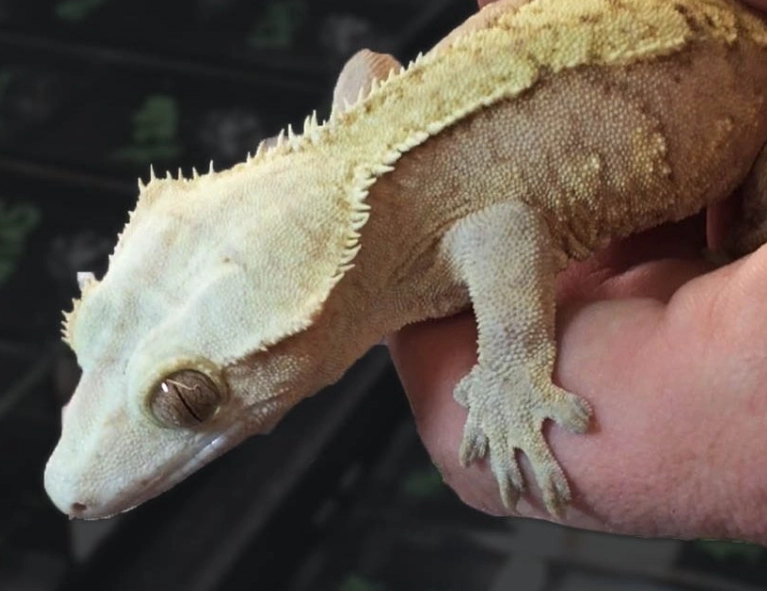
They're incredibly hardy. This is their biggest selling point. Unlike some reptiles that need precise heat gradients or UVB lighting to survive, crested geckos do just fine at regular room temperatures (72-78°F or 22-25°C). They don't require special UVB lights, though some experts now recommend low-level UVB for long-term health—a point many care sheets still miss. Their resilience makes a husbandry mistake less likely to be a disaster.
Feeding is stupidly simple. You can ditch the live crickets if you want. A complete powdered diet like Repashy or Pangea, mixed with water, forms the perfect staple food. It's like making a smoothie for your gecko. You just offer it every other day in a little cup. Of course, you can still offer live insects as a treat, but it's not a daily necessity. This takes the "ick" factor and a lot of the hassle out of caring for crested gecko diets.
Space requirements are modest. A single adult thrives in a vertically oriented 18"x18"x24" tank. That's a 20-gallon tall enclosure. It fits on a sturdy desk or dresser. You're not trying to house a six-foot snake here. This smaller footprint makes them apartment-friendly.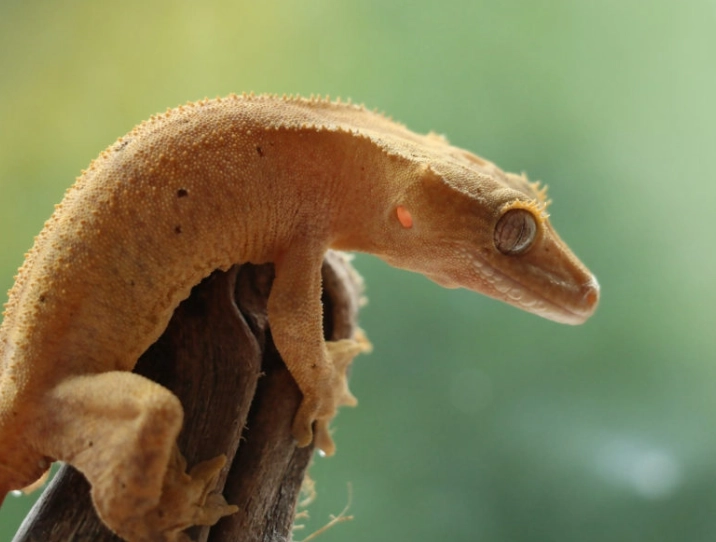
They have personality (the quiet kind). They won't fetch, but they do recognize routine. Mine become more active when the room lights dim, knowing it's almost feeding time. Watching them navigate their vines, lick their eyeballs to clean them, and slowly stalk a cricket is genuinely entertaining. They're peaceful, almost never bite (and if they do, it feels like being pinched by Velcro), and their chirps or barks are rare and quiet.
| The Big Pros | What It Means For You |
|---|---|
| Hardy & Forgiving | Less stress about perfect temperatures. More margin for error for a beginner. |
| Simple Diet | No daily live insect hunting. Powdered food is clean, complete, and easy. |
| Moderate Space Needs | A standard 20-gallon tall tank is sufficient. Fits in most rooms. |
| Gentle Temperament | Great for observing. Safe for older, supervised children. Very low aggression. |
| Nocturnal | Active when you're home in the evenings. Quiet during the day. |
The Not-So-Great Parts: Crested Gecko Downsides
Now, the honest truth. Nobody talks about these enough, and they're why some people rehome their geckos after a year.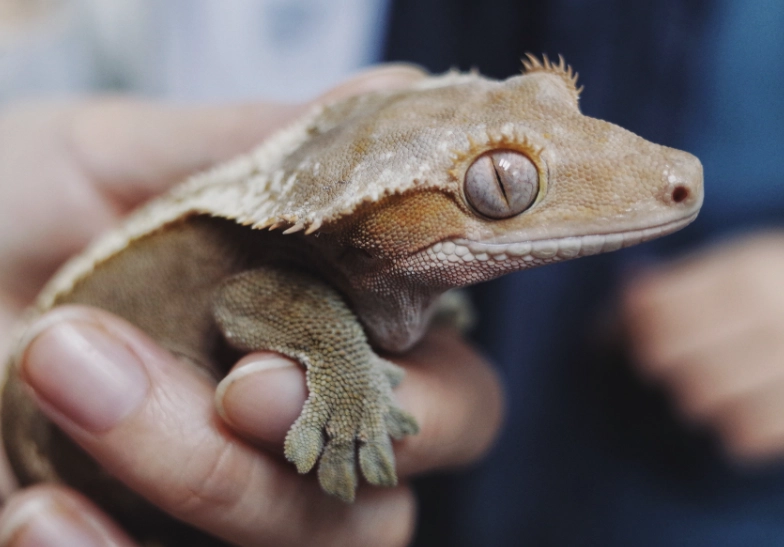
They are not cuddly or interactive pets. This is the number one mismatch in expectations. A crested gecko tolerates handling; it doesn't seek it out. Handling should be limited to 10-15 minutes a few times a week, if that. They get stressed easily. They are display animals. If you dream of a pet sitting on your shoulder while you work, get a parrot. A gecko will likely just try to jump.
They can be... boring. Let's be real. They sleep all day in the same hide. At night, they move, but slowly. You might go days without seeing much "action." The excitement is subtle—finding a fresh shed, noticing they've grown, seeing them lick food from their mouth. It's a hobby of small wonders, not constant entertainment.
The "easy" setup still requires investment. While their needs are simple, doing it right isn't free. The tank, live plants (or good fake ones), a proper mister or fogger, digital thermometers/hygrometers—it adds up. A bare tank with a paper towel and a stick is cheap but miserable for the animal. Doing it ethically means spending money on a proper, enriched habitat.
They live a long time. This is a pro and a con. With a lifespan of 15-20 years, you're making a long-term commitment. Are you ready for that? Your life situation in a decade might be very different.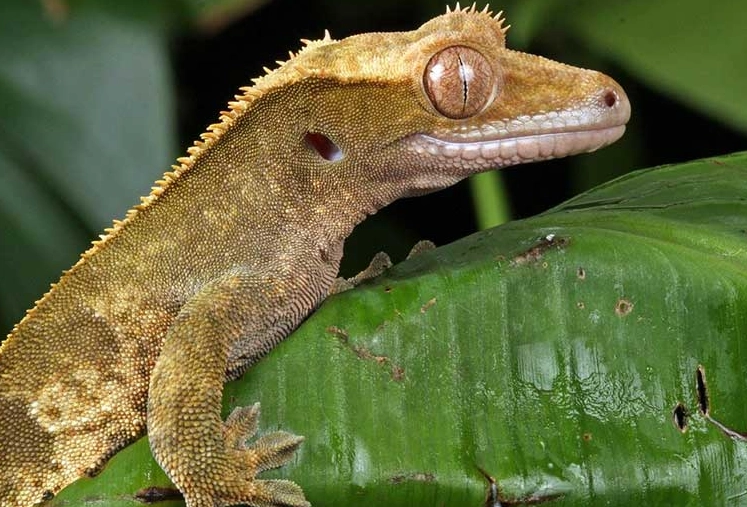
How to Set Up a Crested Gecko Habitat (The Right Way)
Getting the enclosure right solves 80% of potential problems. Here’s how to build a home, not just a container.
1. The Enclosure: Go Vertical
A screen-topped glass terrarium is standard. The 18"x18"x24" is the minimum for one adult. Bigger is always better. I upgraded my first gecko to a 24"x18"x36" and the difference in her activity was night and day. They use every inch of height. Front-opening doors are a luxury worth every penny for easy access.
2. Substrate & Drainage: The Foundation
Skip the reptile carpet. You want a bioactive setup or a simple moisture-retaining layer. For simplicity:
- Bottom Layer: 1-2 inches of clay balls (LECA) for drainage.
- Middle Layer: A mesh screen to separate layers.
- Top Layer: 3-4 inches of a soil mix (like coconut fiber mixed with orchid bark). This holds humidity for the roots of live plants and gives a natural feel.
3. Climbing & Hiding: Think 3D Jungle
They live in trees. Your job is to build a small, safe forest. Use a variety of cork bark rounds and flats, sturdy branches like ghostwood or manzanita, and dense foliage. Place hides at multiple levels—a cork round flat against the glass up high makes a perfect sleeping spot. The tank should look densely packed from the front, with pathways inside.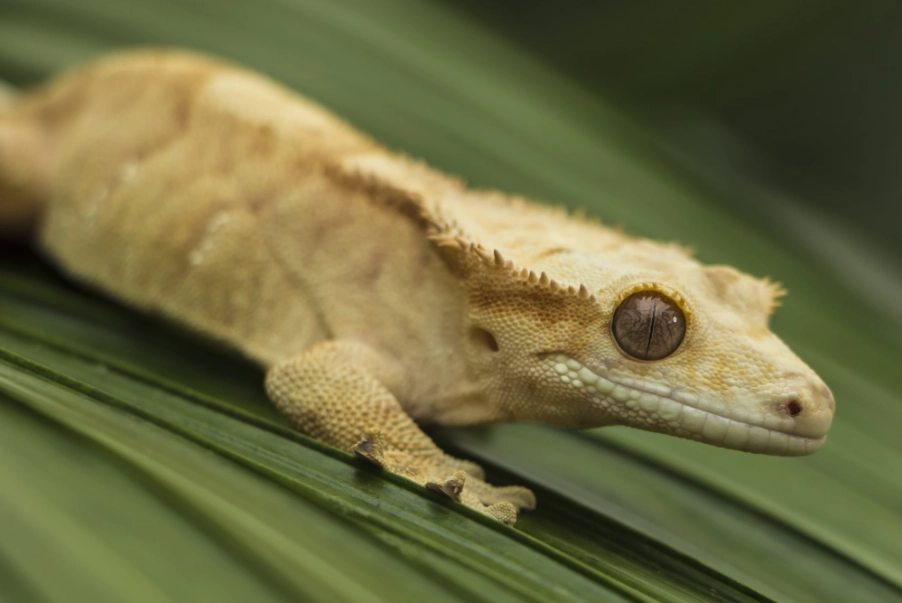
4. Heating & Lighting: Less is More
No basking spot needed. Room temperature is fine. If your house drops below 65°F (18°C) at night, a small, low-wattage ceramic heat emitter on a thermostat can provide gentle warmth. For lighting, a simple LED plant light on a 12-hour timer helps plants grow and establishes a day/night cycle. Consider a low-output UVB light (like a ShadeDweller kit) for potential long-term health benefits, as discussed in resources from the Association of Reptilian and Amphibian Veterinarians.
5. Humidity & Hydration: The Mist & Fog Balance
Aim for a cycle: spike to 80% at night, drop to 50-60% during the day. A hand mister can work if you're diligent. An automatic misting system (like MistKing) or a fogger on a timer is a game-changer for consistency. Always provide a shallow water dish, but they'll mostly drink droplets from leaves.
The Real Cost of a Crested Gecko: First Year & Ongoing
Let's talk numbers. A cheap gecko in a poor setup is a money pit. Doing it right costs more upfront but saves on vet bills and heartache.
| Item | Initial Setup (One-Time) | Annual Ongoing Costs |
|---|---|---|
| Enclosure (20 gal tall) | $100 - $200 | - |
| Heating/Lighting (if needed) | $50 - $100 | $10 (bulb replacement) |
| Decor (Substrate, wood, plants) | $80 - $150 | $30 (substrate top-ups) |
| Mister/Fogger (optional but recommended) | $60 - $150 | - |
| The Gecko Itself (morph dependent) | $50 - $300+ | - |
| Food (Powdered diet) | $20 (first bag) | $40 - $60 |
| Live Insects (treats) | $10 | $20 |
| Vet Fund (Emergency) | - | $100 (saving yearly) |
| Estimated Totals | $370 - $930 | $200 - $230/year |
See? The gecko is the cheapest part. The real investment is in its home. You can start with a simpler, cheaper setup, but plan to upgrade the decor and humidity control quickly. That initial $370 is a more realistic minimum for a proper, thriving habitat.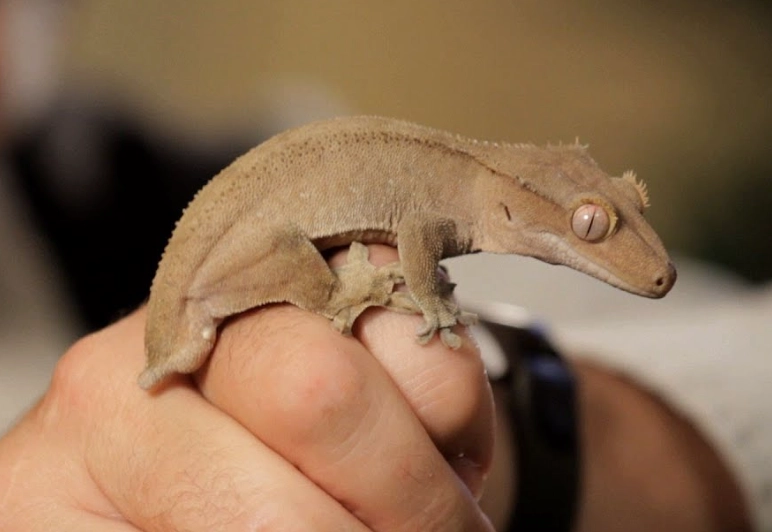
Your Questions Answered: Making the Final Decision
So, back to the original question: Are crested geckos good pets?
If your definition of a good pet is a low-maintenance, fascinating, and beautiful living piece of art that teaches you about a different kind of animal companionship, then yes, they are fantastic.
If you need a pet that shows affection, plays, or interacts with you directly, you will be disappointed.
Do the research, budget for the proper setup—not just the animal—and be honest with yourself about what you want. For those who click with their quiet, prehistoric charm, there's nothing quite like a crested gecko. My own still makes me smile when I see her peeking out from her cork bark at dusk, ready for her evening smoothie. That's the reward.
Reader Comments