So you've got a leaf-tailed gecko, one of those incredible masters of disguise from Madagascar. Their looks are mesmerizing, but then the practical question hits you: what on earth do I feed this thing? It's not like you can pop down to the local pet shop and grab a can of "gecko food." Getting their diet right is the single most important thing you'll do for their health, far more critical than the fancy bioactive setup you might be dreaming about. A poorly fed leaf-tail is a stressed, sick, and ultimately short-lived gecko. Let's cut through the generic advice and talk about what these insectivores really need, from the basics to the nuanced details most care sheets gloss over.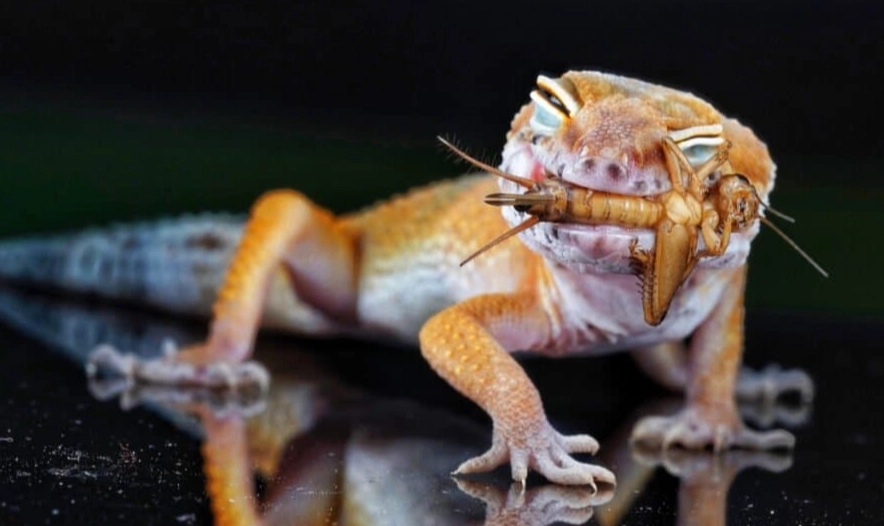
What's Inside: Your Feeding Roadmap
What Leaf-Tailed Geckos Eat in the Wild: The Foundation
You can't design a good captive diet without understanding the original blueprint. In the rainforests of Madagascar, leaf-tailed geckos (primarily Uroplatus species) are strict, opportunistic insectivores. They don't eat plants, fruit, or pinky mice. Their world is bugs.
Think about their hunting style. They're nocturnal ambush predators. They cling to a tree trunk or branch, perfectly still, and wait. Anything that crawls or flutters within tongue-range is fair game. This means their natural diet is incredibly diverse but also seasonal and unpredictable.
A study published in the Journal of Herpetology analyzing the stomach contents of wild Uroplatus geckos found a mix of:
- Crickets and grasshoppers (the staple)
- Moths and caterpillars (a soft-bodied favorite)
- Spiders
- Beetles (harder exoskeletons)
- Roaches (the forest floor variety, not your kitchen pests)
- Occasional small snails
The key takeaway? Variety and movement. In captivity, we often fail on both counts. We offer one type of insect, often lethargic from fridge storage, and wonder why the gecko seems uninterested. Their wild diet is a rotating buffet of different textures, flavors, and nutrient profiles. We need to mimic that rotation as best we can.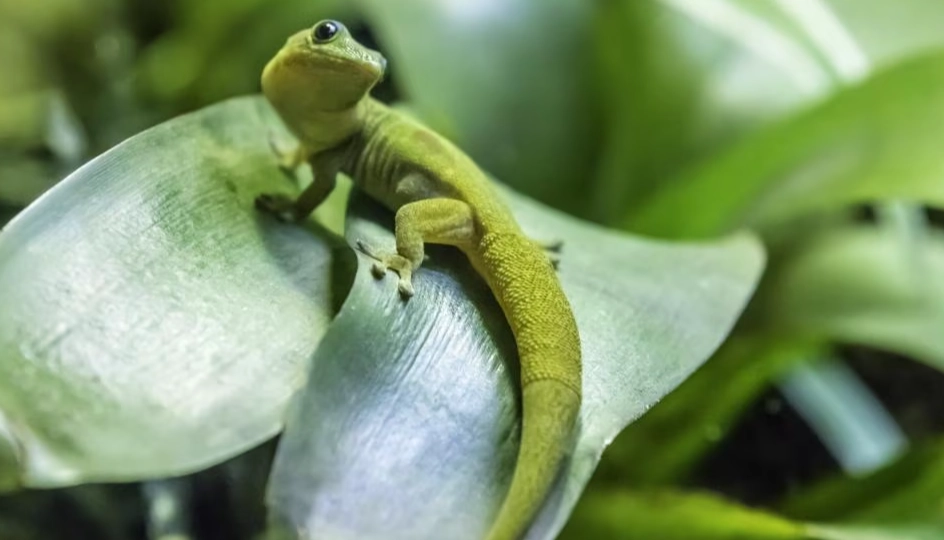
Building the Perfect Captive Menu: Safe Feeder Insects
Here’s where we translate wild prey into pet store availability. Not all insects are created equal. Some are staples, some are treats, and a few should be avoided.
The Staples (The 80% of the Diet)
These should form the bulk of your feeding routine. They're nutritious, readily accepted, and easy to gut-load (more on that later).
| Insect | Why It's Good | Size & Feeding Tip |
|---|---|---|
| Dubia Roaches | High in protein, low in fat, excellent calcium-to-phosphorus ratio. Less chitin (hard shell) than some beetles. Can't climb smooth surfaces, which is a plus. | Size: No wider than the gecko's head. Nymphs are perfect. Dust with supplements. |
| Brown/Grey Crickets | The classic. Good protein, highly mobile, stimulates hunting instinct. Slightly higher in chitin. | Size: Similar rule. Remove uneaten crickets as they can nibble on a sleeping gecko. |
| Black Soldier Fly Larvae (Calciworms/BSFL) | Nutritional superstars. Naturally high in calcium, so they require less dusting. Soft-bodied and easy to digest. | Great for all ages. Can be offered in a shallow dish as they pupate slowly. |
The Treats & Rotation Items (The 20%)
Use these to add variety and stimulate a picky eater. Don't rely on them as staples due to nutritional imbalances or cost.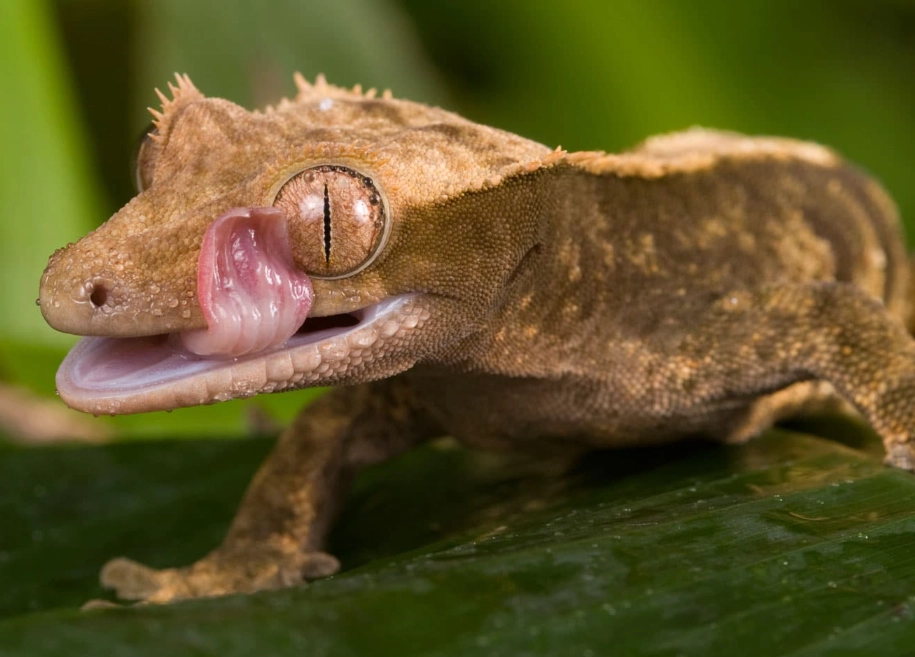
- Silkworms: Incredibly soft, high in protein and moisture. Expensive and perishable, but a fantastic occasional feed.
- Hornworms (Goliath Worms): Giant moisture balloons. Great for hydration, especially for a gecko that's reluctant to drink. Very low in fat and protein, so strictly a treat.
- Well-fed Mealworms/Superworms: I'm cautious here. They're high in fat and chitin, and can be addictive. If you use them, make it rare—once a month at most—and only after they've been gut-loaded on quality veggies for at least 24 hours. Never as a staple.
Why Supplements Aren't Optional: The Dusting Truth
This is the part most beginners mess up, and it leads to Metabolic Bone Disease (MBD), a crippling and often fatal condition. Feeder insects alone are deficient in calcium and essential vitamins compared to a wild, diverse diet.
You need two powders:
- A pure calcium supplement (without Vitamin D3). This should be available in a tiny, shallow dish in the enclosure at all times. Your gecko will lick it as needed—they self-regulate.
- A calcium powder with Vitamin D3 and a multivitamin. This is for dusting. Vitamin D3 is crucial for calcium absorption, but it's possible to overdose. In captivity, especially without specialized UVB lighting, they can't make enough of their own.
Here’s a schedule that has worked for me for years, balancing safety and efficacy:
- Juveniles (daily feeding): Dust with Calcium + D3 one feeding, and Multivitamin the next. Rotate.
- Adults (2-3x/week): Dust with Multivitamin once a week. Dust with Calcium + D3 for all other feedings that week.
The multivitamin is non-negotiable. It provides Vitamin A, which is critical for eye health, skin shedding, and immune function in geckos. A deficiency leads to stuck shed, especially around the eyes and toes, and can cause blindness. I've seen it happen.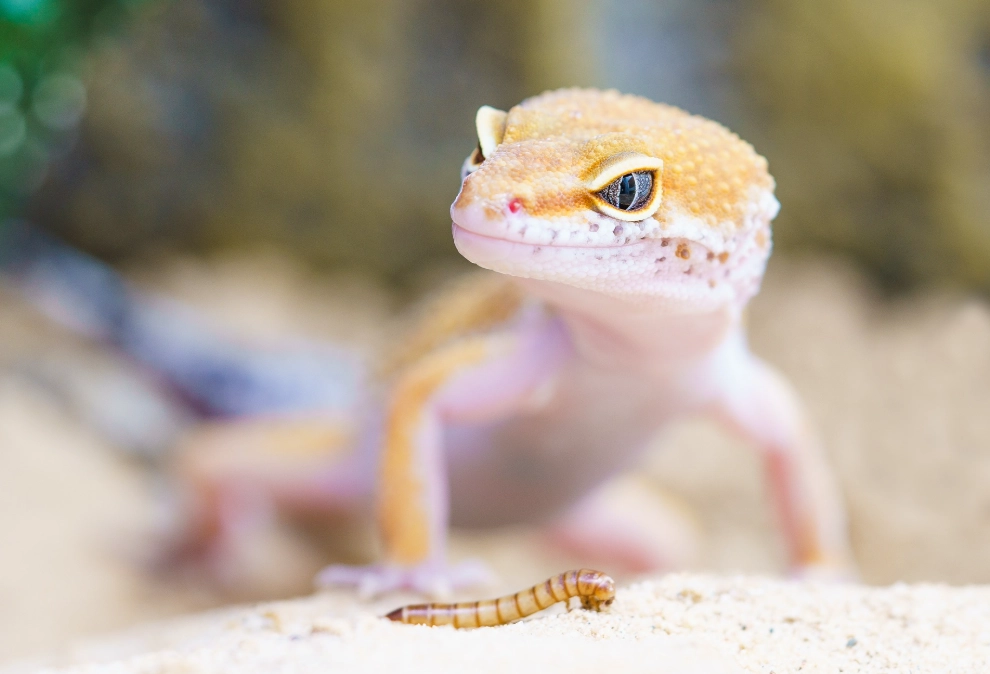
How Often and How Much to Feed Your Leaf-Tail
There's no one-size-fits-all answer. It depends on age, species (some Uroplatus are smaller), and individual metabolism.
Juveniles (0-12 months): They're growing machines. Offer appropriately sized insects daily. As much as they will eat in a 10-15 minute period. Don't leave a massive swarm in there, but make sure they're full. A plump tail is a good sign.
Adults (12+ months): Metabolism slows. Feeding 2-3 times a week is sufficient. A good rule of thumb is 3-5 suitably sized insects per feeding. For a large Uroplatus fimbriatus, that might be 2-3 adult dubia roaches. For a smaller Uroplatus phantasticus, it might be 4-5 small crickets.
Observe their body condition. The tail should be robust and fleshy, but not grotesquely fat. The ribs should not be visible. If they consistently refuse food, it's a red flag (see below).
Solving Common Feeding Problems
Even with the perfect menu, things can go wrong. Here's how to troubleshoot.
The Gecko Won't Eat: First, check your husbandry. Is the temperature too low? Leaf-tails need a slight nighttime drop, but if it's constantly below 68°F (20°C), their digestion shuts down. Is it too stressed? New enclosure, too much handling, visible predators (like a cat outside the tank). Try feeding at different times in the evening. Offer a different insect. Sometimes, just leaving a dish of calciworms in the tank overnight does the trick with shy individuals.
It's Only Eating One Type of Insect: You've created a picky eater. It happens. The solution is tough love. Stop offering the favorite for a week or two. Offer only the nutritious staple you want them on. A healthy gecko will not starve itself. Once they're eating the staple reliably, you can reintroduce the "treat" insect occasionally.
It Strikes but Misses: Could be an eye issue (check for retained shed) or a neurological problem. For occasional misses, try slower-moving prey like a worm or a freshly molted (white) cricket. If it's chronic, a vet visit is needed.
Your Questions, Answered
 Feeding your leaf-tailed gecko isn't just about dropping in a cricket. It's about recreating the nutritional diversity and challenge of their natural insectivore diet. It's about understanding that the powder on those bugs is as important as the bugs themselves. Get this right, and you'll have a thriving, alert, and breathtakingly beautiful animal that lives a long, healthy life. It's worth every bit of the effort.
Reader Comments