Seeing your crested gecko's skin look dry, or finding pieces of stuck shed in the tank, is a gut punch. You're trying your best, but that humidity gauge just won't budge above 40%. Low humidity isn't just an inconvenience—it's a direct threat to your gecko's health, impacting everything from breathing to successful shedding. I've been keeping and breeding cresties for over a decade, and I've seen the same mistakes trip up countless new owners. The good news? Fixing low humidity is straightforward once you understand the why and the how. This guide cuts through the generic advice and gives you the exact, actionable steps to create the perfect humid environment your New Caledonian rainforest native needs.
What You'll Learn in This Guide
Why Humidity is Non-Negotiable for Crested Geckos
Think about where crested geckos come from. New Caledonia is a group of islands with a tropical climate. The air is thick with moisture. According to ecological data from sources like the Animal Diversity Web, these geckos thrive in humid forest environments. In captivity, replicating this isn't a luxury; it's essential for their physiological processes.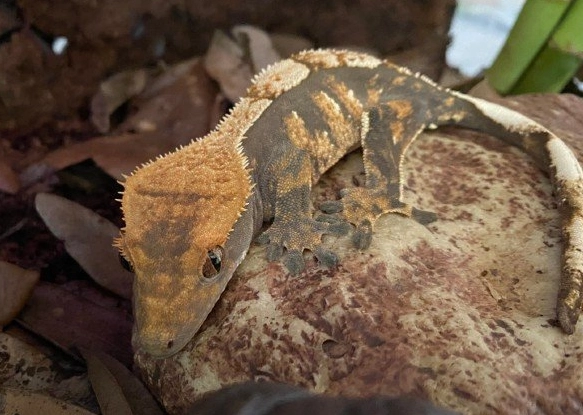
Low humidity directly leads to dysecdysis—that's the technical term for bad sheds. The skin doesn't come off in one clean piece. It gets stuck, particularly around the toes, tail tip, and head crests. I've had to assist with too many toe sheds where constriction from old skin was cutting off circulation. It's preventable.
But it goes deeper than shedding. Crested geckos drink water droplets from leaves and tank walls. If the air is dry, those droplets evaporate too fast, leading to dehydration. They also absorb some moisture through their skin. Chronic low humidity stresses their respiratory system and can make them more susceptible to infections.
How to Accurately Measure Humidity in Your Crested Gecko's Tank
You can't fix what you can't measure. And most cheap pet store gauges are notoriously inaccurate. That little analog dial stuck to the glass with a suction cup? It's probably lying to you.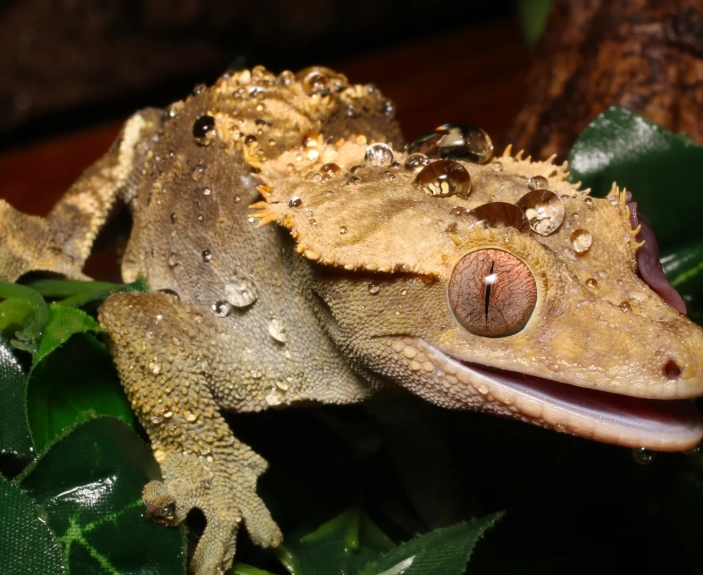
You need a digital hygrometer with a probe. Brands like Zoo Med or Exo Terra make decent ones. The key is probe placement. Don't stick it on the front glass at the top of the tank. That's the driest spot. Place the probe in the middle-back of the enclosure, at the level where your gecko spends most of its time—so, nestled among the plants or on a branch. This gives you the true "ambient" humidity your pet experiences.
Check it at different times: right after misting, in the middle of the night, and in the afternoon. You'll see the cycle.
Top 3 Mistakes That Cause Low Humidity (And How to Fix Them)
Here's where that "10 years of experience" perspective comes in. Everyone talks about misting more, but they miss the foundational errors that make all that misting useless.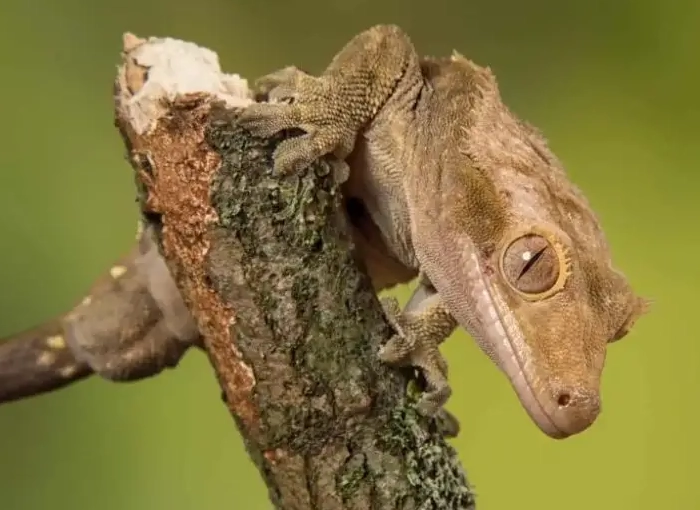
Mistake 1: The Wrong Substrate (Too Dry or Too Shallow)
Paper towel and reptile carpet are health hazards for humidity. They hold zero water. You're pouring moisture onto a non-absorbent surface where it evaporates into your room in an hour. Even a shallow layer of coconut fiber dries out too fast.
The Fix: Use a deep, moisture-retentive substrate. A 3-4 inch layer of coconut coir, cypress mulch, or a bioactive mix (with sphagnum moss mixed in) acts like a reservoir. When you mist, the substrate absorbs water and slowly releases it, stabilizing humidity for hours. This is the single biggest upgrade you can make.
Mistake 2: Over-Ventilation
Screen-top tanks are the standard, but they are humidity killers. All that warm, moist air rises straight out through the mesh. A tank with screen on the top and the sides is a desert in the making.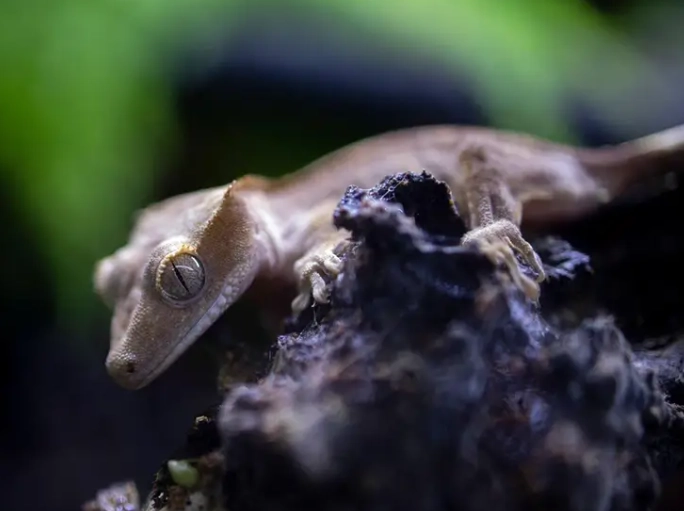
The Fix: Partially cover the screen top. Use a piece of glass, acrylic, or even HVAC tape to cover 50-75% of the top, leaving enough for air exchange. This traps humidity where it belongs—inside the tank. Just ensure there's still some cross-ventilation to prevent mold.
Mistake 3: Relying Solely on Hand Misting
Life gets busy. You forget to mist one night, or you're away for the weekend. That humidity crash is stressful for your gecko. Hand misting also creates a very short spike and a rapid decline.
The Fix: Automate it. A simple timer-based misting system, like the MistKing Starter or Exo Terra Monsoon, is a game-changer. You set it to go off for 30-45 seconds at dusk and maybe again just before dawn. It's consistent, creates perfect droplets, and frees you up. Pair this with a deep substrate, and you've solved 90% of the problem.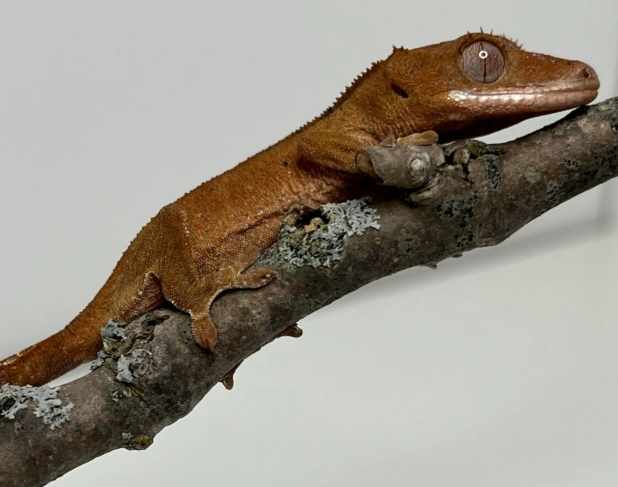
Step-by-Step Solutions to Raise and Maintain Humidity
Let's build a humidity-friendly enclosure from the ground up. Follow this checklist.
| Component | Poor Choice (Lowers Humidity) | Best Choice (Raises/Holds Humidity) |
|---|---|---|
| Enclosure | Full screen/mesh cage | Glass terrarium with partial screen top, or PVC/glass hybrid |
| Substrate | Paper towel, reptile carpet, thin layer of chips | 3-4" of coconut coir, cypress mulch, or bioactive soil mix |
| Water Source | Only a water bowl | Automated misting system + water bowl. Misting creates drinkable droplets. |
| Live Plants | Plastic or no plants | Pothos, Snake Plants, Bromeliads. They transpire and add moisture. |
| Hides & Decor | Open hides, few climbing surfaces | Cork bark tubes, coconut hides, moss caves. These create localized humid microclimates. |
| Monitoring | Analog gauge on front glass | Digital hygrometer with probe placed at gecko-level in foliage. |
If your humidity is still low after checking all that, here's an advanced trick: add a humid hide. Take a small plastic container with a hole cut in the side, line it with damp (not soaking) sphagnum moss, and place it on the warm side of the tank. It gives your gecko a 90%+ humidity retreat anytime it needs it, especially helpful during a shed.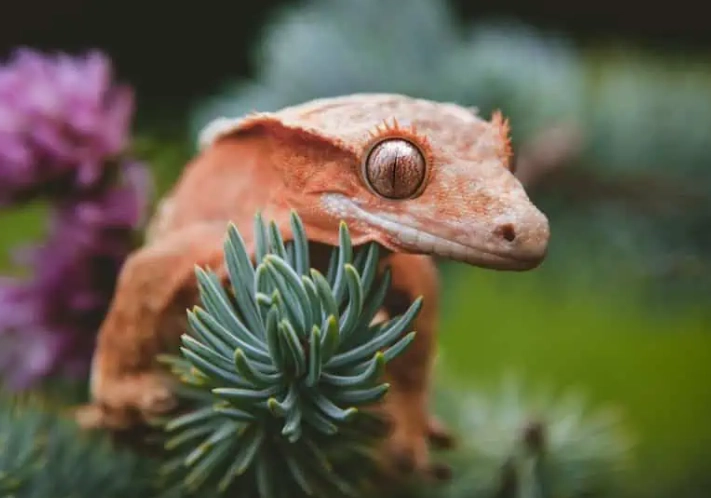
What about room humidifiers? They can help if your entire house is extremely dry, but they're inefficient. You're humidifying a whole room to affect one small tank. Direct, internal solutions (deep substrate, covered top, auto-mister) are always more effective and cheaper to run.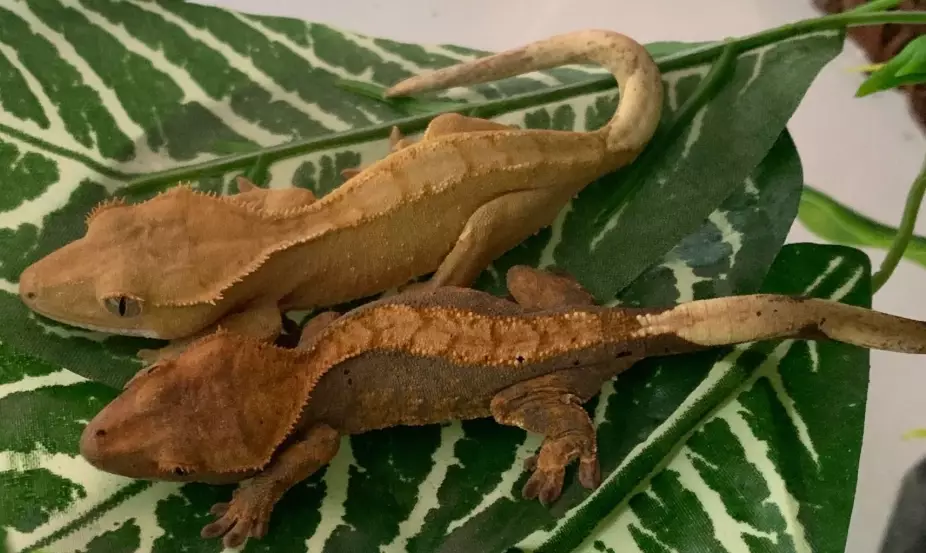
Your Crested Gecko Humidity Questions, Answered
My gecko's skin looks dry and flaky between sheds. Is this a humidity issue?
I use an auto-mister, but my digital hygrometer still reads low. What's wrong?
Can low humidity cause my crested gecko to stop eating?
Is it okay if the humidity drops to 40% during the day?
Getting crested gecko humidity right feels technical at first, but it quickly becomes second nature. It boils down to three pillars: contain the moisture (with a covered top), store the moisture (with deep substrate), and deliver the moisture consistently (with an auto-mister). Nail those, and you'll stop worrying about the gauge and start enjoying a vibrant, healthy gecko with perfect, effortless sheds.
Reader Comments