Let's cut straight to the point. If you're asking about a California kingsnake's lifespan, you're probably hoping for a big number. Good news—you're looking at one of the hardier, longer-lived pet snakes out there. In captivity, with proper care, a California kingsnake can easily live 15 to 20 years. I've personally known several that hit the 22-year mark, and records suggest some can push towards 30. But that "with proper care" bit is the whole game. The difference between a snake that barely makes it a decade and one that becomes a two-decade companion often boils down to a handful of critical, and sometimes surprisingly simple, husbandry choices.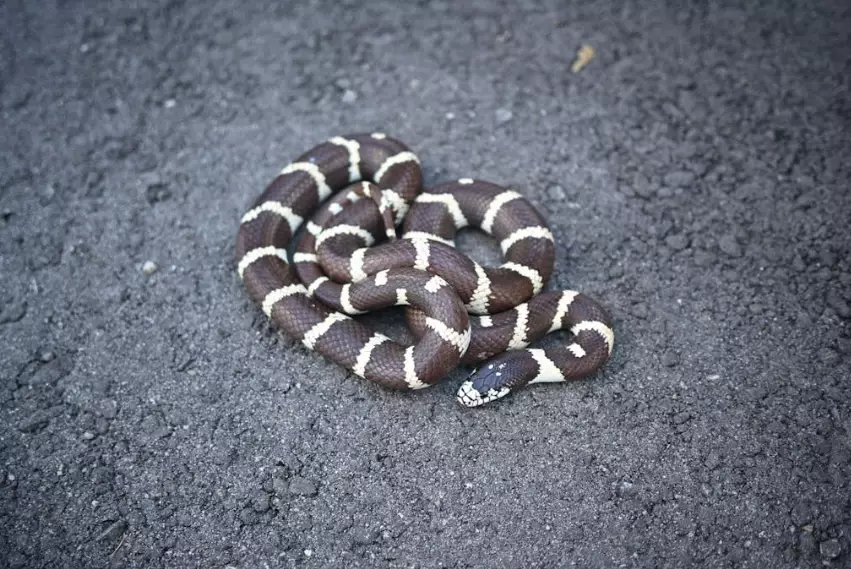
What's Inside?
The Lifespan Numbers: Wild vs. Captivity
In the scrublands and forests of California and the surrounding regions, life is tough. Predators, drought, disease, and the constant search for food take their toll. A wild California kingsnake is doing well if it reaches 10 to 12 years. Most don't.
Contrast that with a well-kept captive snake. The 15-to-20-year range isn't just possible; it's the expected standard for a responsible keeper. This dramatic jump isn't magic. It's the removal of those life-shortening wild pressures and their replacement with consistent food, veterinary care, and a controlled environment.
What Really Determines How Long Your Kingsnake Lives?
Forget just one thing. Longevity is a mosaic. Miss one piece, and the whole picture suffers. Based on decades of collective herpetocultural experience and veterinary insights from organizations like the Association of Reptilian and Amphibian Veterinarians (ARAV), these are the pillars.
Genetics and Origin
This is the foundation you can't change. A snake from a long line of healthy, well-bred captive animals (CBB) starts with a massive advantage over a wild-caught (WC) individual. WC snakes often arrive with a heavy parasite load, stress, and unknown health histories, which can silently chip away at their lifespan. Always, always choose a captive-bred snake from a reputable breeder. It's the single best decision for longevity.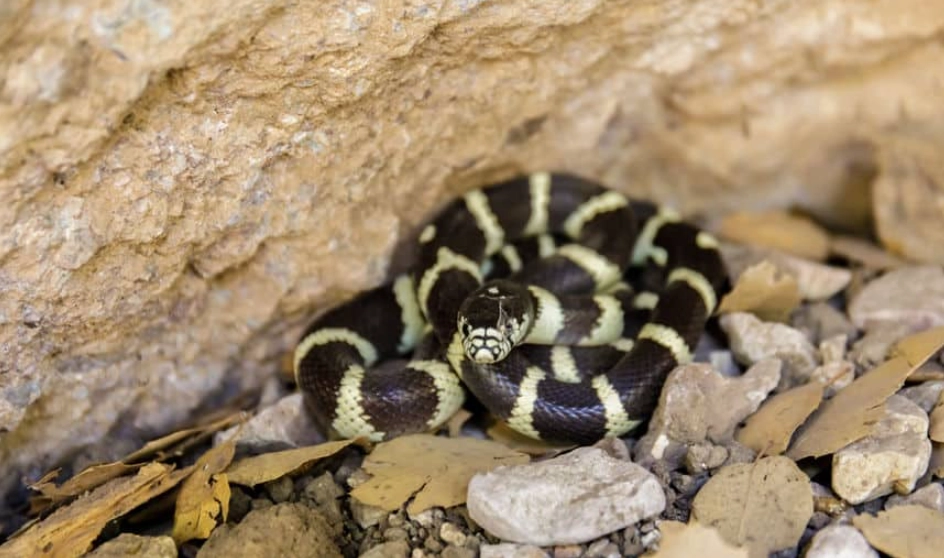
Diet and Nutrition: The Fuel
It's not just "feed it mice." It's about quality, quantity, and schedule. The most common mistake I see? Overfeeding. An obese kingsnake is a heart attack, fatty liver disease, and reproductive issue waiting to happen. Conversely, underfeeding weakens the immune system. You need a Goldilocks zone.
Habitat and Stress
Stress is a silent killer for reptiles. A tank that's too small, lacks hiding spots, has incorrect temperatures, or is in a high-traffic area of your home creates chronic stress. This suppresses the immune system, making the snake vulnerable to infections it would otherwise fight off. A secure, appropriately sized, and properly heated enclosure isn't a luxury; it's basic medicine.
Preventative Healthcare
Reptiles are masters of hiding illness. By the time they show obvious signs, they're often critically sick. An annual check-up with a reptile-savvy vet, and a fecal exam for parasites every year or two, can catch problems when they're cheap and easy to fix. This proactive approach adds years.
| Lifespan Factor | Positive Impact (Adds Years) | Negative Impact (Shortens Life) |
|---|---|---|
| Genetics | Captive-Bred (CBB) from healthy lines | Wild-Caught (WC), unknown lineage |
| Diet | Appropriate-sized prey, varied diet (e.g., mice, chicks), proper schedule | Overfeeding, underfeeding, only one prey type |
| Enclosure | Correct size, temperature gradient, multiple hides, low stress | Too small, no hides, incorrect temps, high traffic area |
| Healthcare | Annual vet checks, parasite screening, quarantine for new animals | Reactive-only care (waiting until sick), ignoring subtle signs |
A Care Guide Built for Longevity
Let's get specific. Here’s how to translate those factors into a daily care routine designed to maximize your California kingsnake's lifespan.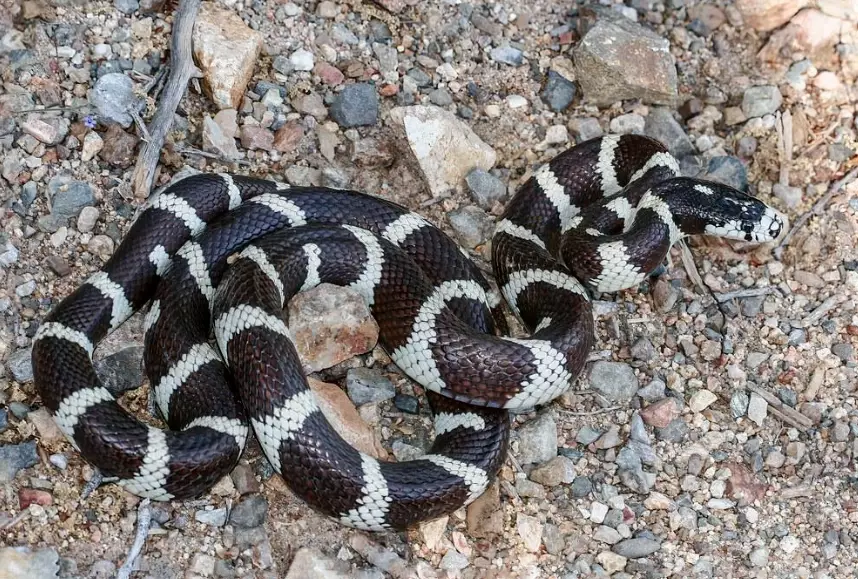
Habitat Setup: The Long-Term Home
For an adult, a 40-gallon breeder tank (36"x18"x16") is the absolute minimum I'd recommend for long-term health. Bigger is always better. You need to create a thermal gradient: a warm side with an under-tank heater or ceramic heat emitter regulated by a thermostat (88-90°F / 31-32°C) and a cool side around 75-78°F (24-26°C). Night drops are fine, but don't let it go below 70°F. Humidity should sit at 40-50%, spiking a bit during sheds.
Hides are non-negotiable. One on the warm end, one on the cool end, and maybe a humid hide in the middle. They need to feel secure from all sides. Substrate can be aspen shavings, cypress mulch, or paper-based bedding. Avoid cedar or pine—their aromatic oils are toxic.
Feeding for a Long, Healthy Life
Feed prey that is no wider than the snake's widest part. For juveniles, every 5-7 days. For adults, every 10-14 days is plenty. Seriously. A healthy adult kingsnake does not need a weekly meal. I've found that slightly leaner feeding schedules in adulthood correlate with more active, alert snakes and fewer obesity-related vet visits.
Consider nutritional variety. While mice are a perfect staple, offering a chick or quail once or twice a year can provide different nutrients. Always source feeders from reputable suppliers to avoid introducing parasites.
Health Monitoring: Be a Detective
Weigh your snake monthly with a digital scale. A sudden drop or rapid gain is your first clue something's wrong. Keep a simple log: weight, feedings, sheds, and bowel movements. Before handling, do a visual check. Clear eyes? (Except when in blue for shed). Clean vent? Smooth skin without retained patches? Alert and curious? This 30-second ritual helps you spot deviations from normal.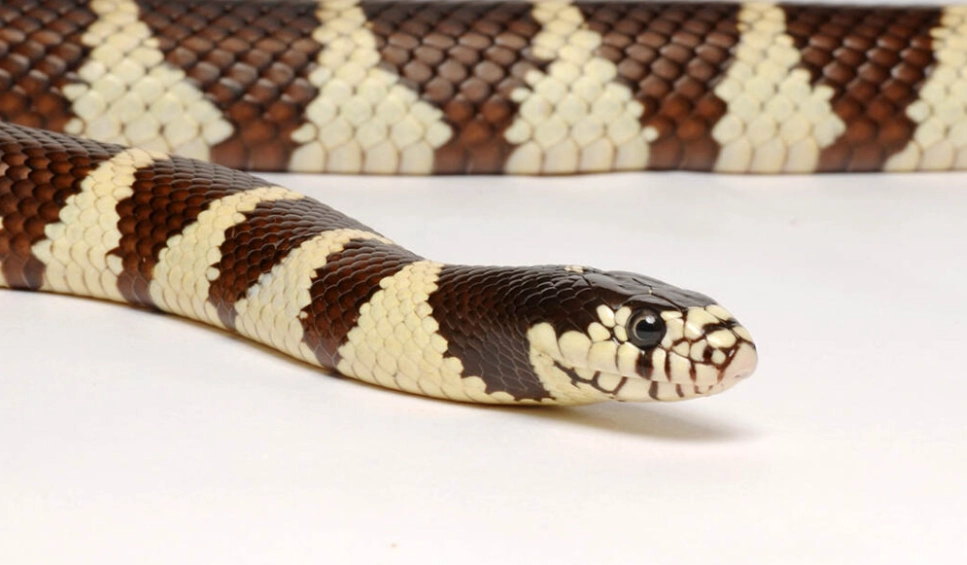
Pro Tips to Maximize Your Kingsnake's Lifespan
Here's where that "10-year experience" perspective comes in. These aren't always in the beginner care sheets.
Master the Quarantine. If you ever get another reptile, the new animal must be kept in a separate room, with separate tools, for a minimum of 90 days. I'd recommend six months. This is the number one way to prevent introducing deadly viruses like Arenavirus or parasites to your established, healthy snake. It's boring but vital.
Rethink "Handling." Handling is for your benefit, not necessarily the snake's. Keep sessions short (10-15 mins), infrequent (a couple times a week max), and always calm. Never handle for 48 hours after feeding or during a shed. Chronic stress from over-handling is a real but invisible lifespan shortener.
The Winter Slow-Down. Even if you don't brumate (cool them down for breeding), many kingsnakes will naturally eat less and be less active in the winter months. Don't panic and force-feed. Respect the lower appetite, maybe stretching meals to every 3 weeks. Forcing food during this natural cycle can cause regurgitation.
Invest in a Thermostat. Not a dimmer, a proper on/off or pulse-proportional thermostat for your heat source. Unregulated heat mats can and will cause severe burns, which lead to infections and immense stress. A $40 thermostat is the cheapest life insurance you'll ever buy for your pet.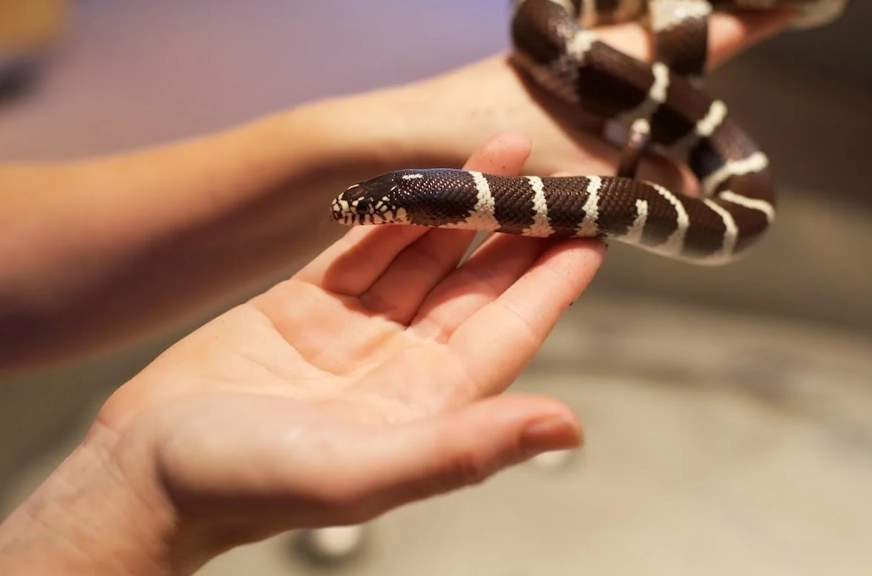
Your California Kingsnake Lifespan Questions Answered
Does keeping my California kingsnake in a rack system instead of a front-opening tank affect its lifespan?
My 18-year-old California kingsnake has started refusing food for months at a time. Is this the end?
 Can cohabitating two California kingsnake shorten their lifespans?
How does breeding a female California kingsnake impact her overall lifespan?
The bottom line on California kingsnake lifespan is empowering. You have immense control over it. By sourcing a healthy animal, nailing the fundamentals of habitat and diet, and adopting a proactive, observant care style, you're not just hoping for 15 years—you're building the roadmap to get there. It's a long commitment, but watching a snake thrive through its different life stages, from a tiny hatchling to a calm, confident adult, is one of the most rewarding experiences in reptile keeping.
Reader Comments