Let's cut straight to the point. The absolute minimum tank size for an adult giant leopard gecko is a 20-gallon long aquarium (30 inches long x 12 inches wide x 12 inches high). But if you're reading this, you probably don't want to provide just the bare minimum. You want your gecko to thrive, not just survive. After keeping and breeding leopard geckos for over a decade, I've seen the dramatic difference a properly sized and thoughtfully designed enclosure makes. It's the single most important factor you control for their long-term health and behavior.
What You'll Find in This Guide
Why Tank Size Is More Than Just a Number
Think of a tank not as a box, but as an ecosystem you're building. The dimensions dictate everything that follows: the thermal gradient, the number of hiding spots you can fit, the opportunity for exercise and natural behaviors like exploring and climbing.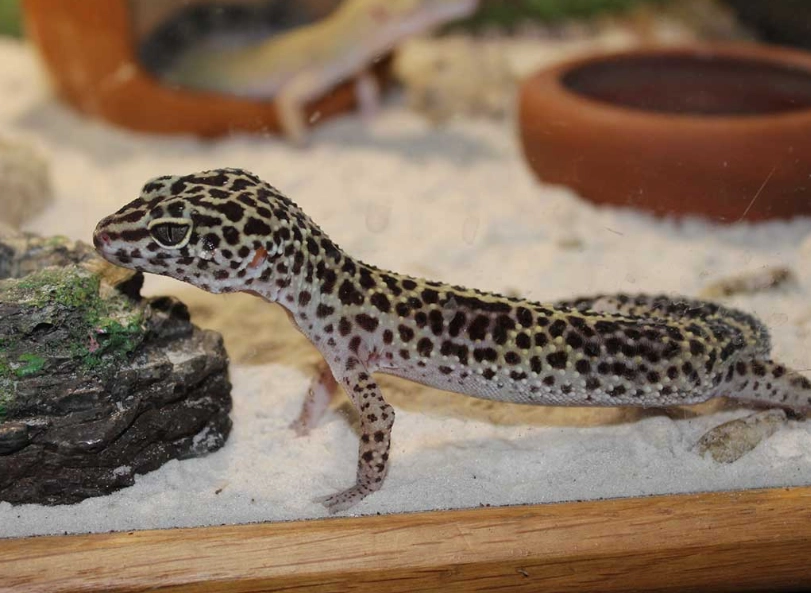
A rookie mistake is focusing only on floor space. Height is critically underrated for giant leopard geckos. They are more capable climbers than their standard-sized cousins, often utilizing low branches and cork bark rounds. A tank that's only 12 inches tall limits you to a flat, two-dimensional world. Bump that up to 18 inches, and suddenly you can create a three-dimensional habitat with elevated basking spots and climbing enrichment.
I once helped a friend who was puzzled why her gecko seemed "lazy" and often glass-surfed. She had a 20-gallon long with the required three hides, but they were crammed in with no open space to walk. The gecko had no room to patrol or explore. We upgraded to a 36" long front-opening enclosure, rearranged the hides to create a winding path, and within days the glass-surfing stopped. The gecko had a job to do—exploring its territory.
Official Recommendations vs. Reality: A Clear Breakdown
Here’s where things get practical. Let's translate gallons and vague terms into actionable plans. This table breaks down the options from minimum to ideal.
| Life Stage / Goal | Minimum Dimensions (L x W x H) | Recommended "Thrive" Dimensions | Key Benefits & Considerations |
|---|---|---|---|
| Hatchling/Juvenile (Under 6 months) |
10 gal (20" x 10" x 12") | 20 gal Long (30" x 12" x 12") | Smaller space helps them find food easily. A 20-gal long is excellent for growth if properly cluttered. |
| Single Adult (Bare Minimum) |
20 gal Long (30" x 12" x 12") | 30-40 gal (36" x 18" x 12"+) | The 20-gal long works but is cramped. 36" of length allows for a perfect warm-cool gradient and more decor. |
| Single Adult (Ideal Setup) |
40 gal Breeder (36" x 18" x 16") | 48" x 18" x 18" (Custom or PVC) | This is the gold standard. Ample space for a bioactive setup, deep digging substrate, and significant climbing features. |
| Pair or Trio (Females only, not recommended for beginners) |
40 gal Breeder (36" x 18" x 16") | 48" x 24" x 18" or larger | Critical to have multiple resource stations (3 warm hides, 3 cool hides, multiple water dishes) to prevent competition. |
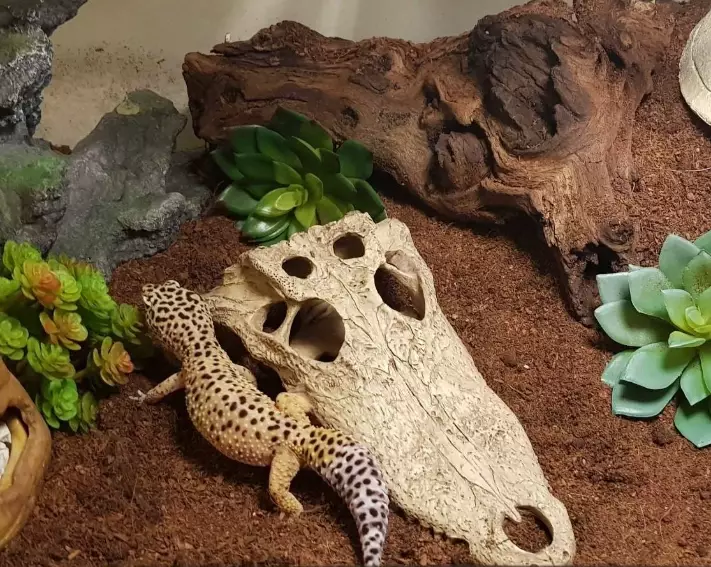
The 3 Most Common Sizing Mistakes (And How to Avoid Them)
1. The "Grow Into It" Fallacy with Hatchlings
Plopping a 5-inch hatchling into a 40-gallon barren tank is a recipe for stress and failure to thrive. They can feel exposed and have trouble finding their food. The solution isn't a smaller tank, but a properly cluttered large tank. Use paper towel rolls, small cardboard boxes, and extra foliage to break up the sightlines and create micro-environments. As the gecko grows, you gradually remove the temporary clutter and add permanent, larger decor.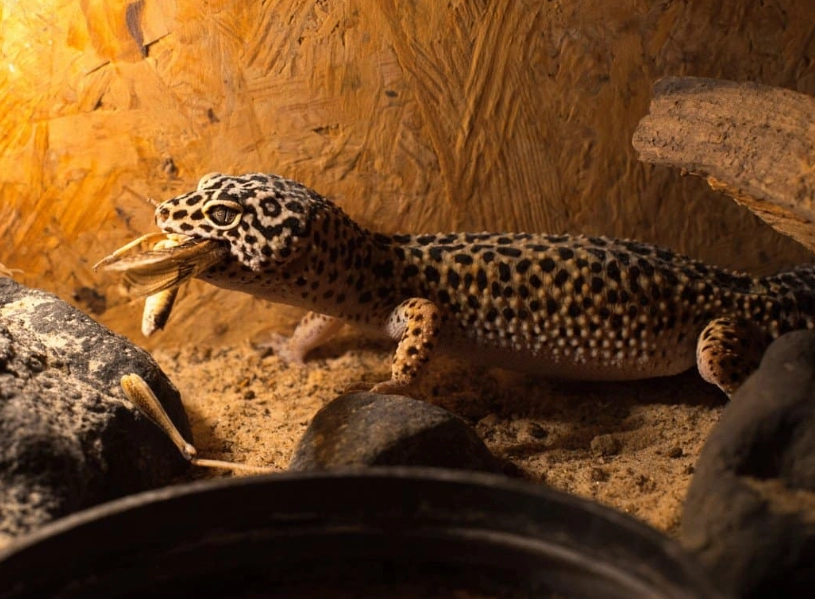
2. Ignoring the Third Dimension (Height)
Most care sheets fixate on length and width. But a tank that's 36" long x 18" wide x 12" high is just a flat runway. A height of 16-18 inches unlocks possibilities. You can use a deep substrate layer for digging (a natural behavior often stifled), install a low, sturdy branch for climbing, and use taller rock structures to create thermal gradients at different elevations. This utilizes space more efficiently and is mentally stimulating.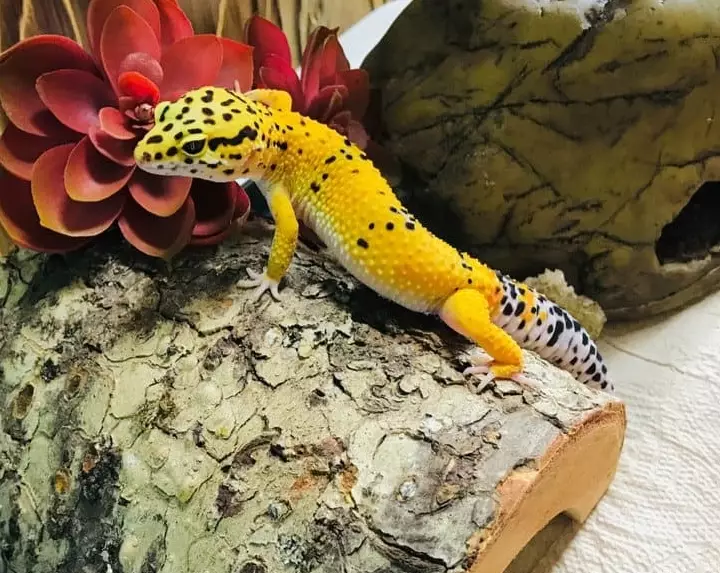
3. Choosing an Aquarium Over a Terrarium
Aquariums are designed for fish. They have thin, rimmed tops that make installing overhead heating and lighting a hassle, and you access them from the top—which to a gecko, mimics a predator attack. A dedicated terrarium with front-opening doors and a ventilated screen top is superior in almost every way for heating, lighting, access, and security. The initial cost is higher, but the long-term functionality is worth it.
Step-by-Step: Setting Up Your Giant Leopard Gecko's Tank
Let's assume you've bought a 36" x 18" x 18" front-opening tank. Here's how to maximize that space.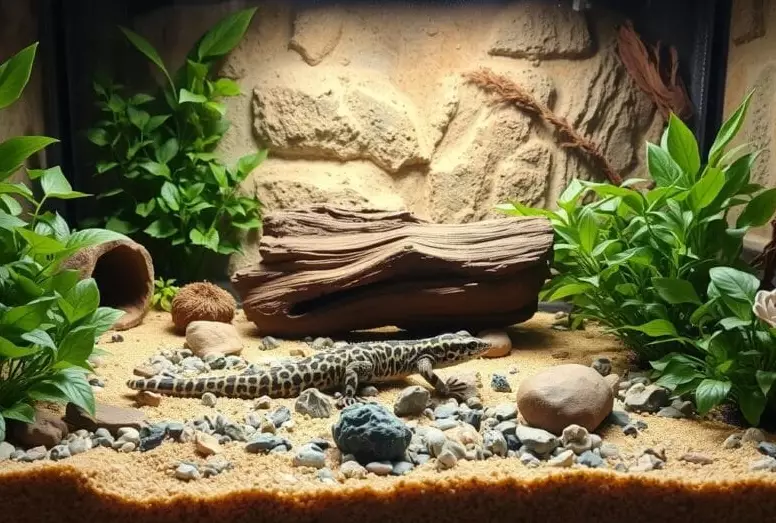
Step 1: Heating & Gradient. Your heat source (an overhead halogen bulb or deep heat projector on a thermostat) goes on one side. The goal is to create a warm end floor temperature of 88-92°F, a cool end around 70-75°F, and an ambient air temperature gradient in between. The length of your tank is what makes this possible. In a tank shorter than 30", creating a stable gradient is very difficult.
Step 2: The Hide Trio. This is non-negotiable. You need a warm hide over the heat mat/under the heat lamp, a cool hide on the opposite end, and a humid hide in the middle or cool end. In a larger tank, don't just line them up. Place them at different points and angles to encourage movement. Consider a "hide cave" that also functions as a climbable structure.
Step 3: Substrate & Flooring. Ditch the reptile carpet. For a simple setup, use paper towel or slate tile. For a more naturalistic setup, a 70/30 mix of topsoil and playsand is safe and allows for digging. The depth (3-4 inches) is something you can only achieve in a tank with sufficient height.
Step 4: Clutter & Enrichment. This is where your tank comes to life. Use cork flats, grapevine wood, artificial or safe live plants (like succulents), and flat stones. Create visual barriers and pathways. Leave some open space for walking, but avoid large, empty stretches. The Anapsid Reptile Resource has great insights on naturalistic design principles.
How to Know It's Time to Upgrade Your Tank
Your gecko will tell you. Constant glass surfing (walking along the walls repeatedly) is the biggest sign. Other clues: your gecko seems to have no distinct "patrol" route, it's difficult to fit all necessary elements without them touching, or you simply can't create the temperature gradient your thermostat is telling you to create. If you're considering a bioactive setup with a clean-up crew, you almost certainly need the larger volume of soil and space that a 40-gallon+ tank provides.
Your Giant Leopard Gecko Tank Questions, Answered
My giant leopard gecko seems to only use one corner of its 40-gallon tank. Did I get one too big?
Can I use a 20-gallon tall tank instead of a 20-gallon long?
I see beautiful "leopard gecko rack" systems online. Are those appropriate for giant leopard geckos?
How do I heat a larger tank (40-gallon+) effectively without creating hot spots?
Reader Comments