Let's cut to the chase: chameleon geckos can be fantastic pets, but they're not for everyone. If you're looking for a lizard you can cuddle or handle daily, you might want to reconsider. But if you're fascinated by unique behaviors and don't mind a hands-off approach, these little guys might just be your perfect match. I've kept reptiles for over a decade, and chameleon geckos taught me more about patience than any other species.
What's Inside This Guide
What Are Chameleon Geckos Really Like?
Chameleon geckos, scientifically known as Eurydactylodes species, are small arboreal lizards from New Caledonia. They're often confused with true chameleons because of their color-changing ability and prehensile tails, but they're actually geckos. Most species stay under 6 inches in length, making them manageable for smaller enclosures.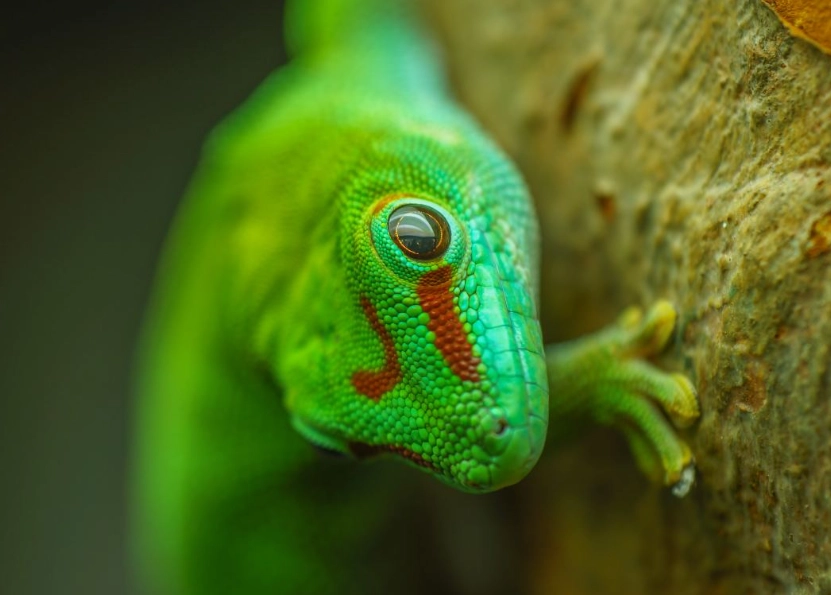
Their temperament is where things get interesting. These geckos are generally shy and nocturnal. I remember my first chameleon gecko, a little Eurydactylodes agricolae, would hide all day and only come out at night under dim light. They're not aggressive, but they stress easily. Handling should be minimal—maybe once a week for short periods—to avoid dropping their tails, which they do as a defense mechanism. Unlike some geckos, the tail doesn't always grow back fully.
The Good and the Bad: Pros and Cons
Let's break it down with a table. This isn't just a generic list; it's based on my own mistakes and successes.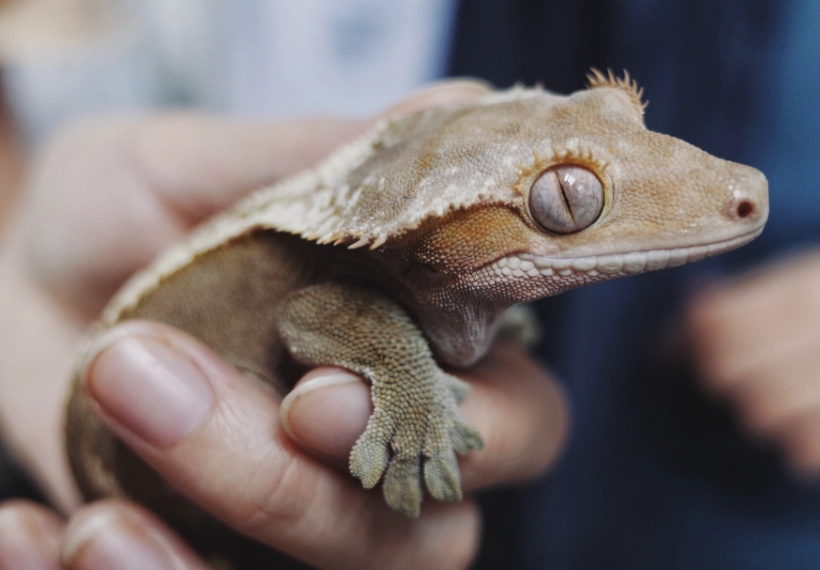
| Pros | Cons |
|---|---|
| Unique appearance: Color changes and textured skin make them visually striking. | Not handleable: They're easily stressed, so frequent handling is a no-go. |
| Quiet and low odor: Perfect for apartments or shared spaces. | Specific humidity needs: Require 60-80% humidity, which can be tricky to maintain. |
| Small size: A 12x12x18 inch enclosure can suffice for one adult. | Delicate feeders They eat small insects like fruit flies, which can be annoying to culture. |
| Long lifespan: With proper care, they can live 10+ years. | Expensive setup: Initial costs for lighting, plants, and misting systems add up. |
One thing most guides miss: these geckos are masters of escape. I've had one squeeze through a tiny gap in a screen lid. Always double-check your enclosure seals.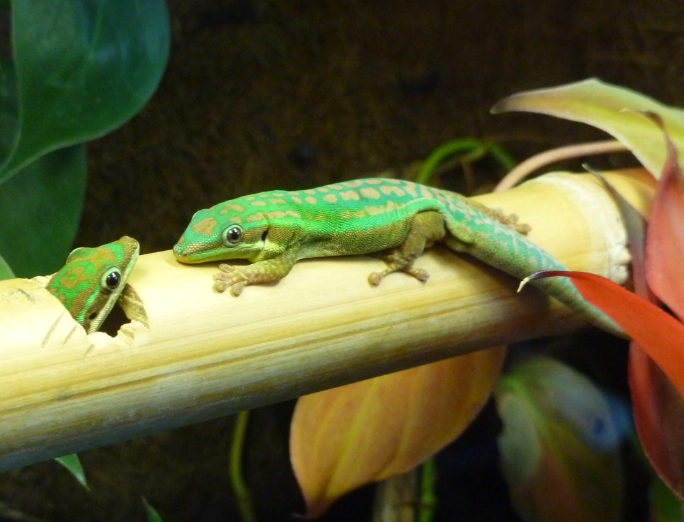
How to Set Up a Chameleon Gecko Habitat
Getting the habitat right is 80% of success with chameleon geckos. A common mistake is treating them like leopard geckos—they need vertical space, not horizontal.
Essential Equipment List
Here's what you'll need, based on my setup that's worked for years:
- Enclosure: A tall glass terrarium, at least 12x12x18 inches for one gecko. Screen tops are fine, but ensure they're secure.
- Substrate: I use a mix of coconut fiber and sphagnum moss. It holds moisture well and is safe if ingested.
- Heating: A low-wattage heat mat on one side, creating a gradient from 75°F to 80°F. Avoid heat lamps—they can dry out the air.
- Lighting: UVB lighting isn't strictly necessary, but I add a low-output UVB bulb for 10-12 hours a day. It seems to boost their activity.
- Humidity: A digital hygrometer is a must. Mist manually twice a day or invest in an automatic misting system. I started with hand-misting and switched to a mist king—best decision ever.
- Decor: Live plants like pothos or bromeliads, cork bark tubes, and vines for climbing. They love to hide in dense foliage.
Setting this up cost me around $300 initially. Skip the cheap plastic plants; live ones help with humidity and look better.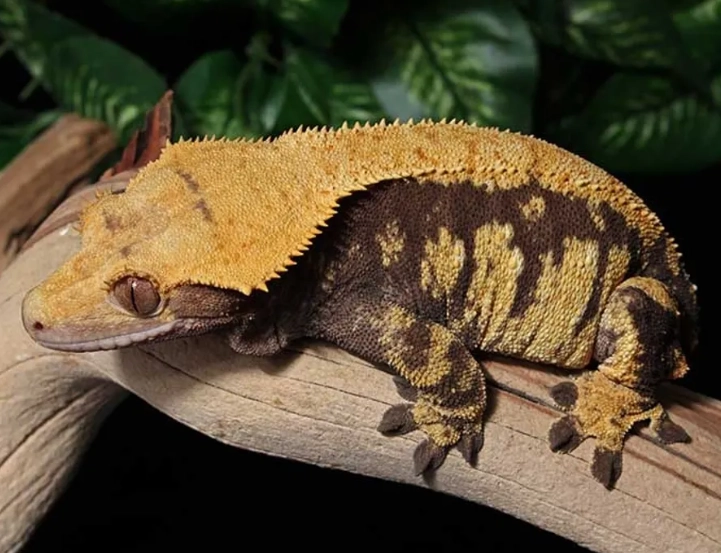
Feeding Your Chameleon Gecko: What Works
Feeding can be a headache if you're not prepared. These geckos eat small, live insects. Here's a breakdown of their diet:
- Staple feeders: Fruit flies (Drosophila melanogaster) are the go-to. You'll need to culture them at home—it's easier than it sounds. I keep a few cultures rotating so I always have food.
- Variety: Supplement with pinhead crickets, small roaches like dubia nymphs, and occasional flightless fruit flies. Dust insects with calcium powder twice a week.
- Feeding schedule: Offer food every other day for juveniles, 2-3 times a week for adults. I feed mine in the evening when they're active.
A pitfall I see: overfeeding. These geckos have slow metabolisms. Obesity can lead to fatty liver disease. Monitor their weight by checking if their ribs are visible—they shouldn't be, but a bulging belly is a bad sign.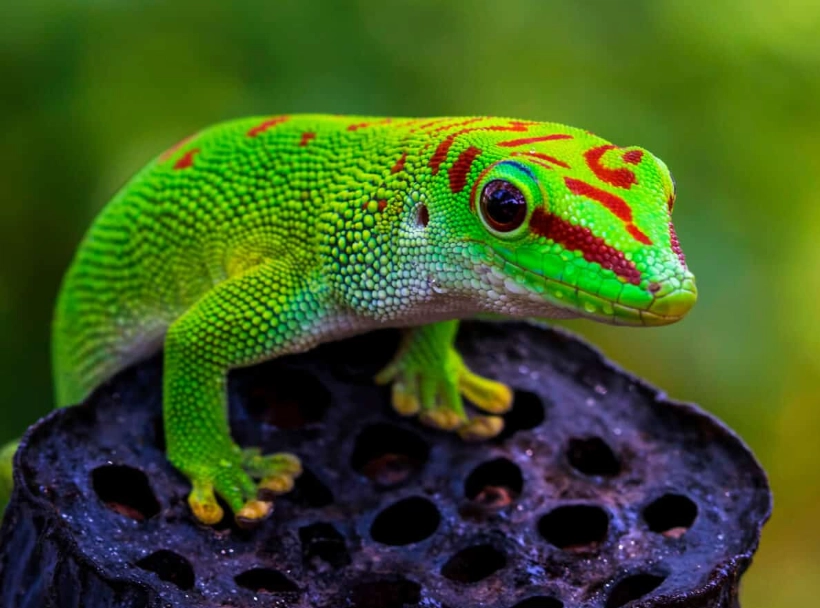
Common Health Issues and How to Avoid Them
Chameleon geckos are generally hardy if their environment is right, but they're prone to a few issues. From my experience, most problems stem from poor humidity or diet.
Top Health Concerns
- Respiratory infections: Caused by low humidity or dirty enclosures. Symptoms include wheezing or mucus around the mouth. Increase humidity and clean the tank more often.
- Metabolic bone disease (MBD): Rare if you dust feeders with calcium, but I've seen it in geckos fed only fruit flies without supplementation. Use calcium with vitamin D3.
- Parasites: Wild-caught geckos often have internal parasites. Always buy from reputable breeders who provide health records. A fecal exam by a vet costs about $50 and is worth it.
- Tail loss: Stress-induced. If it happens, keep the gecko in a quiet, clean environment to prevent infection. The tail may regrow partially, but it often looks stubby.
I learned the hard way: a vet visit for reptiles can be expensive. Budget for an annual check-up, around $100-150.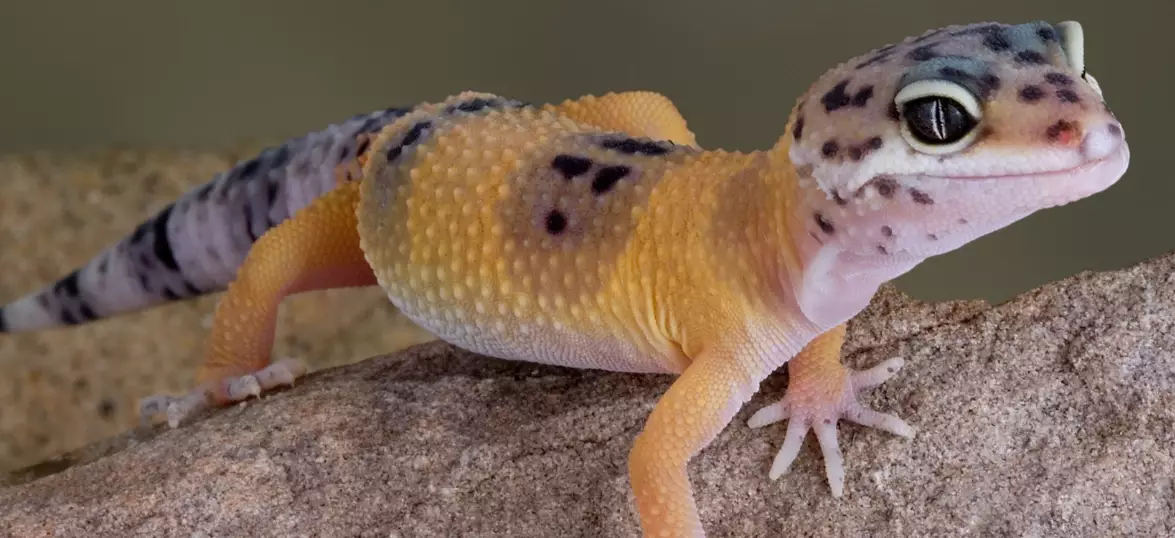
Your Questions Answered
So, do chameleon geckos make good pets? If you're willing to put in the effort for a unique, hands-off companion, yes. They're not cuddly, but watching them change color and navigate their little jungle is rewarding. Start with a proper setup, be patient, and you might just fall in love with these tiny masters of disguise.
Reader Comments