I’ve been keeping reptiles for over ten years, and if there’s one thing that trips up new owners, it’s handling. You see a chameleon perched on a branch or a gecko scurrying in its tank, and you think, "How hard can it be?" But then you try, and suddenly your pet is stressed, you’re anxious, and everyone’s unhappy. Let’s fix that. This guide isn’t just about picking up lizards; it’s about understanding their world so you can interact safely and confidently. We’ll cover chameleon and gecko handling from the ground up, with tips I’ve learned the hard way.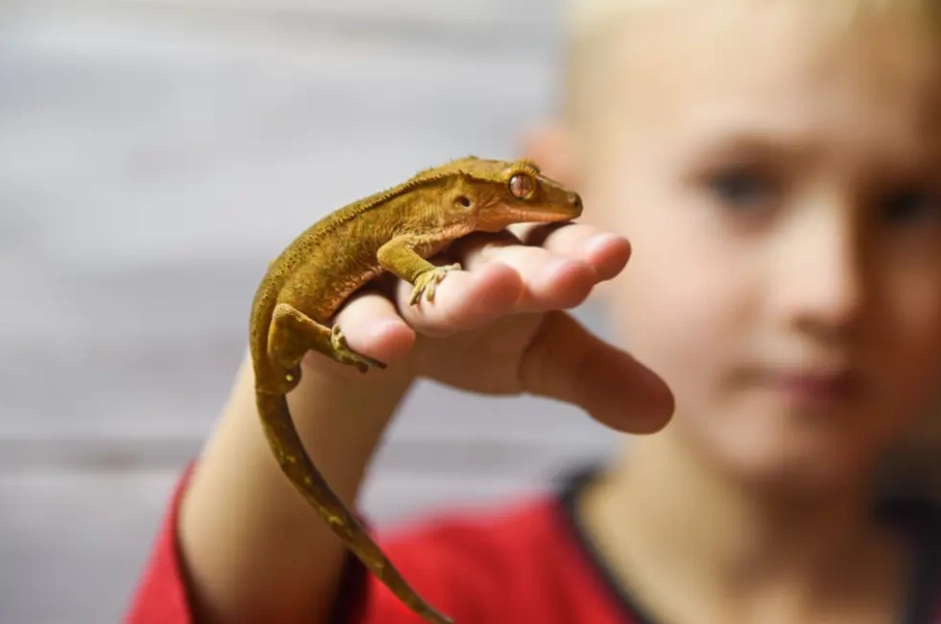
Quick Navigation: What You’ll Learn
Why Proper Handling Isn’t Just About Safety
Most people focus on not dropping their pet, but handling goes deeper. Chameleons and geckos are prey animals in the wild. When you grab them wrong, you trigger their stress response—think color changes, rapid breathing, or even dropping tails (in geckos). I’ve seen owners who handle too often cause long-term health issues, like suppressed immune systems. According to the Association of Reptile and Amphibian Veterinarians, chronic stress from poor handling can lead to respiratory infections and appetite loss. So, it’s not just about avoiding bites; it’s about keeping your reptile healthy and trusting.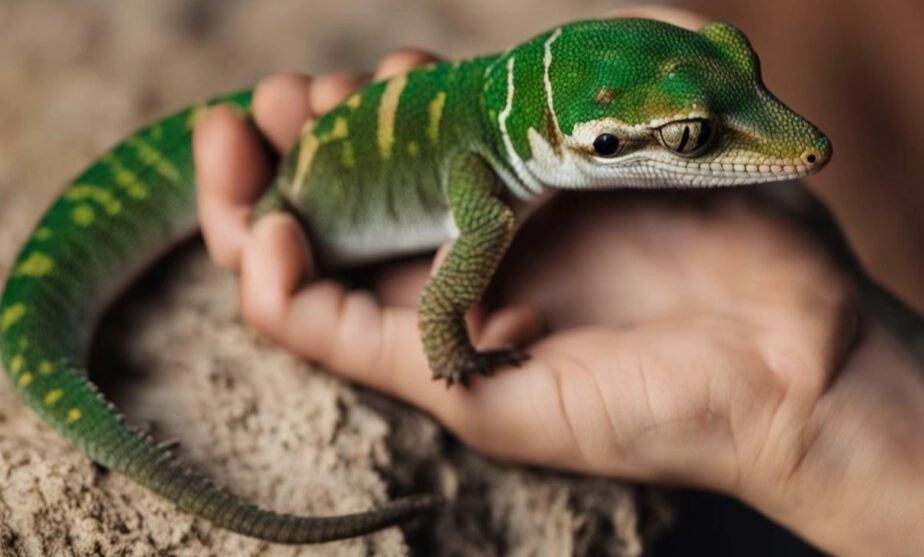
How to Handle a Chameleon: A Step-by-Step Breakdown
Chameleons are delicate. Their bones are light, and they stress easily. Here’s how I do it, based on handling hundreds of them.
Before You Even Touch: Setting the Stage
Wash your hands with unscented soap. Chameleons have keen senses, and strong smells can freak them out. Ensure the room is warm (around 75°F or 24°C) and quiet—no loud TVs or kids running around. I always do this in the early evening when they’re more active. Have a perch or branch nearby so you can transfer them smoothly.
The Actual Handle: A Gentle Approach
Don’t reach from above; that’s predator behavior. Move slowly from the side. Place your hand under their belly, letting their feet grip your fingers. Support their body fully—chameleons aren’t built to hang. If they resist, back off. A little patience saves a lot of stress. Keep sessions short: 5-10 minutes max, once or twice a week. More than that, and you’re asking for trouble.
When to Put Them Back: Reading the Signs
Watch for stress signals: hissing, gaping mouth, or rapid color shifts to dark patterns. If you see these, end the session immediately. I’ve made the mistake of pushing it, and the chameleon refused food for days. It’s not worth it.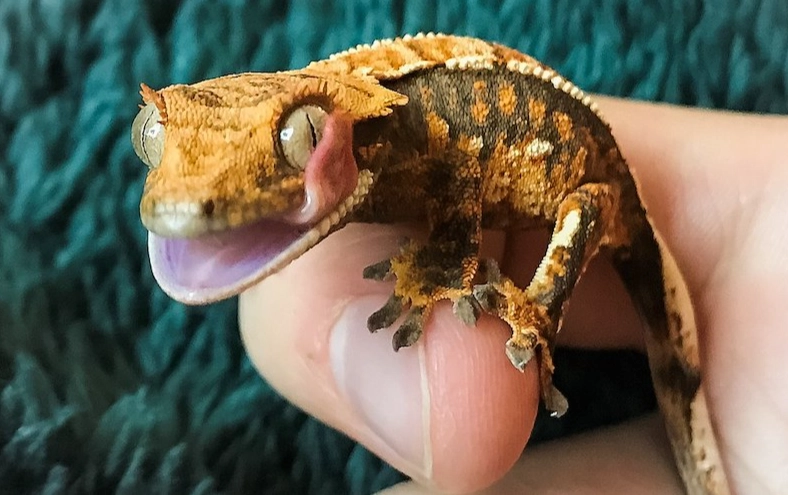
Gecko Handling: Tailoring Techniques to Species
Geckos are more forgiving than chameleons, but they vary. Crested geckos can drop their tails if startled, while leopard geckos are sturdier. Here’s a quick comparison.
| Gecko Type | Best Handling Method | Frequency | Key Risk |
|---|---|---|---|
| Crested Gecko | Let them walk onto your hand | 2-3 times a week | Tail dropping |
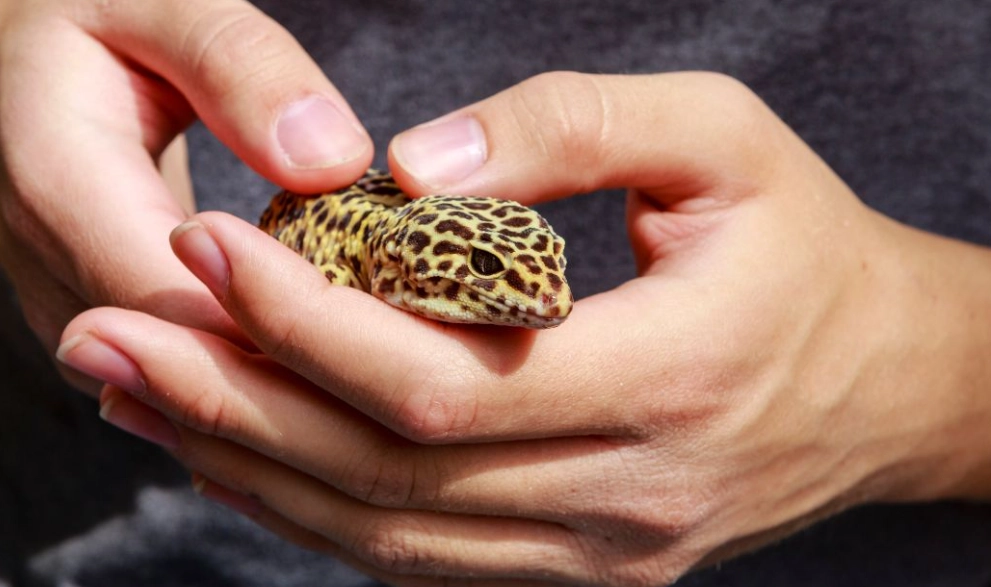
| Leopard Gecko | Scoop from below | Daily (if tame) | Biting if scared |
| Tokay Gecko | Avoid handling—use gloves if needed | Rarely | Aggressive bites |
For crested geckos, I use the "cup method": place your cupped hand in the tank and let them explore. It builds trust. Leopard geckos are easier; slide your hand under their belly, supporting all four legs. Never grab by the tail—it can detach. I learned that the hard way with a juvenile that lost its tail during a clumsy pickup.
Top Mistakes in Reptile Handling (And How to Avoid Them)
Here are the blunders I see most often, even from experienced keepers.
Mistake 2: Using Scented Lotions. Your hands should be clean and odor-free. A colleague once used lavender hand cream, and her gecko avoided her for weeks.
Mistake 3: Overhandling. It’s tempting to show off your pet, but limit sessions. Chameleons especially need downtime. I recommend a calendar: mark handling days to keep it consistent.
Mistake 4: Ignoring Body Language. If your reptile is hiding or hissing, skip handling that day. Forcing it breaks trust. I’ve rehabbed rescues that were mishandled, and it takes months to rebuild.
Your Burning Questions Answered
 Handling chameleons and geckos is a skill that blends patience and observation. It’s not about dominating them but collaborating. Start slow, watch their cues, and you’ll build a bond that keeps both of you happy. If you’re ever unsure, consult a vet or resources like the Reptile Magazine website for updates on best practices. Remember, every reptile is an individual—what works for one might not for another. Trust your instincts, but always put their well-being first.
Reader Comments