So you're eyeing that stunning blue leopard gecko at the pet store or online, and you're hooked. I get it—the slate-gray and blue hues are mesmerizing, almost like a living piece of art. But here's the thing: these aren't your average beginner reptiles. I've kept leopard geckos for over a decade, and the blue morphs come with nuances that most care sheets gloss over. Let's cut through the noise and dive into what it really takes to keep one thriving.
What's Inside This Guide
What Exactly is a Blue Leopard Gecko?
First off, let's clear up a common misconception. "Blue leopard gecko" isn't a separate species—it's a color morph of the common leopard gecko (Eublepharis macularius). The blue tint comes from selective breeding that enhances cool gray and lavender tones, often seen in morphs like the "Mack Snow" or "Blizzard" lines. I remember chatting with a breeder who pointed out that the blue can fade if the gecko is stressed or kept in subpar conditions. That's why proper care is non-negotiable.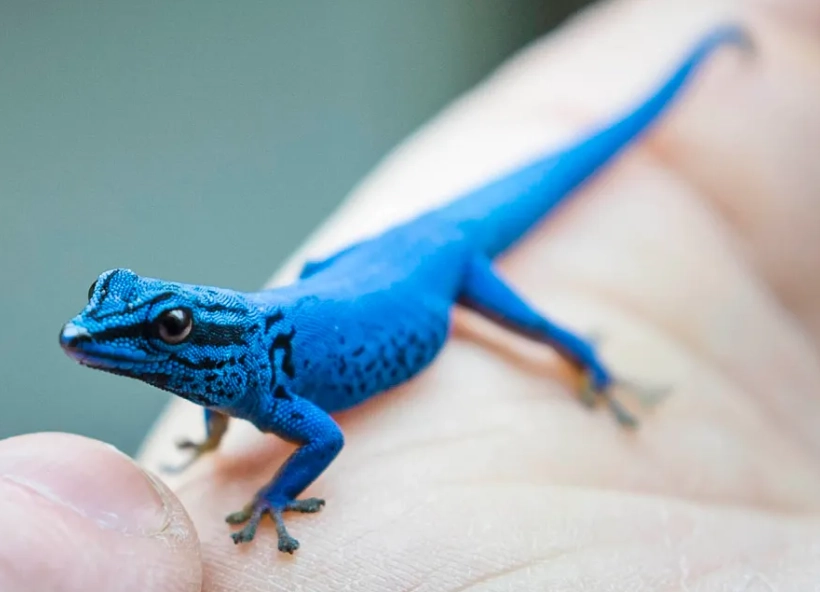
Genetics and Morphs: Why It Matters
If you're buying from a breeder, ask about the lineage. Some blue morphs are prone to genetic issues like enigma syndrome, a neurological disorder that causes head tilting and circling. I once adopted a rescue with this condition—it required extra patience and a simplified habitat to prevent disorientation. Always opt for reputable sources, like breeders listed on the Reptiles Magazine directory, to avoid pitfalls.
Setting Up the Perfect Habitat: A Step-by-Step Breakdown
This is where most new owners slip up. A blue leopard gecko needs more than a tank with a heat lamp. Think of it as crafting a mini ecosystem.
Temperature and Lighting: The Hidden Details
Leopard geckos are crepuscular, meaning they're active at dawn and dusk. They don't need UVB lighting if you're supplementing with vitamin D3, but I've found that low-level UVB (like a 5% bulb) can boost their overall vitality. The temperature gradient is critical: a warm side at 88-92°F (31-33°C) and a cool side at 75-80°F (24-27°C). Use an under-tank heater on one side, not a heat rock—those can cause burns. I learned this the hard way when a gecko got a minor scorch; now I always pair heaters with thermostats.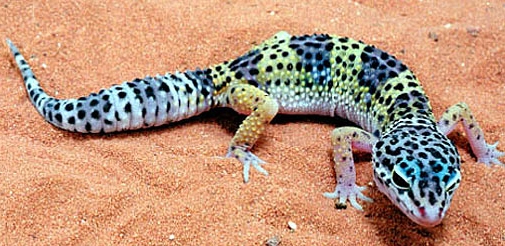
Substrate and Decor: Avoiding Impaction Risks
Skip the sand. Seriously, even if it's marketed as "reptile-safe." Impaction from ingested substrate is a leading cause of death in captive geckos. I use slate tiles or paper towels for juveniles, and for adults, a mix of topsoil and play sand (70/30 ratio) if you're going natural. Add hides: one on the warm side, one on the cool side, and a humid hide for shedding. A humid hide can be as simple as a plastic container with damp sphagnum moss—my geckos love it during shed cycles.
Pro tip: Monitor humidity with a digital hygrometer. Aim for 30-40% generally, but bump it to 50-60% in the humid hide. Too dry, and shedding becomes a nightmare; too wet, and you risk respiratory infections.
| Habitat Component | Recommended Option | Why It Works |
|---|---|---|
| Enclosure Size | 20-gallon long tank minimum | Provides ample floor space for exploration and temperature gradient. |
| Heating | Under-tank heater + thermostat | Mimics natural belly heat, prevents overheating. |
| Substrate | Slate tiles or paper towels | Safe, easy to clean, reduces impaction risk. |
| Hides | Three minimum (warm, cool, humid) | Reduces stress, supports natural behaviors. |
Diet and Feeding: Beyond Crickets and Mealworms
Feeding a blue leopard gecko isn't just about tossing in insects. Variety is key to preventing nutritional gaps. I rotate between crickets, dubia roaches, and black soldier fly larvae. Mealworms are fine occasionally, but they're high in fat and chitin—think of them as junk food.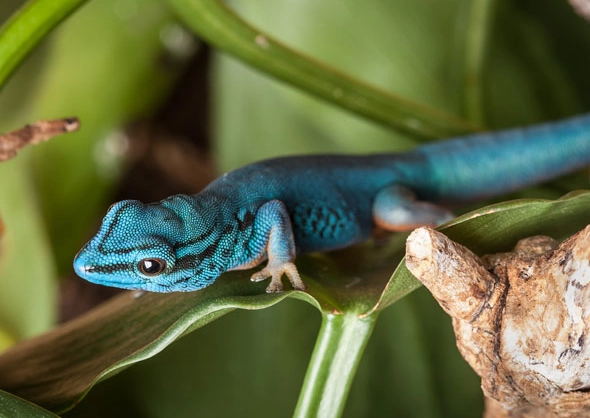
Live Insects and Supplements: A Balanced Approach
Gut-load your insects 24 hours before feeding. That means feeding them nutritious veggies like carrots and leafy greens, so your gecko gets those nutrients indirectly. Dust insects with calcium powder (without D3) at every feeding, and with a multivitamin once a week. For D3, if you're not using UVB, use a calcium supplement with D3 twice a month. Over-supplementing D3 can lead to toxicity, so keep a log. I use a simple spreadsheet to track feedings.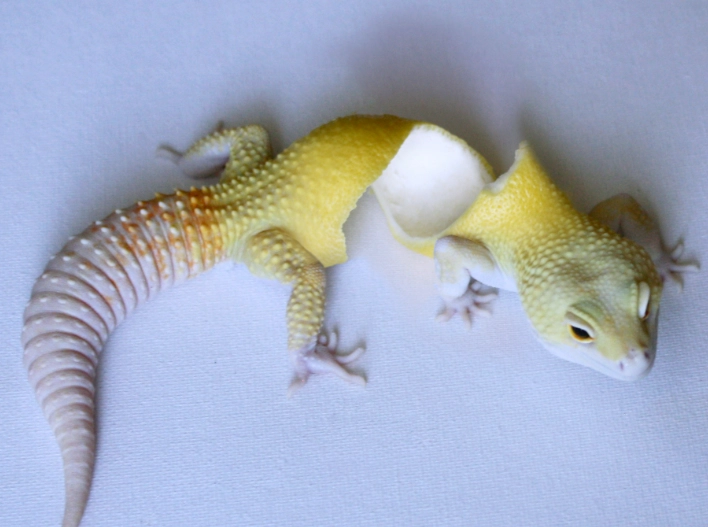
Juveniles eat daily, adults every other day. Offer as many insects as they'll eat in 10 minutes. Watch for overfeeding—obesity is common in captive geckos and strains their organs.
Health and Wellness: Spotting Trouble Before It's Too Late
Blue leopard geckos are hardy, but they hide illness well. Regular checks are your best defense.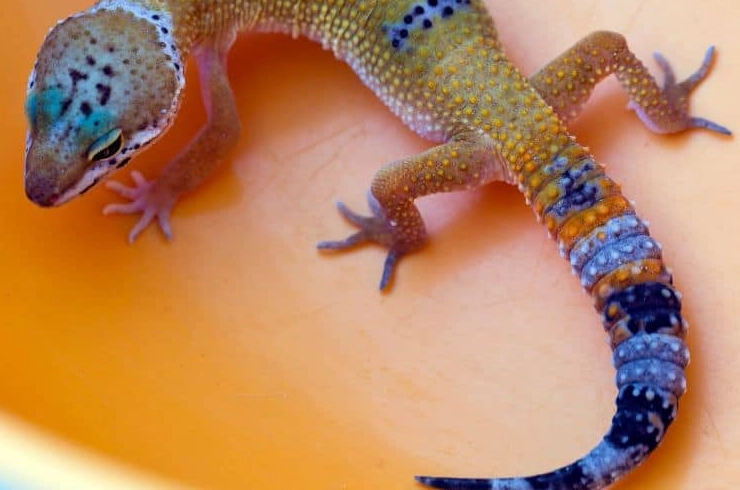
Signs of Illness to Watch For
Weight loss is a red flag. Weigh your gecko monthly with a kitchen scale; a sudden drop could mean parasites. Stuck shed, especially on toes, can lead to necrosis if ignored. I've had to do gentle soaks to remove retained shed—it's stressful but necessary. Lethargy, sunken eyes, or runny stools warrant a vet visit. Find a reptile-savvy vet through the Association of Reptilian and Amphibian Veterinarians directory.
Common issues include metabolic bone disease (from calcium deficiency) and cryptosporidiosis (a parasitic infection). Quarantine new geckos for at least 30 days to prevent spread. I learned this after introducing a gecko that brought in mites—it took weeks to eradicate them.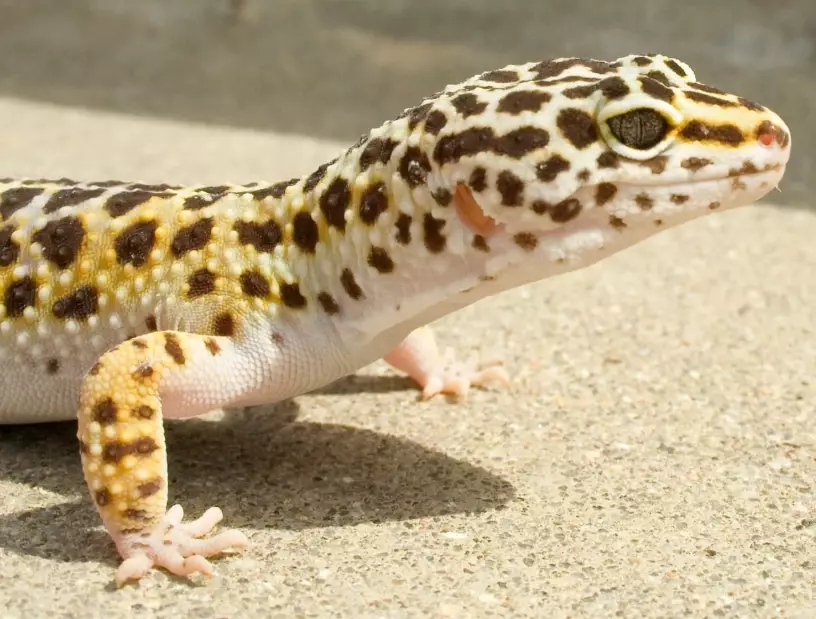
Frequently Asked Questions (FAQs)
Keeping a blue leopard gecko is a rewarding journey, but it demands attention to detail. From the habitat's temperature gradients to the variety in their diet, every choice impacts their well-being. Don't just follow generic advice—observe your gecko, adjust as needed, and enjoy the process. After all, that shimmering blue companion is worth the effort.
Reader Comments