If you're asking "are leopard geckos easy to take care of?", the short answer is a qualified yes. They're widely recommended as one of the best beginner reptiles for good reason. But that "easy" label comes with some crucial fine print. After keeping these lizards for over a decade, I've seen the full spectrum—from thriving geckos in simple setups to struggling ones due to subtle mistakes most care sheets gloss over. Let's get real about what "easy" actually means for a leopard gecko.
What's Inside This Guide?
Why Leopard Geckos Get the "Easy" Reputation
There are solid reasons these spotted lizards are a gateway into reptile keeping. Compared to many other pets, their demands are pretty straightforward.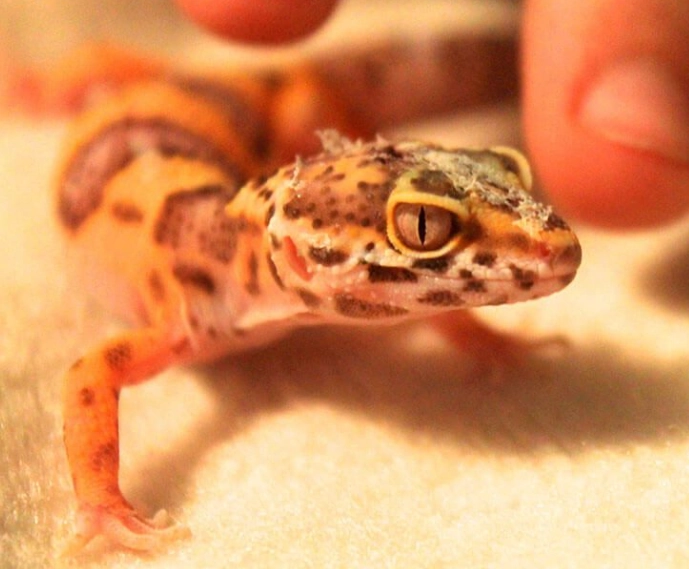
Their temperament is usually fantastic. They're not skittish like some geckos. With gentle handling, they become calm and tolerate interaction well. You won't find yourself chasing a lightning-fast lizard around the room.
Their diet is simple. They're insectivores. You're not mixing complicated salads or sourcing rare prey. A diet of crickets, mealworms, and dubia roaches (where legal) covers it. No live vertebrate feeding, which is a hurdle for some snake owners.
Cleaning is manageable. They have a specific spot where they go to the bathroom, usually in a corner. Spot cleaning that area daily takes seconds. A full tank clean every few weeks is enough.
Space requirements are modest. A single adult is perfectly happy in a 20-gallon long tank (30" x 12" x 12"). You don't need a room-sized enclosure.
They're quiet and odorless. No barking, squawking, or lingering smells if you keep up with waste.
They live a long time. With proper care, 15-20 years is common. That's a pro for commitment, but a con if you view pets as short-term.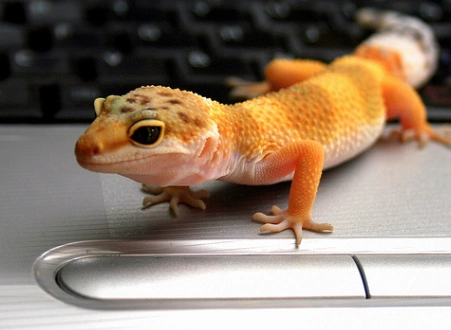
The Bottom Line: For someone willing to learn the basics of reptile husbandry—specifically heating and feeding—a leopard gecko presents fewer ongoing challenges than a dog, cat, bird, or even many fish. The initial setup is the biggest hurdle.
The Reality Check: It's Not Zero Maintenance
Calling them "easy" can set the wrong expectation. It's more accurate to call them "straightforward" for a reptile. Here's where new owners often get tripped up.
Heating isn't optional, it's critical. This is the number one point of failure. Leopard geckos are ectotherms. They can't digest their food without belly heat. An under-tank heater (UTH) connected to a thermostat is non-negotiable. Not a heat rock, not an overhead lamp that dries out the air (usually), but a regulated UTH creating a warm spot of about 88-92°F. The rest of the tank can be room temperature. Getting this wrong leads to impacted food, lethargy, and a slow decline.
They can be picky eaters, especially when stressed. A new gecko might refuse food for a week or two after moving in. Juveniles sometimes go off food before a shed. It's normal, but it worries every new owner. You also need to "gut-load" their insects (feed the bugs nutritious food) and dust them with calcium and vitamin supplements. It's an extra step.
You have to deal with live insects. This is a dealbreaker for some. You need to buy crickets or worms regularly, keep them in their own container, and feed them. It's not like pouring kibble into a bowl.
Vet care is specialized and can be expensive. You need an exotics vet, not a standard cat-and-dog clinic. A checkup or treatment for metabolic bone disease (from poor nutrition/lighting) costs real money.
The Non-Negotiable Shopping List
Before you bring a gecko home, have this ready. Skipping any of these is setting up for problems.
| Item | Specifics & Why It Matters |
|---|---|
| Enclosure | 20-gallon long tank minimum for one adult. Bigger is always better. Front-opening terrariums are great for access. Secure screen top to prevent escapes. |
| Heating | Under-tank heater (UTH) sized for 1/3 of the tank floor. Digital thermostat with a probe to control it. This combo prevents burns and ensures perfect temperature. A digital thermometer with a probe to check the warm spot surface temp. |
| Substrate | Paper towel for beginners (safest, easiest). Tile or a reptile carpet are other safe options. Avoid loose sand, especially calcium sand, which causes fatal impaction. |
| Hides | Three minimum: A warm hide over the UTH, a cool hide on the opposite end, and a humid hide (filled with damp sphagnum moss or paper towel) in the middle to aid shedding. |
| Water & Food Dishes | Shallow water dish for fresh water daily. Escape-proof food dish for worms (crickets will jump out). |
| Food & Supplements | Live insects (crickets, mealworms, dubia roaches). Calcium powder (without D3) in a tiny dish in the tank. Calcium powder with D3 and a multivitamin for dusting insects 2-3 times a week. |
Notice what's not on the must-have list? Fancy UVB lighting. While providing low-level UVB (like a ShadeDweller kit) is increasingly seen as beneficial and more natural, many leopard geckos have thrived for decades without it, as long as they get their D3 from supplements. It's an upgrade, not a core requirement for survival. The heating, however, is absolutely core.
5 Beginner Mistakes You Can Avoid (From Experience)
Most care guides list the basics. Here are the nuanced errors I see repeatedly that turn an "easy" pet into a headache.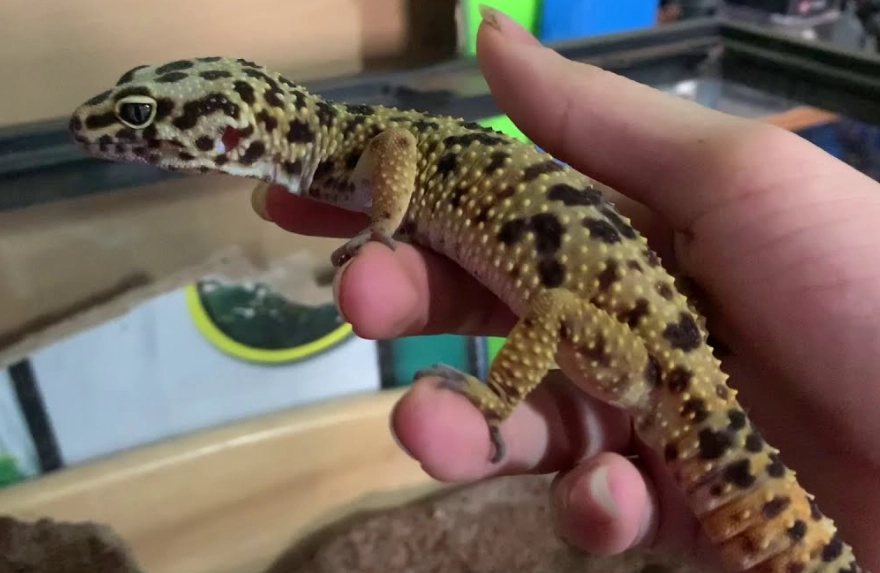
1. Overfeeding and the Obesity Problem
Leopard geckos will beg. They'll come to the glass when they see you. It's cute, and it's easy to think "oh, you're hungry!" and drop in more bugs. An adult leopard gecko only needs to eat 2-3 times a week, about 5-7 appropriately sized insects per feeding. A fat gecko isn't a healthy gecko. They store fat in their armpits and tail base. If those areas get bulgy, cut back. Obesity leads to fatty liver disease and shortens their lifespan.
2. Misunderstanding the Heat Mat
Plugging the UTH directly into the wall is dangerous. Without a thermostat, it can overheat to 120°F+ and cause severe burns. The thermostat probe must be sandwiched between the mat and the outside bottom of the glass, or fixed with a dab of hot glue to the floor inside the tank right above the mat. Don't just let it dangle in the air.
3. The "Calcium Dish" Neglect
You know to dust insects. But leaving a small bottle cap of plain calcium (without D3) in the enclosure is a game-changer. Geckos will lick it as they feel the need. It's an easy safeguard against metabolic bone disease, especially for growing juveniles and gravid females who have higher demands.
4. Wrong Substrate Sentimentality
People want a naturalistic desert look and reach for sand. Don't. Even if they "seem fine" for months, impaction risk is constant. Loose substrate can also harbor bacteria if waste isn't removed instantly. Stick with solid substrates for your first year. Once you're a pro, a mix of topsoil and playsand can work, but start simple.
5. Housing Multiple Males (or Even Females Unprepared)
Never house two male leopard geckos together. They will fight, often to the death, and it's not always obvious until one is severely injured. Females can sometimes be cohabitated if raised together and in a very large enclosure with multiple of everything (hides, food bowls). But it's not necessary and can cause stress. One per tank is the safest, easiest rule.
My Personal Take: The "easy" part is the daily routine once you're set up. The "hard" part is nailing that initial setup perfectly and resisting the urge to over-complicate or anthropomorphize their needs. Get the heating, feeding, and supplements right from day one, and everything else falls into place.
Your Leopard Gecko Questions Answered
So, are leopard geckos easy to take care of? For a reptile, absolutely. They're a fantastic introduction to cold-blooded pets. But easy doesn't mean thoughtless. It means their needs are consistent, learnable, and manageable with a bit of preparation. If you're willing to invest in the right equipment upfront and commit to their simple but specific feeding and heating regimen, you'll be rewarded with a fascinating, long-lived, and charming little companion. The ease comes from consistency, not from absence of care.
Reader Comments