Let's cut to the chase. You're asking "can African fat tailed geckos live together?" because you're thinking about getting a second one, or you've seen them cohabitated in a pet store. The short, expert answer is this: It's strongly discouraged and often ends badly. Unlike some social reptiles, African fat-tailed geckos (AFTGs) are solitary, territorial creatures. Forcing them to share space is a recipe for stress, injury, and even death. This isn't just internet hearsay; it's based on their fundamental biology and behavior observed by breeders and keepers for decades.
What You'll Learn
Why Cohabitation Is So Risky for AFTGs
Thinking of putting two AFTGs together is like forcing two introverts who hate sharing to live in a single studio apartment. It's not a matter of if problems will arise, but when. Here’s what's really going on.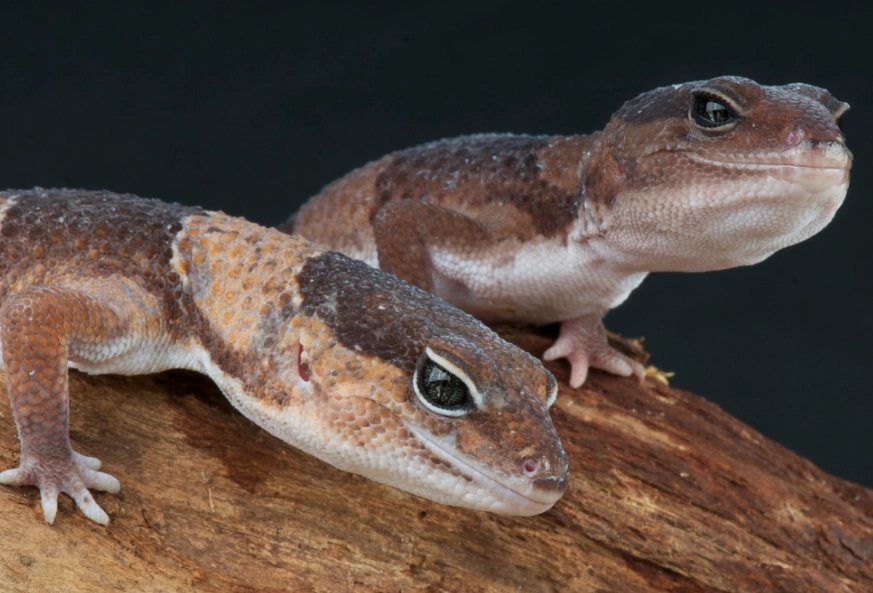
They Are Not Social Animals
This is the core misconception. In the wild, AFTGs lead solitary lives, interacting only for breeding. They don't form packs, colonies, or family groups. There is zero evolutionary benefit for them to enjoy company. A study published in the journal Herpetologica on lizard spatial ecology consistently shows that many terrestrial geckos are highly territorial. That "cuddling" you might see? It's almost always one gecko dominating the prime basking spot or hide, with the subordinate one squeezed out, leading to chronic stress.
The Three Big Dangers: Aggression, Stress, and Resource Hogging
Problems manifest in three clear, often overlapping ways:
Aggression & Injury: Tail loss (autotomy) is the most common sign. It's not just a harmless drop; it's a severe stress response and a massive energy loss for the gecko. Bites on the body, head, and limbs can cause serious wounds that become infected.
Chronic Stress: Even without visible fights, the subordinate gecko lives in constant fear. This suppresses its immune system, leading to weight loss, refusal to eat (anorexia), and susceptibility to diseases like parasitic outbreaks.
Resource Competition: One gecko will monopolize the best hide, the optimal temperature gradient, and the food. The other gets the leftovers, leading to improper thermoregulation and malnutrition.
I've seen a case where a keeper had two females together "peacefully" for eight months. Then, one suddenly started refusing food. Upon separation, the "healthy" one had been subtly bullying the other at night, preventing access to the humid hide. The stressed gecko was severely dehydrated and had early signs of metabolic bone disease from lack of proper basking. The damage was silent but devastating.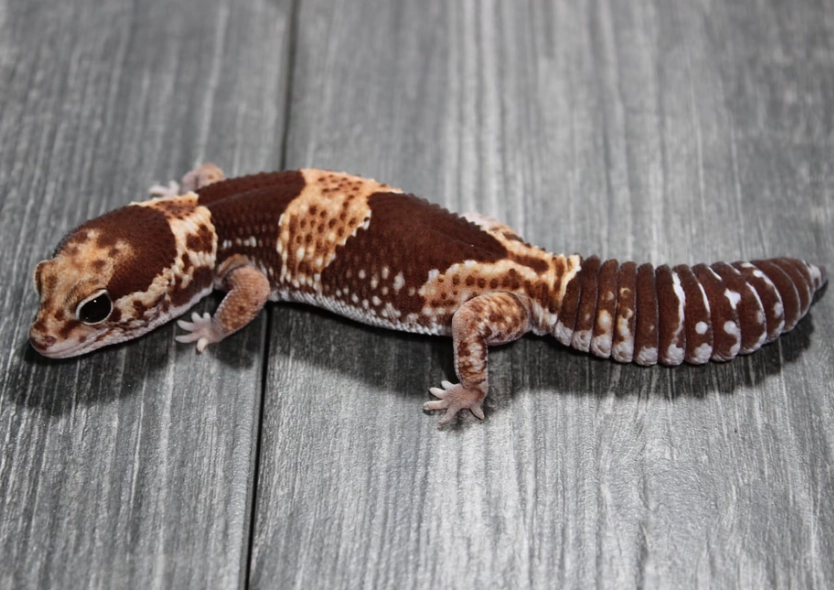
If You *Must* Cohabitate: The Non-Negotiable Rules
I personally strongly advise against it. But if you are determined to try, perhaps for breeding purposes (which still requires careful, temporary introduction), these rules are not suggestions—they are mandatory for any chance of success. Ignoring one is asking for trouble.
The Only Semi-Acceptable Combination: One male with multiple females. Never house two males together—they will fight. Never house a male and female together unless you are prepared for constant breeding and the associated health risks for the female. Female-only groups are sometimes attempted but still carry significant risk of bullying.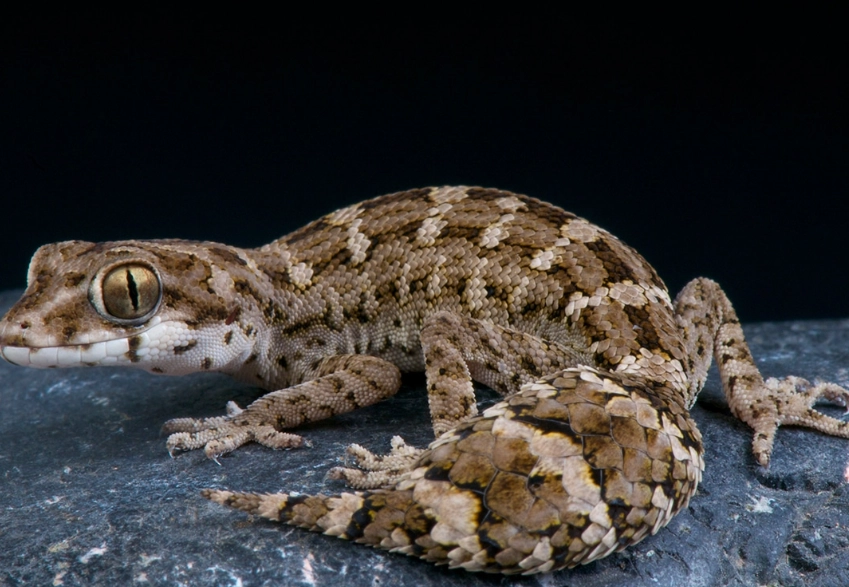
Enclosure Size is Everything: A standard 20-gallon tank is for one AFTG. For a group, you need a massive, custom-built enclosure. Think 75 gallons absolute minimum for a trio (1 male, 2 females). More space is always better. This allows for multiple, fully separated resource stations.
Duplicate Every Single Resource: This is the mistake almost every beginner makes. You need multiple identical warm hides, cool hides, and humid hides placed at opposite ends of the tank. You need multiple feeding dishes, placed far apart. You need multiple water bowls. The goal is to make it impossible for one gecko to guard all access points to a critical resource.
Intense Monitoring & Immediate Separation Plan: You must weigh each gecko weekly. Any weight loss in one is the first red flag. Watch for any signs of tail nipping, hiding all the time, or being displaced from areas. Have a second, fully set-up quarantine tank ready to go at a moment's notice. The moment you see trouble, you separate them permanently. There are no second chances.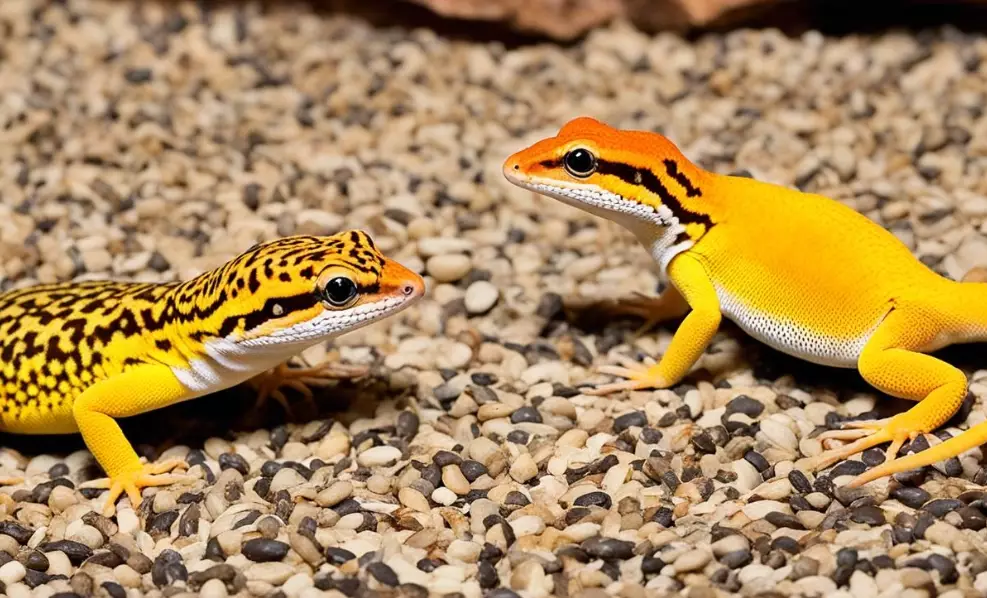
Safer Alternatives to Full Cohabitation
Want your geckos to see each other without the risk? There are better ways.
Side-by-Side Enclosures: Place two separate tanks next to each other. They can see and sense each other, which provides some visual stimulation without physical risk. This is my recommended setup for keepers who want multiple geckos.
Divided Large Enclosures: Using a secure, opaque divider in a very large tank (e.g., a 120-gallon) can create two independent habitats. This ensures identical thermal gradients and humidity for both, but requires expert-level setup to prevent any chance of the divider being breached.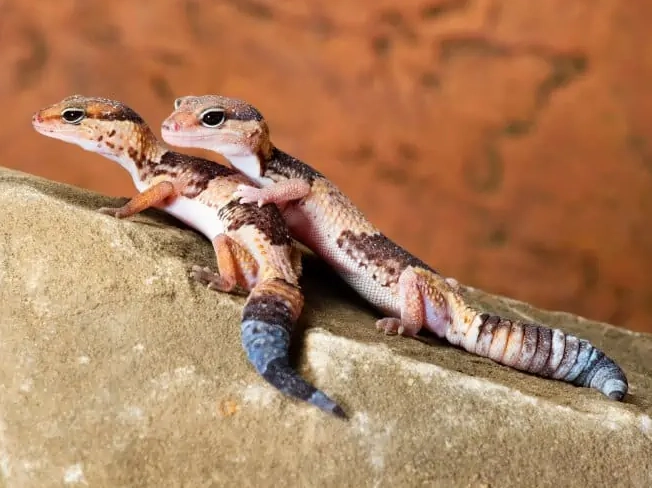
Building the Perfect Solo Enclosure: Key Parameters
Instead of focusing on cohabitation, channel that energy into creating a palace for a single, thriving gecko. Here are the non-negotiable specs, based on care guidelines from authorities like Reptifiles and the LLLReptile care library.
| Parameter | Specification | Why It Matters |
|---|---|---|
| Tank Size (Minimum) | 20-gallon long (30" x 12" x 12") | Provides adequate floor space for a thermal gradient (warm side to cool side). Bigger (36" x 18" x 18") is highly recommended. |
| Heating | Under-tank heater (UTH) on a thermostat. Warm side: 88-90°F (31-32°C). Cool side: 75-78°F (24-26°C). | UTH provides belly heat for digestion. A thermostat is mandatory to prevent burns. No heat rocks. |
| Humidity & Hydration | Humid hide with moist sphagnum moss (70-80%). Overall ambient humidity 40-60%. Fresh water bowl always available. | Critical for proper shedding. Dehydration is a common health issue in poorly set-up tanks. |
| Substrate | Paper towel, slate tile, or a bioactive mix. Avoid loose sand for juveniles. | Safety first. Paper towel is best for monitoring health. Bioactive is advanced but excellent for enrichment. |
| Hides & Enrichment | Minimum 3 hides: warm, cool, and humid. Add clutter like cork flats, plants, and climbable branches. | Hides reduce stress. Clutter provides exploration opportunities, mimicking their natural environment. |
A Real Case Study: Why It Went Wrong
Let me tell you about "Sam." Sam had a 40-gallon breeder tank and thought it was huge enough for two female AFTGs he got at an expo. He followed some online advice and provided two hides. For six months, things seemed fine. Both ate, though one was always slightly smaller. Then, the smaller one dropped its tail overnight. Sam found it hiding in the water bowl, stressed. He separated them immediately. The injured gecko took months to recover, its tail regrowing stumpy and uneven. The "dominant" gecko, now alone, actually became more active and started eating more consistently.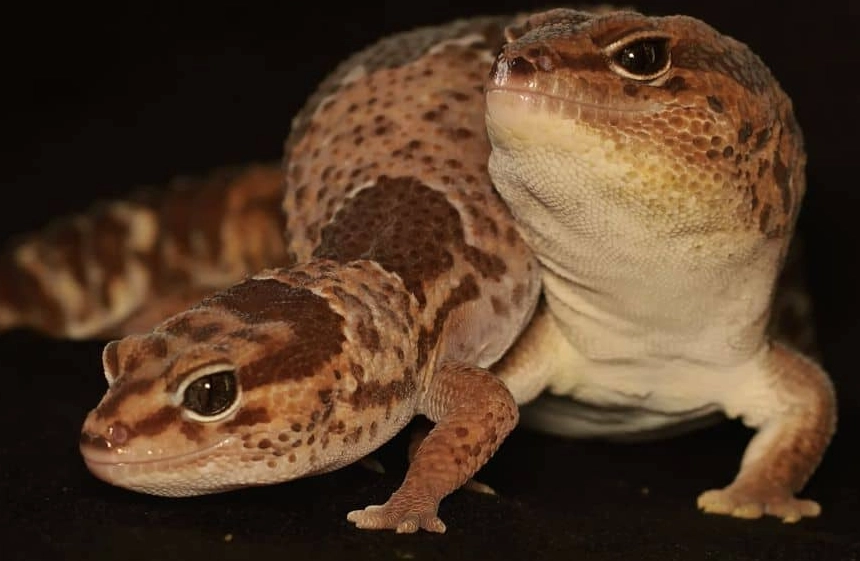
Sam's mistakes? 1) A 40-gallon is not enough for two, even for females. 2) Two hides are not enough—he didn't have duplicate warm and cool hides. 3) He missed the subtle signs: the slight size difference and the fact that one gecko always seemed to be in the "less ideal" hide. The tank was a time bomb.
Expert FAQ: Your Specific Questions Answered
This is one of the most dangerous ideas. The size difference alone makes the baby vulnerable to being viewed as prey or being severely bullied, preventing access to food and heat. Juveniles should always be housed separately to ensure proper growth and zero stress.
Apparent peace is often just an unstable truce. The lack of overt aggression doesn't mean there's no stress. Weigh them separately every week. If one is consistently gaining less weight or is always in the sub-optimal hide, you're seeing the effects of chronic, low-level stress. Separation will almost always improve the well-being of both animals.
Watch for these subtle red flags long before a tail drops: 1) One gecko consistently claiming the warm hide, forcing the other to the cool side. 2) "Pancaking" or flattening their body when the other approaches (a submissive/defensive posture). 3) One gecko always eating first or more aggressively, while the other hesitates. 4) Any change in fecal output or consistency for one animal. These are your cues to separate immediately.
Absolutely not. This is a practice called "commingling" and is widely condemned by expert herpetologists. Different species have different humidity, temperature, dietary, and behavioral needs (e.g., crested geckos are arboreal, AFTGs are more terrestrial). They can transmit species-specific parasites and pathogens to each other, causing severe illness. Always house reptile species in separate, species-appropriate enclosures.
The bottom line is clear. While the question "can African fat tailed geckos live together" has a technical answer of "sometimes, under strict conditions," the ethical and practical answer is to provide them with the solitary life they are hardwired for. Investing in a proper solo setup is the single best thing you can do for your gecko's health, longevity, and temperament. You'll have a calmer, healthier pet, and you'll avoid the heartache of dealing with preventable injuries. Give them their own space—they'll thank you for it.
Reader Comments