Jump to What Matters
If you're searching for what size tank for a crested gecko is best, stop overthinking it. After a decade of breeding and caring for these creatures, I'll give it to you straight: a 20-gallon tall tank is the bare minimum for one adult, but aim for 30 gallons or more. Anything smaller, and you're setting your pet up for stress. Let's break down why this isn't just a suggestion—it's crucial for their well-being.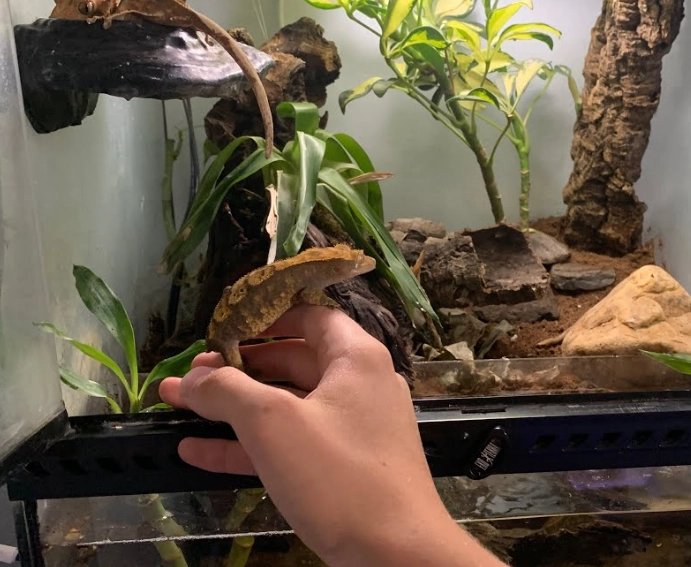
Why Tank Size Matters for Crested Geckos
Crested geckos aren't ground dwellers; they're arboreal. In the wild, they live in New Caledonia's forests, climbing trees and hiding in foliage. A tiny tank cramps their style. I've seen geckos in small enclosures develop what I call "cage rage"—they stop eating, pace constantly, or drop their tails. One of my early mistakes was keeping a juvenile in a 10-gallon tank too long; it never grew to its full size until I upgraded.
Space affects everything: temperature gradients, humidity levels, and exercise opportunities. A cramped habitat can lead to obesity because they can't move around. It's like living in a closet versus a studio apartment. You need room for climbing structures, plants, and hiding spots.
The Impact on Health and Behavior
Here's something most care sheets gloss over: vertical space is non-negotiable. Crested geckos use height for thermoregulation and security. A tank that's too short forces them to stay low, which stresses them out. I recommend at least 18 inches of height—anything less, and you're limiting their natural behaviors.
Poor enclosure size can also mess with humidity. Small tanks dry out faster, making it hard to maintain the 60-80% humidity they need. This leads to shedding problems. I once helped a friend whose gecko had stuck shed all the time; turns out, their 15-gallon tank was too small to hold moisture properly.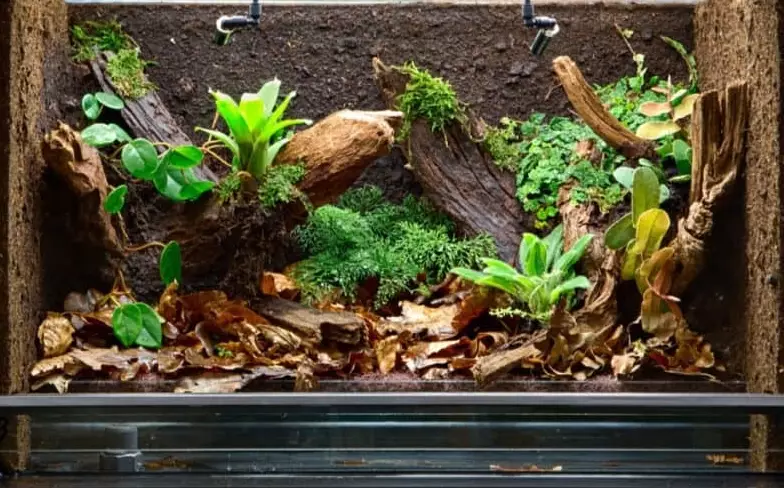
Recommended Tank Sizes by Age and Number
Don't guess—use these numbers based on my experience and guidelines from trusted sources like Reptile Magazine. Volume matters, but dimensions are key. Gallons are a common measure, but terrarium sizes in inches are often better for planning.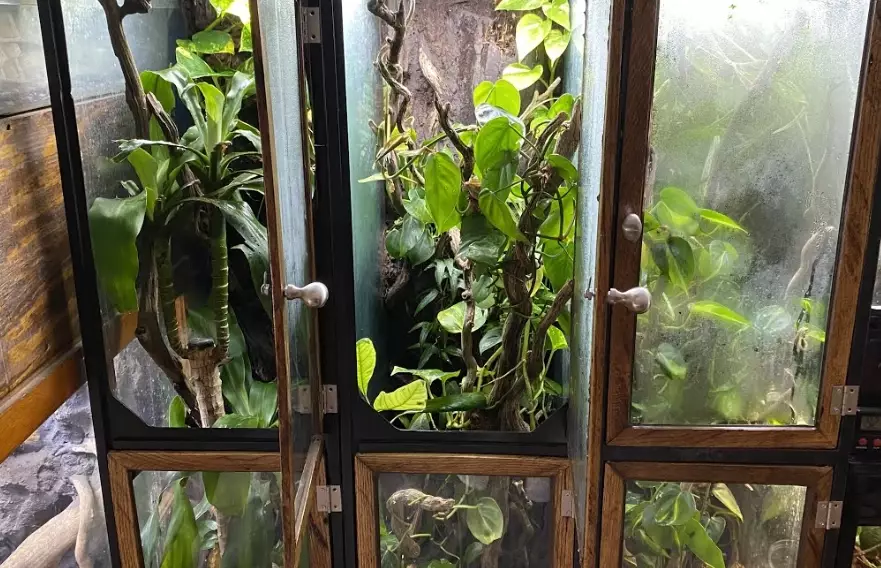
| Age/Number of Geckos | Minimum Tank Size | Ideal Tank Size | Notes |
|---|---|---|---|
| Juvenile (under 6 months) | 10-gallon tall or 12x12x18 inches | 15-gallon tall or 18x18x18 inches | Smaller tanks are okay temporarily, but upgrade quickly. |
| Single Adult | 20-gallon tall or 18x18x24 inches | 30-gallon tall or 24x18x24 inches | This is where most people undershoot. Go bigger if you can. |
| Pair or Small Group (2-3) | 30-gallon tall or 24x18x24 inches | 40-gallon tall or 36x18x24 inches | Only house females together; males will fight. More space reduces aggression. |
Notice the emphasis on height. A 20-gallon long tank (30 inches long but only 12 inches tall) is worse than a 20-gallon tall (24 inches tall). Crested geckos need to climb, not run.
For custom enclosures, aim for dimensions like 18x18x24 inches as a starting point. That's roughly 33 gallons in volume and works well for one adult. If you're DIY-inclined, PVC cages are great for humidity retention.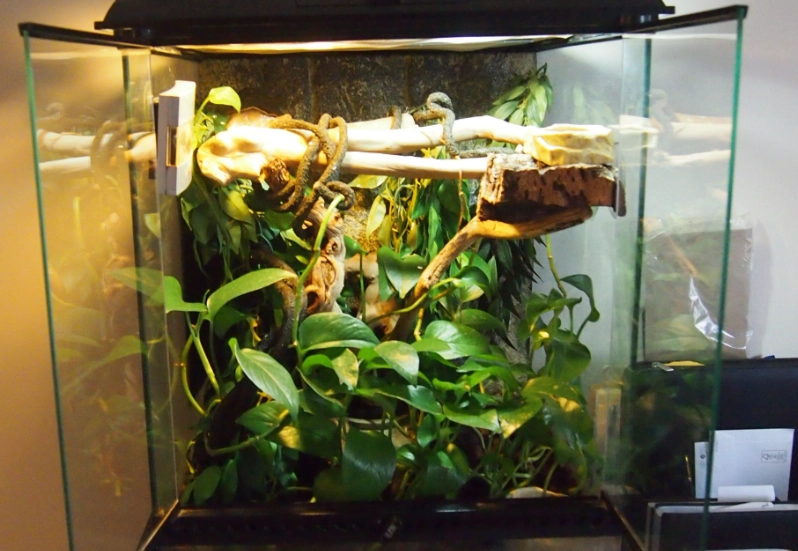
How to Set Up the Perfect Crested Gecko Enclosure
Size is just the first step. A big, empty tank isn't much better than a small one. You need to fill it right. Start with the substrate—I prefer coconut fiber because it holds moisture and is safe if ingested. Avoid sand or gravel; they can cause impaction.
Next, add vertical elements. Branches, vines, and cork bark tubes are essential. I like to create a "jungle gym" effect with multiple levels. Fake plants work, but live plants like pothos or bromeliads can boost humidity and look amazing. Just ensure they're non-toxic.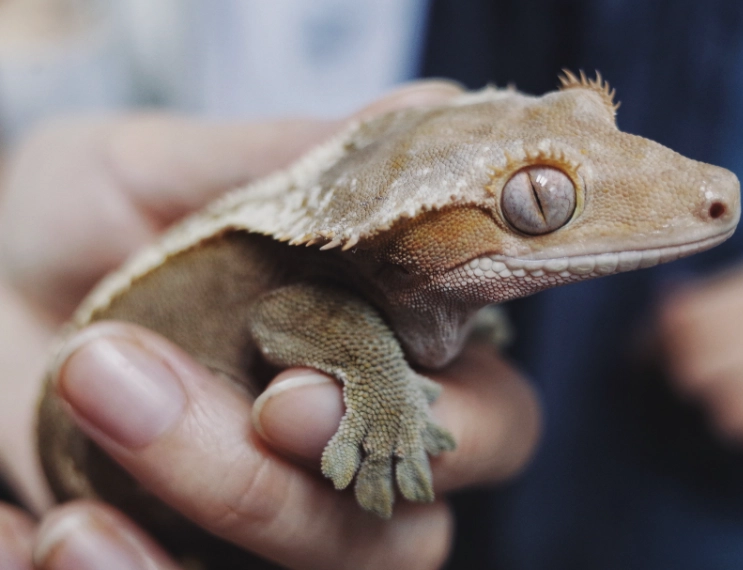
Essential Equipment and Decor
Here's a quick list of must-haves:
- Climbing structures: Use driftwood or bamboo. Secure them well—geckos are clumsy climbers and can fall.
- Hiding spots: At least two hides, one high and one low. They feel safer with options.
- Humidity control: A misting bottle or automatic mister. I use a timer-based system to keep levels steady.
- Lighting and heat: Crested geckos don't need intense heat; room temperature (72-78°F) is fine. UVB lighting is debated, but I've seen healthier geckos with low-level UVB. It mimics natural sunlight.
- Food and water dishes: Elevated dishes prevent substrate contamination.
Setting this up might cost $200-$500 depending on tank size and decor. But skimping leads to problems later. I learned this the hard way when a cheap screen top rusted and collapsed.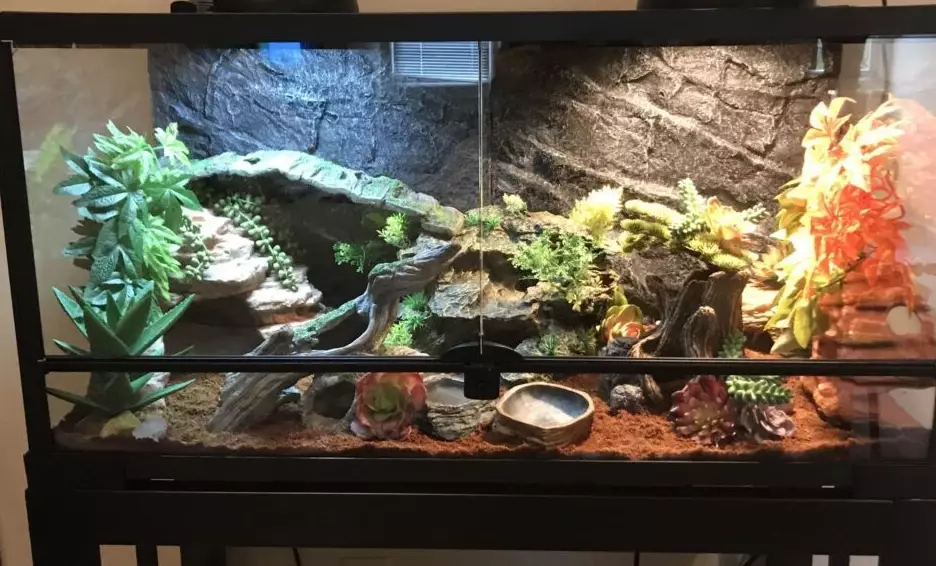
Common Mistakes to Avoid When Choosing a Tank
New owners often make these errors. I've made some myself early on.
Mistake 1: Prioritizing cost over size. A smaller tank seems cheaper upfront, but stress-related vet visits add up. I've spent more on treating a gecko with metabolic bone disease from poor habitat than on a large tank.
Mistake 2: Ignoring ventilation. Glass tanks with solid lids trap moisture, leading to mold. Screen tops are better, but in dry climates, you might need to cover part of it. Balance is key.
Mistake 3: Using fish tanks as-is. Standard aquariums are often too wide and not tall enough. Convert them by adding vertical decor, but it's better to buy a terrarium designed for arboreal species.
Mistake 4: Not planning for growth. Juveniles grow fast. Start with a bigger tank to avoid frequent upgrades. I recommend going straight to a 20-gallon tall for a juvenile—it saves money and stress.
Mistake 5: Overcrowding decor. Too much stuff can limit movement. Leave open spaces for climbing. It's a habitat, not a storage unit.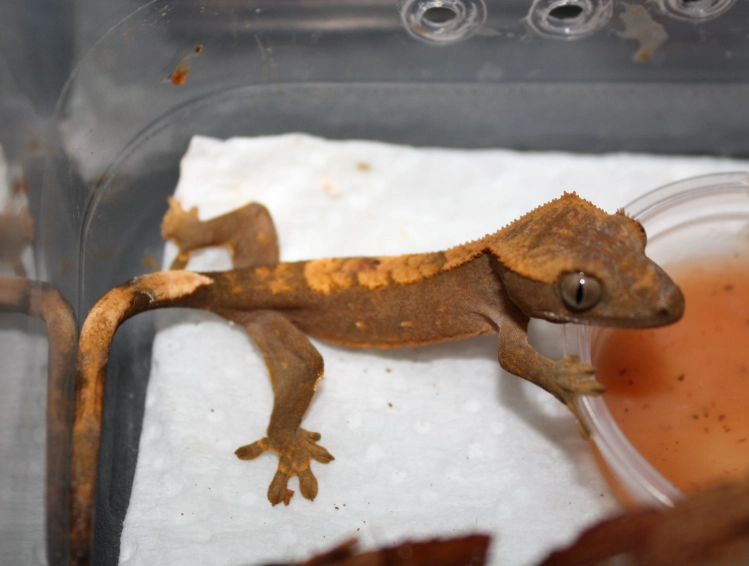
Reader Comments