Let's cut straight to the point. If you're searching "gold dust day gecko poisonous," you're likely worried, maybe after a surprise nip or just considering one as a pet. The short, definitive answer is no, the gold dust day gecko (Phelsuma laticauda) is not poisonous, venomous, or toxic to humans. There's zero scientific evidence or documented case of toxicity from this species. The concern usually stems from a mix-up with other animals, a general fear of reptiles, or the simple fact that their brilliant green and gold speckled skin looks like it could be warning coloration. But looks are deceiving here.
That said, labeling them as "completely harmless" is an oversimplification that misses the real risks of keeping these stunning lizards. The true dangers aren't from poison, but from bites that can get infected, potential allergic reactions, and the surprisingly high chance of your expensive pet making a permanent escape through a gap you didn't notice. I've kept day geckos for over a decade, and I've seen more people give up on them due to escape artists and stress-related issues than anything else. Focusing solely on the "poisonous" question means you might overlook the practical stuff that actually determines if you and your gecko thrive together.
What You'll Learn
The Truth About Gold Dust Day Gecko Bites
So they're not poisonous, but can they bite? Absolutely. A gold dust day gecko bite is a defensive move, not a predatory one. They have small, sharp teeth designed for gripping insects and scraping fruit. If you corner them, grab them roughly, or they mistake your finger for food, you might get nipped.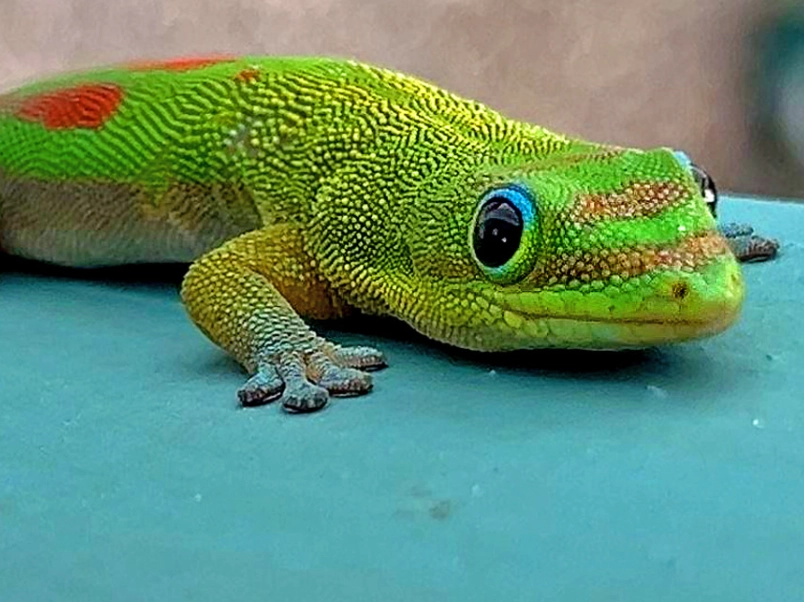
What does it feel like? Most people describe it as a sharp pinch or a paper cut—startling more than painful. It might bleed a tiny bit. The real issue isn't the bite force, but the aftermath.
The Hidden Risk: A gecko's mouth, like any animal's, harbors bacteria. The primary concern with any bite—cat, dog, or gecko—is infection. I knew a keeper who ignored a small bite on his knuckle. It got red, swollen, and painful within two days, requiring antibiotics. The culprit wasn't venom, but common bacteria like Salmonella or Staphylococcus that can be present in their mouths or on our skin. Always clean a bite immediately with soap and warm water, apply an antiseptic, and monitor it. If redness spreads, see a doctor.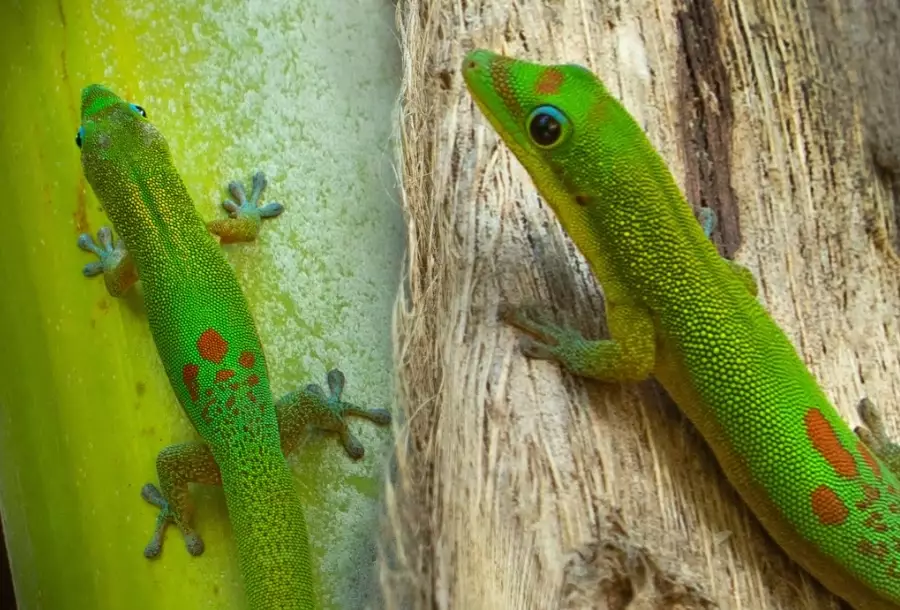
Could You Be Allergic to Your Gecko?
This is a rarely discussed but legitimate concern that gets lumped under the "poisonous" umbrella. Some people develop allergic reactions to reptile dander, saliva, or urine proteins. Symptoms can include itchy skin, red eyes, sneezing, or a rash where the gecko walked on you. It's not common, but it's possible. If you have known allergies to other animals, spend time near a day gecko before committing to owning one.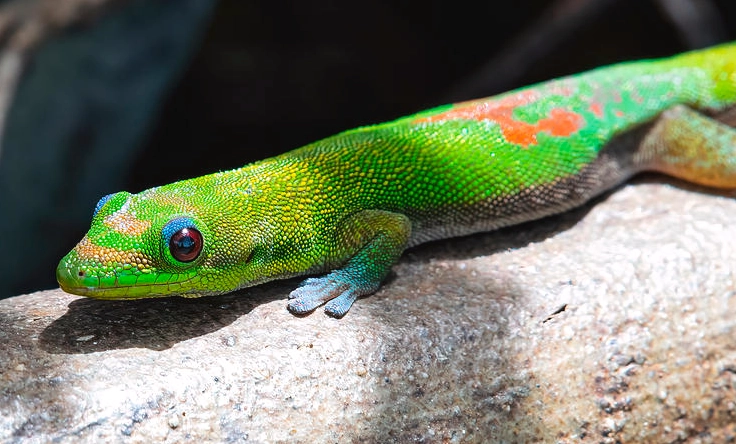
The Actual Risks of Keeping Gold Dust Day Geckos (It's Not Poison)
Let's move past the toxicity myth and focus on what actually matters for a successful experience. This table breaks down the real challenges.
| Risk Factor | Why It's a Problem | How to Mitigate It |
|---|---|---|
| Escape Ability | They are incredibly fast, flat, and can squeeze through gaps as small as 1/4 inch. A lost gecko rarely survives indoors. | Use a front-opening terrarium with a secure, locking mechanism. Seal any cable ports or vents. |
| Fragile Skin | Their skin is delicate and can tear if grabbed. This can lead to serious infection and is highly stressful for the gecko. | Never grab or restrain. Use gentle coaxing into a small container for handling. |
| Stress Sensitivity | High stress can lead to tail loss, refusal to eat, and a weakened immune system. | Provide ample hiding spots (cork bark, dense foliage), avoid loud noises/vibrations near the tank. |
| Zoonotic Disease (e.g., Salmonella) | Reptiles can carry bacteria harmless to them but problematic for humans, especially the young, elderly, or immunocompromised. | Always wash hands thoroughly with soap after any contact with the gecko or its habitat. Never kiss your gecko. |
Notice how "poison" isn't on that list. The biggest threat to the gecko is poor husbandry, and the biggest threat to you is usually poor hygiene or a careless moment that lets it vanish.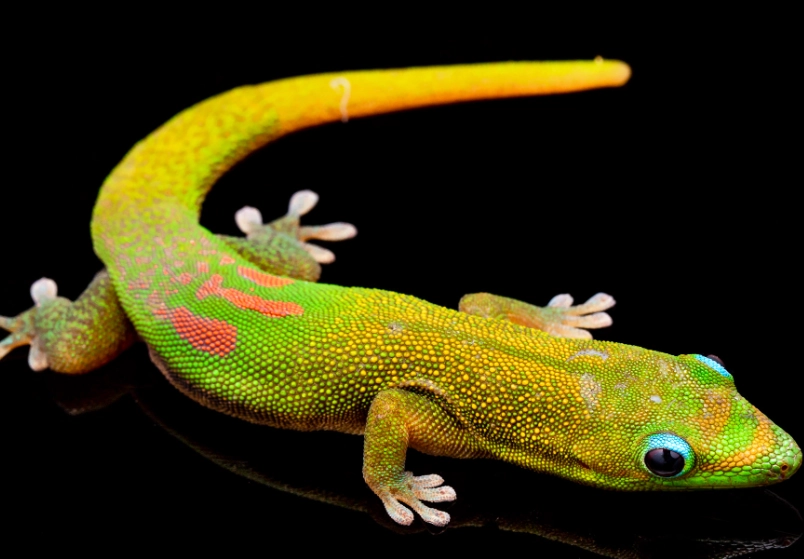
How to Handle a Gold Dust Day Gecko Safely (If You Must)
Day geckos are not "handleable" pets like a bearded dragon. They are display animals best observed. For necessary interactions (vet visits, enclosure cleaning), here's the expert method most beginners get wrong:
Don't chase. Trying to scoop them up as they dart leads to stress and potential jumps. Instead, use a clear plastic deli cup or a similar small container. Gently guide the gecko into the cup by placing it in front of them and using a soft brush or your hand behind them to block escape. Once inside, you can safely cover the cup and transport them. This contains them without any direct grabbing.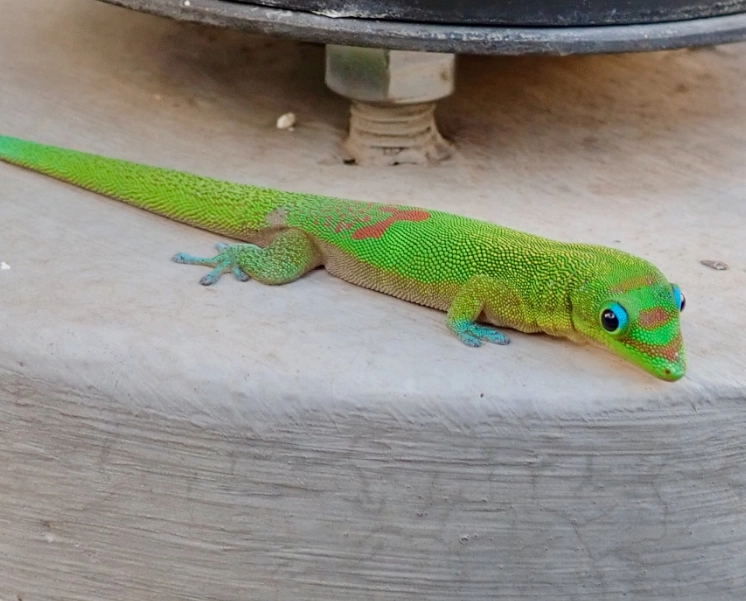
Pro Tip from Experience: The best time to attempt any interaction is in the late afternoon or early evening when they are less active and more likely to be digesting. Morning and midday are peak activity times—they're faster and more skittish.
Your #1 Priority: Escape-Proofing the Habitat
If I could give one piece of advice it's this: obsess over security. I learned this the hard way when a beautiful male found a microscopic gap in a sliding glass door seal and was gone in a flash. We found him three days later, dehydrated and cold, behind a bookshelf. He survived, but many don't.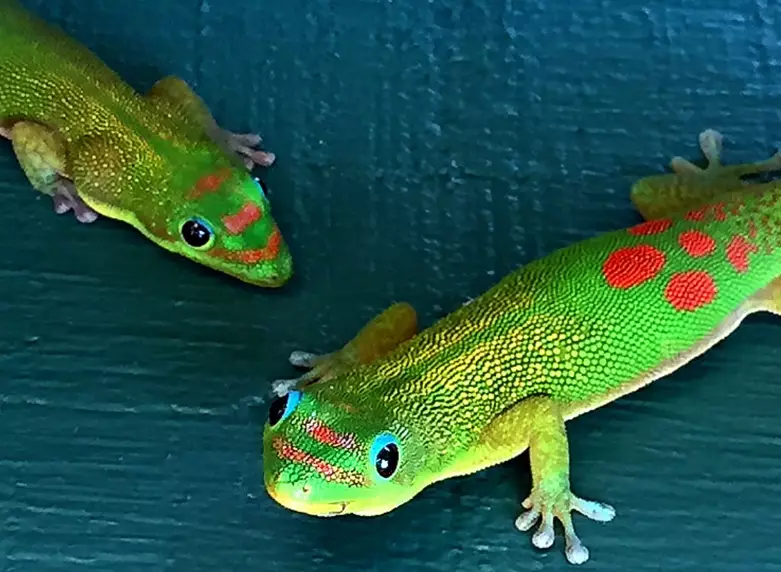
Your enclosure checklist for escape prevention must include:
- Door Type: Front-opening doors are superior. Top-opening tanks invite escape the moment you lift the lid.
- Locking Mechanism: Not just friction clips. Use actual sliding locks or magnetic child locks for added security.
- Gap Inspection: Before introducing the gecko, run your finger around every seam, door, and vent. If you feel air, it's a potential exit.
- Feeding Ports: Any small door for feeding must click or screw shut firmly.
Think of it like baby-proofing, but for a $100+ lizard that can run up vertical glass.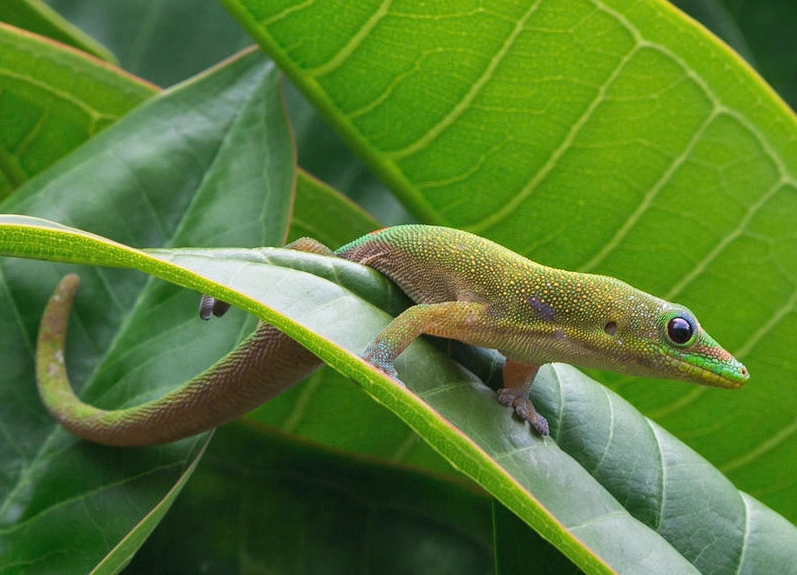
Your Gold Dust Day Gecko Questions, Answered
The bottom line is simple. Ditch the fear of "gold dust day gecko poisonous." Redirect that energy into creating a secure, enriching habitat and practicing meticulous hygiene. Respect them as the stunning, fast, and somewhat nervous display animals they are. When you provide the right environment—a tightly sealed terrarium with high humidity, plenty of climbing space, and a diet of gut-loaded insects and fruit paste—you'll be rewarded with a dazzling display of natural behavior, not a dangerous pet. The real risk isn't in their bite; it's in not being prepared for their specific, and frankly fascinating, needs.
For more detailed care guidelines on humidity, temperature, and diet, authoritative sources like the Reptiles Magazine care sheets or the Anapsid resource portal are excellent places to continue your research.
Reader Comments