So, a California kingsnake just bit you. Or maybe you're thinking about getting one and the fear of a bite is holding you back. Let's be real—it happens. I've kept kingsnakes for over a decade, and I've been tagged a handful of times. The first time, I'll admit, my heart raced more from surprise than pain. The most important thing to know right now is this: A bite from a California kingsnake is not medically significant in terms of venom. They are constrictors, not venomous snakes. The real concern isn't toxicity; it's minor injury, potential infection, and managing the psychological shock (for you, not the snake). This guide cuts through the noise and gives you the straight facts, from immediate first aid to long-term handling strategies that actually work.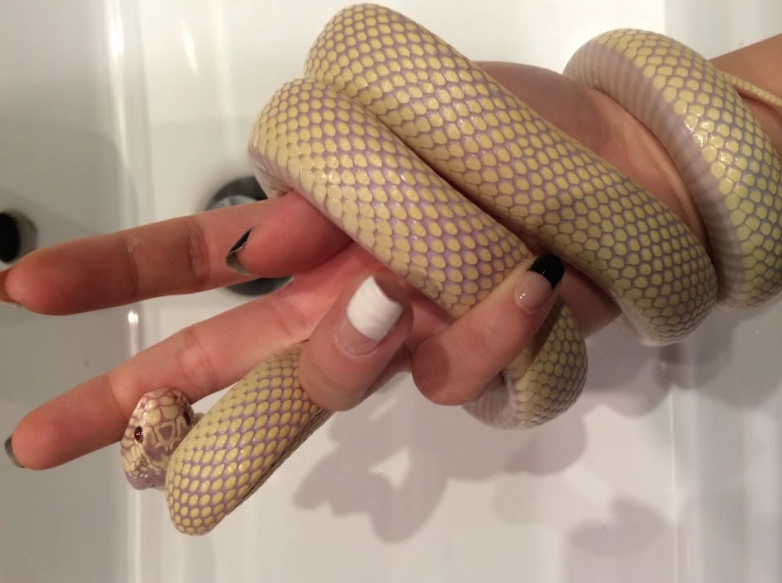
Quick Navigation: What You'll Find Here
Exactly What to Do Right After a California Kingsnake Bite
Stay calm. Seriously, this is 90% of the battle. The snake will likely let go immediately. If it doesn't, don't pull or yank. That can damage its teeth and worsen the puncture wounds on you. Instead, gently run cool water over its snout or use a drop of hand sanitizer near its mouth—this usually makes them release quickly.
Once free, here's your action plan:
- Wash Thoroughly: Use warm water and mild soap (like Dial or any antibacterial soap) for a full 2 minutes. Get into all the tiny punctures.
- Disinfect: Apply an antiseptic like hydrogen peroxide or rubbing alcohol. I prefer iodine (Betadine) as it's less stinging and has good residual action.
- Antibiotic Ointment: Slather on a layer of over-the-counter antibiotic ointment (Neosporin, Polysporin).
- Bandage Lightly: Cover with a clean bandage or gauze if it's bleeding, but don't suffocate it. Small bites often don't need one.
Now, the part most guides gloss over: monitoring. Kingsnakes are not sterile. Their mouths contain bacteria like Pseudomonas and Salmonella. A study in the Journal of Medical Microbiology has documented infections from reptile bites. Watch the bite site for the next 3-5 days.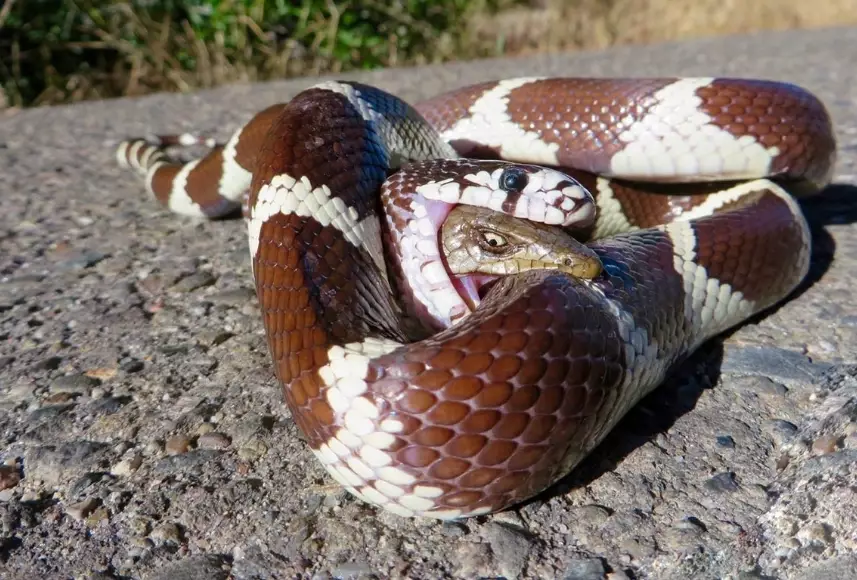
| Symptom | What It Means | Action to Take |
|---|---|---|
| Increasing redness & swelling | Early sign of infection (cellulitis). | Apply warm compresses, monitor closely. |
| Red streaks moving from the bite | Possible lymphangitis (infection spreading). | See a doctor promptly. |
| Pus, excessive warmth, throbbing pain | Established infection. | Doctor visit is necessary for possible antibiotics. |
| Fever, chills, body aches | Systemic infection. Rare but serious. | Seek medical attention immediately. |
Do you need a tetanus shot? The CDC recommends being up-to-date on tetanus immunizations if you handle animals. If it's been more than 5 years since your last booster and the bite is deep/puncture-like, consulting a doctor about a booster is a smart move.
What Does a California Kingsnake Bite Feel Like? The Reality Check
Expect a quick, sharp pinch followed by a burning sensation. It's often compared to being snapped by a strong rubber band or getting multiple shallow cat scratches at once. You'll see several small pinpricks of blood—their teeth are needle-like. The initial surprise is usually worse than the physical sensation.
Pain level? On a scale of 1 to 10, most experienced keepers rate it between a 2 and 4. It's more startling than debilitating. The discomfort typically fades to a mild sting within minutes, and any residual soreness is gone in a few hours. A common mistake is people expecting a dramatic wound; you're more likely to be annoyed by the tiny scabs for a couple of days than any real pain.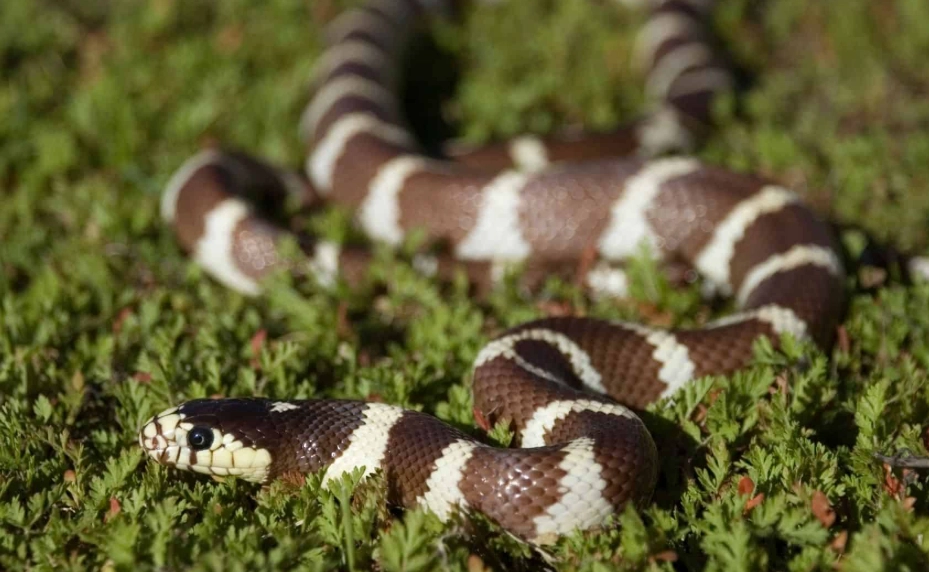
The Science: Why California Kingsnakes Aren't Venomous
This is a non-negotiable fact. California kingsnakes (Lampropeltis californiae) are colubrid constrictors. They lack the specialized venom glands and delivery systems (like hollow fangs) that define truly venomous snakes like rattlesnakes or cobras. They subdue prey by coiling around it, not by injecting toxins.
Here's where some confusion creeps in. Some colubrid snakes (like garter snakes or hognose snakes) have a mild, saliva-based "venom" called Duvernoy's secretion. It helps subdue small prey. While some kingsnake species might have trace homologues of these glands, in California kingsnakes, they are not developed for venom delivery and pose zero threat to humans. Any mild swelling or itching after a bite is almost always a histamine reaction to the proteins in their saliva or a minor bacterial introduction, not envenomation.
Trust the science and the consensus of major herpetological societies: they are classified as non-venomous.
Pro Handling Tips to Prevent Getting Bit
Most bites are preventable. They're almost never "aggression"; they're a response to stress, hunger, or being mistaken for food. Here’s how to read the room and handle with confidence.
How to Correctly Pick Up Your Kingsnake
Avoid coming straight down from above like a predator bird. Approach from the side at snake-level. Use confident, smooth movements. Gently scoop up the mid-body section for support. Don't grab the head or tail. A supported snake is a calm snake.
Top 3 Triggers to Avoid
1. The Feeding Response Mistake: This is the #1 cause. Your snake associates the opening of the enclosure with dinner. Solution: Use a snake hook to gently tap or lift the front third of its body before handling on feeding days. Some keepers use a separate feeding tub, though this debate rages on (I'm not a fan, as it can cause more stress).
2. The Defensive Strike: The snake is scared. Signs include a tense, coiled posture, rapid tail vibrations (mimicking a rattlesnake), and a pulled-back, S-shaped neck. Solution: Back off. Give it space. Work on building trust with short, positive handling sessions later, not when it's in defense mode.
3. The Scent Confusion: You smell like rodent. You just handled prey, another pet, or even certain soaps/lotions. Solution: Always wash your hands thoroughly with unscented soap before and after handling.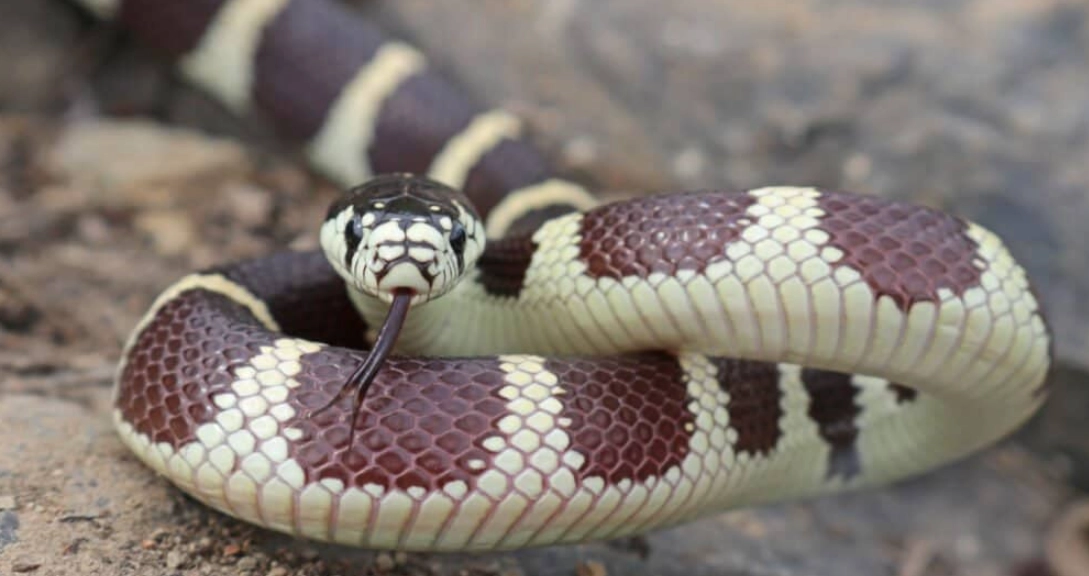
Your Top California Kingsnake Bite Questions Answered
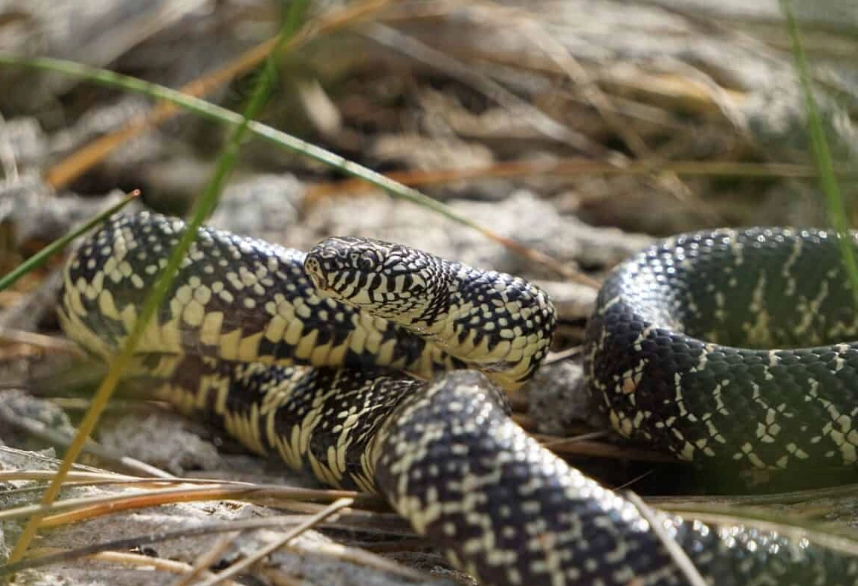 Can a California kingsnake bite cause an allergic reaction?
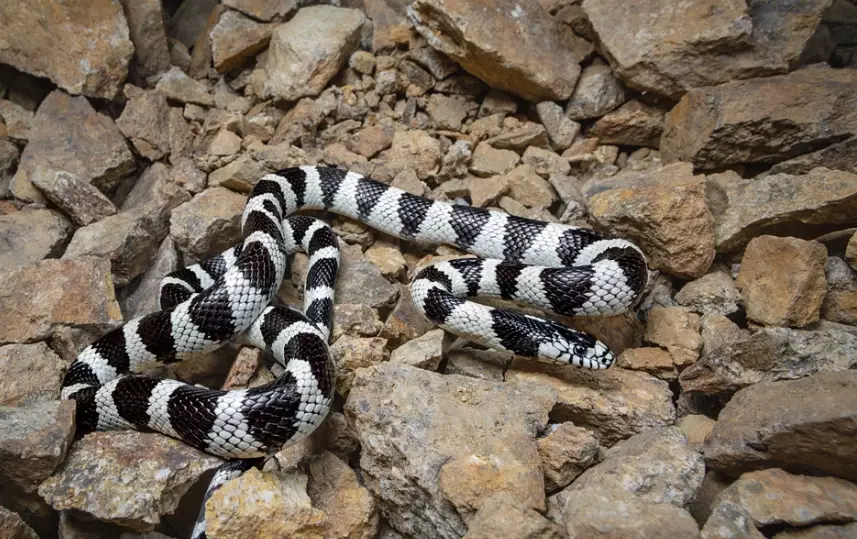 At the end of the day, a bite from a California kingsnake is a minor event in the hobby. It's a rite of passage for many keepers. The fear is almost always worse than the reality. By understanding why bites happen, knowing exactly how to respond, and implementing smart handling practices, you can enjoy your fascinating pet with confidence and minimal risk. Focus on building a trusting relationship with your snake, and the bites will become a distant memory, if they happen at all.
Reader Comments