You've seen the pictures. A tiny, prehistoric-looking lizard with bulging eyes and a tail that curls like a monkey's, clinging to a leaf. It's a chameleon gecko, and it's captivating. The question isn't just "Can you keep one?" It's deeper: Can you handle chameleon geckos? The internet makes them look like perfect, low-maintenance pets. I kept my first pair over a decade ago, and that glossy image shattered quickly. They're not hard, but they're specific. Get one detail wrong, and you'll never see them thrive. Let's cut through the cute photos and talk about what it really takes.
What's Inside?
What Exactly Are Chameleon Geckos?
First, a quick identity check. "Chameleon gecko" usually refers to species in the genus Eurydactylodes, like the popular Eurydactylodes agricolae (New Caledonian chameleon gecko). They're from New Caledonia, not true chameleons, and they're geckos. They get the name from their independently moving eyes and slow, deliberate movements.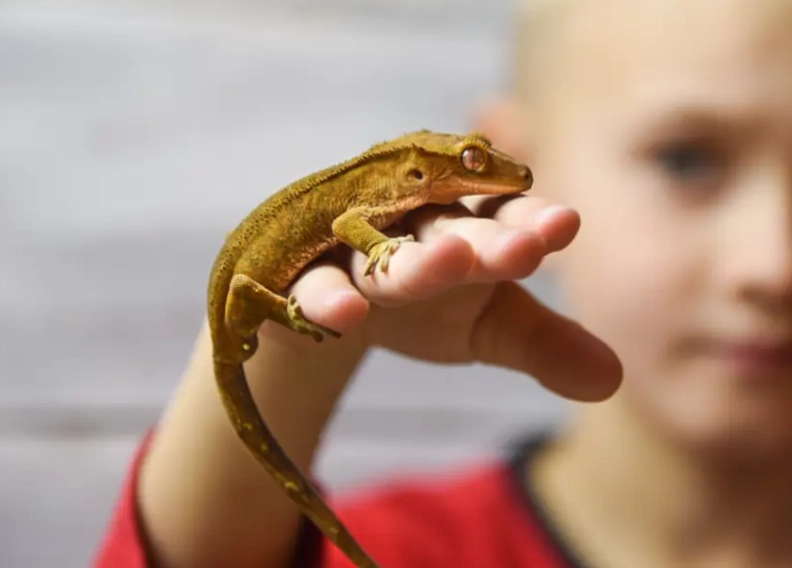
They're small, 3 to 4 inches from nose to tail tip. Nocturnal and crepuscular. They don't have sticky toe pads like cresties; they have tiny claws for gripping. Their defense mechanism is to freeze and blend in, sometimes emitting a mild, musky smell if really stressed.
Key Point: They are a "look, don't handle" pet. This is the first filter. If you want a lizard to hold and cuddle daily, stop here. A chameleon gecko's joy comes from observing its natural behaviors in a well-crafted habitat.
The Real Meaning of "Handle"
"Handle" doesn't mean physical holding. It means managing their environment and your expectations. The challenge is consistency and attention to invisible details.
Most care sheets list the basics. The unspoken challenge is the microclimate. In the wild, they live in cool, humid mountain forests. Recreating that stable, not-too-hot, not-too-dry environment in your home is the real test. A common mistake I see? People treat them like a leopard gecko, plopping them in a dry, hot tank. They'll slowly waste away.
Another part of "handling" is accepting their fragility. They are not for young children. Their tails can drop, and while they regenerate, it's stressful for them. Their bones are delicate.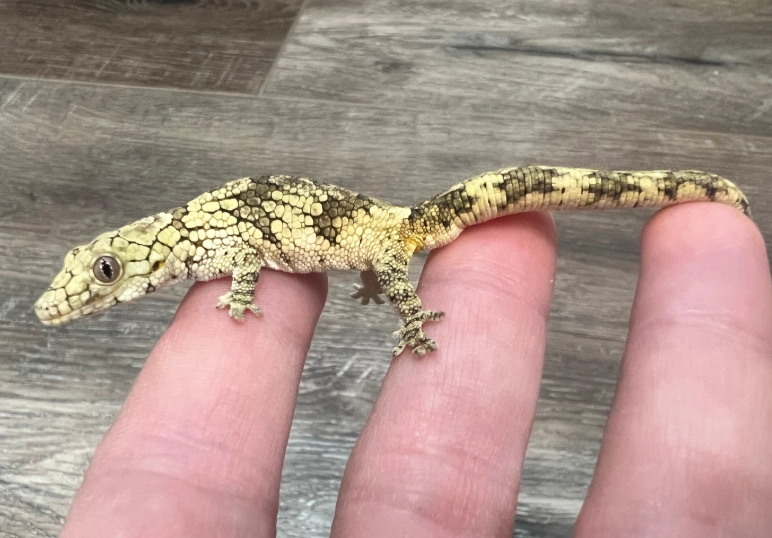
Building Their World: The Non-Negotiables
This is where you win or lose. A proper setup is 90% of the battle.
Enclosure Size and Type
A single adult can live in a well-planted 12x12x18 inch tall terrarium. A pair or trio needs at least 18x18x24. Go tall, not long. They are arboreal. Screen tops are fine but can make humidity harder to maintain. I prefer front-opening glass terrariums with partial glass tops for better control.
Temperature and Lighting: The Cool Side of Life
This is a major trip-up. They like it cool.
| Parameter | Daytime Range | Nighttime Range | How to Achieve It |
|---|---|---|---|
| Temperature | 72-78°F (22-26°C) | 65-72°F (18-22°C) | Room temp often works. Use a low-wattage heat lamp on a thermostat ONLY if your room drops below 65°F. Place it at one top corner. |
| Humidity | Spikes to 70-80% | Drops to 50-60% | Heavy morning and evening misting with a hand sprayer or automatic mister. Use a digital hygrometer. |
| Lighting | Low-level UVB optional but beneficial | None | A low-output, shadedweller-style UVB bulb (like a 5.0 or 2% T5) running 10-12 hours can support plant growth and gecko health. |
Overheating is a silent killer. If your room is constantly above 80°F, you need to solve that first (air conditioning, cooler room).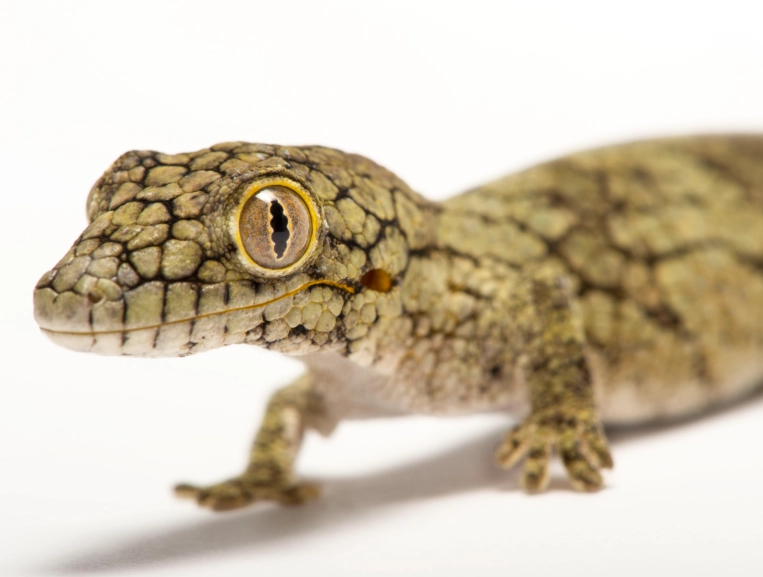
Substrate and Planting: Go Bioactive or Go Home
I'm going to give a strong opinion here: a bioactive setup is the closest thing to "easy mode" for these geckos. It self-regulates humidity, breaks down waste, and provides a natural foraging environment.
- Drainage Layer: LECA balls or hydro balls.
- Barrier: A mesh screen.
- Substrate: A tropical bioactive mix (coconut coir, orchid bark, charcoal, sphagnum moss).
- Clean-up Crew: Springtails and dwarf white isopods.
- Plants: Pothos, Ficus pumila, small bromeliads, mosses. Live plants are crucial for humidity and hiding.
- Hardscape: Cork bark rounds and tubes, branches of varying thickness. Create a network of highways and hiding spots.
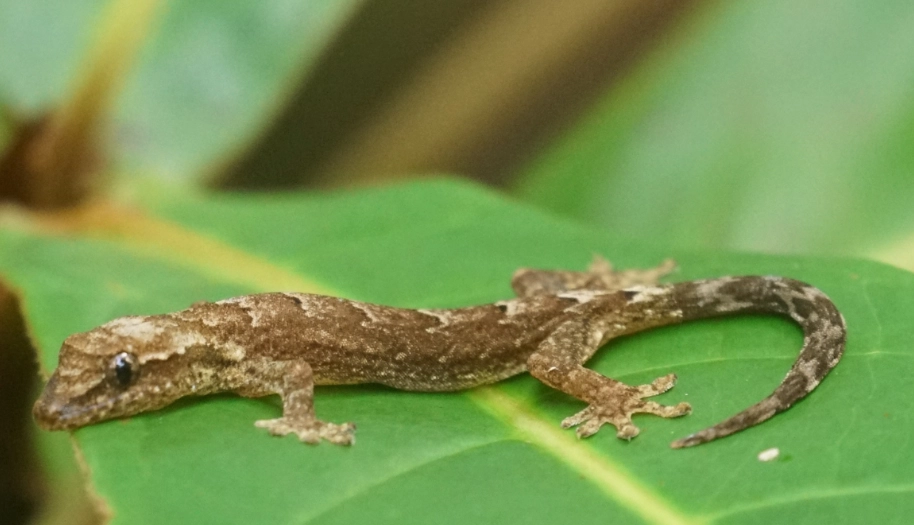
Watch Out: Avoid cedar or pine woods. Avoid soil mixes with fertilizers or perlite that the gecko might accidentally ingest. Rinse all branches and bake them (at a low temp) before use.
The Daily and Weekly Routine
Once the tank is set, maintenance is straightforward but non-negotiable.
Daily: Check temperatures with a digital probe. Morning and evening misting to spike humidity. Observe your gecko(s) for activity and appetite.
Feeding (Every Other Day): This is their main diet. Offer a small amount (about a dime-sized dollop) of a commercial crested gecko diet (like Pangea or Repashy) in a bottle cap or ledge feeder. They love the fruit flavors with insects. They lick it up. Also offer live food: 3-5 appropriately sized gut-loaded insects (pinhead crickets, flightless fruit flies, small dubia roach nymphs) twice a week. Dust insects with a calcium supplement without D3 if you're using UVB, or with low-dose D3 if not.
Here's a mistake I made early on: over-supplementing. Their primary diet (the CGD) is already complete. The insects are a supplement. Don't go overboard with calcium powders on the insects every time.
Weekly: Remove uneaten CGD before it molds. Refresh water dishes. Spot-clean any obvious waste if not bioactive.
Monthly/Bi-annually: In a bioactive tank, you mostly just trim plants. In a non-bioactive tank, you'll need a full substrate change and deep clean.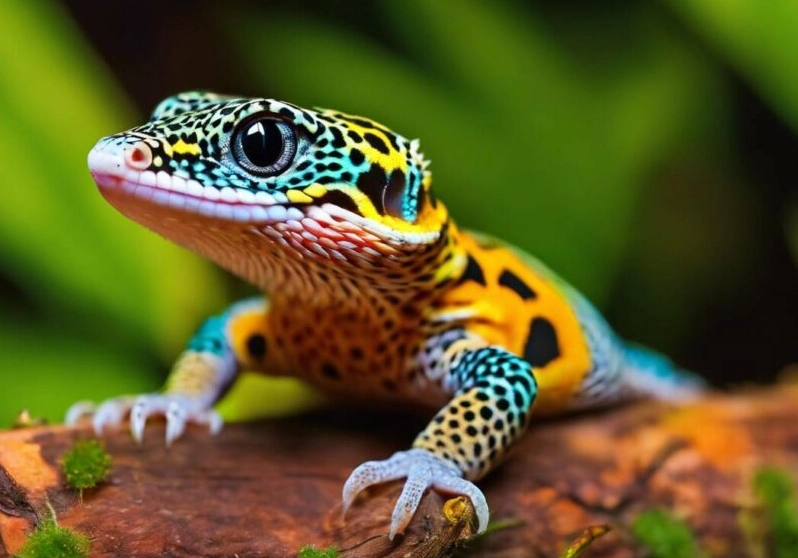
Spotting Trouble: Health Issues to Watch For
They are generally healthy if kept right. Problems arise from environment failures.
- Weight Loss/Anorexia: The biggest red flag. Usually caused by temperatures being too high, stress from improper hides, or illness. Weigh them monthly with a gram scale.
- Stuck Shed: Toes, tail tip, eyes. Caused by humidity being too low. Increase misting frequency. A humid hide (a small container with damp sphagnum moss) is a great backup.
- Metabolic Bone Disease (MBD): Soft jaw, bowed limbs, tremors. From lack of proper calcium/D3. Ensure proper supplementation and/or UVB lighting.
- Parasites: Lethargy, runny stools, weight loss despite eating. Requires a vet visit for a fecal exam.
Find an exotic veterinarian who sees reptiles before you get the gecko. Don't wait for an emergency.
The Self-Check: Are You Truly Ready?
Ask yourself these questions honestly:
- Can I maintain a room temperature between 70-78°F year-round?
- Am I willing to mist an enclosure thoroughly at least twice a day, every day?
- Can I invest $200-$400 upfront for the terrarium, supplies, and the gecko itself?
- Am I content to watch my pet rather than hold it frequently?
- Do I have the patience to wait for a healthy gecko from a reputable breeder, not the pet store?
If you answered yes, you might just be able to handle a chameleon gecko. The reward is a fascinating, low-impact window into a miniature rainforest world.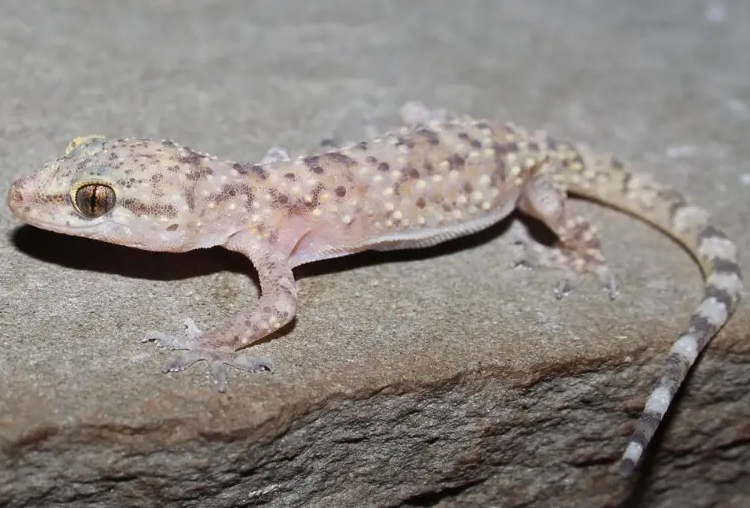
Your Questions, Answered
My chameleon gecko won't eat the Repashy/Pangea diet, only insects. What's wrong?
Can I house multiple chameleon geckos together?
How do I find a reputable breeder for a healthy chameleon gecko?
Are chameleon geckos good for a child's first reptile pet?
Why does my gecko just sit in one spot all day? Is it bored?
Reader Comments