So you're thinking about getting a giant leopard gecko, or maybe you already have one. That big, impressive size is definitely a draw. But let's cut straight to the chase: how long can you actually expect your gentle giant to be part of your life? The short answer is 15 to 25 years, with 20 years being a very realistic and common goal for a well-cared-for pet. I've seen them hit that mark and beyond. But here's the thing most care sheets gloss over – reaching that upper range isn't about luck. It's a direct result of specific, often overlooked care choices that either set them up for a long, healthy life or silently chip away at their vitality.
I've kept and bred leopard geckos for over a decade, and the difference between a gecko that fizzles out at 8-10 years and one that's still robust at 18 is rarely about one big mistake. It's usually a series of small, accepted practices that add up.
What You'll Discover in This Guide
What Exactly Is a "Giant" Leopard Gecko?
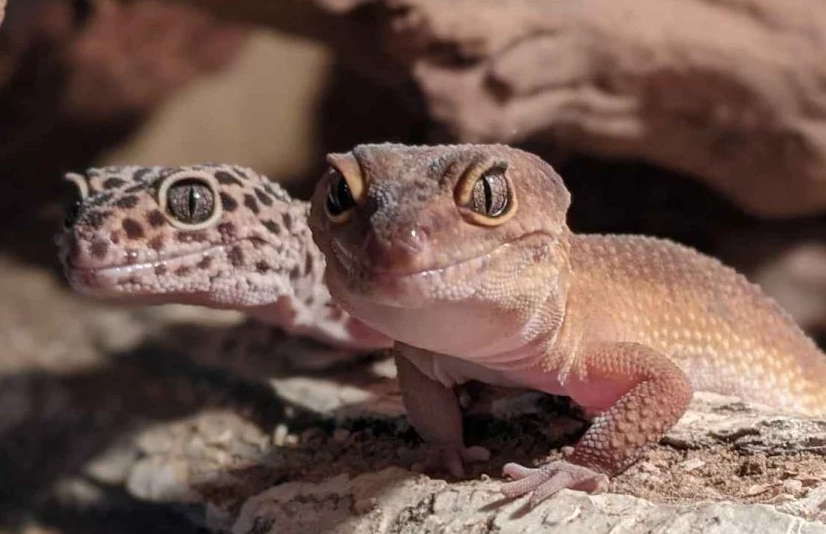
First, a crucial clarification. "Giant" isn't a different species. It's a selectively bred trait for size, much like breeding dogs for specific characteristics. Through careful pairing of larger-than-average individuals over generations, breeders have established lines that consistently grow bigger. A standard leopard gecko might top out at 7-8 inches and 60-80 grams. A true giant can easily reach 9-11 inches and tip the scales at 90-110 grams, with super-giants going even larger.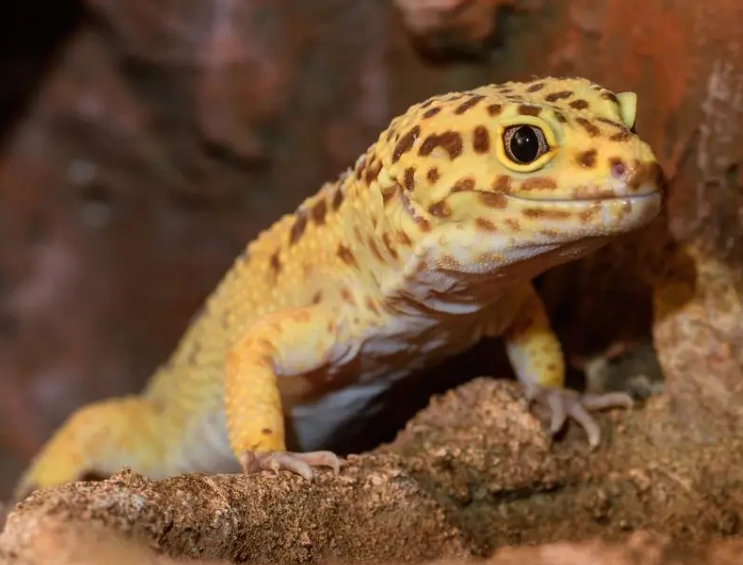
Why does this matter for lifespan? Because that extra size comes from genetics, not from overfeeding. A common misconception is that giants are just fat normals. They're not. Their bone structure is larger. However, this genetic trait doesn't inherently make them live longer or shorter. The lifespan potential remains in that 15-25 year bracket. The care they receive is what unlocks it.
The Lifespan Reality: Numbers and Expectations
Let's get specific. When people ask "how long do leopard geckos live?", the answer varies wildly because care varies wildly.
The Lifespan Spectrum: In a basic, minimal-care setup (a small tank, a heat pad, mealworms only), you might see 8-12 years. In a thoughtfully designed habitat that meets all their physical and behavioral needs, 15-20 years is standard. Exceptional, optimal care can push them into the 20-25 year range. The record, as noted by resources like the Association of Reptilian and Amphibian Veterinarians, is over 30 years, but that's an extreme outlier.
Think of it this way: the giant morph gives them the hardware for a long life, but you provide the software – the care – that determines if that hardware runs smoothly for two decades or starts glitching in one.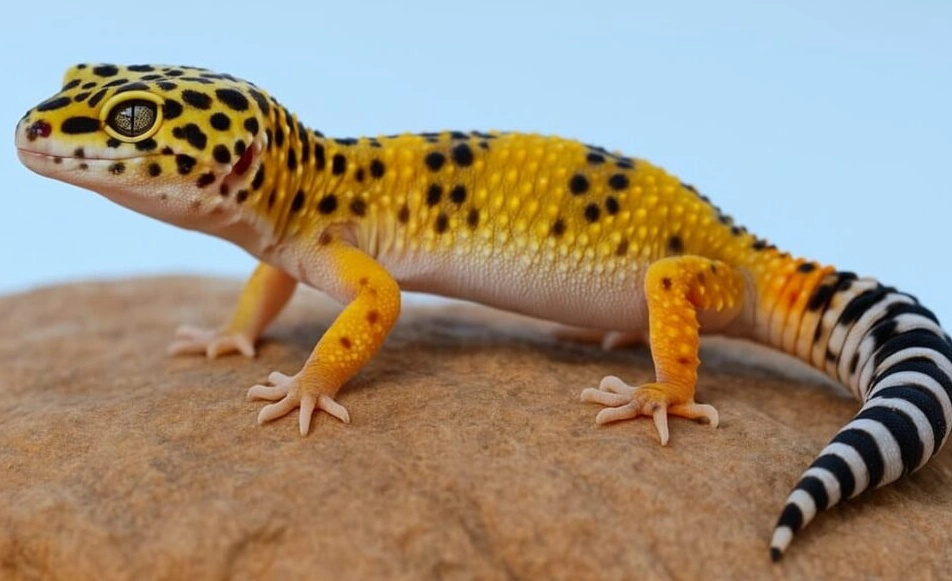
The 5 Key Factors That Determine Lifespan
Forget just heat and food. These are the pillars that actually hold up a long life. Get one wrong, and the whole structure gets shaky.
| Factor | The Ideal Scenario (Promotes Longevity) | The Common Compromise (Shortens Lifespan) |
|---|---|---|
| 1. Nutrition & Feeding | Varied diet (crickets, dubias, silkworms), gut-loaded and dusted. Feeding based on body condition, not a strict schedule. Adults fed 2-3 times a week. | Reliance on one feeder (like mealworms), no gut-loading, inconsistent supplementation. Overfeeding to "maintain size," leading to fatty liver disease. |
| 2. Thermal & Environmental Gradients | A proper heat gradient (88-92°F warm end, 70-75°F cool end) created by overhead heating (halogen/Deep Heat Projector) for deep tissue warmth. | Only an under-tank heater (UTH), creating a hot belly but no ambient warmth or basking opportunity. No true cool side. |
| 3. Enclosure Size & Enrichment | A 40-gallon breeder tank minimum for an adult giant. Multiple hides (warm, cool, humid), clutter, and things to explore. | A 20-gallon long tank, considered "minimum" but cramped for a giant. Bare setup with just 2 hides, leading to stress and inactivity. |
| 4. Veterinary Care | Annual check-ups with a reptile vet, fecal parasite exams, and proactive advice. | Only going to the vet when the gecko is visibly sick (often too late). "They seem fine" as the only health metric. |
| 5. Genetics & Source | Acquired from a reputable breeder who tracks lineage and health history. | Purchased from a large-scale pet store where genetics and early care are unknown. |
Notice how "size of the gecko" isn't on this list? That's the point. Being a giant doesn't change these needs; it often means you need to be more diligent about them, especially enclosure size.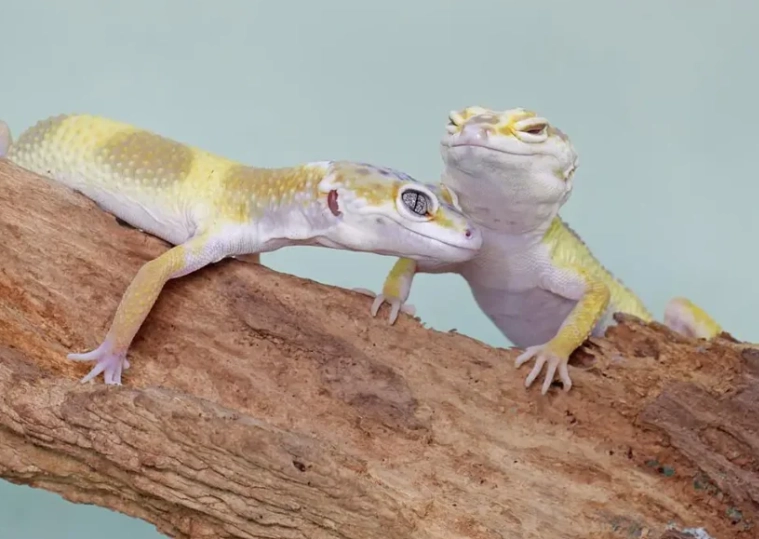
How to Maximize Your Giant Leopard Gecko's Lifespan: A Care Blueprint
This is where we move from theory to action. Here's your blueprint, based on what actually works long-term.
1. Build the Right Habitat (It's Not Just a Tank)
A 40-gallon breeder (36"x18" footprint) is the starting line for a giant. Bigger is better. I recommend front-opening enclosures – they're less stressful for the gecko when you need to do maintenance.
Heating: This is the hill I will die on. Ditch the UTH-only mindset. For digestion, immune function, and overall metabolism, they need overhead heat that mimics the sun. A low-wattage halogen bulb or a Deep Heat Projector on a thermostat, creating a basking spot of 90-92°F, is transformative. You'll see more natural behavior, better digestion, and a stronger gecko. The UTH can stay as supplemental belly heat, but it shouldn't be the primary source.
Enrichment: Clutter the tank. Cork rounds, slate pieces, artificial plants. Give them choices and places to explore. A stressed gecko is an unhealthy gecko, and boredom is a stressor.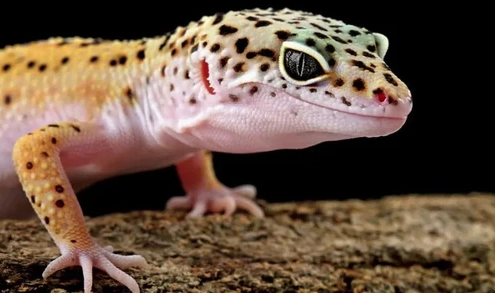
2. Master the Art of Feeding (Not Just Dumping Food)
Giants don't need massively more food than standards; they need better food.
- Variety is non-negotiable. Crickets, dubia roaches, black soldier fly larvae, silkworms. Rotate them. Mealworms are a treat, not a staple.
- Gut-load your feeders for 24-48 hours with nutritious veggies (sweet potato, squash, leafy greens) before feeding them to your gecko. You are what you eat, and so is your gecko.
- Dusting schedule: Calcium (without D3) can be available in a small dish in the enclosure. Dust feeders with calcium with D3 twice a month, and with a quality multivitamin once a month. More is not better here; vitamin overdoses are real.
- Watch their body. A healthy giant should have a plump tail, but you should still see a slight waist behind the ribs. If the tail starts looking like a sausage, cut back.
3. Proactive Health Monitoring (The Silent Killer Check)
Don't wait for symptoms.
Every month during handling, do a quick check: eyes clear, nose clean, vent clean, skin supple, body weight feeling solid. Weigh them monthly with a digital gram scale and keep a log. A gradual, unexplained weight loss is often the first sign of a problem like cryptosporidium or kidney issues.
Get a fecal exam done by a vet once a year, even if the gecko looks perfect. Parasites can sap vitality for years before causing obvious illness.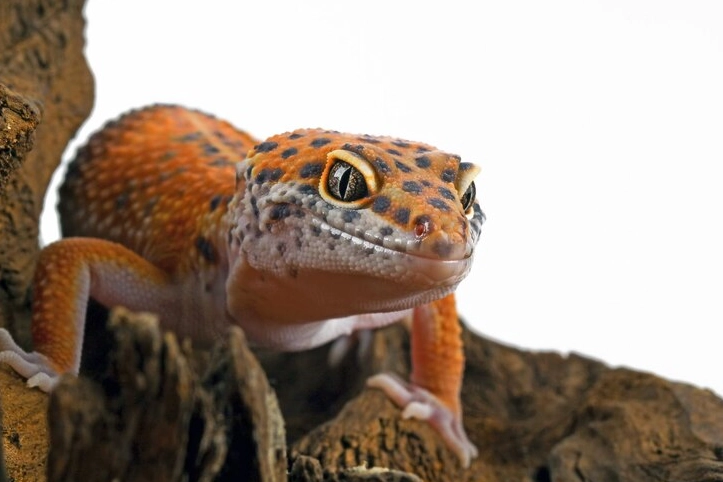
A Tale of Two Tanks: A Lifespan Case Study
Let me give you a real-world example from my own network of gecko keepers. Two friends bought giant leopard geckos from the same breeder clutch.
Keeper A: Housed his male in a decorated 20-gallon long with a UTH. Fed a diet of mostly mealworms and crickets from the pet store, dusted "when he remembered." The gecko was handled often, seemed active. It lived to be 11 years old before passing from what was likely complications from fatty liver disease (the vet noted an enlarged liver).
Keeper B: Housed her female in a 40-gallon tank with a halogen basking spot, a deep substrate dig box, and tons of hides. Fed a rotating schedule of gut-loaded dubias, crickets, and silkworms. Weighed monthly. Had one vet check-up that caught a minor pinworm infection, treated it, and it cleared. Her gecko is currently 17, still hunting eagerly, and has had zero major health issues.
The difference wasn't love – both owners loved their pets. The difference was in the specificity and quality of care informed by current reptile welfare science, not just decades-old pet store advice.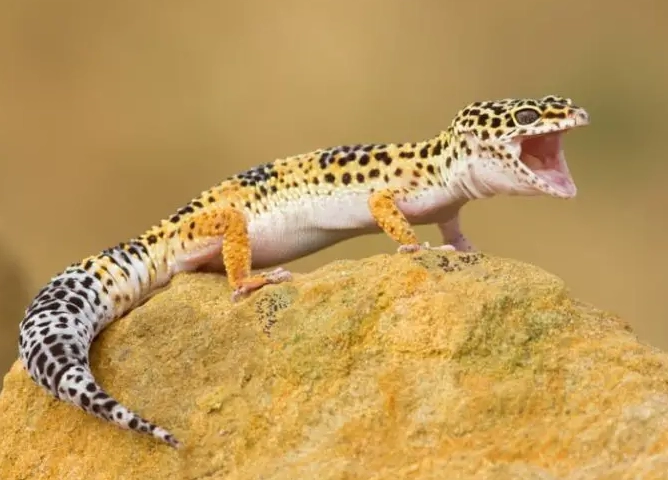
Your Lifespan Questions, Answered Deeply
The journey with a giant leopard gecko is a long one. It's a commitment measured in decades, not years. By understanding that their impressive lifespan is a promise that you help fulfill through informed, proactive care, you set the stage for one of the most rewarding relationships in the reptile hobby. Start with the right space, the right heat, the right food, and a relationship with a good vet. Do that, and you won't just have a pet for a long time – you'll have a thriving companion for the long haul.
Reader Comments