Let's cut straight to the point. A well-cared-for ball python in captivity can easily live 20 to 30 years. I've known several that have hit the 35-year mark, and the record is over 47 years. That's a serious commitment, longer than many marriages. In the wild, their story is brutally different—most don't see their 10th birthday, succumbing to predators, disease, and starvation. The massive gap between those two numbers is the entire point of this guide. Your care is the single biggest factor determining whether your snake becomes a fleeting pet or a lifelong companion.
What You'll Find in This Guide
The Lifespan Numbers: Wild vs. Captivity
Understanding the "why" behind these numbers sets the stage for everything else.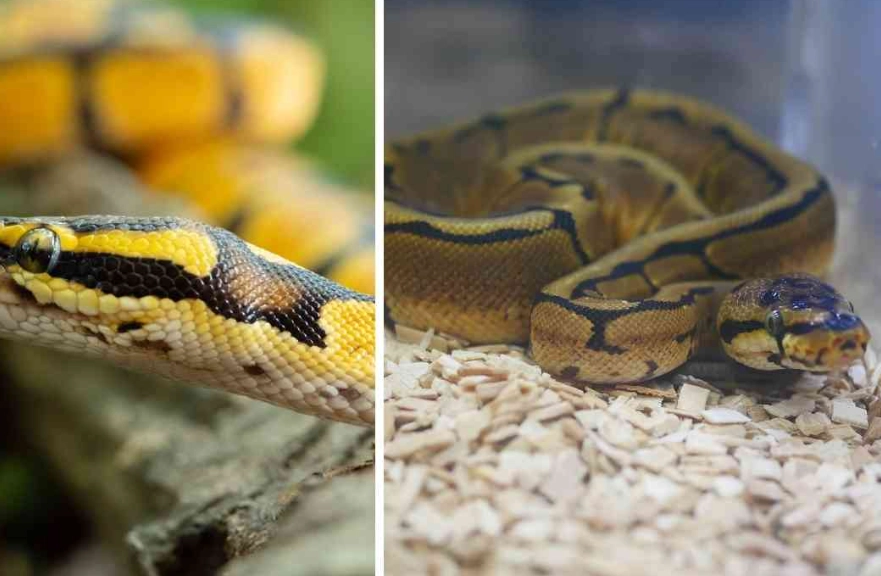
In the savannas and forests of West and Central Africa, life is tough for a ball python. They're on the menu for birds of prey, larger mammals, and even other snakes. Parasites are a constant burden. Finding consistent food and water is a gamble. Under this relentless pressure, reaching 10 years old is a remarkable achievement. Most die much younger.
In your home, you remove almost all those threats. No predators. Controlled food supply. Veterinary care available. This safety net is why the average jumps so dramatically. But "average" in captivity is misleading. It includes snakes that die prematurely from poor care. The potential lifespan for a ball python under optimal conditions is 25-30 years, with many exceeding that.
Think of it this way: providing a secure tank and feeding it mice only gets you to the starting line. Getting to the 25-year finish line requires nailing the details most beginners overlook.
The Five Pillars of a Long Ball Python Life
Extending your ball python's life isn't about one magic trick. It's a system. Get these five pillars right, and you're building a foundation for decades.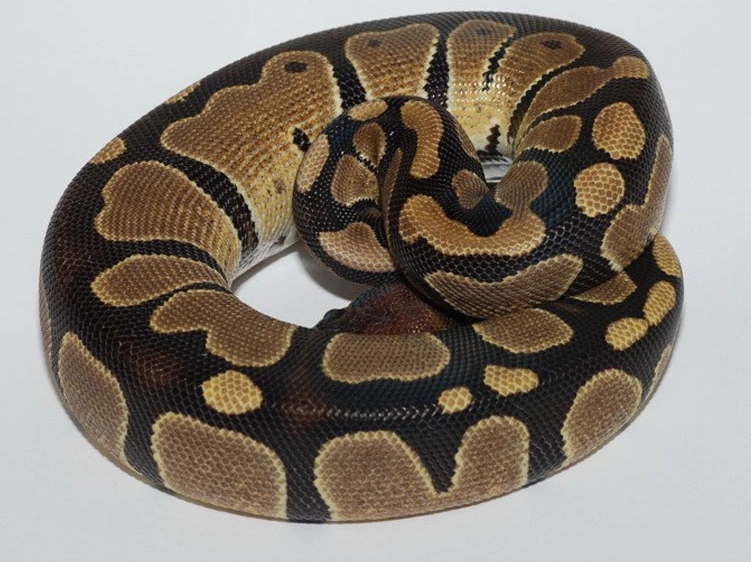
1. The Enclosure: More Than Just a Box
This is their entire world. A small, barren tank causes chronic stress, which suppresses the immune system. I see too many people using glass aquariums with screen tops, then struggling to maintain heat and humidity. It's an uphill battle.
A PVC or ABS plastic enclosure is a game-changer. It holds heat and humidity like a champ. Size matters, but bigger isn't always better for younger snakes. A stressed snake in a vast, open space won't thrive. Focus on security and environmental stability first.
| Enclosure Factor | Ideal Parameter | Why It Matters for Lifespan |
|---|---|---|
| Temperature Gradient | 88-92°F (31-33°C) warm side, 78-80°F (25-27°C) cool side | Essential for digestion, immune function, and metabolism. Inconsistent temps lead to regurgitation and respiratory infections. |
| Humidity Level | 50-60% normally, 65-75% during shed | Prevents chronic dehydration and life-threatening stuck sheds, which can constrict toes and tail tips. |
| Hiding Places | Minimum two snug hides (one warm, one cool) | Lack of security causes perpetual stress, leading to appetite loss and a weakened immune system. |
| Substrate | Coconut husk, cypress mulch, orchid bark | Holds humidity, allows natural burrowing behavior, and is generally safe if ingested accidentally. |
I can't stress the hides enough. A ball python that feels exposed is a ball python under constant, silent stress. This long-term stress is a major lifespan shortener that doesn't show obvious symptoms until it's too late.
2. Diet and Feeding: Quality Over Quantity
Overfeeding is a massive, silent problem. A fat ball python isn't a healthy one. Obesity leads to fatty liver disease, heart strain, and a significantly shortened life. In the wild, they eat sporadically. In captivity, we tend to offer food too often because we enjoy the interaction.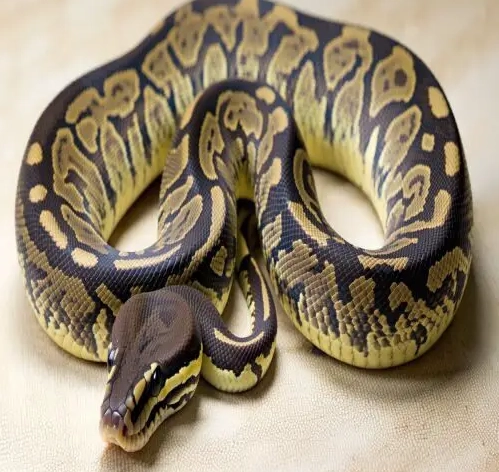
Stick to an appropriate schedule: every 7-10 days for juveniles, every 10-14 days for adults. The prey item should leave a slight bulge, not a massive lump. A healthy adult male might only need a small rat every two weeks. I've seen people power-feeding snakes to get them bigger faster, and it's a recipe for health problems down the line.
Pre-killed frozen/thawed prey is vastly safer than live. Live rodents can inflict serious, infected wounds. I know switching a picky eater can be hard, but it's a fight worth having for their long-term safety.
3. Health Monitoring: Catching Problems Early
Snakes are masters of hiding illness. By the time they look sick, they're often very sick. You need to be a detective. Regular, gentle handling lets you check body condition (feel for spine prominence), look for mites, and check the vent area. Keep a simple log: weight every month, feeding dates, sheds. A sudden weight drop or a missed shed are your first red flags.
Find a reptile-savvy vet before you have an emergency. An annual check-up for an adult snake isn't overkill—it's proactive care. Common issues that cut lives short if ignored: Respiratory infections (listen for wheezing or see mucus), inclusion body disease (a fatal retrovirus), and chronic stomatitis (mouth rot).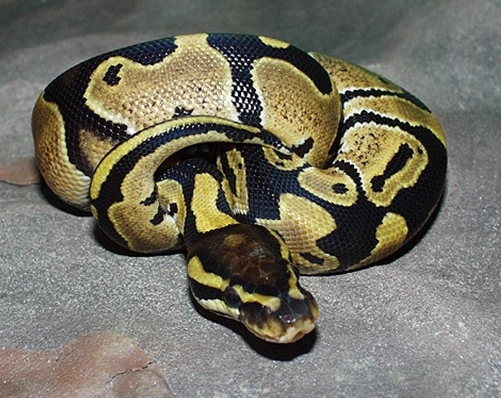
4. Genetics and Acquisition
Start with a healthy animal. This seems obvious, but it's critical. A snake from a reputable breeder, already established on frozen/thawed rats, with no history of neurological issues (like "spider" morph wobble), has a head start. Avoid snakes that are lethargic, have stuck shed, or show signs of respiratory distress. Ask about the parents' health and age if possible. Good genetics provide the blueprint; your care builds the house.
5. Stress Minimization: The Invisible Lifespan Factor
We touched on this with hides, but it goes deeper. Loud noises, excessive handling (especially right after eating or during shed), constant tank renovations, housing with other snakes (they are not social)—all of these chip away at their well-being. A calm, predictable environment is a longevity booster. Handle for 15-20 minutes a few times a week, not for hours daily.
The Non-Consensus View: Most care sheets tell you the parameters. Few tell you that the single biggest killer of captive ball pythons isn't disease—it's chronic low-grade stress from an inadequate environment. An unstable humidity of 30% won't kill them next week, but the resulting poor sheds, mild dehydration, and immune toll over years absolutely will. It's death by a thousand cuts, not one big mistake.
A Tale of Two Pythons: A 30-Year Case Study
I want to make this real. Let's compare two hypothetical snakes, both purchased in 1995.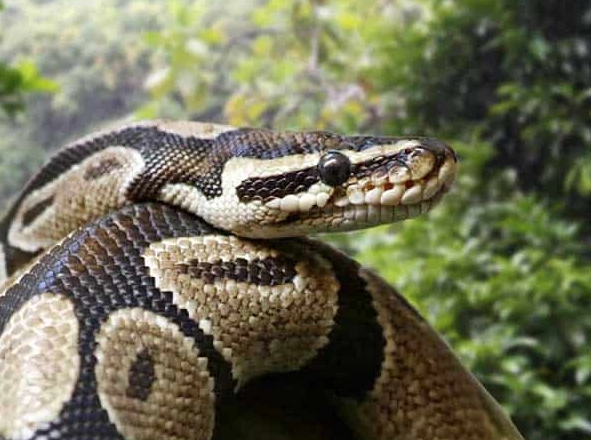
Python "Alex": Housed in a 20-gallon glass tank with a screen top, a single hide, and a heat rock (a dangerous item that causes burns). Fed live mice weekly. Humidity rarely measured, substrate was newspaper. Handled daily. Alex stopped eating regularly around year 8, developed a chronic respiratory infection by year 10, and passed away at age 12.
Python "Sam": Started in a tub, moved to a PVC enclosure. Had two snug hides and a humidity-hugging substrate. Fed an appropriate-sized frozen/thawed rat every 12-14 days. Humidity monitored with a digital gauge, boosted during shed. Handled calmly 2-3 times a week. Had one minor health scare (a retained eye cap) at age 15, resolved with a vet visit. Sam lived a active, alert life until passing away peacefully at age 31.
The difference wasn't love. Both owners loved their snakes. The difference was informed, detail-oriented care that respected the snake's biological needs, not the owner's convenience or assumptions.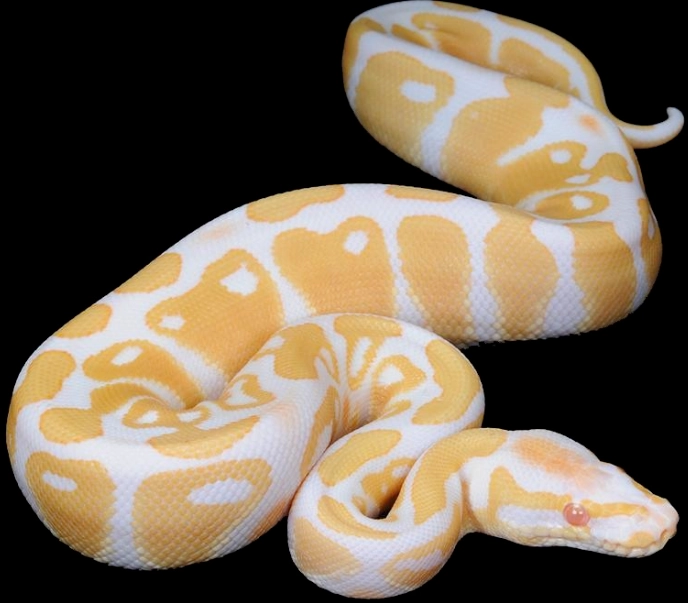
Common Mistakes That Shorten Lifespan (The Silent Killers)
These aren't the dramatic errors, but the slow, steady ones.
- "The Tank Looks Fine." Relying on guesswork instead of digital thermometers and hygrometers. Analog dials are notoriously inaccurate.
- Power Feeding. Trying to grow a snake fast. It stresses their organs and leads to obesity.
- Neglecting Dental Health. Not checking for mouth rot. A pink, healthy mouth is a good sign.
- Using Heat Rocks. They cause severe thermal burns. Overhead heating (ceramic heat emitters, radiant heat panels) is always safer.
- Ignoring the Cool Side. The snake needs a place to cool down to regulate its body temperature. A tank that's uniformly too warm is exhausting for them.
Your Ball Python Lifespan Questions, Answered
My ball python is 15 and has only ever eaten live mice. Is it too late to switch to frozen/thawed, and does the prey type affect lifespan?
It's challenging but not impossible. The main lifespan risk with live prey is injury and infection. A 15-year-old snake on live mice has been lucky. To switch, try pre-killed first (freshly euthanized) as a bridge to frozen/thawed. Warm the prey thoroughly (use a hair dryer on the head to simulate life), and offer it with tongs at night. The nutritional difference between a varied diet of appropriately sized rats versus a lifetime of mice isn't a huge lifespan determinant if the snake is otherwise healthy, but eliminating the injury risk from live feeding is a significant longevity boost.
I'm moving across the country. How stressful is this for my 10-year-old ball python, and how can I minimize the impact?
Moving is highly stressful. To mitigate it, skip a feeding 7-10 days before the move. Transport them in a dark, secure, ventilated plastic tub (like a Sterilite) with a familiar hide and some crumpled paper towels for cushioning. No heat during transit unless it's extremely cold—a stable cool period is safer than an unregulated heat pack overheating. Set up the enclosure completely at the new place before putting the snake in. Get temperatures perfect. Then leave them completely alone for at least a full week, no handling, no feeding attempts. This quiet period to re-acclimate is critical to avoid a long-term feeding strike or stress-induced illness.
My snake seems healthy but has refused food for four months. At what point does this become a lifespan-threatening emergency?
For an adult ball python with good body weight, a 4-6 month fast can be normal, especially during cooler months. Panic-feeding or constantly disturbing them makes it worse. The threshold for concern is weight loss. Weigh them monthly. If they lose more than 10% of their body weight, or if the fast is accompanied by other symptoms (wheezing, lethargy), see a vet. The real danger isn't starvation in the short term—it's the owner's desperate attempts to feed (offering too often, switching prey types wildly) that create chronic stress, which is the true lifespan threat. Sometimes, the best care is to do less.
Are there specific "morphs" or colors of ball python that have shorter lifespans due to genetic issues?
Yes, this is a crucial point often glossed over by breeders. Morphs linked to the "spider" gene complex (Spider, Woma, Champagne, etc.) are known for a neurological condition called "wobble." This isn't just a quirk; in severe cases, it can affect coordination to the point of making eating and drinking difficult, potentially impacting quality of life and longevity. Other morphs like "super cinnamon" or "super black pastel" can have associated "duckbill" facial deformities or kinked spines. When choosing a snake, research the specific morph's known genetic issues. A healthy normal or lesser-complex morph from strong genetic lines often has the best odds for a long, problem-free life.
The bottom line is this: a ball python's lifespan in your care is a direct reflection of your knowledge and commitment. It's not about expensive gadgets, but about consistent, attentive, and biologically appropriate care. They are remarkably resilient creatures, but their longevity is a gift you give them through daily diligence. Get the fundamentals of housing, temperature, humidity, and diet locked in, listen to what your snake is telling you through its behavior, and you could be looking at a companion for the next quarter-century.
Reader Comments