That first time you see a Flame Harlequin Crested Gecko, it stops you in your tracks. It's not just a lizard; it's a living watercolor. Flames of orange and red splash across its back, outlined by a stark, dark pattern that looks like it was drawn with a fine-tipped pen. The "harlequin" patterning adds patches of color on the legs and sides, making each one unique. But here's the thing everyone online glosses over: owning one of these stunning crested gecko morphs is about more than just admiring the art. It's about understanding the living canvas. I've seen too many bright flames fade to dull beige because of stress no one thought to look for.
What's Inside?
What Exactly is a Flame Harlequin Crested Gecko?
Let's clear up the jargon. A "morph" is just a genetic color and pattern variation. The "Flame" refers to those bright, solid-color patches running from the head down the back. The "Harlequin" means that patterning also extends down the sides and legs in a more broken, patchy way. Combine them, and you get a gecko with a spectacular fiery back and colorful, confetti-like sides.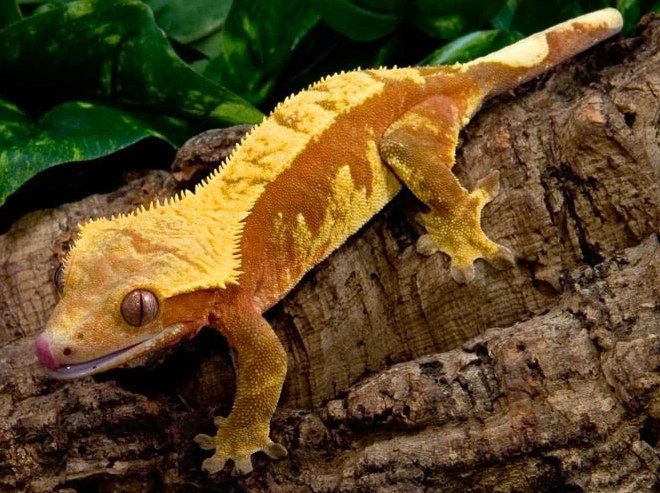
They're not a separate species. They're the same species as every other crested gecko (Correlophus ciliatus), which means their core care is identical. The difference is price and availability. Because the Flame Harlequin is a sought-after designer morph, you might pay $150 to $400 or more from a reputable breeder, compared to $50 for a standard "wild type." That investment means doing your homework is non-negotiable.
How to Set Up the Perfect Flame Harlequin Habitat
Think vertical. In the wild, they live in trees. A tall tank is not a suggestion; it's a requirement. For one adult, an 18x18x24 inch tall enclosure is the absolute minimum. I prefer going bigger to 18x18x36 inches. It gives you room for a proper temperature gradient and more climbing space.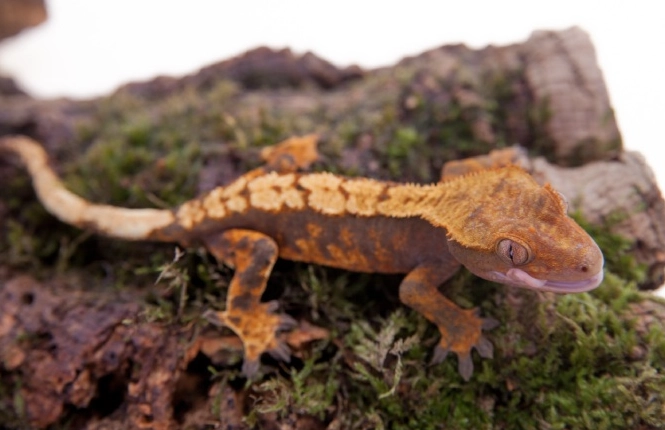
The Non-Negotiables: Heat, Light, and Humidity
This is where most first-timers slip up. Crested geckos are temperate. They thrive at room temperature, but "room temperature" needs to be specific.
| Parameter | Ideal Range | Common Mistake |
|---|---|---|
| Daytime Temperature | 72-78°F (22-26°C) | Using a hot basking lamp. They overheat easily above 80°F (27°C). |
| Nighttime Temperature | 65-72°F (18-22°C) | Letting it drop below 60°F (15°C) consistently. |
| Humidity | Spike to 70-80% at night, drop to 50-60% during the day. | Keeping it constantly soggy. It must dry out to prevent mold and skin infections. |
| Lighting | Low-level UVB (like a ShadeDweller) is beneficial but not strictly required if diet is perfect. A simple day/night LED cycle works. | Using bright, hot lights that stress the gecko. |
You create the humidity spike by misting the enclosure heavily in the evening. Use a digital hygrometer—the analog stick-on ones are notoriously inaccurate. I learned that the hard way with a gecko who started getting dry sheds.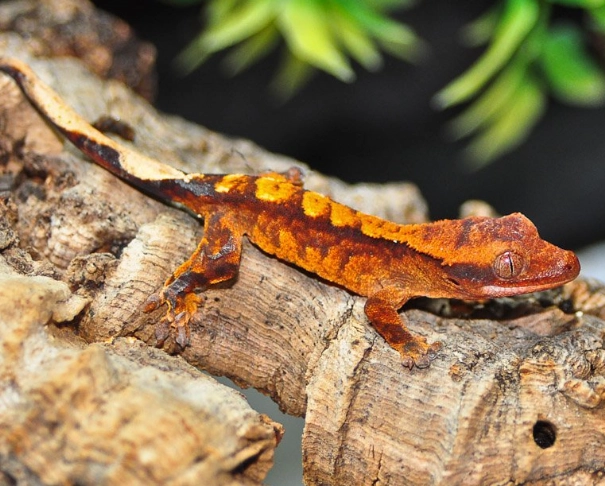
Furnishing for Confidence and Fun
Your gecko needs to hide. Not just one hide, but layers of cover. Use a mix of:
- Live or Artificial Plants: Dense, broad-leaf plants (like Pothos or Schefflera) provide cover and hold humidity.
- Cork Rounds and Flats: Essential vertical tunnels and horizontal hiding spots.
- Magnetic Ledges & Vines: Create highways across the top third of the tank where they love to hang out.
The goal is to let them move from the top to the bottom without feeling exposed. A stressed gecko is a pale, hiding gecko. You want to see that vibrant Flame Harlequin color, right?
Flame Harlequin Diet & Nutrition: Beyond the Powder
The biggest revolution in crested gecko care was the invention of Complete Gecko Diets (CGD) like Repashy or Pangea. These powdered mixes, when combined with water, are a nutritionally complete meal replacement powder. They're the staple.
But here's my non-consensus take: treating CGD as the *only* food is boring for them and for you. Variety stimulates appetite and provides micronutrient insurance.
- Primary Diet: A high-quality CGD, offered fresh every other day in a shallow dish.
- Weekly Treat/Supplement: Gut-loaded insects. Offer 4-6 small crickets or dubia roaches once a week. Dust them lightly with calcium powder (without D3 if you're using UVB). This encourages natural hunting behavior and provides enrichment. Watch your Flame Harlequin stalk—it's incredible.
- What to Avoid: Never offer iceberg lettuce or cat/dog food. Fruit baby food is pure sugar with little nutrition.
I rotate between two flavors of CGD (like Repashy's "Classic" and Pangea's "With Insects") to keep things interesting. A picky gecko is often just a bored gecko.
Reading Your Gecko: Health & Behavior Signs
They don't bark or meow. You have to become a subtle sign reader.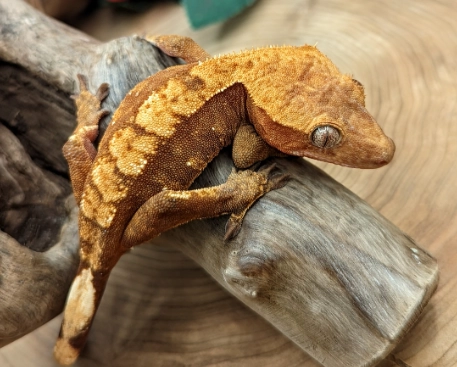
A Healthy Flame Harlequin: Has clear, bright eyes. Is alert and curious at night. Has a plump tail (their fat store). Eats regularly. Poops are firm with a white urate. Their color is vibrant when "fired up" (a state they enter when active or warm).
Handling should be minimal, calm, and close to the ground over a soft surface. Let them walk onto your hand. Never grab them—their skin is delicate, and they can drop their tail as a defense mechanism. A tailless gecko is healthy but a bit clumsier.
Pro Tips Most Care Sheets Won't Tell You
After years of keeping and talking with breeders, here are the gems.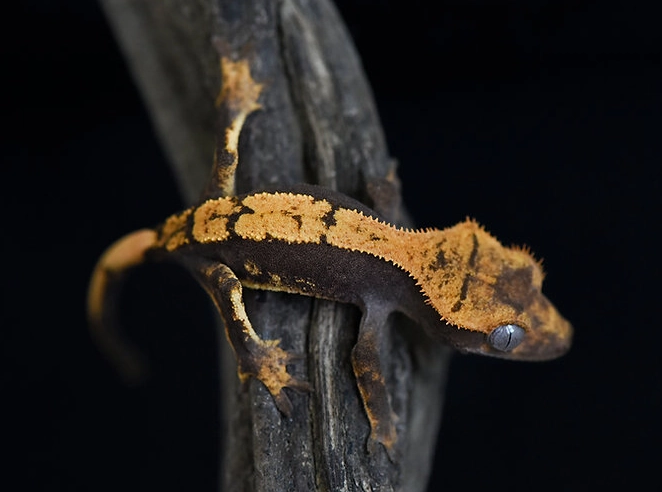
1. The Nighttime Drop is Crucial. Letting the temperature drop 5-10 degrees at night isn't just okay; it's beneficial. It simulates their natural environment and seems to promote better digestion and activity cycles. Don't run a heat source 24/7.
2. "Bioactive" Isn't a Set-and-Forget Magic Trick. A bioactive setup with live plants, clean-up crew (isopods, springtails), and a drainage layer is amazing. It manages waste and humidity. But it's not zero maintenance. You still need to spot-clean large poops, trim plants, and ensure the clean-up crew population is thriving. It's an ecosystem you manage, not ignore.
3. Record Everything. Get a small notebook or use a notes app. Log weights monthly, feeding responses, sheds, and even color notes. When something seems "off," you have data. I once traced a gecko's low appetite to a specific new brand of CGD I'd introduced because I had the log.
4. They Communicate with Sound. It's very quiet, but they can make little chirps or clicks, especially when interacting or if mildly annoyed. It's a fascinating layer of their personality most owners never notice.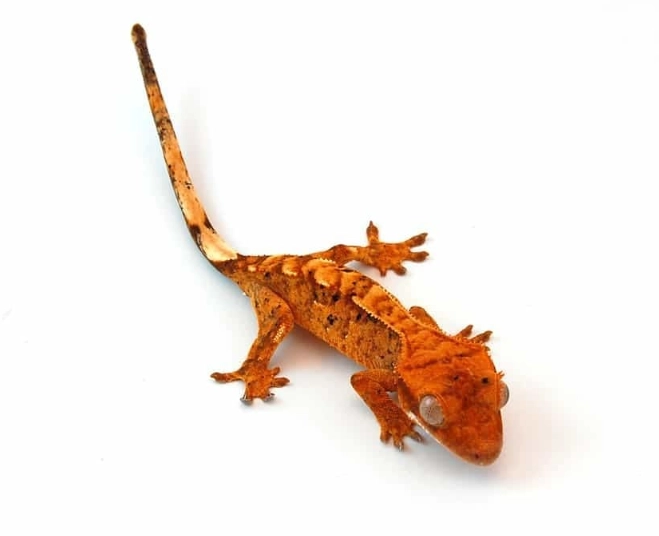
Your Top Questions, Answered
Caring for a Flame Harlequin Crested Gecko is a long-term commitment—they can live 15-20 years. The initial wow of their color should mature into a deeper appreciation for their quiet, quirky personalities. Get the fundamentals of temperature, humidity, and space right, add in thoughtful enrichment, and you'll have a thriving, breathtaking pet for decades. Start with a healthy animal from a breeder who can answer your questions, invest in the right setup from day one, and enjoy the journey. It's worth it.
Reader Comments