If you're asking what the biggest trouble with corn snakes is, you're likely a new or prospective owner looking for the real scoop. The honest answer isn't one single, dramatic issue. The biggest trouble is a collection of common, often underestimated challenges that stem from one core problem: misunderstanding what these seemingly simple reptiles actually need. It's not malice or a difficult personality—it's usually our own human assumptions that create the headaches.
I've kept and bred corn snakes for over a decade. The most frequent emails I get aren't about rare diseases; they're about escapes, refusal to eat, and mysterious stress behaviors. These are the real-world troubles that fill reptile forums.
Your Quick Guide to Corn Snake Troubles
Trouble #1: The Great Escape (They're Houdinis)
This is the most classic, panic-inducing trouble. Corn snakes are inquisitive, slender, and surprisingly strong for their size. A gap you think is too small often isn't.
The mistake I see constantly? Relying on the tank's default lid clips. Most are flimsy. A determined corn snake can nose up a corner, create just enough space, and be gone. I lost a beautiful amelanistic male for three days this way years ago—he was curled up inside my sofa's frame.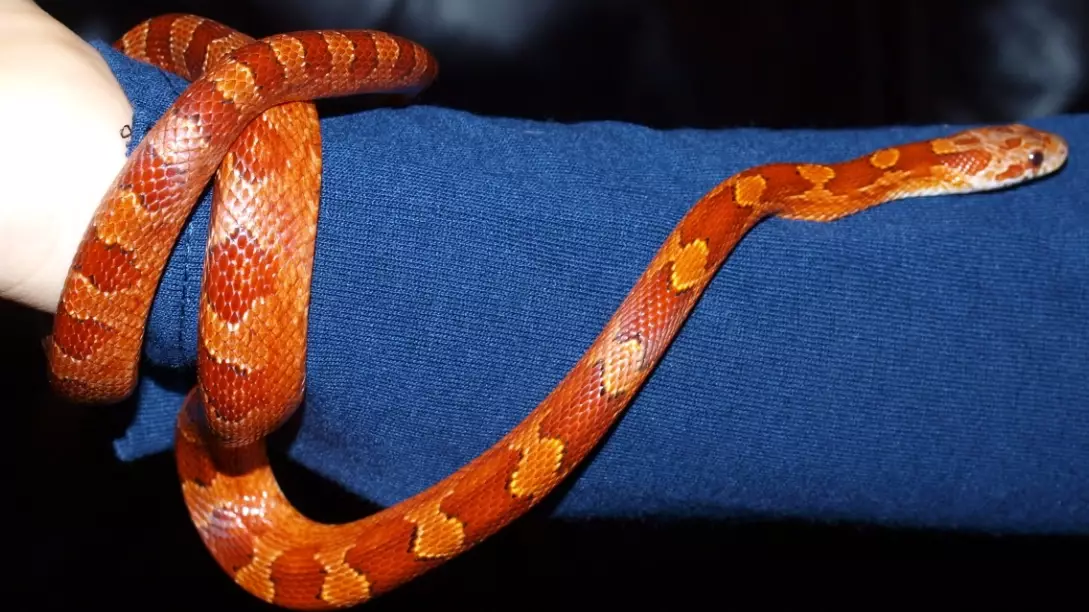
Check every vent, cable port, and door seal. If a pencil tip fits, a young corn snake can probably fit. Escape-proofing isn't a one-time task; it's a regular inspection ritual.
Trouble #2: Feeding Frustrations & Food Strikes
Corn snakes are generally great eaters, which makes it more alarming when they suddenly refuse food. The trouble here is misdiagnosing the cause.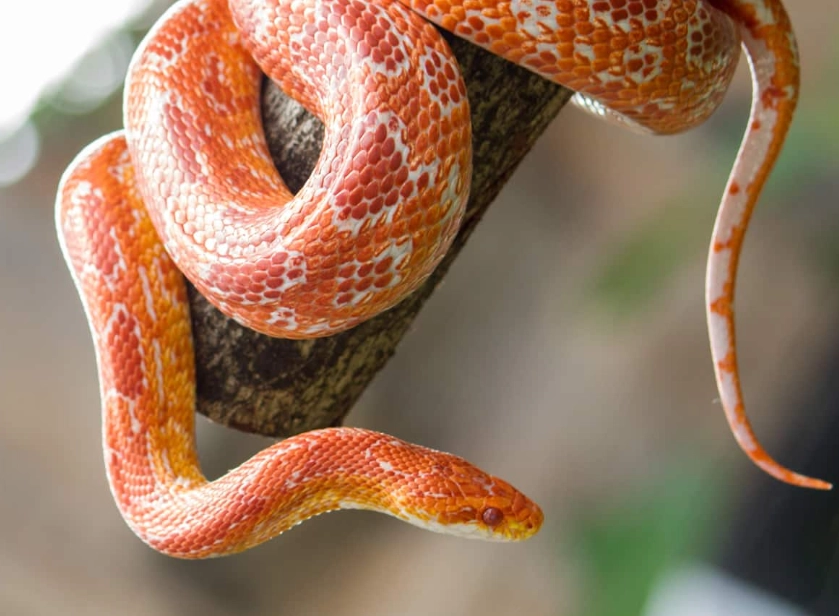
Why Your Corn Snake Might Refuse Food
- Incorrect Prey Size: Too big is intimidating, too small is unsatisfying. The prey's widest part should be about 1.5 times the snake's widest girth.
- Stress from Handling: Handling too soon before or after feeding is a common culprit. Give them 48 hours of complete rest after a meal.
- Seasonal Changes: In fall/winter, even with stable tank temps, some snakes naturally eat less. Don't panic if they skip a meal or two during this time.
- Shedding Cycle (Dystocia): Their eyes turn blue, their skin dulls. Most won't eat. Don't offer food until the shed is complete.
A subtle point most guides miss: the presentation method. Dangling a frozen-thawed mouse by the tail with long tongs can look unnatural. Try leaving it on a flat dish or piece of cardboard in the enclosure overnight. The "braining" method (piercing the skull to expose brain matter) sounds gruesome but is a powerful scent trigger for stubborn eaters.
Trouble #3: Getting Temperature & Humidity Wrong
"Room temperature" is not a corn snake's temperature. This trouble manifests slowly as poor digestion, respiratory infections, or incomplete sheds.
You need a thermal gradient. One end warm, one end cool. The snake moves to regulate its body temperature. A single thermometer in the middle of the tank tells you nothing useful.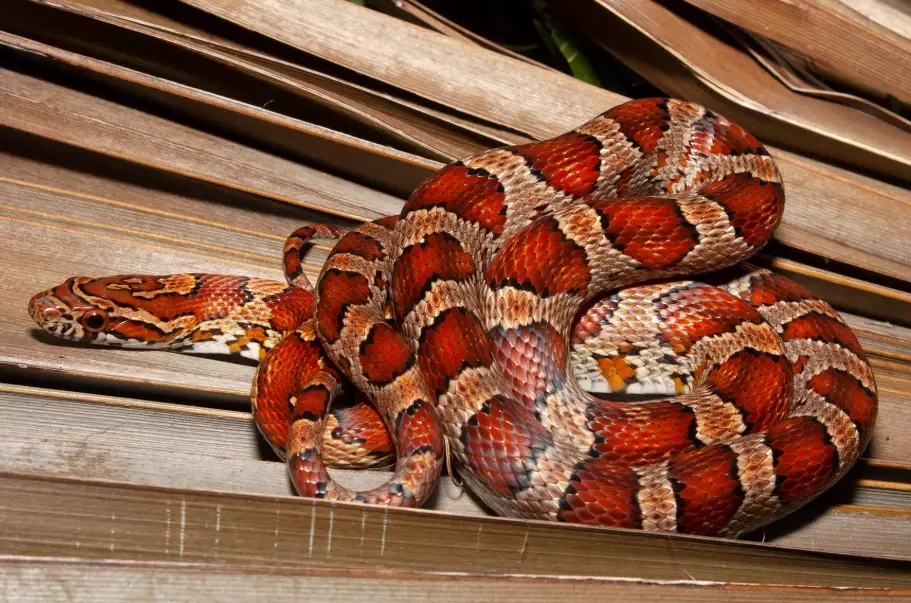
| Zone | Temperature Target | How to Achieve It | Common Mistake |
|---|---|---|---|
| Warm Side/Basking Spot | 85-88°F (29-31°C) | Under-tank heating pad regulated by a thermostat, or a ceramic heat emitter. | Using an unregulated heat mat (can cause burns). Placing the heat source inside without a guard. |
| Cool Side | 70-75°F (21-24°C) | Simply the area farthest from the heat source. | Letting this area drop below 70°F, especially at night. |
| Ambient Humidity | 40-50% (60-70% during shed) | Large water bowl, occasional misting, moisture-retaining substrate (like coconut fiber). | Misting so much that the substrate is constantly wet, leading to scale rot. |
The thermostat is non-negotiable. It's the most important piece of equipment you'll buy, more important than the tank itself. A $30 thermostat prevents a $300 vet bill for thermal burns.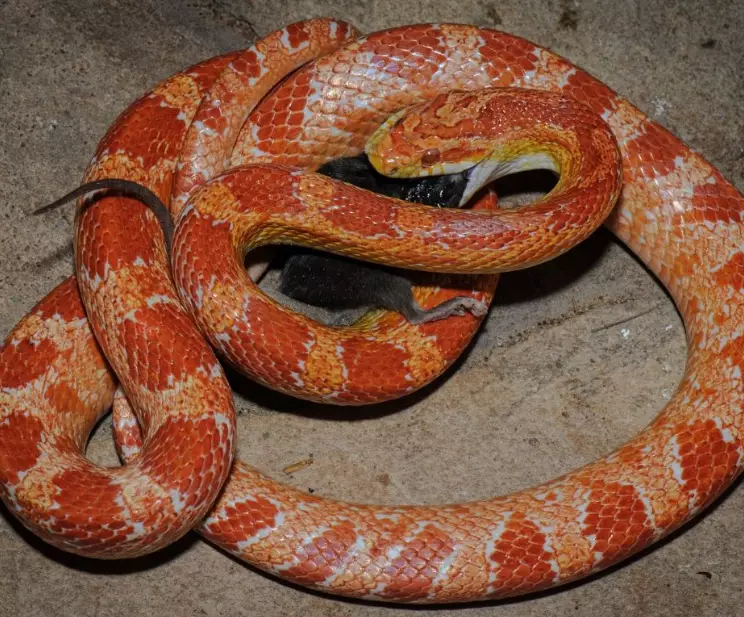
Trouble #4: Spotting Subtle Health Problems
Snakes hide illness. By the time symptoms are obvious to a novice, the problem can be advanced. The trouble is learning their normal to spot the abnormal.
Mites are a particular nuisance. They look like tiny black or red pepper flakes moving around the scales, especially under the chin and around the eyes. Quarantine any new reptile for at least 90 days. Treating mites involves cleaning the entire enclosure and using reptile-safe products—never flea shampoo meant for mammals.
Trouble #5: Underestimating the Long-Term Commitment
This is the meta-trouble that underpins the others. Corn snakes live 15-20 years, sometimes longer. The trouble is the slow creep of complacency.
It starts with skipping a weekly spot-clean because the tank "looks fine." Then you forget to check the thermostat dial for a month. Then you realize you haven't weighed your snake in a year and have no idea if its prey size is still appropriate. Life gets busy.
I've seen beautiful, docile snakes become defensive because their once-clean enclosure became a cluttered, waste-filled space they associated with stress. The commitment isn't just about feeding a creature; it's about maintaining a complex, controlled environment for two decades. Have a backup plan for power outages, vacations, and life changes.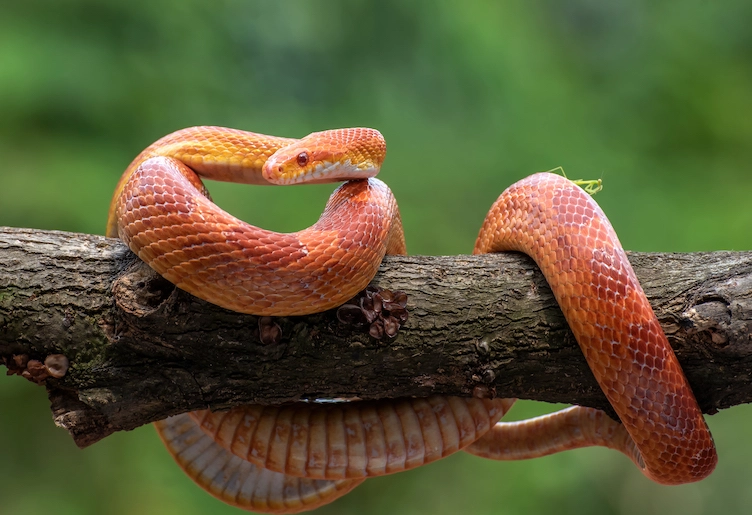
Corn Snake Trouble: Your Questions Answered
My corn snake won't eat frozen-thawed mice. What now?
First, ensure the mouse is fully thawed and warm (about 100°F). Run it under hot water, don't microwave it. Try different presentation methods: leave it overnight, or try the "braining" technique. If you've tried for 3-4 weeks with no success, consult a vet to rule out underlying health issues. Never switch to live prey out of desperation without expert guidance; live rodents can inflict serious wounds on a snake.
How do I truly escape-proof a sliding glass door terrarium?
The gap where the doors meet in the center is a major risk. Install a center lid lock or a sturdy external latch that bridges both doors. Also, check the small gap at the top-rear of most sliding tanks. A piece of vinyl weather stripping can seal that off. Test by trying to slide a credit card through any gap—if it fits, your snake can likely push through.
Is my corn snake's constant climbing on the glass ("glass surfing") a sign of trouble?
It can be. Occasional exploration is normal. Constant, frantic surfing along the walls usually signals stress. The most common causes are: 1) an enclosure that's too small (a 4ft long tank is the adult minimum), 2) lack of clutter and hiding places (they feel exposed), or 3) incorrect temperatures (they're searching for a suitable thermal zone). Add more fake plants, cork bark hides, and double-check your temps before assuming it's just "personality."
What's the one piece of equipment most corn snake owners regret not buying sooner?
A digital infrared temperature gun. Those stick-on analog thermometers are notoriously inaccurate. A temp gun lets you instantly check the exact surface temperature of the basking spot, the cool hide, and the water bowl area. It removes all the guesswork and costs less than $20. It's the single best tool for diagnosing a huge range of potential problems related to heating and humidity.
How often should I handle my corn snake, and could that be causing trouble?
Limit handling to 1-2 times a week for 10-15 minutes, and never for 48 hours after feeding. Over-handling is a significant but overlooked source of chronic low-grade stress, which can lead to feeding refusals and a weakened immune system. Your snake doesn't "enjoy" socialization like a dog; it tolerates it. Focus on brief, confident sessions rather than long cuddles. If the snake seems tense or tries to flee constantly, give it a break for a full week.
The biggest trouble with corn snakes isn't the snake itself. It's the gap between their simple reputation and their specific, nuanced needs. They are resilient, but they thrive on consistency and attention to detail. By anticipating these five major areas of trouble—escapes, feeding, environment, health monitoring, and long-term dedication—you move from a frustrated owner reacting to problems to a confident keeper preventing them. That's the real secret to a trouble-free life with one of the best pet snakes out there.
Reader Comments