The short, and maybe surprising, answer is: almost everywhere. If you're asking "where are jumping spiders found," you're likely picturing a specific jungle or remote desert. The reality is far more ordinary and fascinating. With over 6,000 described species in the family Salticidae, jumping spiders have conquered every continent except Antarctica. I've spent years observing them, and the most common mistake people make is looking in the wrong places—thinking they're only in wild, untouched nature. You're far more likely to find one on your sunlit windowsill than deep in a dark forest.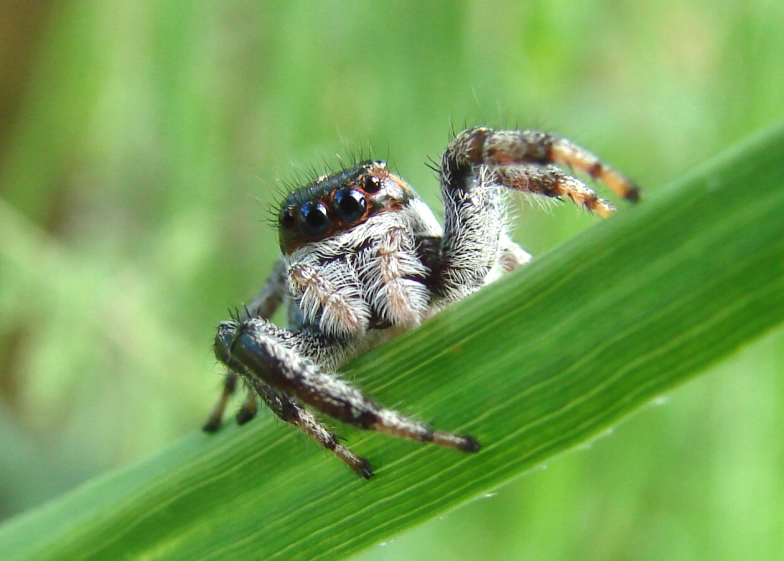
What You'll Discover in This Guide
Global Distribution: A Truly Cosmopolitan Family
Let's break down the "where" by continent. It's not just about listing places; it's about understanding why they thrive there. Their success is tied to their daytime hunting strategy and incredible vision. Unlike web-building spiders that wait in shadows, jumpers are active visual predators. This means they flourish in environments with good light and complex surfaces for stalking prey.
| Region/Continent | Key Characteristics & Notable Species | Typical Habitats Within the Region |
|---|---|---|
| North America | Extremely diverse, from the tiny Habronattus with complex courtship dances to the larger Phidippus genus (like the bold jumper). Hundreds of species. | Gardens, grasslands, forests, deserts (e.g., Southwest USA), on exterior walls, and inside homes. |
| Central & South America | Highest biodiversity hotspot, especially in rainforests like the Amazon. Home to stunningly colorful genera like Lyssomanes (translucent green) and Phiale. | Rainforest canopies, bromeliads, lowland forests, tropical gardens, and agricultural edges. |
| Europe | Moderate diversity. Common genera include Salticus (zebra spiders) often seen on walls, and Evarcha. Well-adapted to temperate climates. | Stone walls, fences, heathlands, gardens, and meadows. Frequently found on man-made structures. |
| Africa | Immense variety, including many endemic species. Ranges from the Hyllus (heavy jumpers, some of the largest) to tiny desert specialists. | Savannas, deserts, fynbos (South Africa), rainforests (Central/West), and urban areas. |
| Asia & Australasia | Extremely rich and unique fauna. Includes the famous peacock spiders (Maratus) in Australia and a huge array of forms in Southeast Asian jungles. | Eucalyptus forests, tropical rainforests, scrublands, beaches, and suburban parks. Many are arboreal. |
The World Spider Catalog is the authoritative source for tracking species distribution, and their data shows no major landmass is without salticids. A common misconception is that they avoid cold areas. While diversity drops, species like the Eurasian Salticus scenicus survive quite far north, hibernating in crevices during winter.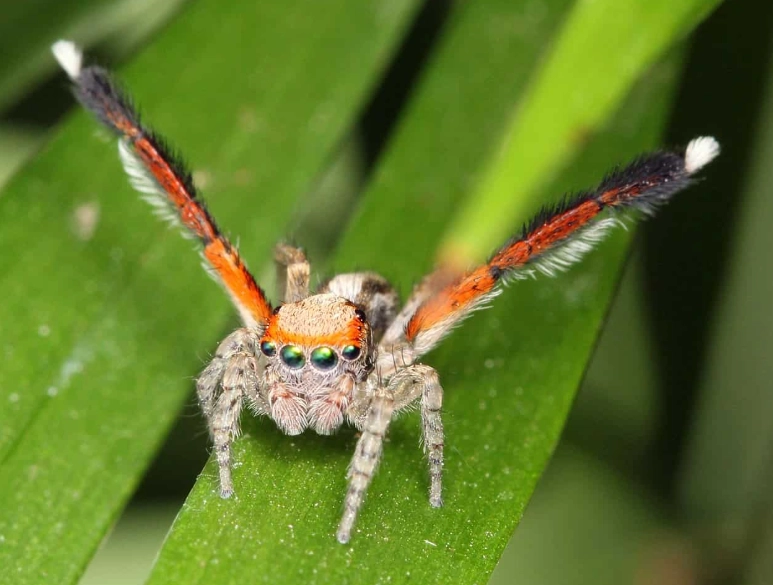
Preferred Habitats: From Forests to Your Fence
"Where are jumping spiders found" translates to "what kinds of spots do they like?" Think like a hunter that relies on sight and short, powerful leaps. They need three things: light, vantage points, and prey traffic.
Natural Environments
In the wild, they partition themselves vertically and by surface type.
Forests & Jungles: Canopy dwellers like Lyssomanes hunt on leaves. Bark specialists have flatter bodies to creep into grooves. The forest floor layer has its own species hunting among leaf litter. It's a stratified world.
Grasslands & Meadows: A prime habitat. Grasses and flowers are perfect for ambushing insects. Look for them on seed heads, poised like tiny cats. Genera like Habronattus are masters here.
Deserts & Scrublands: Adapted for extreme heat. They often have paler colors and hunt in the early morning or late afternoon, retreating under stones or into burrows during peak heat. Their distribution is patchy, tied to scarce vegetation.
Human-Modified and Urban Environments
This is where most people will actually encounter them. Jumping spiders are synanthropic—they benefit from human environments.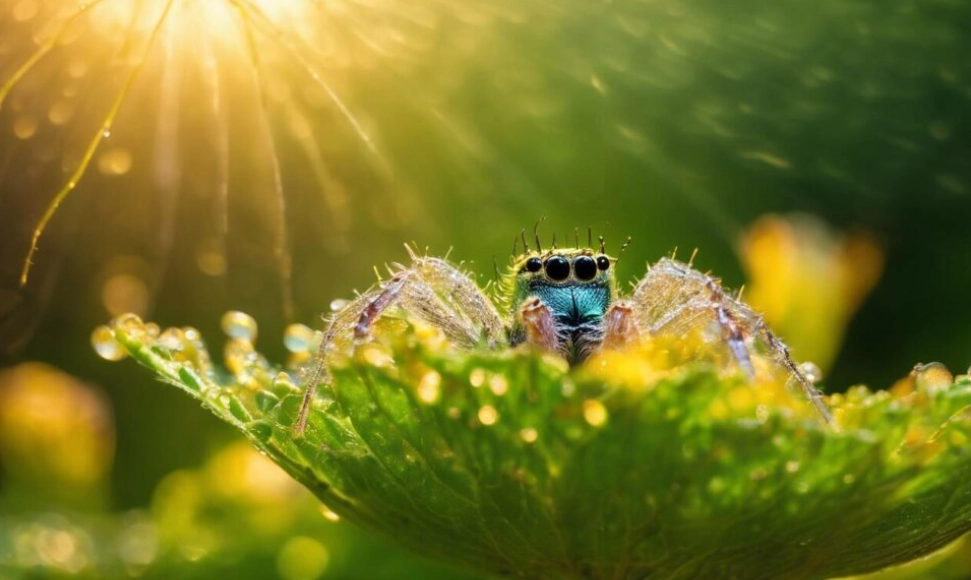
Your Backyard or Garden: This is arguably the best place to start looking. Fence posts, garden sheds, sunflower faces, rosemary bushes, and tall grasses are all prime real estate. They love the interface between structure and vegetation.
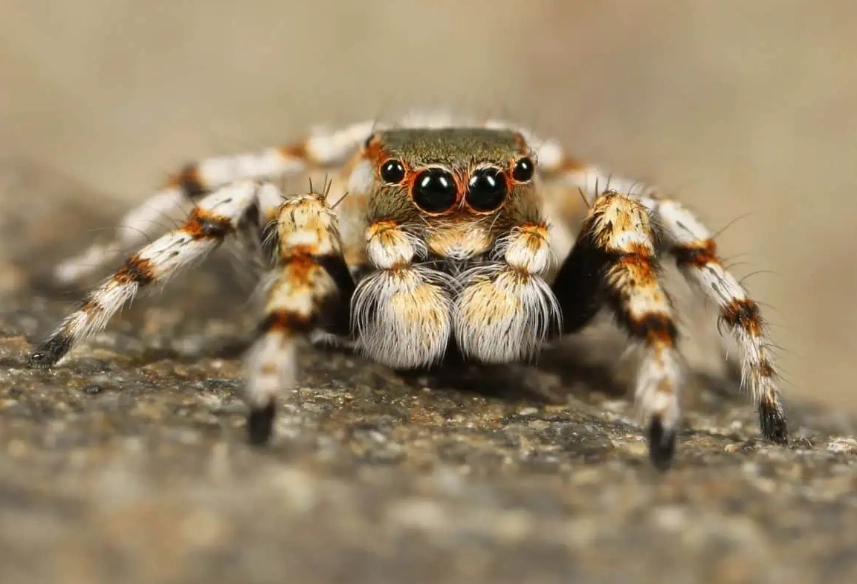
On Buildings: Sunny walls, window frames, siding, and porch railings are superhighways for them. The zebra spider (Salticus scenicus) is almost exclusively found on vertical surfaces like walls.
Inside Homes: Yes, they do come indoors, usually by accident. They're often found on windowsills, drawn to the light and trapped flies. They are not "infesting" your house; they're likely just a lone explorer. I usually gently escort them back outside—they're better pest controllers out there.
A key non-consensus point: most generic guides tell you to look in "vegetation." That's too vague. Look for specific structures within that vegetation: the underside of a single leaf turned toward the sun, the central disc of a daisy, the junction where a stem meets a fence. That's where they station themselves.
How to Find Jumping Spiders in Your Area
Want to see one for yourself? It's a matter of technique, not just luck.
Timing is Everything: Go looking on a sunny, calm morning, from about 2 hours after sunrise until early afternoon. They are diurnal and need warmth to be active. Overcast or windy days are poor for spotting them.
The Scan Technique: Don't walk and look. Pick a promising spot—a patch of flowers, a section of fence. Stand still for a minute. Let your eyes slowly scan across surfaces about 1-2 feet away. Look for small, dark, oddly shaped "specks" that move in quick, jerky pauses. Their movement is a dead giveaway.
Use the Sun: Position yourself so the sun is over your shoulder, illuminating the area you're scanning. Their often-iridescent chelicerae (mouthparts) or eyes can catch the light with a tiny flash.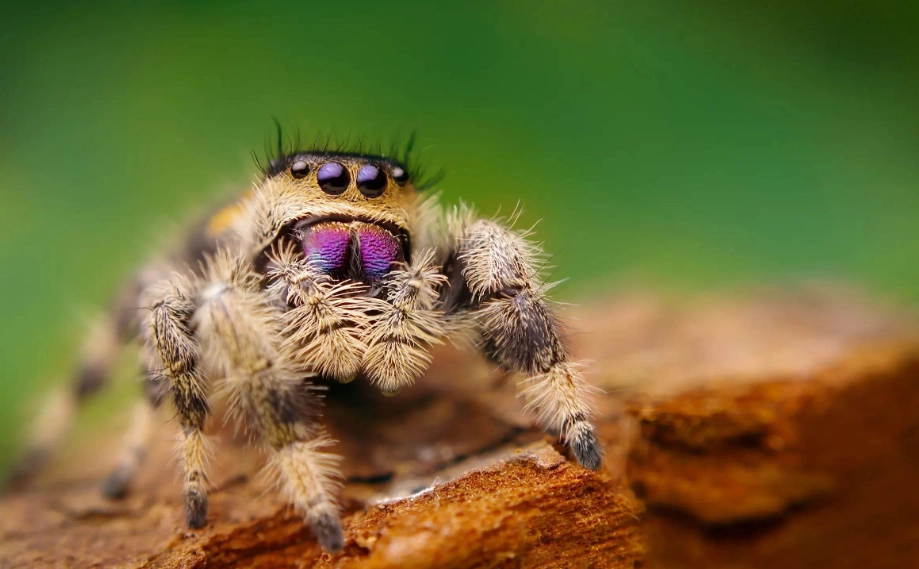
Where to Look Checklist:
- **Sunny side** of fence posts, garden sheds, or walls.
- **Flowers** like daisies, sunflowers, or goldenrod.
- **Tall grasses** or seed heads at the edge of a lawn.
- **Stone walls** or rock piles with crevices.
- **Exterior window frames and sills.**
Carry a small magnifying glass or use your phone's camera zoom. Getting a closer look reveals their incredible detail and personality.
A negative opinion? Many insect "spotting guides" are useless for spiders. They show perfect side-profile photos, but in the field, you often see a tiny blob from above. Learning the characteristic silhouette—a compact, front-heavy body with short legs—is more helpful.
Your Questions on Jumping Spider Locations Answered
 What's the best time of year to find the most jumping spiders?
So, where are jumping spiders found? The map is global, but your search can be hyper-local. Start in your own garden, on your porch, or by a sunny wall. Pay attention to light and structure. You're not just looking for a spider; you're looking for a sophisticated, visual predator that has made a home from the rainforest to your railing. Once you tune your eyes to their world, you'll see them everywhere.
Reader Comments