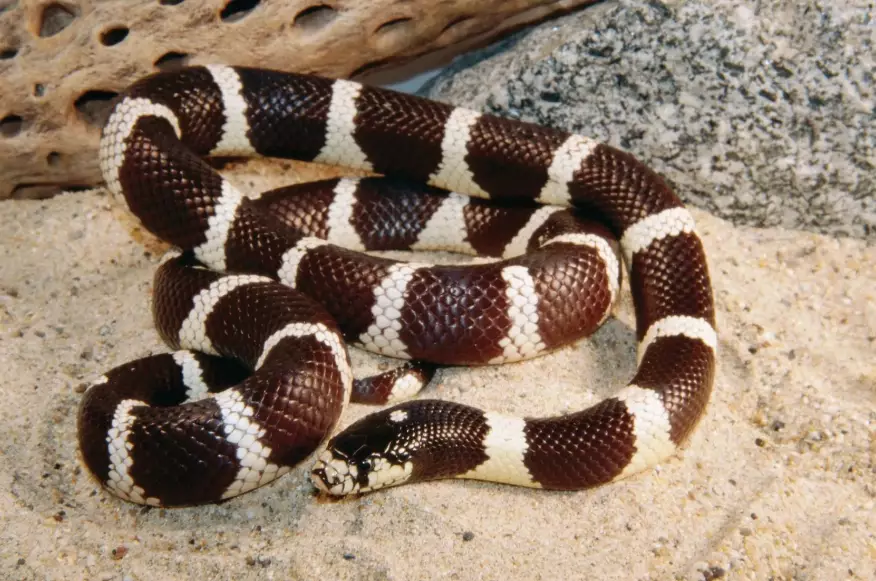
Let's cut right to the chase, because I know why you're here. You've seen pictures of the stunning black and white banded California kingsnake, maybe at a reptile expo or a friend's house, and thought, "I want one." But then a nagging question pops up: are California kingsnakes venomous? It's the single biggest concern for potential owners, especially those with kids or who are just new to snakes. The short, definitive answer is NO, they are NOT venomous. Not even a little bit. But that's just the start of the story. The real question isn't about venom; it's about understanding what makes this snake a fantastic, safe pet and knowing exactly how to care for it so it thrives for 20 years or more.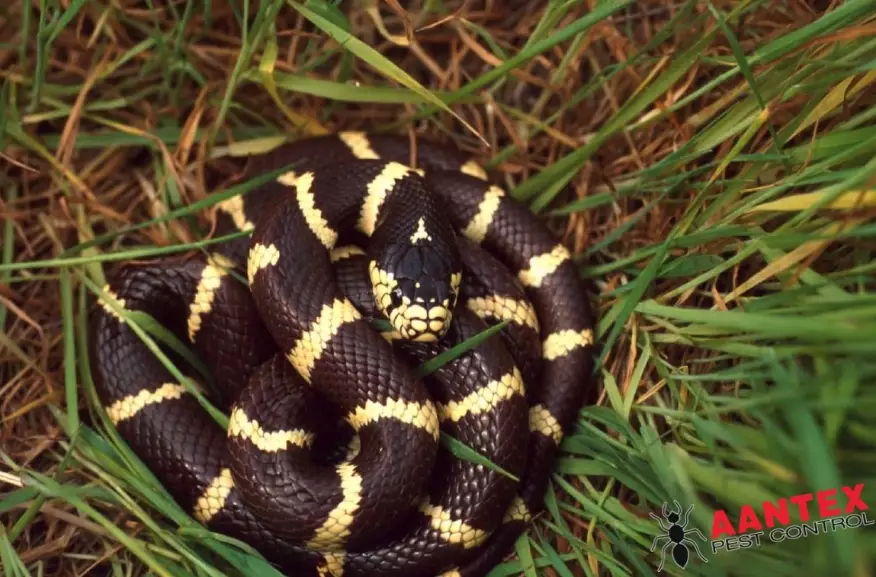
What You'll Find Inside
Are California Kingsnakes Venomous? The Definitive Answer
California kingsnakes (Lampropeltis californiae) are constrictors. They belong to the family Colubridae, which is a large family of mostly non-venomous snakes. They subdue their prey—think mice, lizards, and other small animals—by coiling around it and squeezing, not by injecting venom. This is a fundamental biological fact, confirmed by sources like the Society for the Study of Amphibians and Reptiles and countless field studies.
Now, can they bite? Absolutely. Any animal with a mouth can bite. A startled or defensive California kingsnake might give you a quick nip. I've been tagged a few times over the years, usually when my hands smelled like mouse. It feels like a series of quick pinpricks—startling, but not medically significant. Clean it with soap and water, and you're done. The risk of infection is far lower than a cat scratch. Comparing their bite to a venomous snake bite is like comparing a paper cut to a surgical incision.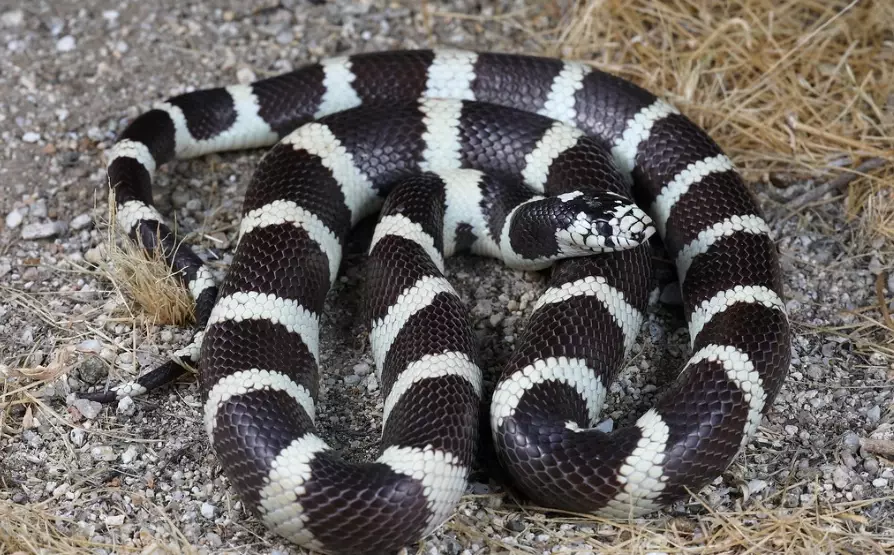
How to Tell a Kingsnake from a Venomous Look-Alike
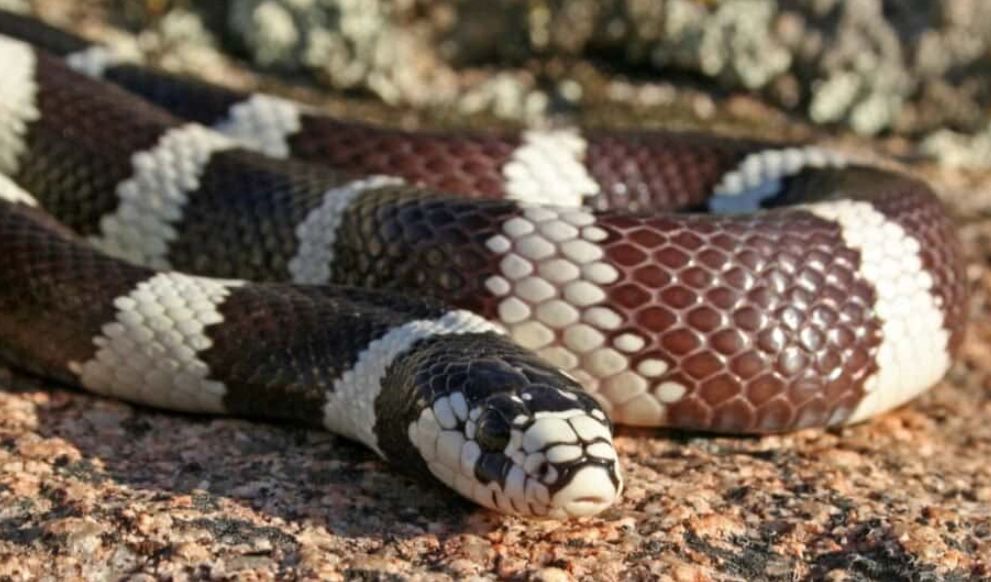
In the wild, their banding pattern can sometimes be confused with the venomous coral snake. Remember the old rhyme? "Red on yellow, kill a fellow; red on black, venom lack." California kingsnakes have red (or sometimes brown/cream) bands touching black bands ("red on black"). However, this rhyme only works in certain regions and is unreliable. The surefire way is head shape and body structure: kingsnakes have narrow, rounded heads and smooth scales, unlike the broad, triangular heads of pit vipers.
California Kingsnake Care: The Ultimate Setup Guide
Forget the tiny tanks you see at pet stores. A proper enclosure is the foundation of a healthy, calm snake. The biggest mistake I see is undersized, barren housing that stresses the animal.
| Essential Item | Specific Recommendation & Why | Beginner Pitfall to Avoid |
|---|---|---|
| Enclosure Size | 40-gallon breeder tank (36"x18"x16") minimum for an adult. Hatchlings can start in a 10-gallon. Front-opening PVC cages are superior for humidity and security. Length is more important than height. | Using a tall, narrow "reptile tower." Kingsnakes are terrestrial; they need floor space to roam, not climb. |
| Heating & Gradient | Under-tank heater (UTH) on a thermostat set to 88-90°F on one side. Ambient temp 75-80°F. Cool side 70-75°F. NO heat rocks. Use a digital thermometer, not the stick-on kind. | Guessing temperatures. Inconsistent heat is the #1 cause of feeding refusals and respiratory infections. |
| Substrate (Bedding) | Aspen shavings are the gold standard. It holds burrows well, is cheap, and allows you to spot feces easily. Cypress mulch is a good second for slightly higher humidity. | Using cedar or pine shavings (toxic resins), sand (causes impaction), or newspaper (too barren, holds no humidity). |
| Hides & Security | Two identical hides—one on the warm end, one on the cool end. The snake should fit snugly inside. Add clutter: fake plants, cork flats, cardboard tubes. A stressed snake is a hiding snake. | Only one hide, or hides that are too large. If the snake can't touch three sides when curled up, it doesn't feel secure. |
| Water & Humidity | A heavy, tip-proof water bowl large enough for soaking. Ambient humidity 40-50%. Boost to 60-70% during shed by misting or providing a humid hide (a box with damp sphagnum moss). | Letting the bowl run dry or ignoring humidity. Bad sheds (retained eye caps) are almost always a humidity issue. |
Setting this up isn't a weekend project you rush. Take your time. Get the thermostat before you get the snake. I've seen more heartbreak from thermal burns than from any other husbandry error.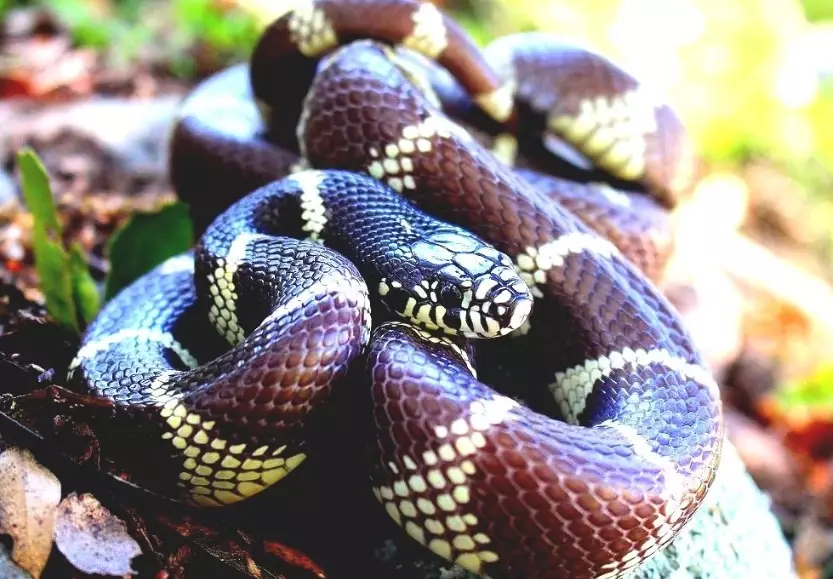
Feeding Your Kingsnake: From Pinkies to Adults
Feeding is straightforward if you follow the rules. They eat frozen-thawed rodents. Never feed live prey—it's dangerous for the snake and inhumane for the rodent.
- Prey Size: The rodent should be no wider than the snake's body at its widest point. A slightly bulging stomach after feeding is normal; a huge lump is not.
- Schedule: Hatchlings: every 5-7 days. Juveniles: every 7-10 days. Adults: every 10-14 days. An adult kingsnake does not need a jumbo rat every week. Overfeeding leads to obesity and fatty liver disease.
- Technique: Use long feeding tongs. Thaw the rodent completely in warm water. Offer it head-first, wiggling it slightly. If refused, don't panic. Remove it, check your temperatures, and try again in 5-7 days.
Behavior & Temperament: What to Really Expect
With regular, gentle handling, most California kingsnakes become incredibly docile. They are active, curious snakes. You'll see them cruising their enclosure at dawn and dusk. They are escape artists par excellence—double-check all cage latches.
Their famous "musking" defense? When scared, they may release a foul-smelling liquid from their cloaca. It stinks, but it washes off. It's a sign you're moving too fast. Handle for short, positive sessions, and this behavior usually disappears in captive-bred specimens.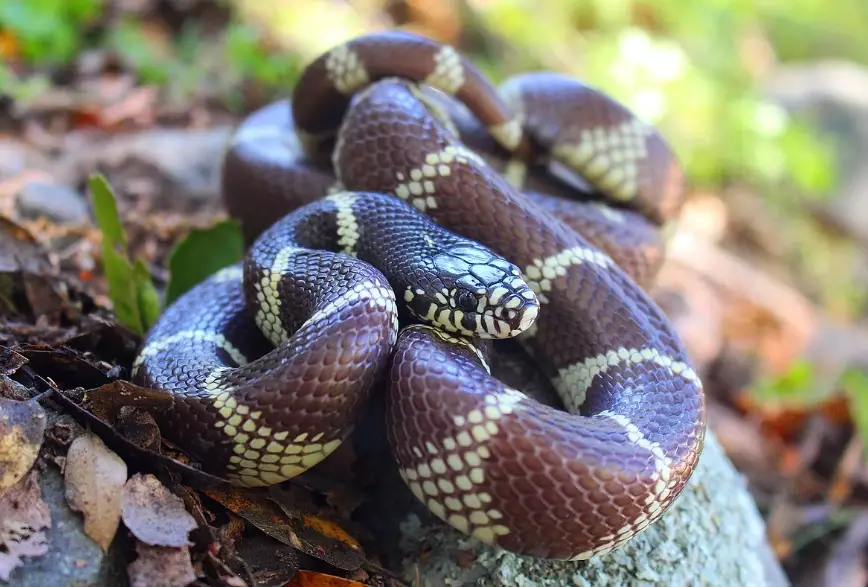
5 Expert-Level Mistakes Even Experienced Keepers Make
After a decade, you see patterns. Here's what slips past even good owners:
- Ignoring Seasonal Cues: In winter, even in a heated home, your snake may naturally go off feed for a few months. As long as weight loss is minimal (
- Over-Supplementing: If you're feeding whole, pre-killed rodents, you do not need to dust them with calcium powder. Nutritional imbalances can occur from over-supplementation.
- Misreading "Hunger Strikes": A refusal to eat is almost never about "pickiness." It's a husbandry check engine light. Re-check temperatures first, then humidity, then security. Is the prey item too large or not warm enough?
- Handling After Feeding: Leave the snake completely alone for at least 48 hours after a meal. Handling can cause regurgitation, which is stressful and harmful.
- Underestimating Lifespan: This is a 15-20 year commitment. Are you ready for that? Plan for vacations, potential moves, and life changes.
Your Burning Questions, Answered
 Can I house two California kingsnakes together since they're not venomous to each other?
 So, is the California kingsnake venomous? The question itself is a gateway. It leads you to the truth about one of the hardiest, most personable, and truly beginner-friendly snakes in the hobby. Their complete lack of venom is a feature, not a bug. It lets you focus on the rewarding parts of reptile keeping: building a perfect habitat, learning their unique personality, and enjoying an animal that is both beautiful and entirely safe to share your home with. Do your homework, set up right, and you'll have a fascinating companion for decades.
Reader Comments