Let's cut to the chase: if you're keeping a Scorpion Tailed Gecko, the tank size isn't just a box—it's their whole world. Get it wrong, and you'll see a stressed, unhealthy pet. Get it right, and you'll have an active, thriving gecko. Based on my years of reptile keeping, I recommend a minimum of a 20-gallon tall tank for one adult, but there's a lot more to it. This guide dives deep into the specifics, from dimensions to setup, so you can avoid the common pitfalls I've seen too many beginners make.
Quick Navigation: What You'll Learn
Why Tank Size Matters for Scorpion Tailed Geckos
Scorpion Tailed Geckos aren't just decorative pets; they're active climbers from arid regions. A small tank cramps their style—literally. In the wild, they roam across rocks and shrubs, so confinement leads to stress. Stress in geckos isn't always obvious; it can show up as glass-surfing, hiding all day, or even refusing food. I once rescued a gecko from a tiny 5-gallon tank, and after moving it to a proper enclosure, its color brightened within weeks. The Reptile and Amphibian Society of America notes that inadequate space is a leading cause of reptile health issues, but many owners overlook it because geckos seem "fine" sitting still.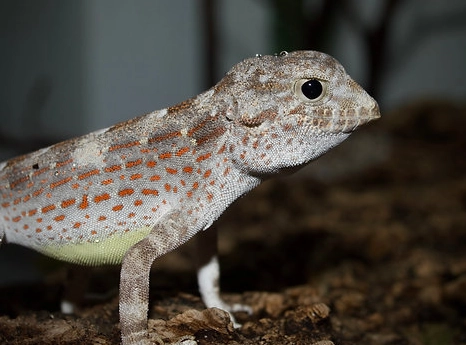
Think of it this way: the tank size affects everything—temperature gradients, humidity control, exercise, and mental stimulation. A too-small tank can't maintain proper thermal zones, forcing your gecko to choose between being too hot or too cold. That's a recipe for metabolic problems.
Recommended Tank Sizes by Life Stage
Size needs change as your gecko grows. Here's a breakdown based on life stage, drawn from both expert guidelines and my own trials.
Juvenile Scorpion Tailed Gecko Tank Size
For hatchlings or juveniles (under 6 months), a 10-gallon tank (20" L x 10" W x 12" H) works temporarily. It's easier to monitor them and control conditions. But don't get too comfortable—they grow fast. I usually upgrade mine within 4-5 months. The key is to provide enough floor space for hunting small insects and shallow climbs.
Adult Scorpion Tailed Gecko Tank Size
Adults need room to stretch. The absolute minimum for one adult is a 20-gallon tall tank (24" L x 12" W x 16" H). That's 24 inches long, 12 wide, and 16 high. Why tall? These geckos love to climb. If you can go bigger, do it. A 30-gallon tank (36" L x 12" W x 16" H) gives more horizontal space for exploring. For multiple adults, scale up significantly—more on that later.
Pro Tip: Measure your space before buying. I learned the hard way when a 40-gallon tank didn't fit on my stand. Always check dimensions in inches, not just gallon ratings—manufacturers vary.
| Life Stage | Minimum Tank Size | Ideal Dimensions (L x W x H) | Notes |
|---|---|---|---|
| Juvenile | 10 gallons | 20" x 10" x 12" | Temporary; upgrade quickly |
| Adult (Single) | 20 gallons tall | 24" x 12" x 16" | Essential for climbing |
| Adult (Pair) | 40 gallons breeder | 36" x 18" x 16" | Avoid housing males together |
| Breeding Group | 50+ gallons | 48" x 18" x 18" | Multiple hides required |
Choosing the Right Enclosure Type
Material matters almost as much as size. Glass, plastic, wood—each has pros and cons. Glass tanks are common but heavy; plastic ones are lightweight but can scratch. I prefer front-opening enclosures for easy access, like those from brands like Exo Terra. They reduce stress during cleaning because you're not looming from above.
Vertical vs. horizontal: Scorpion Tailed Geckos are semi-arboreal, so vertical space is golden. A tall, arboreal tank (18x18x24 inches) mimics their natural habitat better. But ensure it's not too narrow—geckos still need floor area for basking and digging. A mistake I see is owners using fish tanks designed for aquatic life; they often lack proper ventilation or climbing surfaces.
If you're on a budget, modified plastic storage bins can work for juveniles, but they're not ideal long-term due to poor visibility and airflow. Invest in a quality enclosure early; it saves money on vet bills later.
Setting Up the Perfect Habitat
Size is just the start. How you fill the tank makes all the difference. Here's a step-by-step approach I've refined over the years.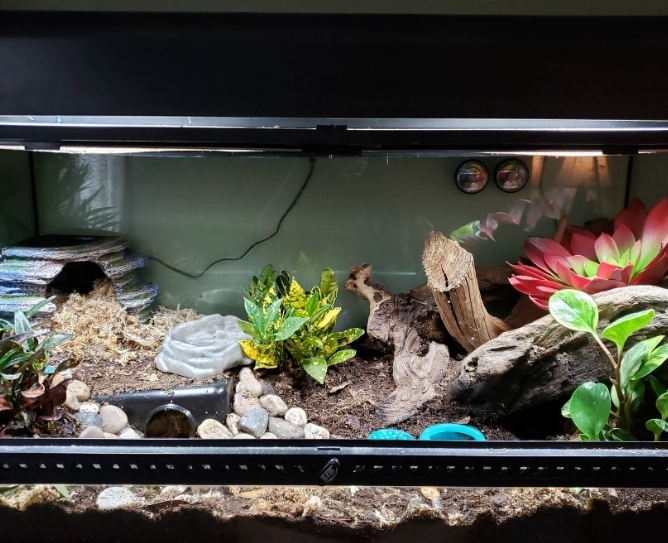
Substrate: Use a mix of 70% topsoil and 30% play sand. Avoid pure sand—it can cause impaction if ingested. The substrate should be deep enough for burrowing, about 2-3 inches. For a bioactive setup (a hot trend right now), add springtails and isopods to break down waste. It reduces cleaning frequency and mimics a natural ecosystem.
Temperature and Lighting: Create a thermal gradient. One side should have a basking spot at 88-92°F, the other side cooler at 75-80°F. Use an under-tank heater or ceramic heat emitter, not heat rocks—they can burn. A UVB light isn't strictly necessary for Scorpion Tailed Geckos, but I've noticed better activity with low-level UVB, like a 5.0 bulb for 10-12 hours a day. According to the International Herpetological Society, UVB can aid in calcium metabolism, though it's debated.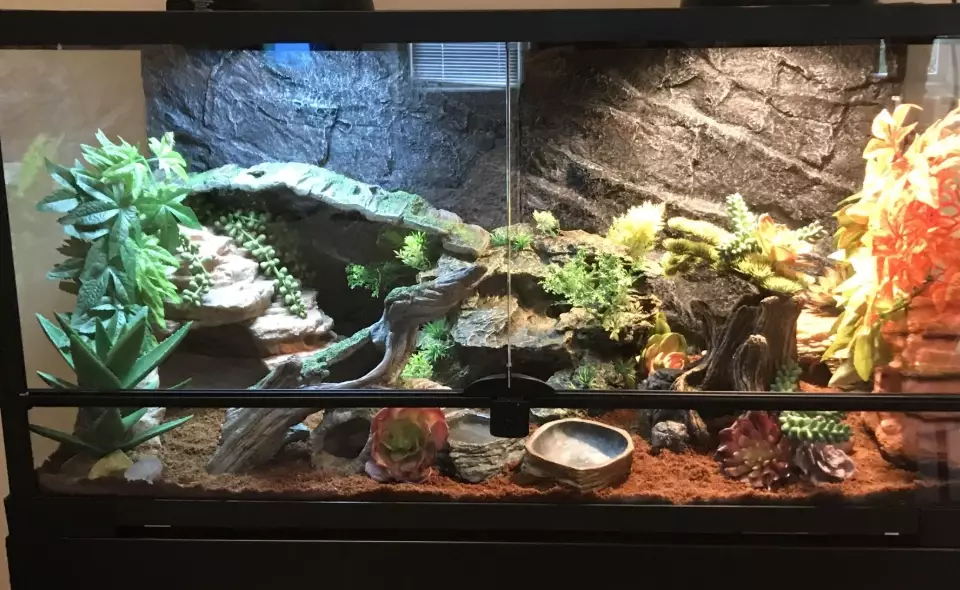
Decoration and Hides: Add climbing branches, cork bark, and artificial plants. Place at least two hides—one on the warm side, one on the cool side. I like to use half-log hides or rock caves. Ensure decorations are secure; falling items can injure your gecko. A water dish large enough for soaking but shallow to prevent drowning is a must. Change water daily.
Humidity should stay around 40-50%. Mist lightly in the morning. Too high humidity leads to respiratory issues; too low causes shedding problems. I use a digital hygrometer to monitor—analog ones are often inaccurate.
Common Mistakes and How to Avoid Them
Everyone makes errors, but here are the big ones I've seen with tank size and setup.
Overcrowding with Decor: It's tempting to fill the tank with cool stuff, but too much decor reduces usable space. Your gecko needs open areas to move. I once over-decorated a tank and my gecko stopped exploring—it felt cramped. Keep it balanced: climbing structures yes, but leave some floor clear.
Ignoring Vertical Space: Many owners focus on length and width, forgetting height. Scorpion Tailed Geckos are climbers! A tank that's too short limits natural behavior. If your gecko is always on the ground, consider adding more vertical elements.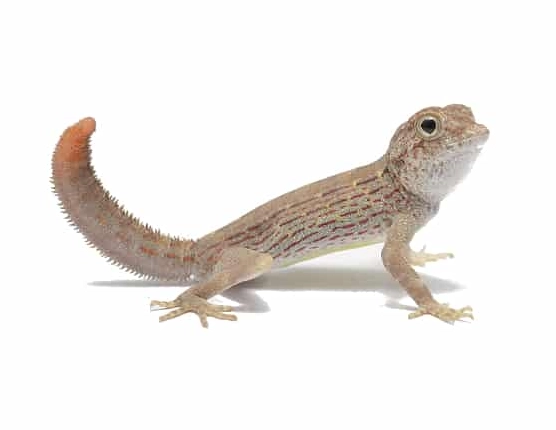
Using the Wrong Measurements: Gallon ratings can be misleading. A 20-gallon long tank has different dimensions than a 20-gallon tall. Always check the actual inches. I recommend measuring your tank's interior space, not just the exterior.
Delaying Upgrades: Juveniles outgrow small tanks fast. Waiting too long stunts their development. Plan for the adult size from day one—it's cheaper to buy one big tank than multiple small ones.
A non-consensus point: some forums say Scorpion Tailed Geckons are "fine" in 10-gallon tanks. From my experience, that's a myth. They survive, but they don't thrive. Stress from small spaces can shorten their lifespan, which is often 10-15 years in captivity.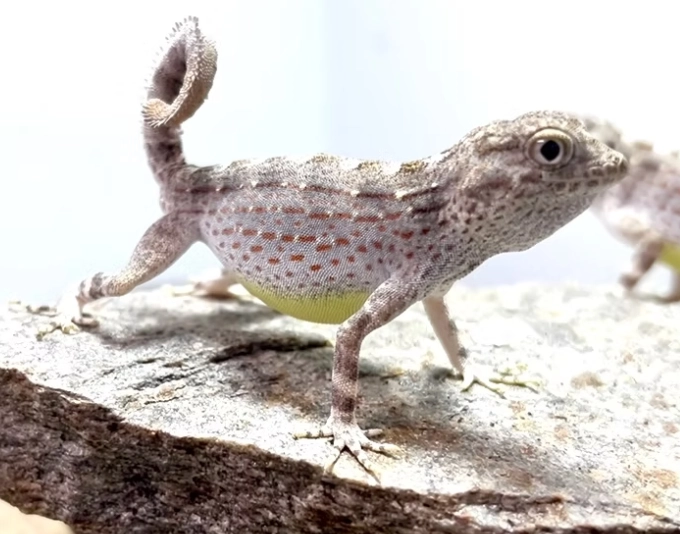
Frequently Asked Questions
Wrapping up, the right tank size for your Scorpion Tailed Gecko isn't a luxury—it's a necessity. Start with at least a 20-gallon tall, focus on vertical space, and avoid the common pitfalls like overcrowding. Your gecko will thank you with vibrant health and active behavior. If you're unsure, always err on the side of bigger. After all, in the reptile world, more space usually means a happier pet.
Reader Comments