Let's cut straight to the chase: Blue-tongued skinks are not poisonous, nor are they venomous. If you landed here worried that your pet lizard or one you encountered in your backyard is a toxic threat, you can breathe a sigh of relief. The widespread belief that these lizards are dangerous stems from a classic case of mistaken identity and a brilliantly effective bluff. Their dramatic blue tongue and defensive hissing are purely for show—an evolutionary costume designed to scare off predators by mimicking more dangerous animals. I've kept blueys for over a decade, and the number of times I've had to debunk this myth for concerned friends is staggering.
But here's the crucial part many care sheets gloss over: while they lack toxins, a blue-tongue skink bite is a real thing that can happen, and it carries a non-zero risk. It's not about poison; it's about bacteria, pain, and proper handling. This article will dismantle the poison myth piece by piece, explain what that blue tongue is really for, and give you the straight facts on the actual risks and how to handle these fantastic reptiles safely.
What's Inside?
Where the Poison Myth Comes From
Why does this idea persist? It's not pulled from thin air. In nature, bright colors often signal danger—think poison dart frogs or coral snakes. This is called aposematic coloration. The blue-tongued skink's most striking feature is, obviously, its vibrant cobalt-blue tongue. When threatened, it opens its mouth wide, hisses loudly, and flattens its body to look bigger, all while flashing that brilliant blue tongue. To a bird, fox, or inexperienced human, the message is clear: "I'm toxic, don't eat me."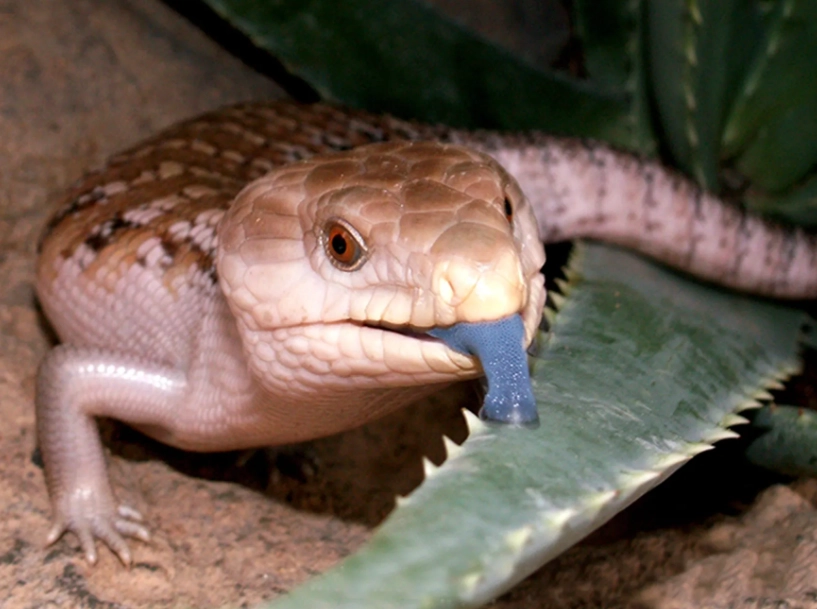
It's a phenomenal bluff. They've evolved to copy the warning signs of genuinely dangerous animals without actually investing energy in producing toxins. From an evolutionary standpoint, it's cheaper and just as effective. I've seen this work firsthand with my dog. One curious sniff at my skink, Bruce, when he performed his display, and my dog jumped back and hasn't gone near the terrarium since.
Furthermore, they are sometimes confused with other lizards. In certain regions, blue-tongues share habitats with genuinely venomous creatures like some snakes or the Gila monster (a venomous lizard found in the Americas). A quick, frightened glance can lead to misidentification, cementing the false belief in local folklore.
The Blue Tongue: A Misunderstood Defense
Let's break down their defense strategy, because it's a masterclass in reptile psychology.
The Display Sequence: It's not random. When startled, a blue-tongue will first freeze, hoping not to be seen. If the threat approaches, it will turn to face the intruder, puff up its body, and let out a sharp, prolonged hiss by forcing air out of its lungs. Then, the grand finale: it gapes its mouth open, revealing the stark contrast of the pink mouth lining and that startling blue tongue. Sometimes it will even lunge forward a short distance. The entire performance is designed to trigger a predator's innate aversion to unnatural, bright colors in a potential food item.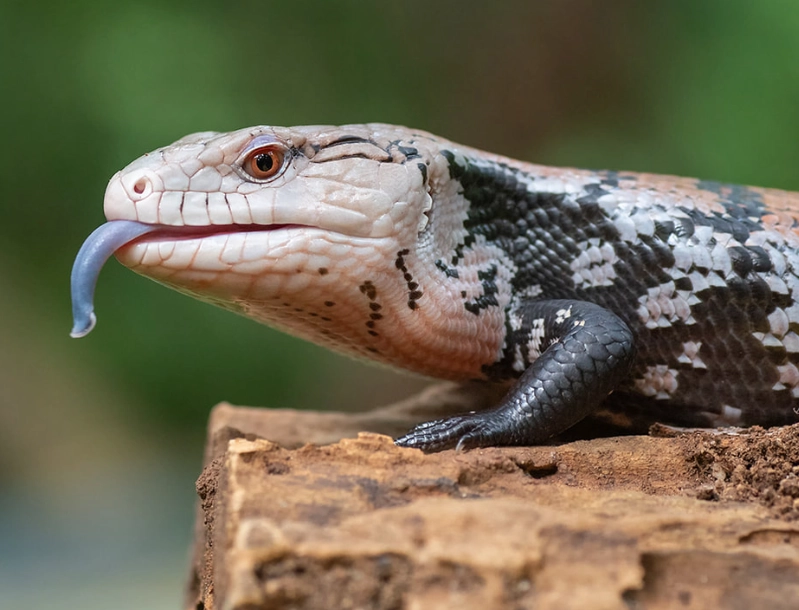
Expert Note: The intensity of the display varies by individual and species. My Northern blue-tongue is all bark and no bite—his hiss is impressive, but he's never attempted to lunge. However, I've worked with wild-caught Indonesian species that are far more defensive and quick to bluff-strike. Never assume a "tame" skink won't defend itself if it feels truly threatened.
It's pure theater. Underneath the show, they are physically unequipped for venom delivery. They lack specialized venom glands (like snakes), grooved or hollow fangs, or any of the anatomical structures associated with poisoning or envenomation. Their teeth are designed for crushing snails, insects, and plant matter—not injecting toxins.
The Real Danger: Bites and Bacterial Infection
Okay, so no poison. But can they bite? Absolutely. And this is where new and even experienced keepers can get complacent.
A blue-tongued skink has a powerful jaw for its size, evolved to crush snail shells. A bite from a full-grown adult, especially a large species like a Northern or Indonesian, is painful. It feels like a sharp, intense pinch that can definitely break the skin. I speak from experience—a hungry mistook my finger for a piece of strawberry once. It was my fault for not washing the scent off, and it hurt for a good while.
The primary risk isn't the bite force itself, but bacterial infection. Like all animals, a skink's mouth harbors bacteria. Reptile oral flora can include species like Pseudomonas and Salmonella. Introducing this bacteria deep into a puncture wound can lead to a nasty infection if not cleaned properly.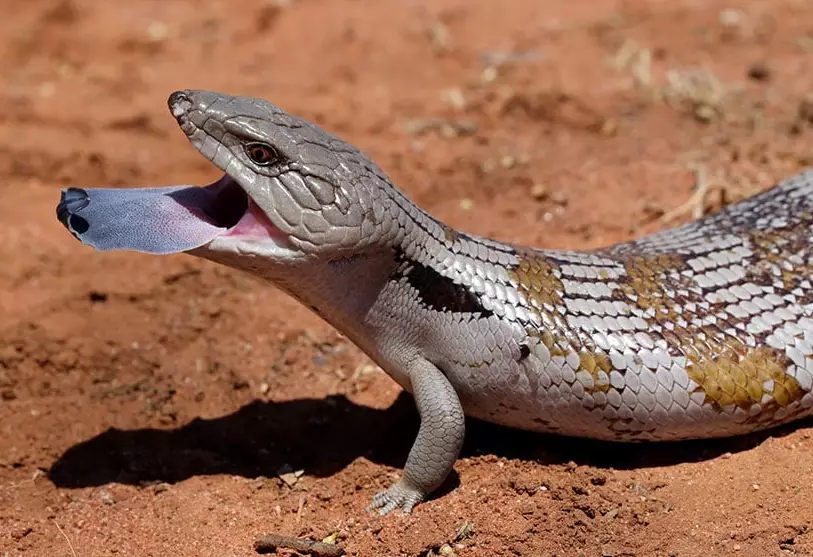
Here’s a quick comparison of bite scenarios and their actual risks:
| Bite Scenario | Likelihood | Pain Level & Damage | Infection Risk & Action |
|---|---|---|---|
| Defensive Bite (Feeling threatened) | Low with proper handling | High; often a full, hard clamp. May bleed. | High. Clean wound immediately with soap/water, apply antiseptic, monitor closely. |
| Food-Response Bite (Mistaking fingers for food) | Moderate, especially during feeding time. | Moderate to High; quick, snappy bite. | Moderate to High. Same cleaning protocol. Use feeding tongs to prevent this. |
| Investigatory Nip (Especially from juveniles) | Moderate | Low; often doesn't break skin. | Low, but possible. Wash the area with soap and water. |
Critical Step After Any Bite: Wash the wound thoroughly with warm water and soap for at least 5 minutes. Apply an over-the-counter antibiotic ointment and cover it. Watch for signs of infection: increasing redness, swelling, warmth, pus, or red streaks. If these appear, see a doctor immediately and mention you were bitten by a reptile. The CDC provides guidelines on zoonotic disease prevention that are worth reviewing.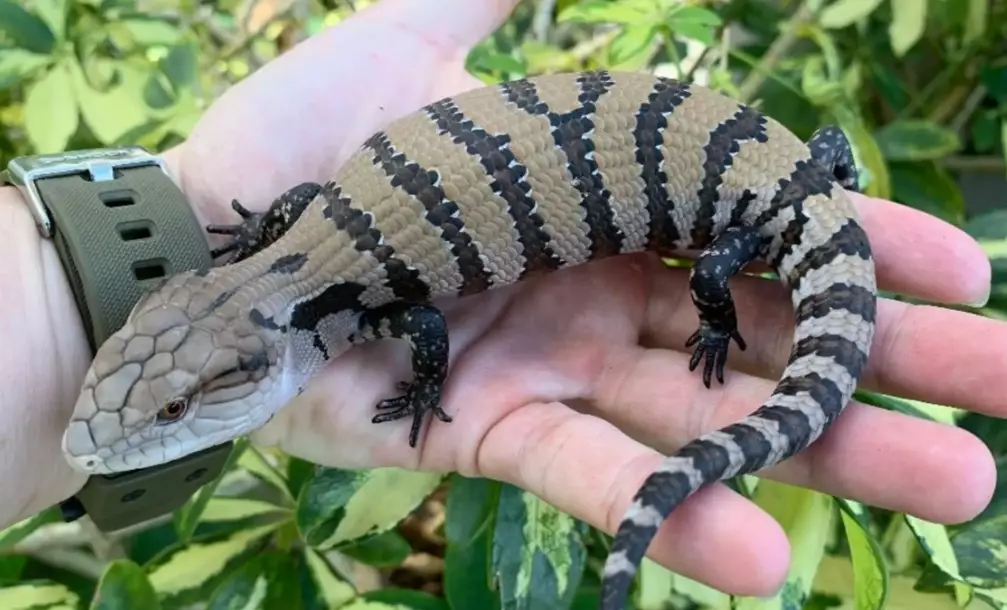
Beyond the Bite: The Salmonella Consideration
This is the other major, and often overlooked, health consideration. Blue-tongued skinks, like most reptiles, can carry Salmonella bacteria in their gut and shed it in their feces. This is a zoonotic risk, meaning it can transfer to humans. The risk isn't from a bite, but from cross-contamination.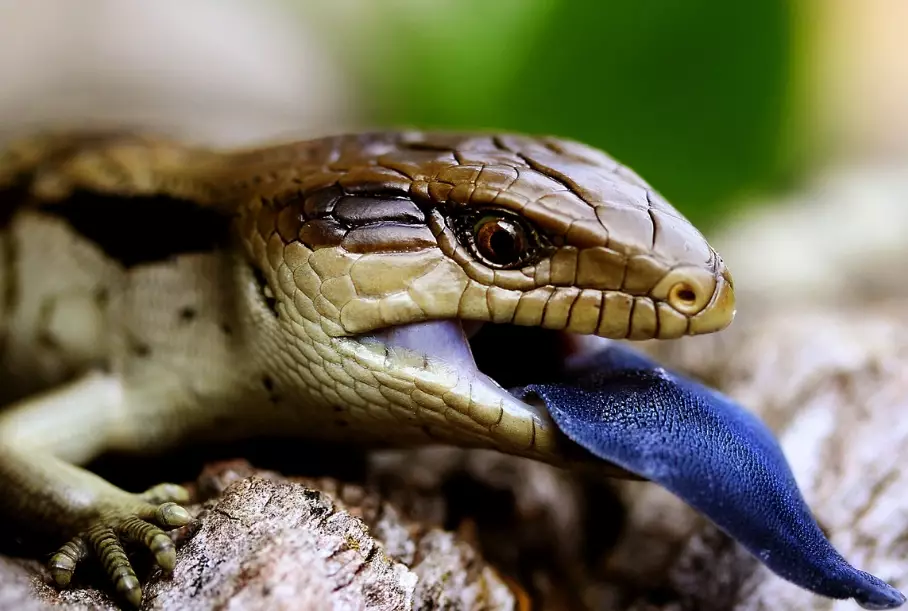
You don't get it from touching the skink. You get it by touching the skink (or anything in its enclosure), then touching your mouth, eyes, or food without washing your hands. This is especially critical for households with young children, the elderly, or immunocompromised individuals, who are more susceptible to severe illness.
How to Safely Handle a Blue-Tongued Skink
Preventing bites and managing health risks is all about proper technique and hygiene. Here’s the protocol I follow and teach:
1. The Approach: Move slowly and deliberately. Don't swoop down from above like a predator. Let the skink see your hand coming from the side or front. Gently slide your hand under its belly, supporting its full body weight. Never grab by the tail (it can detach, though less readily than other lizards).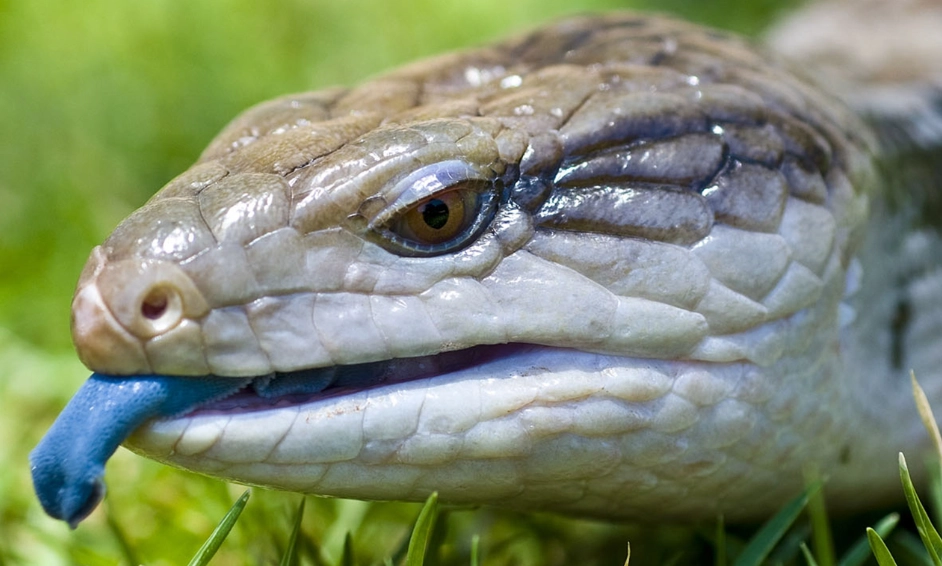
2. Reading Body Language: A skink that is hissing, puffing, or showing its blue tongue is saying "back off." Respect that. It's better to try handling another time than to force an interaction and get bitten. A calm skink will have a relaxed body, normal breathing, and may even flick its tongue curiously.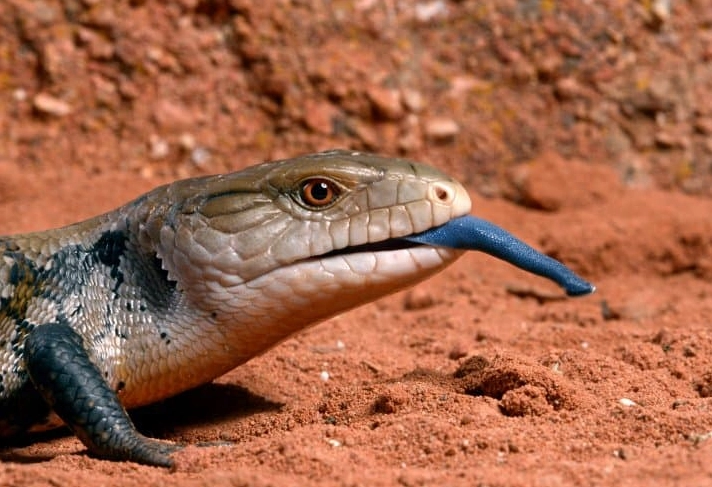
3. Hygiene is Non-Negotiable: Wash your hands with soap and water before and after handling your skink or cleaning its enclosure. This protects you from Salmonella and protects your skink from any lotions, oils, or chemicals on your skin. Use a dedicated hand sanitizer if soap/water isn't immediately available, but know that sanitizer is less effective against some reptile-borne bacteria.
4. The Feeding-Time Rule: This is a prime time for accidental bites. Use long feeding tongs. It keeps your fingers safe and helps the skink associate the tongs, not your hand, with food. Never hand-feed with your fingers.
Building trust takes time. Start with short, positive handling sessions (5-10 minutes) a few times a week. Offer a small treat after returning them to their enclosure to create a positive association.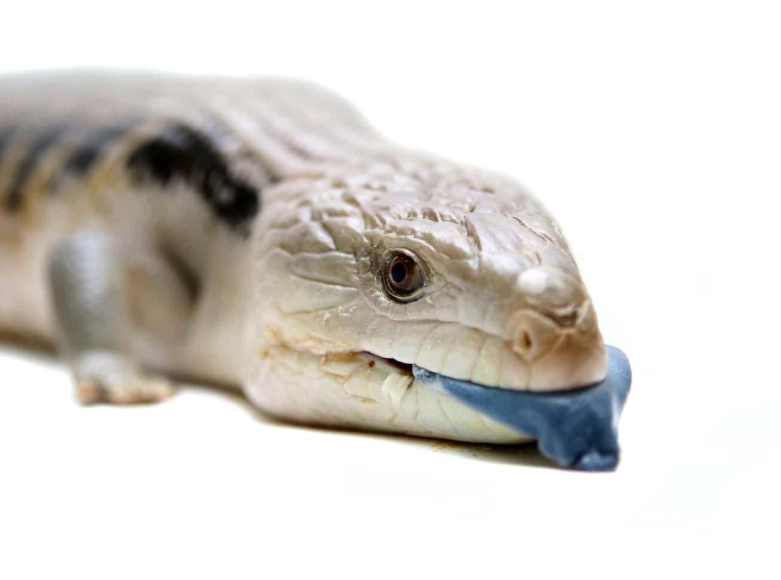
Your Blue-Tongue Safety Questions Answered
So, the final verdict is clear. The blue-tongued skink is a harmless actor wearing a convincing costume. Its bite is a mechanical and bacterial issue, not a toxic one. By understanding their behavior, practicing safe handling, and maintaining impeccable hygiene, you can safely enjoy the company of one of the reptile world's most charismatic and personable lizards. The real danger isn't in their mouth; it's in the misinformation that surrounds them.
Reader Comments