You're handling your pet leopard gecko, or maybe a wild house gecko surprised you, and suddenly—a quick pinch. Your heart skips a beat. A flurry of questions hits you: Is it poisonous? Do I need a tetanus shot? Will it get infected? Let's cut straight to the point. For the vast majority of people, a gecko bite is a minor, harmless event closer to a paper cut than a medical emergency. The biggest risk isn't venom, but the bacteria in their mouths, and even that is usually managed with simple cleaning. This guide walks you through exactly what to expect, what to do, and the few times you might actually need to see a doctor.
What You'll Learn in This Guide
Your First Reaction: It's Probably Not What You Think
Stay calm. I know that's easier said than done, but it's the most important step. Geckos, especially common pet species like leopard geckos, crested geckos, and tokay geckos, are not aggressive by nature. They bite for two main reasons: fear/defense or mistaking your finger for food.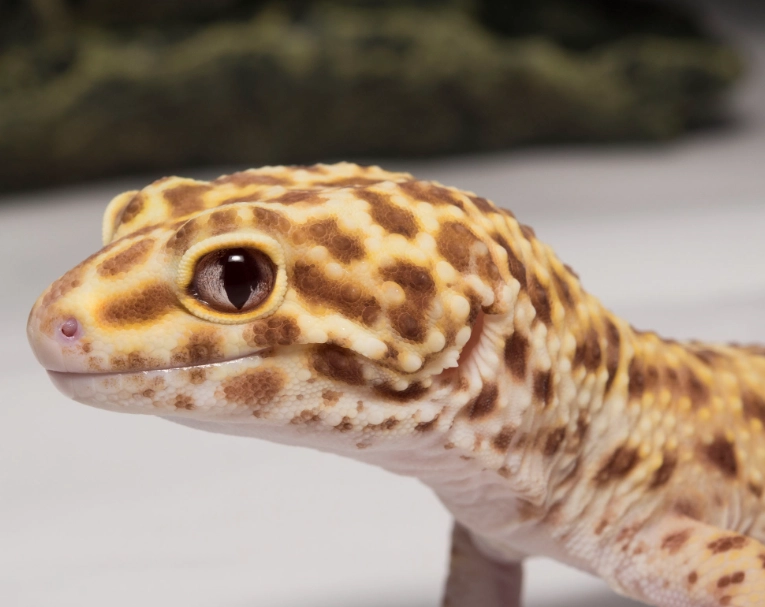
The sensation is almost always a surprise rather than intense pain. Most people describe it as a sharp pinch, a hard nip, or a strong squeeze. It might startle you more than hurt you. Larger species, like an adult tokay gecko, have a more powerful jaw and can break the skin easily, causing a bit of bleeding. Smaller house geckos might not even leave a mark.
The key here is to not yank your hand away. A panicked pull can tear your skin or damage the gecko's delicate teeth. Gently place the gecko back in its enclosure or on a safe surface. It will usually let go on its own once it realizes you're not a threat. If it's holding on, a trick I've learned from years of reptile keeping is to gently run a drop of water from a tap or a bottle over its snout—it will typically release to breathe.
The Real Risks: It's All About Bacteria
Since venom is off the table, what are we dealing with? The primary concern is bacterial infection. A gecko's mouth, like any animal's, contains bacteria. When teeth break the skin, those bacteria can be introduced into the wound.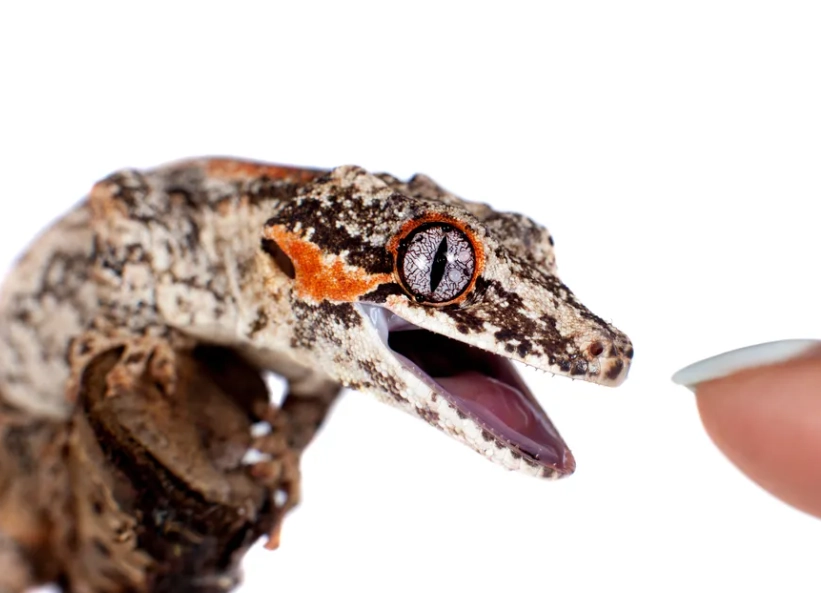
The most commonly discussed bacteria is Salmonella. Reptiles are known carriers. However, the risk of getting a Salmonella infection specifically from a bite wound is actually quite low compared to the risk from improper hygiene after handling them or their environment. The infection you're more likely to encounter is a standard localized bacterial infection (like from Staphylococcus or Streptococcus bacteria), which causes redness, swelling, and pus.
Let's break down the risk level by a common scenario:
| Bite Scenario | Typical Sensation | Skin Break? | Risk Level & Primary Concern |
|---|---|---|---|
| Small House Gecko (wild) | Light pinch, tickle | Very unlikely | Extremely Low. Wash the area. No further action needed. |
| Pet Leopard/Crested Gecko (defensive nip) | Sharp pinch, surprise | Possible small punctures | Low. Follow basic first aid. Watch for signs of infection. |
| Adult Tokay Gecko (defensive bite) | Painful, strong pressure | Likely, with some bleeding | Moderate. Requires thorough cleaning and closer monitoring for infection. |
| Any Gecko Bite on a person with a compromised immune system | Varies | Varies | Elevated. Be extra vigilant with cleaning and consider consulting a doctor preemptively. |
Another minor risk is an allergic reaction. This is rare, but some individuals might have a localized reaction to proteins in the gecko's saliva. It would look like unusual redness, itching, or hives around the bite site, not a full-body anaphylactic reaction.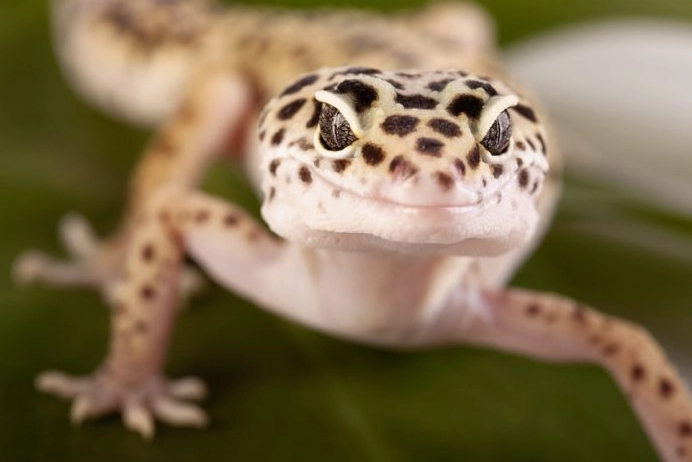
Step-by-Step First Aid: What to Do Right After the Bite
Here’s your action plan. It's straightforward and mirrors what you'd do for any minor cut or scrape.
1. Stop the Bleeding and Initial Wash
If the skin is broken and bleeding, apply gentle pressure with a clean cloth or gauze. Once bleeding stops (it usually does quickly), immediately rinse the wound under cool, running tap water for a good 2-3 minutes. This physically flushes out a lot of surface bacteria. Don't use hot water.
2. The Deep Clean
This is the critical step most people rush. After rinsing, wash the wound thoroughly with mild soap and water. Use your fingers to gently work the soap around the puncture sites. I keep a bottle of plain, unscented liquid soap in my reptile room first-aid kit for this exact reason. Avoid harsh soaps, hydrogen peroxide, or alcohol directly in the wound, as they can damage tissue and slow healing.
3. Drying and Dressing
Pat the area dry with a fresh, clean paper towel or gauze. Cloth towels can harbor bacteria. Apply a thin layer of an over-the-counter antibiotic ointment (like Neosporin or a generic triple antibiotic). Cover it with a clean bandage or adhesive strip, especially if you'll be working with your hands or in a dirty environment.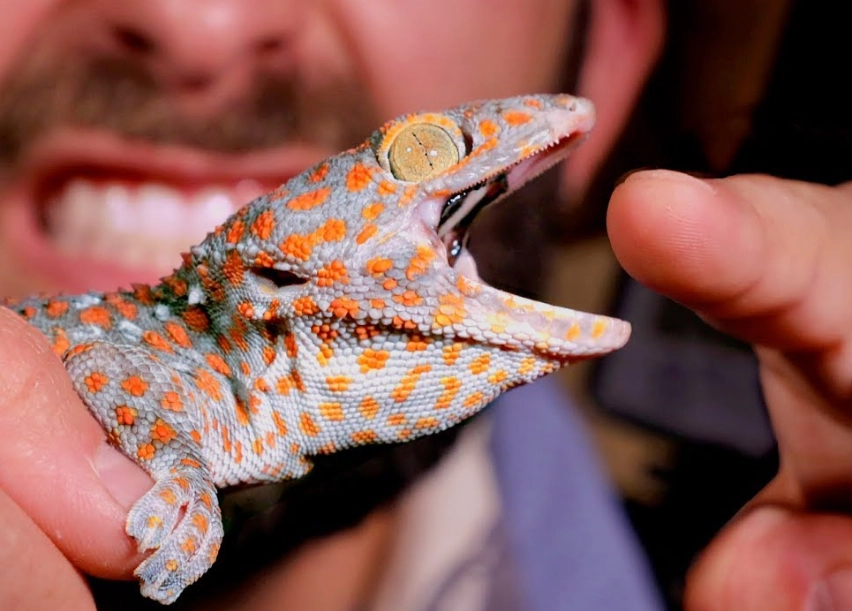
4. Ongoing Care
Change the bandage daily, or more often if it gets wet or dirty. Reapply ointment. Keep an eye on it. You can usually remove the bandage once a scab has formed and the skin is closed, which is often within a day or two for minor bites.
Red Flags: When to Actually See a Doctor
Most bites resolve without issue. But you should know the signs that indicate a trip to the clinic is a good idea. Trust your gut—if something feels off, get it checked.
Signs of Infection (Cellulitis): This is the most common complication. Watch for increasing redness that spreads out from the bite site, swelling that gets worse after the first day, throbbing pain, warmth to the touch, or pus draining from the wound. A faint red line moving up your arm or leg is a more serious sign that requires immediate medical attention.
Systemic Symptoms: If you develop a fever, chills, body aches, or swollen lymph nodes (like in your armpit or groin), your body is fighting something more than a local issue. See a doctor.
Tetanus Concern: The tetanus bacterium (Clostridium tetani) lives in soil and dirt, not in gecko mouths. However, any puncture wound that breaks the skin can introduce it if it's contaminated. If your last tetanus shot was more than 5-10 years ago (recommendations vary), a doctor might recommend a booster after a bite that breaks the skin. It's a good conversation to have during a visit.
Uncontrolled Bleeding or Deep Wound: If the bite is very deep (more common with larger monitor lizards, not geckos) and won't stop bleeding with direct pressure, seek urgent care.
Your Gecko Bite Questions, Honestly Answered
Can I get Salmonella from a gecko bite?
It's theoretically possible but statistically unlikely. Salmonella transmission is far more common from fecal-oral route—meaning not washing your hands after cleaning a cage or handling a gecko that then touches your mouth. The bite wound itself is a less efficient pathway. The Centers for Disease Control and Prevention (CDC) emphasizes handwashing as the primary defense, not necessarily treating bites as major Salmonella events. Focus on cleaning the wound well for general bacterial prevention.
My bite isn't deep, but it's really itchy. Is that normal?
A little itchiness as it heals is normal. Intense itching, especially with a raised, rash-like appearance, could point to a mild allergic reaction to the saliva. Try an over-the-counter hydrocortisone cream. If the itching is severe or the rash spreads, talk to a pharmacist or doctor. It's one of those subtle things many care sheets don't mention.
Do I need antibiotics for a gecko bite?
Not routinely. Doctors do not prescribe prophylactic (preventative) antibiotics for simple, clean gecko bites that are cared for properly. Antibiotics are reserved for cases where a clear infection has set in. Overusing antibiotics contributes to resistance. Your best medicine is the soap, water, and ointment protocol.
How do I stop my pet gecko from biting me?
Biting is a communication. For defensive bites, work on building trust. Move slowly, offer food from tongs, and handle for short, positive periods. For feeding-response bites (they lunge at moving fingers), wash your hands before handling to remove food smells, and tap gently on the enclosure glass before opening it to signal that it's not feeding time. A hungry gecko is a bitey gecko—adjust feeding schedules if needed.
Are baby gecko bites worse than adult bites?
In terms of damage, no. A hatchling gecko's teeth are tiny needles; you might not even feel it. The force is negligible. However, some inexperienced keepers panic more with a sudden movement from a baby, leading to a jerky reaction that could hurt the gecko. The principles of care are identical: stay calm, ensure the gecko is safe, and clean the microscopic puncture if it exists.
So, what happens if you get bitten by a gecko? In nearly all cases, you get a story to tell and a reminder to be a bit more mindful. You treat it like any minor scrape, watch it for a few days, and move on. The fear is almost always worse than the bite itself. By knowing the facts, having a clear first-aid plan, and recognizing the rare warning signs, you can interact with these fascinating reptiles with confidence and safety.
Reader Comments