So you want to know what the biggest leopard gecko is. It's a common question, especially when you see pictures online of these hefty lizards that look like they've been hitting the gym. The short, direct answer is the "Super Giant" morph. But that label is just the starting point. The real story involves genetics, careful breeding, and a lot of misinformation about what "big" really means for the health of your pet.
I've kept and bred leopard geckos for over a decade, and the obsession with size is something I see all the time. People think a bigger gecko is a better gecko. It's not that simple. Let's cut through the hype and look at the facts, the care requirements, and the potential pitfalls of owning one of these giant leopard geckos.
In This Article
The Giant Lineage: From Project to Pet
The quest for the biggest leopard gecko wasn't an accident. It was a specific breeding project started by Ron Tremper, one of the most famous reptile breeders in the world. In the 1990s, he selectively bred larger-than-average leopard geckos over many generations. This created a distinct genetic line known for increased size and weight.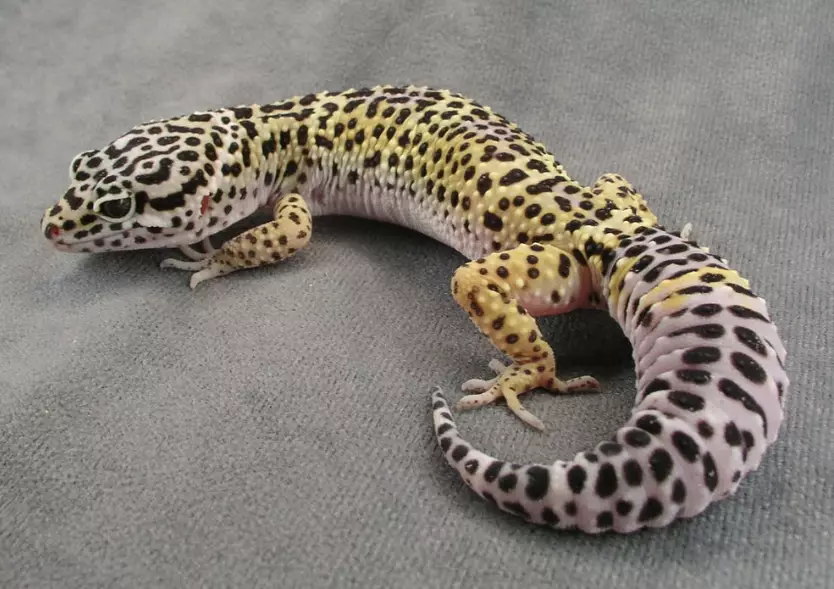
This project gave us three main size categories within this lineage:
- Giant: This is the foundational category. A gecko with one copy of the "Giant" gene. They are significantly larger than your average pet store leopard gecko.
- Super Giant: This is the answer to "what is the biggest leopard gecko?". A gecko with two copies of the Giant gene (homozygous). These are the largest possible specimens, representing the peak of the size-selective breeding.
- Hefty Giant / Size Giant: Sometimes you'll see these terms. They generally refer to Giants or Super Giants that are at the very top end of the weight range for their category. It's more of a descriptive label than a strict genetic one.
Here's the crucial thing most blogs don't tell you: The "Giant" trait is a lineage-specific gene. You can't just overfeed a normal leopard gecko and get a Giant. It has to come from that original Tremper bloodline. If a breeder can't trace their gecko's lineage back to that project, they're probably just selling you a large normal gecko at a premium price.
Pro Tip: Always ask a breeder for the genetics. A true Giant or Super Giant should have documented lineage. If they hesitate or say "it's just big," walk away. You're likely looking at a well-fed, genetically normal gecko.
Size Showdown: Giant vs. Normal Leopard Geckos
Let's put some numbers on it. A standard, healthy adult leopard gecko typically measures 8 to 10 inches from snout to tail tip and weighs between 45 and 80 grams. Females are often at the lower end, males at the higher end.
Now, compare that to the Giants.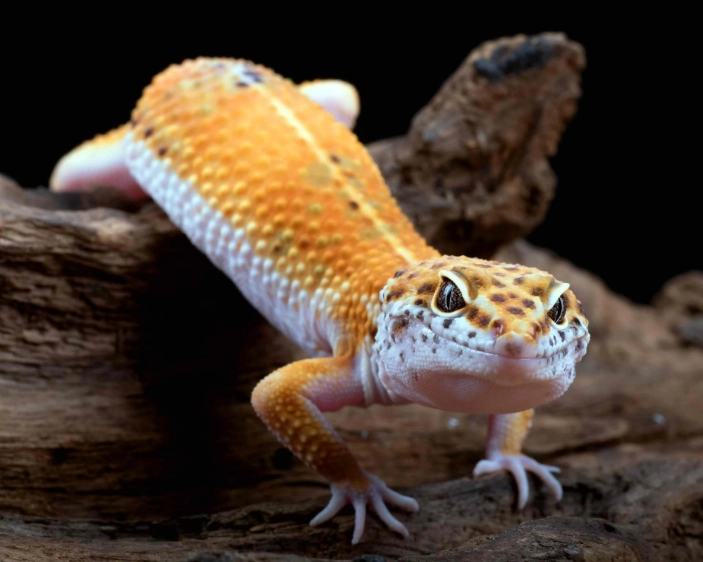
| Morph Type | Average Length (Snout to Tail) | Average Weight | Key Identifier |
|---|---|---|---|
| Normal/Wild Type | 8 - 10 inches | 45 - 80 grams | The common pet shop size. |
| Giant (Heterozygous) | 9 - 11 inches | 80 - 110 grams | One Giant gene. Noticeably stockier. |
| Super Giant (Homozygous) | 10 - 12+ inches | 110 - 150+ grams | Two Giant genes. The undisputed heavyweight champ. |
I once had a male Super Giant that consistently weighed 135 grams. He wasn't fat; he was just structurally massive—thicker bones, a broader head, longer body. Holding him felt completely different from holding a 70-gram normal male. The difference is visceral.
But weight alone is a terrible indicator. I've seen obese normal geckos hit 100 grams. They look like sausages with legs, with fat rolls behind their arms and a belly that drags. A true Giant at 100 grams looks proportional, muscular, and solid. Focus on body condition, not just the scale.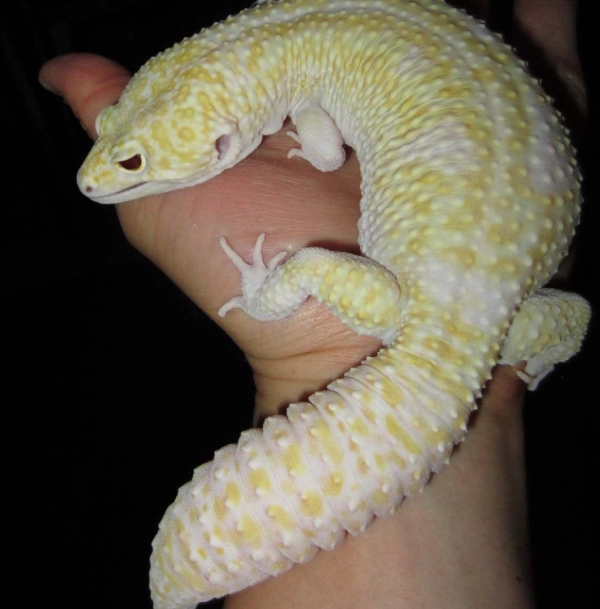
How to Care for a Giant Leopard Gecko
Caring for the biggest leopard gecko isn't radically different, but it requires adjustments. Think of it like housing a heavyweight athlete instead of a gymnast.
Tank Size and Setup
A 20-gallon long tank is the bare minimum for a normal adult. For a Giant or Super Giant, that feels cramped. I strongly recommend a 40-gallon breeder tank (36" x 18" footprint) as the standard. They use the space. They need more floor area to move their larger bodies comfortably. The extra space also helps with heat gradient management, which is critical for digestion.
All the usual furnishings apply—multiple hides (warm, cool, humid), a shallow water dish, and a calcium dish. Just make sure the entrances to the hides are wide enough. A big gecko can get stuck in a hide meant for a smaller animal.
Feeding a Giant Appetite
Their metabolism isn't necessarily faster, but their maintenance calories are higher. You can't just follow a standard feeding chart.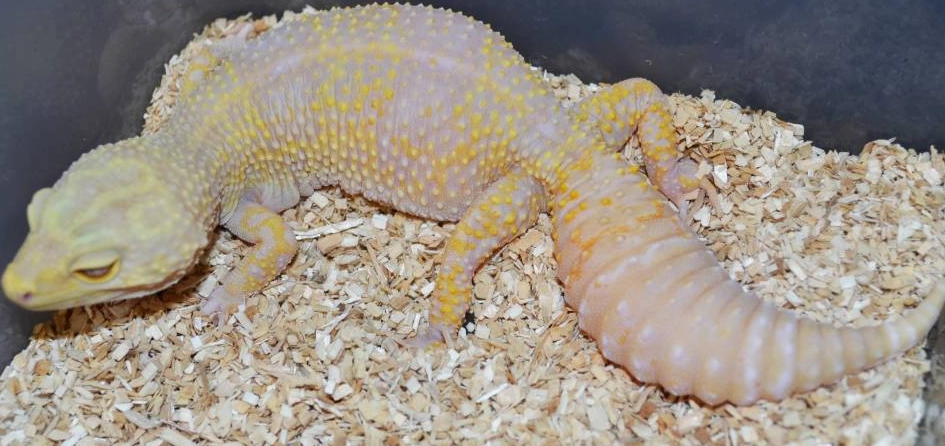
- Staple Feeders: Dubai roaches and crickets are excellent. Giant mealworms or superworms can be offered occasionally, but I'm cautious with them as staples due to higher fat content.
- Feeding Frequency: An adult normal gecko might eat 8-10 crickets twice a week. A healthy adult Super Giant might easily take 12-15 large crickets or 6-8 adult Dubai roaches per feeding, on a similar schedule. The key is to feed based on body condition, not hunger. Giants can become obese if you let them.
- Supplementation: This is non-negotiable. Dust insects with a pure calcium powder (without D3) at most feedings, and use a high-quality calcium with D3 and multivitamin once or twice a week. Their larger skeletal structure demands proper mineral support. A study cited by Reptiles Magazine emphasizes the role of calcium in preventing metabolic bone disease, a risk for any growing reptile.
I made a mistake early on with my first Giant. I fed him like a normal gecko but with slightly larger portions. He lost weight and looked lean. It took me a month to realize his maintenance needs were about 30% higher. Monitor their weight monthly with a digital kitchen scale.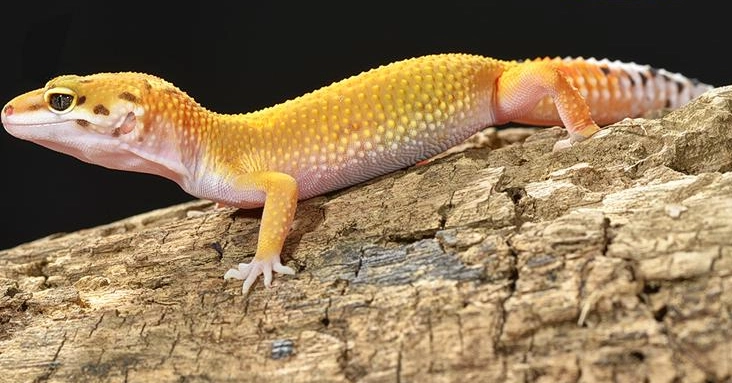
The Big Question: Are Giant Morphs Healthy?
This is the elephant in the room. The pursuit of extreme traits in any animal can come with trade-offs.
The good news: The Giant gene itself, from my experience and conversations with other long-time breeders, isn't inherently linked to specific diseases like the lethal genes in some snake morphs. A well-bred Giant from healthy stock can live just as long as a normal leopard gecko—15 to 20 years with proper care.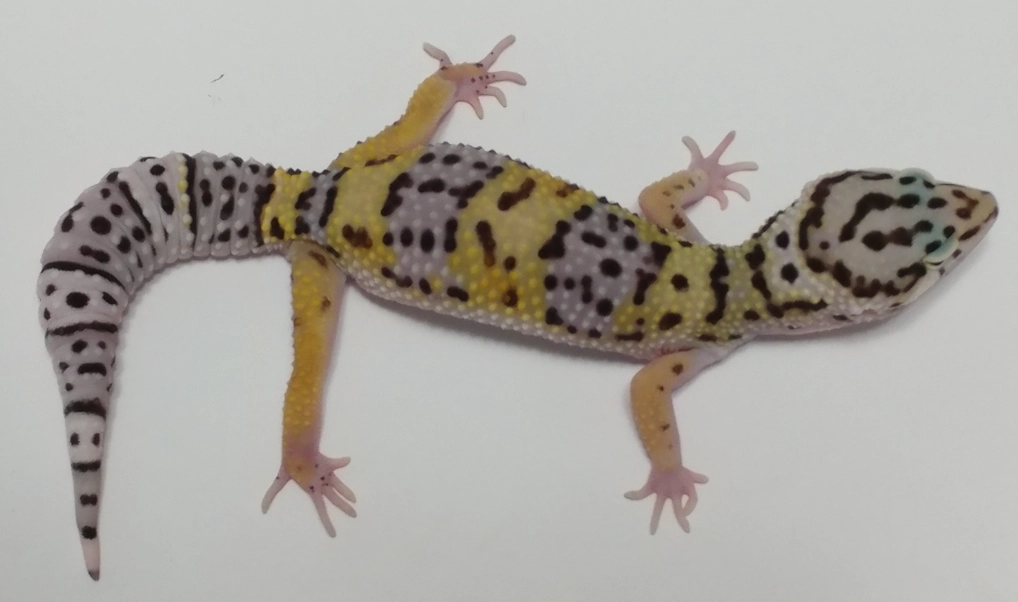
The potential issues are more subtle:
- Joint Stress: More body mass means more stress on joints. This is a basic principle of biomechanics. While not commonly reported, it's a theoretical concern, especially if the gecko becomes overweight.
- Breeding Difficulties: Some breeders anecdotally report that very large females (especially Super Giants) can have more trouble laying eggs or may produce smaller clutches. This isn't a hard rule, but it's a consideration if you plan to breed.
- The "Bigger is Better" Fallacy: The worst health risk is often owner-induced. The desire to own "the biggest" can lead to overfeeding. An obese 130-gram gecko is far unhealthier than a fit 100-gram gecko. Fatty liver disease is a real killer in captive reptiles.
My non-consensus view? The healthiest leopard gecko is often a fit, well-proportioned Giant (heterozygous), not necessarily a Super Giant. You get most of the impressive size with potentially fewer of the extreme genetic pressures. They tend to be hardy, robust animals.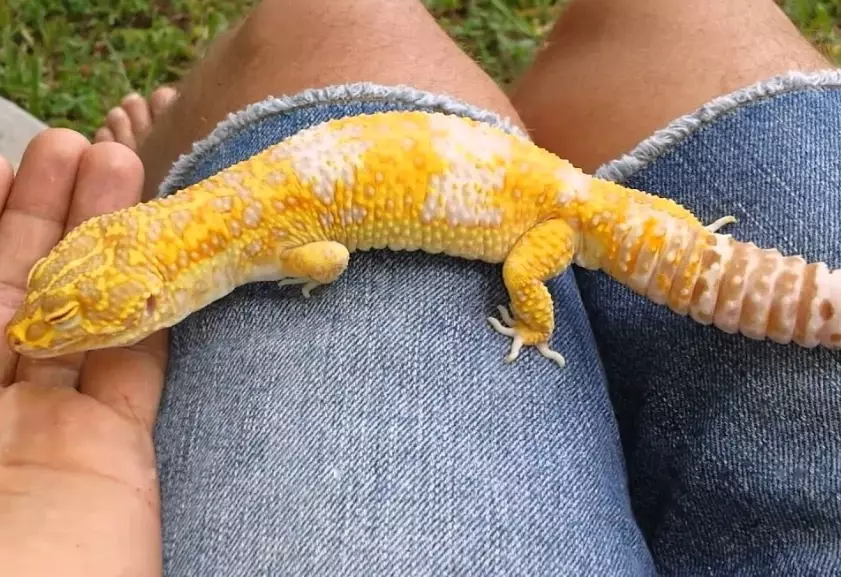
Your Giant Leopard Gecko Questions Answered
I found a "jumbo" leopard gecko at a pet store. Is it a Giant morph?
Almost certainly not. Pet stores rarely sell lineage-specific morphs like true Giants. "Jumbo" is usually a marketing term for a large, often older, normal gecko. They might be perfectly healthy, but don't pay a Giant morph price for it. A true Giant should come from a specialized breeder who provides genetic information.
My normal-sized leopard gecko is 5 years old. Can I still make it grow bigger?
No. Leopard geckos reach their full structural size by 12-18 months of age. After that, weight changes are about fat or muscle, not skeletal growth. You cannot change the genetics you have. Overfeeding an adult to try and make it "bigger" will only lead to obesity and serious health problems. Love the gecko you have.
What's the single biggest mistake people make when trying to own a large leopard gecko?
Focusing only on weight. They chase a number on a scale ("I want a 120-gram gecko!") and either buy an obese animal or overfeed a healthy one to reach it. The goal should be a healthy animal, not a heavy one. Look for a clear, defined neck, a tail that is plump but tapers, and no fat rolls on the body. A fit gecko will feel firm, not squishy.
Are there any specific signs of health problems I should watch for in a Giant morph?
Watch for the same issues as any gecko, but be extra vigilant about mobility. Any reluctance to move, dragging of the belly or back legs, or difficulty climbing into hides could indicate joint pain or the early stages of metabolic bone disease (from improper supplementation). Their larger size can make subtle lameness more apparent. Also, because they eat more, any sudden loss of appetite is a more urgent red flag.
How much does a true Super Giant leopard gecko cost compared to a normal one?
Price is where the genetics show. A normal leopard gecko can cost $40-$100. A proven Giant morph, especially with desirable color patterns like Albino or Mack Snow combined with the Giant gene, can range from $200 to $500. A top-quality, high-color Super Giant from renowned bloodlines can easily be $600 to $1,200 or more. If a price seems too good to be true for a "Giant," it probably is.
So, what is the biggest leopard gecko? It's the Super Giant morph, a product of decades of selective breeding. But the more important question is: Is the biggest leopard gecko the right pet for you? If you're prepared for a larger enclosure, slightly higher food costs, and the responsibility of keeping a substantial animal fit and healthy—and you source it from an ethical, transparent breeder—then it can be an incredibly rewarding experience. Just remember, in the world of leopard geckos, quality of life will always trump sheer quantity of grams.
Reader Comments