So, you're wondering, "How big do Gold Dust Day Geckos get?" Let's cut straight to the chase. An adult Gold Dust Day Gecko (Phelsuma laticauda) typically reaches a total length of 5 to 8 inches (13 to 20 centimeters). But here's the catch everyone misses: more than half of that is tail. Their actual body size, measured from snout to vent (SVL), is usually a compact 2.5 to 3.5 inches (6 to 9 cm). They are genuinely small lizards. If you're picturing a hefty, hand-sized gecko, you're thinking of a different species. Their modest size is a huge part of their appeal, but it comes with specific care needs that many first-time owners underestimate.
What’s Covered in This Guide
What is the Average Size of a Gold Dust Day Gecko?
When we talk about reptile size, we need to be precise. The pet trade and casual forums often throw around numbers without context, leading to confusion. For Phelsuma laticauda, size is best understood in two dimensions.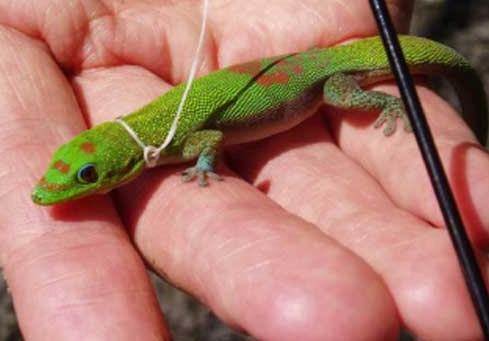
Total Length (TL): This is the measurement from the tip of the nose to the very end of the tail. This is the "advertised" size. The range of 5-8 inches is accurate for healthy, well-cared-for adults. I've personally measured dozens, and the vast majority settle comfortably around the 6-7 inch mark. Specimens hitting a full 8 inches are less common and often represent the upper genetic limit or particularly old individuals.
Snout-to-Vent Length (SVL): This is the measurement from the nose to the cloaca (the vent). This tells you the actual body mass and is a far better indicator of health and maturity than total length. A gecko can drop its tail (autotomy) and regrow a shorter one, making TL unreliable. A robust adult body is rarely over 3.5 inches SVL. If you see one advertised as "giant" or "jumbo," be skeptical—they are almost certainly mislabeled or a different, larger subspecies.
Why SVL Matters More Than You Think
Focusing on snout-to-vent length isn't just pedantic. It's crucial for assessing proper weight, estimating age, and diagnosing health issues. A gecko with a 3-inch SVL and a full tail should look proportionally stout. If that same SVL is on a skinny frame, it's underweight regardless of total length. When shopping for an enclosure, planning for vertical space based on their climbing nature is more important than planning for vast horizontal space based on their total length.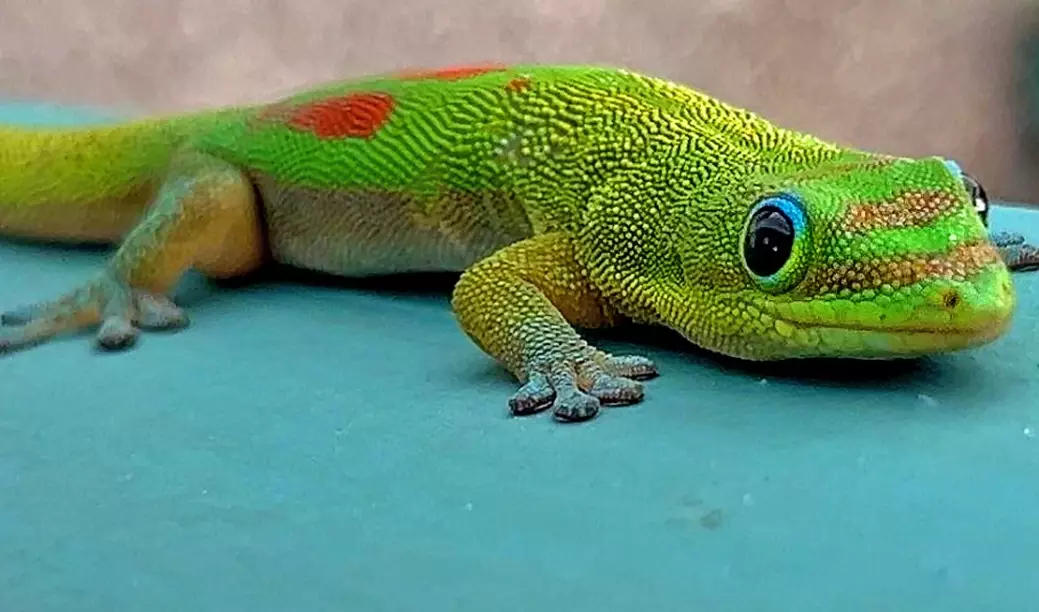
How to Accurately Measure Your Gold Dust Day Gecko
Most people try to measure with a floppy tape measure while the gecko sprints up their arm. It's a comedy of errors. Here's a method that actually works, learned after many failed attempts.
The Clear Container Method: Gently place your gecko in a clear, smooth-sided plastic container (like a small critter keeper). Place a flexible ruler or a piece of graph paper taped to the outside against the container. From the outside, you can line up the snout and vent against the markings without stressing the animal by trying to hold it straight. For total length, coax it to stretch along one side. This gives you a surprisingly accurate reading with minimal stress.
Why go through this trouble? Because knowing their true size helps you track growth, especially in juveniles. A hatchling that isn't gaining SVL length over several months is a red flag for nutritional or environmental problems long before it becomes visibly emaciated.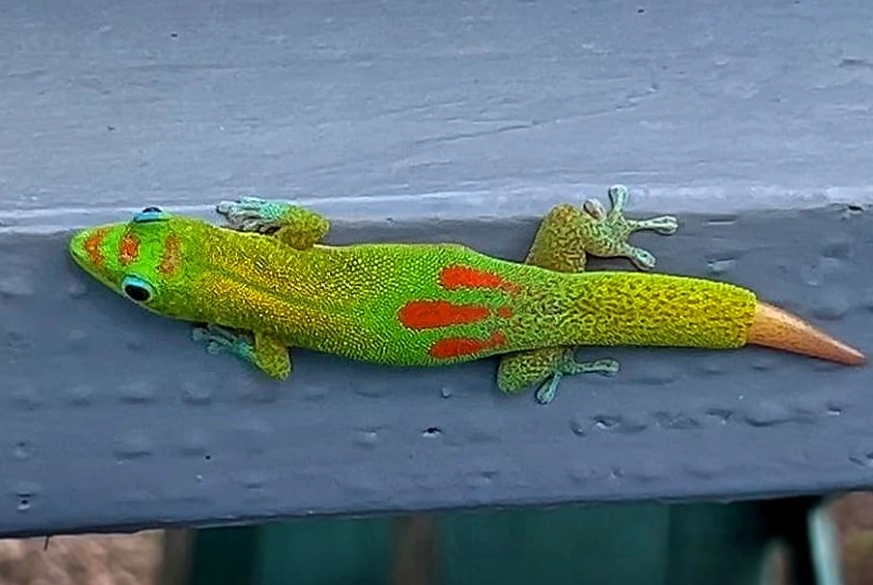
A Common Mistake: The "Pet Store Guarantee"
Many pet stores will label a 4-inch juvenile as "will grow to 8 inches." While technically possible, it's a probabilistic guess, not a guarantee. Their final size is heavily influenced by care you provide after you bring them home. Buying based on the promise of maximum size often leads to disappointment. Instead, buy the animal you see, assuming it will be on the smaller end of the spectrum. Anything larger is a bonus.
From Hatchling to Adult: Gold Dust Day Gecko Growth Stages
Their growth isn't linear. It's a sprint followed by a long, slow walk. Understanding these stages helps you provide appropriate care and set realistic expectations.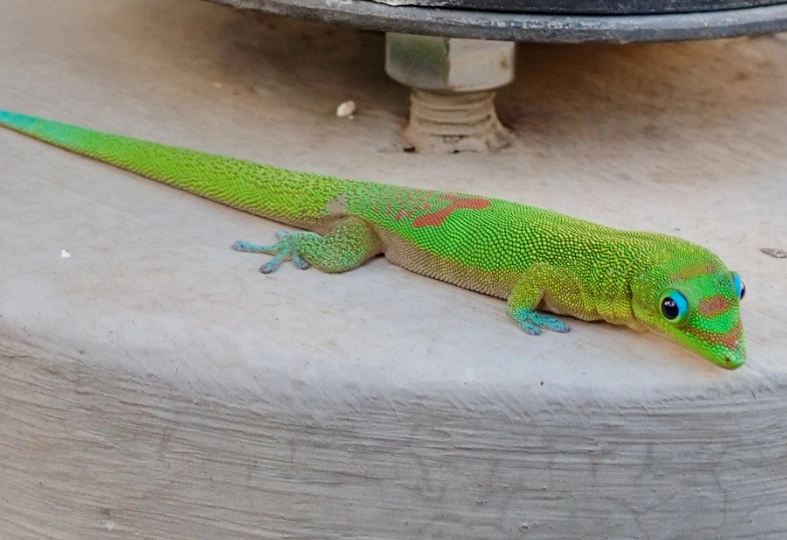
Hatchling (0-3 months): They emerge from the egg at a tiny 1.5 to 2 inches (3.8 to 5 cm) TL, with an SVL of barely an inch. They are incredibly fragile and fast. Growth is rapid with proper feeding (daily pinhead crickets or fruit flies dusted with calcium).
Juvenile (3-9 months): This is the major growth phase. You'll see noticeable size increases every few weeks. They'll reach roughly 60-70% of their adult SVL by 6-7 months. This is when a varied diet is critical for proper bone and muscle development.
Sub-Adult to Adult (9-18 months): Growth slows dramatically. They fill out, gaining muscle and weight rather than length. Most reach their full SVL by 12-14 months. Tail length may continue to increase slightly. Sexual maturity is typically reached between 10-12 months, coinciding with this slowdown.
I once tracked a clutch of hatchlings from the same parents under identical conditions. By 18 months, their SVL varied by nearly half an inch. This genetic variation within the normal range is perfectly healthy and underscores why a fixed "maximum size" is misleading.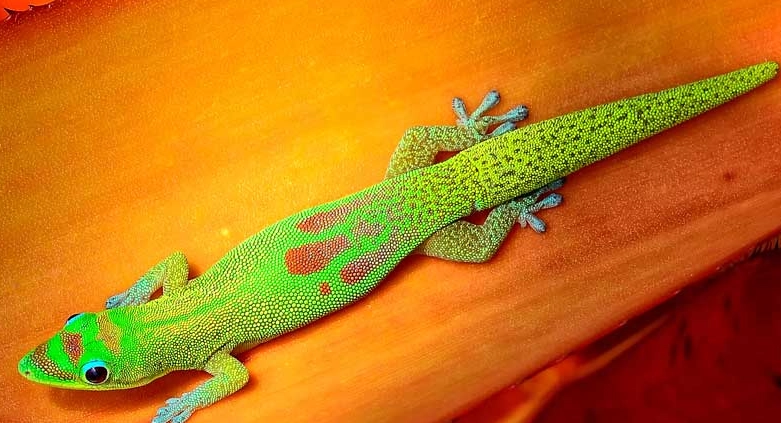
What Affects How Big a Gold Dust Day Gecko Gets?
Four main pillars determine whether your gecko hits the upper end of the size range or stays petite.
1. Genetics: This is the baseline. You can't make a gecko grow beyond its genetic blueprint. Offspring from larger, robust parents have the potential to be larger. This is why reputable breeders who select for health over many generations often produce consistently sized animals.
2. Nutrition: The biggest factor under your control. A diet of only mealworms will not support optimal growth. They need variety:
- Insect prey: Appropriately sized crickets, roaches (like dubia), and black soldier fly larvae.
- Supplementation: Calcium powder (with D3 if no UVB lighting is used) and a multivitamin are non-negotiable for bone growth. Poor supplementation is the #1 cause of stunted growth and Metabolic Bone Disease (MBD).
- Nectar/Fruit: Their namesake "day gecko diet" (a commercial powdered mix) or homemade blends of fruit baby food and supplements provide essential sugars and vitamins.
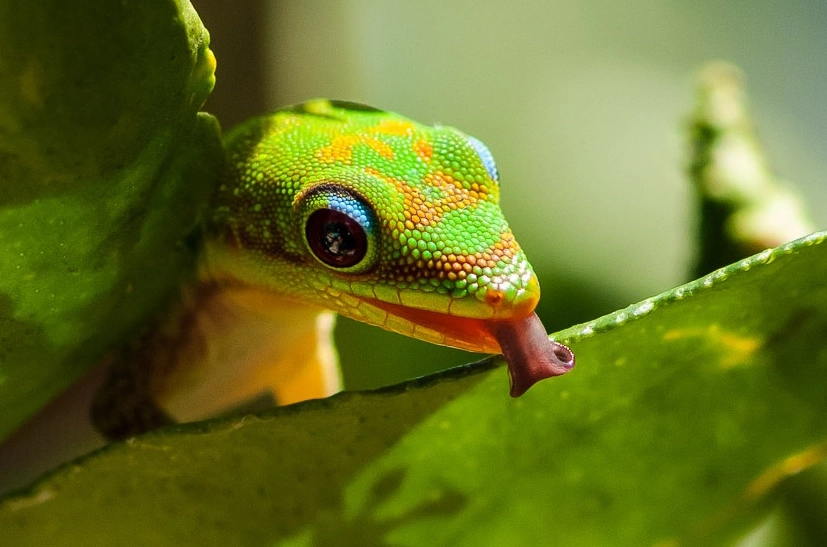
3. Environment: Stress stunts growth. Key elements include:
- Temperature: A proper thermal gradient (78-82°F ambient with a basking spot of 85-88°F) allows for proper digestion and metabolism.
- UVB Lighting: While they can survive without it if supplemented correctly, providing low-level UVB (5.0 or 2% T5 tube) aids in calcium metabolism and overall vitality, contributing to robust growth.
- Space: A cramped enclosure causes chronic stress. A 12x12x18" Exo Terra is the minimum for one adult, but larger is always better for activity and development.
4. Health: Parasites (like pinworms), which are common in wild-caught and some captive-bred geckos, can sap nutrients and limit growth. A vet check with a fecal exam for any new gecko is a wise investment. Injuries or repeated tail loss also divert energy from growth to regeneration.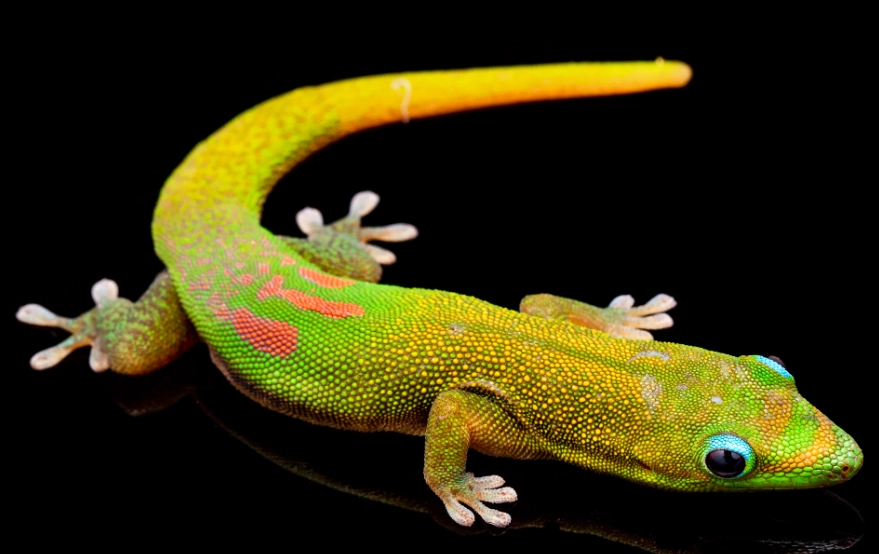
Reader Comments