The world of ball python colors isn't just about pretty snakes. It's a living, breathing lesson in genetics, where a single gene change can turn a common brown and black pattern into a shimmering golden alien or a stark black and white phantom. If you've ever scrolled through breeder pages and felt overwhelmed by names like "Banana Mojave" or "Super Pastel Lesser," you're not alone. The variety is staggering, and it all comes down to how we manipulate their DNA. Let's cut through the jargon and get to the heart of what creates these incredible animals.
What's Inside?
What Are Ball Python Morphs?
A "morph" is simply a ball python that looks different from the wild-type because of a genetic mutation. The wild-type, often called a "normal" or "classic," has the typical brown, black, and gold blotchy pattern that provides camouflage in West African grasslands. Every single morph you see—from the bright yellow Albino to the patternless Blue Eyed Leucistic—starts as a random genetic hiccup in a normal ball python. Breeders then selectively breed these animals to stabilize and combine the traits.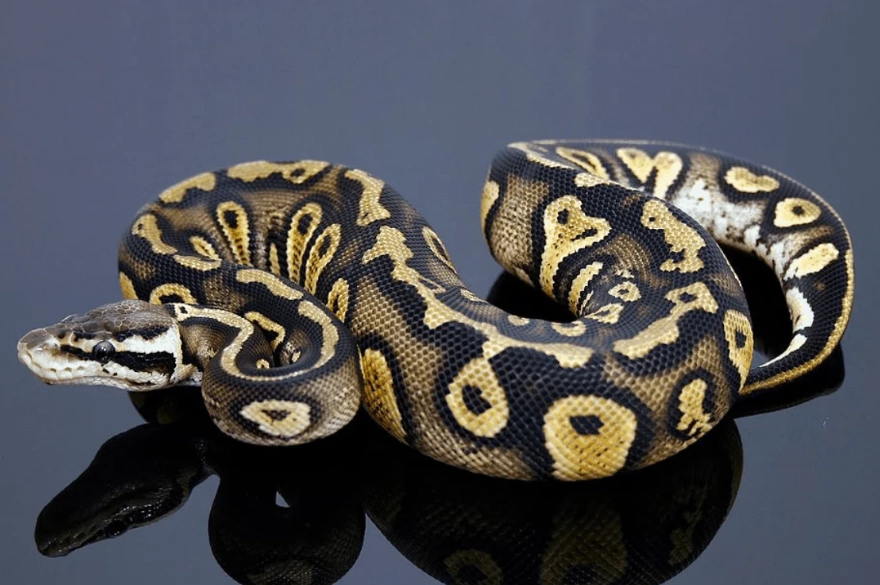
It's crucial to understand that a morph is not a separate species or subspecies. It's the same Python regius, just wearing a different paint job dictated by its genes. The first major morph, the Albino, was established in the early 1990s. Since then, hundreds of base morphs and countless combinations have been developed, creating an almost infinite palette.
How Do Ball Python Genetics Work?
This is where it gets fun. Forget high school biology for a second. Ball python genetics are relatively straightforward once you grasp a few core concepts. Each snake inherits two copies of every gene: one from the sire (father) and one from the dam (mother).
Basic Inheritance Patterns
Most popular morphs follow simple recessive, co-dominant, or dominant inheritance.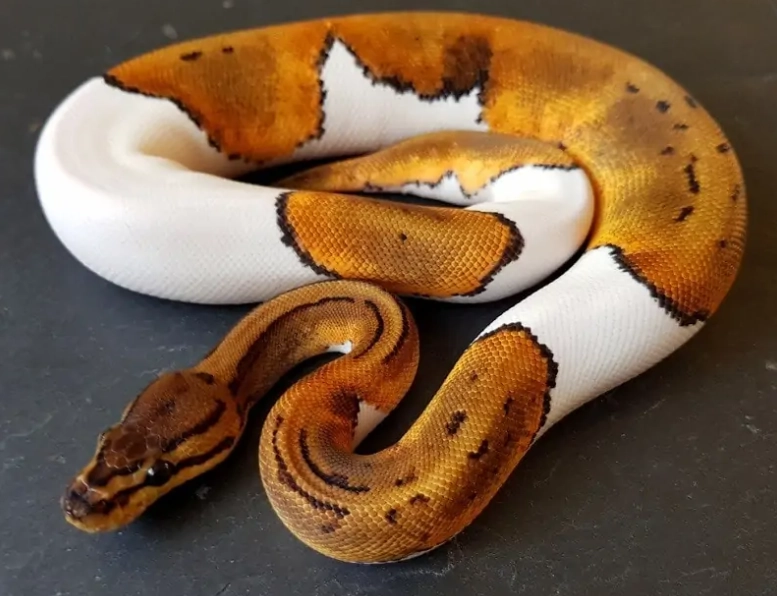
- Recessive Traits (e.g., Albino, Piebald): The snake needs two copies of the gene (one from each parent) to visually show the trait. A snake with only one copy looks normal but carries the gene—we call these "hets" (heterozygous). Breeding two hets gives you a 25% chance of producing the visual morph.
- Co-dominant Traits (e.g., Pastel, Mojave, Lesser): A single copy of the gene alters the appearance. Two copies (called the "super" form) create a different, often more extreme, look. A Super Pastel looks different (and usually brighter) than a single-gene Pastel.
- Dominant Traits (e.g., Pinstripe): Rare in ball pythons. A single copy fully expresses the trait, and there is no visual difference with two copies.
Pro Tip Everyone Misses: Just because a morph is "recessive" doesn't mean it's rarer or more valuable than a co-dominant one. Value is driven by demand, visual appeal, and breeding project utility. A well-established recessive like Albino is often cheaper than a hot new co-dominant combo.
The Magic of Combos
The real artistry happens when you combine multiple morph genes in one animal. A "Bumblebee" is a Pastel combined with a Spider. A "Coral Glow" mixed with a "Banana" creates something even more vibrant. Breeders are like painters mixing genes on a genetic canvas. Sometimes the interaction is predictable, other times you get a stunning surprise—a phenomenon called "synergy" where the combined effect is greater than the sum of its parts.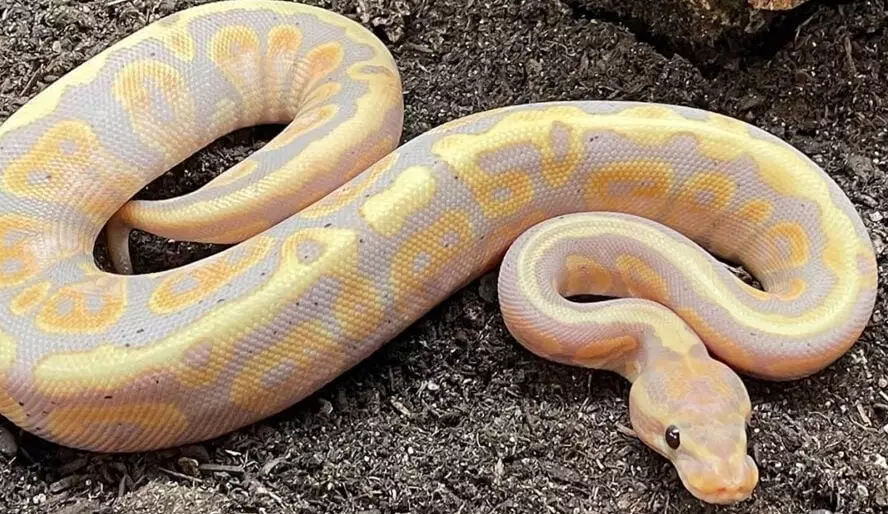
The Major Players: Key Color & Pattern Genes
To make sense of the chaos, let's break down some of the foundational genes that create the most common color and pattern changes. Think of these as the primary colors on a breeder's palette.
>The pattern is random. No two piebalds are alike, which is part of the appeal.>Technically the same gene from different lines. Speckling increases with age and is normal.>Spider, Bumblebee (Pastel+Spider) >Critical Note: This gene is linked to a neurological issue called the "wobble." It's a contentious topic in the community.>Axanthic >Creates stunning monochrome snakes. Often combined with other genes for cool effects.| Gene Name (Type) | What It Does | Classic Example Morph | Note for Buyers |
|---|---|---|---|
| Albino (Recessive) | Removes all black melanin, resulting in yellow, white, and red/pink eyes. | Albino | The original color morph. Eyes are light-sensitive, but they don't require special care. |
| Pastel (Co-dom) | Brightens yellows, reduces black, creates a "blushed" head. Super form is even brighter. | Pastel, Super Pastel | A workhorse gene. Found in countless combos to boost color. |
| Piebald (Recessive) | Causes large, random patches of pure white skin. | Piebald | |
| Banana/Coral Glow (Co-dom) | Adds vibrant yellow with purplish speckles. Males often produce more speckles. | Banana, Coral Glow | |
| Spider (Co-dom) | Thins and connects the pattern, creating a web-like design. | ||
| Axanthic (Recessive) | Removes yellow and red pigments, leaving shades of black, white, and gray. |
That table just scratches the surface. Genes like Clown (unique head stamp and striped pattern), GHI (super dark, smoky coloration), and Enchi (rich, clean colors and reduced pattern) are other huge influencers. The price for these animals can range from $50 for a common single-gene morph to tens of thousands for a rare, multi-gene animal from a top-tier breeding project.
I remember buying my first "special" morph—a Butter ball python. It was a co-dominant gene that gave it smooth, caramel colors. I was so focused on the color I didn't ask enough about its feeding history. Lesson learned: color is a priority, but it shouldn't be the only priority.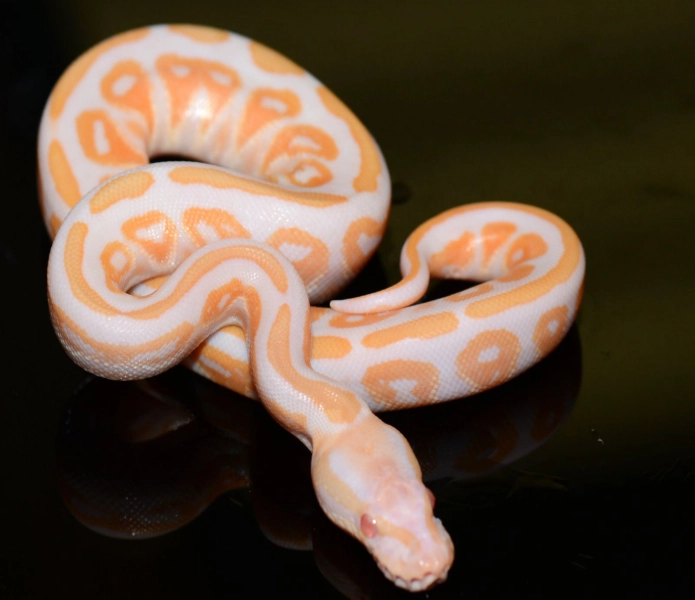
How to Choose Your Ball Python Morph
Falling in love with a picture online is easy. Making a smart choice for your first (or next) ball python requires a bit more strategy. Here’s a breakdown of what to actually consider, beyond just "it's pretty."
Budget & Value
Prices are not static. A morph that costs $5,000 today might be $500 in three years as more breeders produce it. If you're buying purely as a pet, consider established, lower-cost morphs. You'll get an incredible animal without the premium price tag of the latest trend. A beautiful Normal or a single-gene Pastel or Mojave makes a phenomenal pet.
If you're interested in breeding, you need to think about genetics, project goals, and which genes hold long-term value for combos.
Health & Genetics
This is non-negotiable. Some morphs are linked to known issues:
- Spider Wobble: As mentioned, a neurological condition causing head tremors and corkscrewing. Severity varies. Many argue snakes can live full lives with it; others avoid the gene entirely on ethical grounds.
- Kinking: Seen in some lines of Caramel Albino and a few others. It's a spinal deformity.
- Duckbill: A facial structure issue in some Super Cinnamon and Super Black Pastel combos.
Always research the specific morph you want. A reputable breeder will volunteer information about potential genetic issues.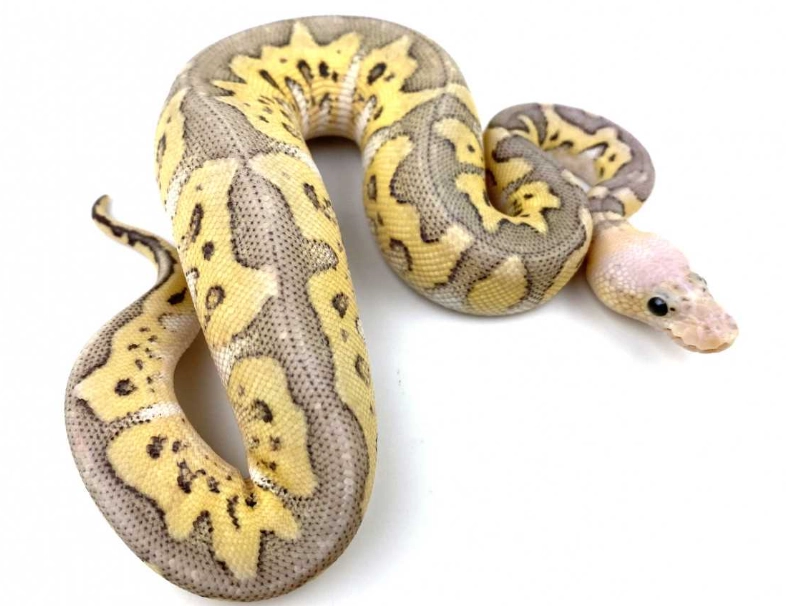
Your Own Taste & Care
Do you love bright yellows, clean blacks and whites, or wild patterns? Look at adult photos, not just babies. Many morphs change color ("brown out") as they mature. A bright yellow baby might become a more muted mustard adult.
Also, think about enclosure aesthetics. A stark black and white Pied or Axanthic looks stunning against green foliage or black substrate.
Beginner-Friendly Morph Recommendations
Based on general hardiness, availability, and lower cost:
- Pastel: Affordable, bright, and improves almost any combo.
- Mojave: Beautiful blushed tones and key for making Blue Eyed Leucistics.
- Fire: A more subtle gene that cleans up pattern and adds richness.
- Normal/Wild Type: Seriously, don't overlook them. Their patterns are classic and beautiful. My first ball python was a normal, and her perfect, natural camouflage pattern is still one of my favorites.
Buy from a breeder who can provide a full feeding record and answers questions promptly. Morph Market is a great platform, but check reviews. A good breeder cares more about where their animal goes than making a quick sale.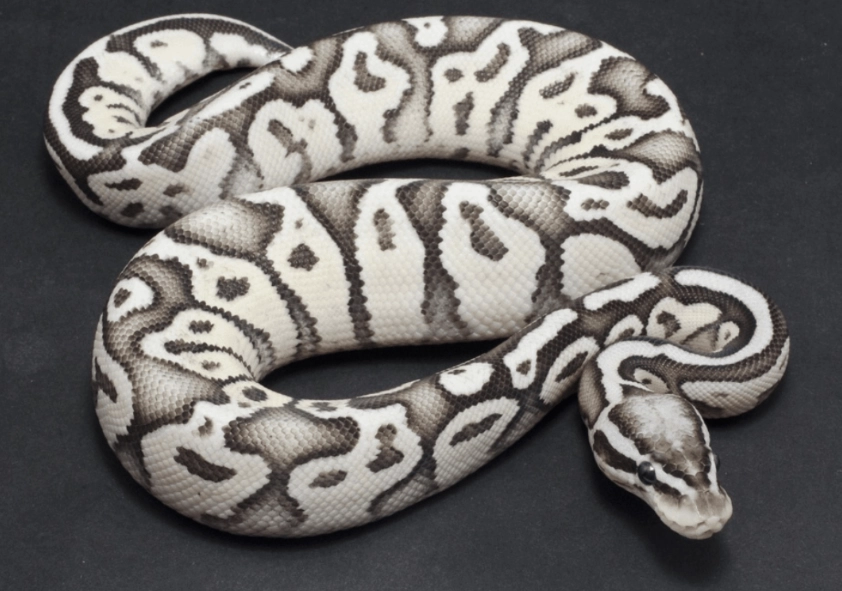
Your Ball Python Color Questions Answered
I see "het" in ads for cheaper snakes. What does it mean, and is it a good deal for a pet?
"Het" means heterozygous—the snake carries one copy of a recessive gene but looks normal. For a pet owner who just wants a visual snake, buying a het is usually not the right move. You're paying a small premium for genetics you can't see. The value is for breeders who plan to pair it with another het or visual morph to produce visual babies. For a pet, spend your money on the visual animal you actually want to look at.
How can I tell if a baby ball python's colors will stay bright or fade as it grows?
You can't be 100% certain, but you can make an educated guess. Ask the breeder for pictures of the baby's parents, especially the parent that shows the same morph. Genetics are fairly consistent. If the adult parent is still vibrant, the baby likely will be too. Some genes, like certain lines of Yellowbelly, are notorious for browning out. A breeder with experience in that specific lineage should know and be honest about it.
Is there a difference in care needs between a common morph like a Normal and a rarer one like a Blue Eyed Leucistic?
In terms of husbandry—temperature, humidity, enclosure size—no, they all require the same core care. The potential differences are health-related. Some rare morphs from intense selective breeding might come from smaller gene pools, but that's a breeder responsibility issue, not a care issue. The one physical difference: Albinos and other low-melanin snakes have light-sensitive eyes. They don't need a dark cage, but providing plenty of hides and clutter (which you should do anyway) helps them feel secure.
What's the deal with "designer morphs" and why are they so expensive?
A "designer morph" is just a catchy name for a multi-gene combination that produces a unique, marketable look. The price is high due to scarcity, production difficulty, and demand. Creating a triple or quadruple recessive animal takes multiple breeding seasons, specific pairings, and luck. The first few on the market command a high price. The cost almost always drops over time as more breeders succeed in producing that combo. You're paying for the breeder's time, risk, and genetic "recipe."
I want a unique snake but have a limited budget. What's the best strategy?
Look for older juveniles or young adults. Snakes that are already established eaters and past the delicate baby stage are often priced lower than fresh hatchlings. Also, target late in the breeding season (late fall/winter), when breeders are more motivated to sell remaining stock. Don't chase the trending morph on social media. Look at older, established combos that are no longer the hot new thing—you'll find stunning animals for a fraction of what they once cost. A Pinstripe or a Cinny (Cinnamon) are fantastic, affordable morphs with great looks.
The journey into ball python colors is a deep one, blending science, art, and a bit of obsession. Start by understanding the basic genetics—it transforms the hobby from just collecting pretty snakes to appreciating the biological mechanisms behind their beauty. Whether you choose a humble normal or a dazzling multi-gene creation, the most important color in any snake is the green light of a clean bill of health from a responsible breeder.
Reader Comments