So you're thinking about getting a leopard gecko, or maybe you already have one blinking up at you from its terrarium. One of the first and most important questions is: how long is this commitment? Let's cut straight to it. With proper care, a pet leopard gecko (Eublepharis macularius) can easily live 15 to 20 years. I've personally known several that hit the 22-year mark. That's longer than many dogs or cats. But here's the catch you don't always see in pet store pamphlets: that "15-20 year" figure is for well-cared-for geckos. The average, when you factor in all the common mistakes new owners make, is sadly much lower. This isn't just about a number; it's a roadmap to the specific, often-overlooked details that turn a short-lived pet into a decades-long companion.
What’s Inside This Guide?
- The Real Numbers: Captive vs. Wild Lifespan
- What Actually Determines How Long Your Gecko Lives?
- Care Through Every Life Stage: Hatchling to Senior
- Silent Killers: Common Health Problems That Shorten Lifespan
- Pro Tips for Maximizing Lifespan (Beyond the Basics)
- The Hardest Decision: Recognizing End-of-Life
- Your Leopard Gecko Lifespan Questions, Answered
The Real Numbers: Captive vs. Wild Lifespan
In the wild, a leopard gecko is lucky to see 6-8 years. Predators, disease, drought, and injury see to that. Captivity removes those immediate threats, which is why the potential lifespan skyrockets. But captivity introduces a whole new set of challenges—ones we control. The data from breeders, vets, and long-term keepers like myself clusters heavily in that 15-20 year window for geckos that get the fundamentals right. I've seen records of geckos reaching 25-27 years, but those are the exceptional outliers, the centenarians of the gecko world. Aiming for a solid 15+ years is a realistic and fantastic goal.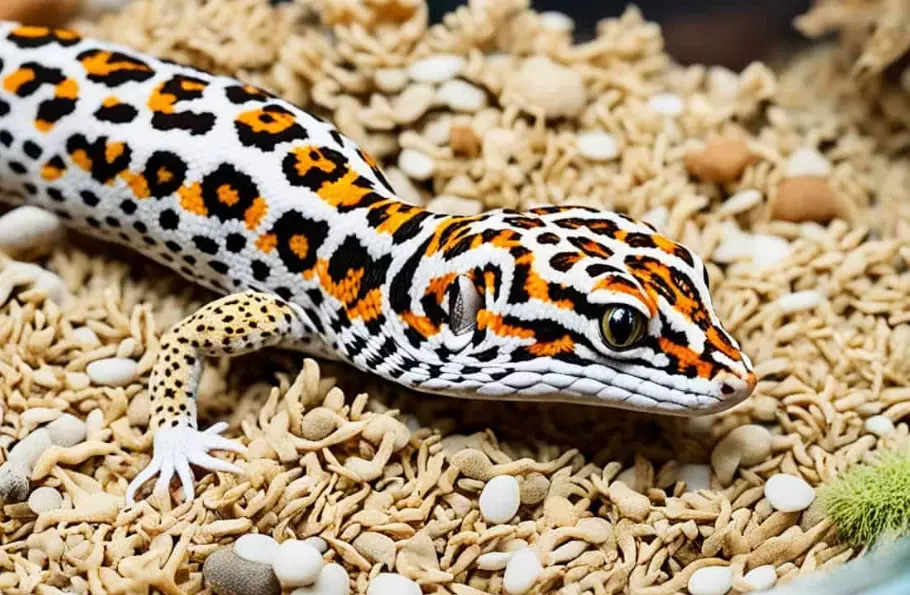
What Actually Determines How Long Your Gecko Lives?
It's not magic. It's a combination of factors, some you can't control and many you absolutely can.
1. Genetics and Breeding History
This is the foundation. A gecko from a reputable breeder who prioritizes health, diverse bloodlines, and robust genetics starts life with a massive advantage. Avoid geckos from mass-breeding mills or parents with known genetic issues (like Enigma syndrome, which can cause neurological problems). You can't change genetics, but you can choose where your gecko comes from.
2. The Habitat: It's More Than Just a Tank
This is where most lifespan-shortening mistakes happen. It's not just about size, but about creating a functional environment.
- Space: A 20-gallon long (30" x 12" x 12") is the minimum for one adult. Bigger is always better. I recommend 40-gallon breeders for a single gecko. Chronic stress from a cramped space weakens the immune system over years.
- Heat Gradient: A proper thermal gradient is non-negotiable. You need a warm side with an under-tank heater regulated by a thermostat (88-92°F / 31-33°C on the floor) and a cool side around 75-80°F (24-27°C). Incorrect or inconsistent temperatures are a leading cause of digestive failure and metabolic slowdown.
- Substrate: The floor covering debate is endless. Impaction (intestinal blockage) from loose substrates is a real risk, especially for juveniles. After years of trial and error, I strongly advocate for solid substrates for beginners and most owners: slate tile, paper towel, or non-adhesive shelf liner. Loose substrates like pure topsoil/sand mixes can work for very experienced keepers but add an unnecessary risk factor for longevity.
| Substrate Type | Pros for Longevity | Cons/Risks | Verdict for Lifespan |
|---|---|---|---|
| Paper Towel/Non-Adhesive Liner | Hygienic, no impaction risk, easy to monitor health (poop). | Not natural, needs frequent changing, doesn't hold burrows. | Excellent. Removes a major health risk. |
| Slate/Rock Tile | Natural, files nails, holds heat well, no impaction risk. | Can be cold, requires cutting to fit, urine can seep between cracks. | Excellent. My personal top recommendation. |
| Prepared Topsoil/Sand Mix | Allows natural digging/burrowing, holds humidity for sheds. | High impaction risk if gecko eats it (they sometimes do), can harbor mites/bacteria if not maintained. | Risky. Only for advanced keepers with perfect husbandry. |
| Calcium Sand/Walnut Shell | None relevant to health. | Extremely high impaction risk, can cause eye/respiratory issues. | Avoid Completely. A known lifespan-shortener. |
3. Diet and Supplementation: You Are What You Eat
Feeding just crickets from the pet store isn't enough. A monotonous diet leads to nutritional deficiencies that manifest years later as metabolic bone disease (MBD), organ failure, or a weakened immune system.
Gut-loading your feeder insects (feeding them nutritious greens and commercial gut-load food 24-48 hours before feeding) is critical. It passes nutrients to your gecko.
Supplementation is the real secret. You need two dusting powders: a pure calcium powder (without D3) available in a small dish in the enclosure at all times, and a multivitamin with D3 powder used to dust insects 1-2 times a week. The lack of proper UVB lighting (which I recommend providing in low levels) means D3 synthesis is limited, making supplementation vital for calcium absorption and bone health.
Care Through Every Life Stage: Hatchling to Senior
Their needs evolve. A one-size-fits-all approach misses key opportunities to support health.
Hatchling/Juvenile (0-12 months): This is the most fragile period. Focus on perfect temperatures and a strictly solid substrate (paper towel). Feed daily with appropriately sized insects. This is when MBD can take hold if supplementation is off.
Adult (1-7 years): The prime. Feeding can reduce to every other day. This is where consistent, high-quality care pays off. Monitor weight monthly to prevent obesity, a silent killer.
Mature/Senior (8+ years): You might notice less activity, a slight reduction in appetite, and maybe some cloudiness in the eyes. Softer foods like waxworms (in extreme moderation) or smaller, softer-shelled roaches can help. Ensure the warm hide is easily accessible. Vet check-ups become more valuable to catch age-related issues like organ decline early.
Silent Killers: Common Health Problems That Shorten Lifespan
These aren't always obvious until it's too late.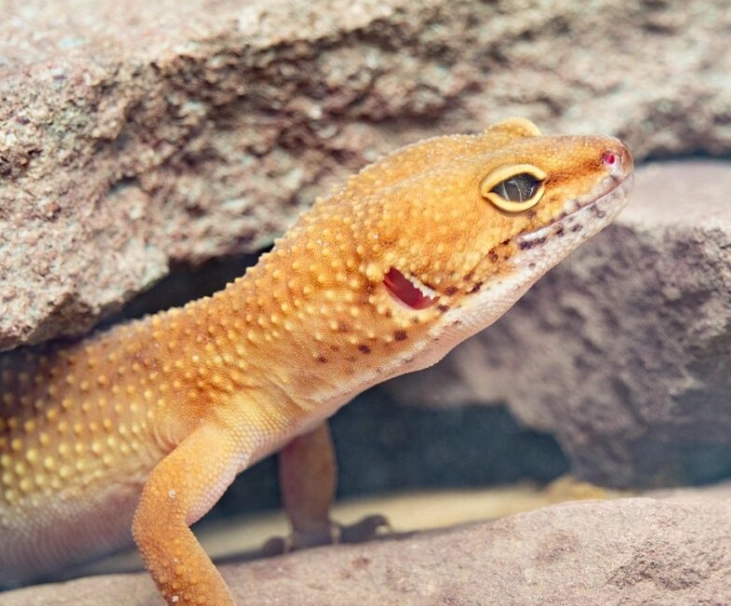
- Metabolic Bone Disease (MBD): The result of poor calcium/D3 balance. Limbs become rubbery, jaws soften. It's preventable 100% of the time with proper diet and supplements.
- Impaction: A blocked digestive tract from substrate or oversized food. Symptoms include no poop, lethargy, and a swollen abdomen. Prevention through proper substrate and temperature is key.
- Egg-Binding (Dystocia): Even without a male, females can lay infertile eggs. If an egg gets stuck, it's fatal without veterinary intervention. Providing a moist, deep lay box for adult females is crucial.
- Obesity: Fatty liver disease is a major killer. A fat tail is good; a fat body and limbs are not. Don't overfeed fatty insects like mealworms or waxworms.
Pro Tips for Maximizing Lifespan (Beyond the Basics)
Here's where that "10-year experience" insight comes in.
First, provide low-level UVB lighting. The consensus is shifting. While they can survive without it, studies (like those published in the Journal of Herpetological Medicine and Surgery) suggest that low-level UVB (a 5.0 or 2.0 T5 bulb, on for 10-12 hours) aids in natural D3 synthesis, improves calcium metabolism, and can enhance overall vitality and longevity. It mimics a more natural environment.
Second, quarantine any new gecko for at least 90 days in a separate room with separate equipment. Cryptosporidium ("crypto"), a deadly and highly contagious parasitic infection, can wipe out a collection and has no cure. This simple step is the biggest biosecurity measure you can take.
Third, keep a simple log. Note weight monthly, sheds, appetite changes, and poop consistency. A sudden drop in weight is often the first sign of illness, long before you see obvious symptoms.
The Hardest Decision: Recognizing End-of-Life
With a lifespan this long, you may face this. Signs of serious decline, not just old age, include: dramatic and sustained weight loss despite offering favorite foods, complete loss of coordination or inability to right themselves, chronic infections that don't respond to treatment, and obvious signs of pain or distress. Consulting with a reptile-savvy veterinarian is essential to determine if the condition is treatable or if humane euthanasia is the kindest option. It's the final, responsible act of care for a long-lived companion.
Reader Comments