
Travel Tips
Lorem ipsum dolor sit amet, consectetur adipiscing elit.
So you're thinking about getting a gargoyle gecko, or maybe you already have one perched on a branch in your home. Those sticky feet, the knobby head, the calm demeanor—they're fantastic pets. But here's the first question that should pop into your head, even before you ask about color morphs: how long do gargoyle geckos live? The answer isn't just a number. It's a story written by genetics, care, and a bit of luck. In captivity, with proper care, you're looking at a companion for 15 to 20 years, easily. I've known keepers whose geckos celebrated their 22nd birthday. That's longer than many dogs, cats, or even some relationships. It's a serious commitment.
But what does "proper care" actually mean? It's not just about throwing food in a tank. The difference between a gecko that taps out at 10 years and one that thrives past 20 often comes down to subtle, rarely discussed details most care sheets gloss over. Let's talk about how to not just meet, but exceed, their lifespan potential.
Ask around online, and you'll see a range. Some say 10-15 years, others claim 20+. Who's right? Based on decades of collective keeper experience and data from dedicated breeders, the consensus among serious hobbyists is this:
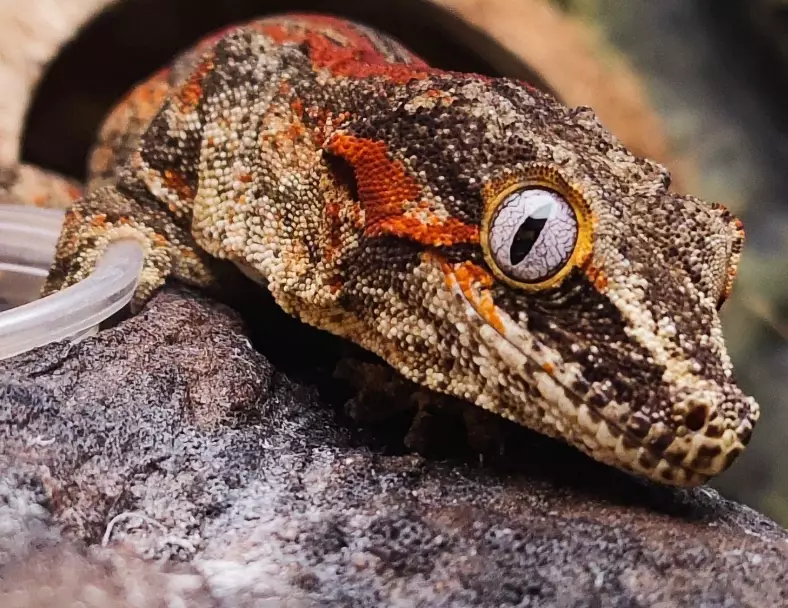
I once met a keeper at a reptile show whose gargoyle was 22. The gecko was alert, a good weight, and still climbing. The owner's secret? Consistency. The same reliable diet, the same stable environment, for over two decades. No drastic changes, no experimentation with fads. It's that simple.
Key Takeaway: Buying a gargoyle gecko is a potential 20-year responsibility. They are not a short-term pet. Their long lifespan is a testament to how robust they can be, but it's a double-edged sword—mistakes can have consequences that play out over years, not weeks.
Think of lifespan as the final grade. These four factors are the subjects you need to ace.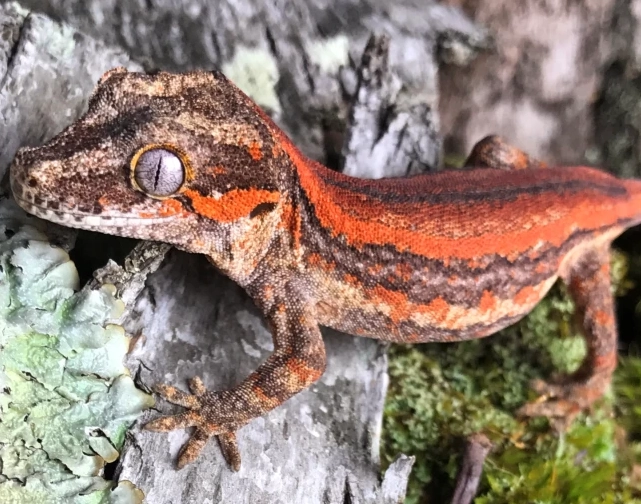
This is the foundation you can't change later. A gecko from a reputable breeder who practices ethical breeding—avoiding inbreeding, selecting for health over extreme morphs—starts with a massive advantage. Wild-caught imports (now rare) or geckos from mass-breeding mills often carry hidden parasites and stress that can shorten their lives, regardless of your later care.
My advice? Don't just buy the prettiest gecko online. Research the breeder. Ask about the parents' ages. A breeder who can tell you their breeding stock is 8+ years old is showing you they know how to keep geckos healthy long-term.
This is where I see the most well-intentioned mistakes. Everyone knows about Repashy and Pangea diets. But the devil is in the details.
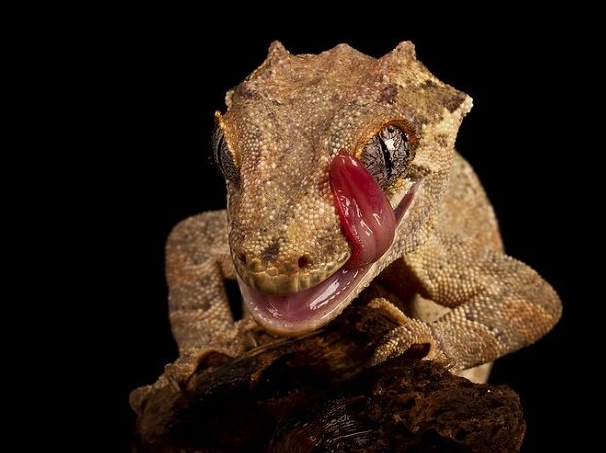
A 20-gallon tall tank is the minimum for an adult. Think bigger. Stress from a cramped, boring enclosure is a silent killer. It weakens the immune system chronically.
| Factor | Ideal Range | Why It Matters for Lifespan |
|---|---|---|
| Temperature | 72-78°F (22-26°C) | Consistently higher temps accelerate metabolism, potentially aging them faster. Lower temps slow digestion. |
| Humidity | Spike to 70-80%, drop to 50% | Chronic low humidity leads to stuck shed and kidney stress. Constant high humidity breeds bacteria and fungus. |
| Vertical Space & Clutter | Tall tank, filled with branches, cork, foliage | Allows natural climbing, reduces stress, promotes exercise. A bored, sedentary gecko is an unhealthy one. |
| Substrate | Moisture-retentive (soil mixes, coconut fiber) | Holds humidity for sheds and egg-laying females. A too-dry, dusty substrate can cause impaction if ingested. |
Reptiles hide illness until it's advanced. You need to be a detective. Weigh your gecko monthly with a digital gram scale. A sudden drop is a red flag. Check their body condition—the base of the tail should be plump, but you should be able to feel the ridges of their spine slightly. If the spine is deeply indented, they're too thin. If you can't feel it at all, they're overweight.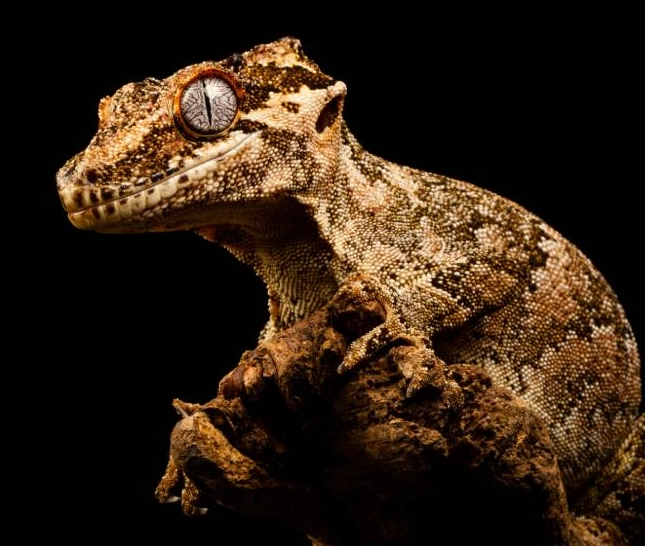
Find a vet that specializes in exotics or reptiles before you have an emergency. A baseline check-up for a new gecko isn't a bad idea. It establishes a relationship and can catch parasites early.
These aren't the obvious "don't drop them" mistakes. These are the slow, creeping ones.
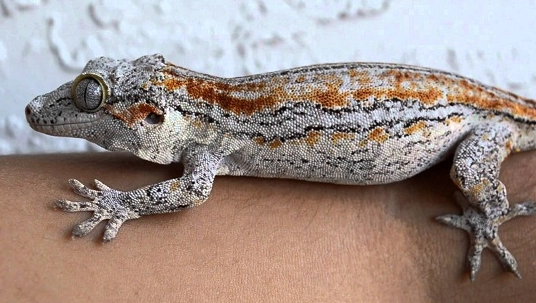
Want to aim for the 20+ year club? Here's what separates good care from exceptional care.
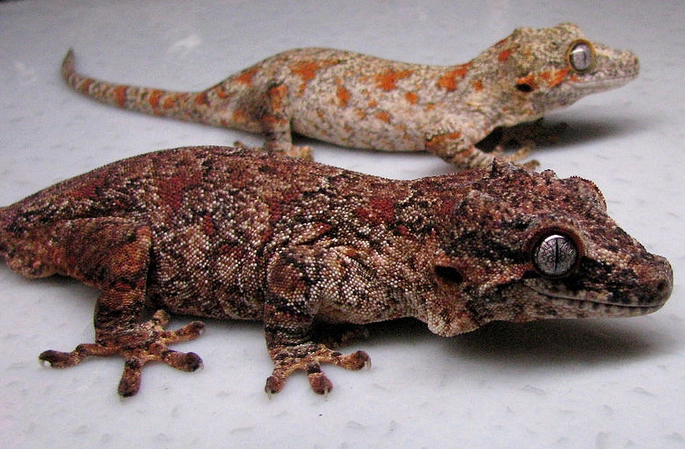
Can a gargoyle gecko live longer than 20 years?
Absolutely, it's possible, though it enters exceptional territory. Records in the hobby point to individuals reaching 25 years. This achievement hinges on exceptional genetics and near-flawless, consistent husbandry across all the factors we discussed—especially nutrition, stress reduction, and proactive health care. It's the reptile equivalent of a human becoming a centenarian.
What's the number one sign my gecko is healthy and likely to live a long life?
Consistent, healthy weight gain as a juvenile followed by stable weight maintenance in adulthood. A good appetite, regular shedding in one piece, and active, alert behavior during the evening are all positive indicators. Regular, well-formed droppings are a sign of good digestion. Keep a simple log; tracking these things helps you spot deviations early.
Does handling affect their lifespan?
Not directly, if done correctly. However, excessive or stressful handling can cause chronic stress, which suppresses the immune system and makes them more susceptible to illness. Keep handling sessions short (5-10 minutes), gentle, and infrequent for adults. Let them come to you. A stressed gecko is not a healthy gecko in the long run.
How does a gargoyle gecko's lifespan compare to a crested gecko or leopard gecko?
They're all in a similar ballpark, but with nuances. Crested geckos have a very similar lifespan of 15-20+ years with comparable care. Leopard geckos often live 10-15 years on average, with exceptional cases reaching 20+. Some argue gargoyles, being slightly more robust in build, might have a slight edge in potential longevity, but care quality is always the dominant factor.
At the end of the day, the gargoyle gecko lifespan is a promise you make to a unique creature. It's not about hitting a record number. It's about providing two decades of security, good health, and a stimulating environment. They give you their whole life. The least we can do is make sure it's a long and good one. Start right, pay attention to the quiet details, and you'll likely have a fascinating, low-maintenance companion for a very significant chunk of your own life.