
Travel Tips
Lorem ipsum dolor sit amet, consectetur adipiscing elit.
You bring home that tiny, wide-eyed crestie, and the first question that pops up after "what's its name?" is usually "how big will it get?" It's a simple question with a surprisingly nuanced answer. While the textbook line is "adults reach 5 to 8 inches in total length," that barely scratches the surface. As someone who's raised dozens from hatchlings, I can tell you that obsessing over the tape measure is the wrong move. Understanding their size is really about understanding their health, their needs, and the fascinating journey from a two-gram hatchling to a sturdy, full-grown gecko.
Let's get the basic numbers out of the way upfront. A typical adult crested gecko (Correlophus ciliatus) measures between 5 and 8 inches from snout to tail tip and weighs between 35 and 55 grams. But I've seen perfectly healthy, breeding-age females at 45 grams that were only 6.5 inches long, and lanky males at 8 inches that were a lean 38 grams. The tail, which they can drop, makes up a significant portion of that length. A tailless adult (affectionately called a "frogbutt") might only be 4 inches long but still be a robust 40 grams. See? Length is only part of the story.
It's not just for bragging rights. Knowing where your gecko falls on the size spectrum is a direct window into its welfare.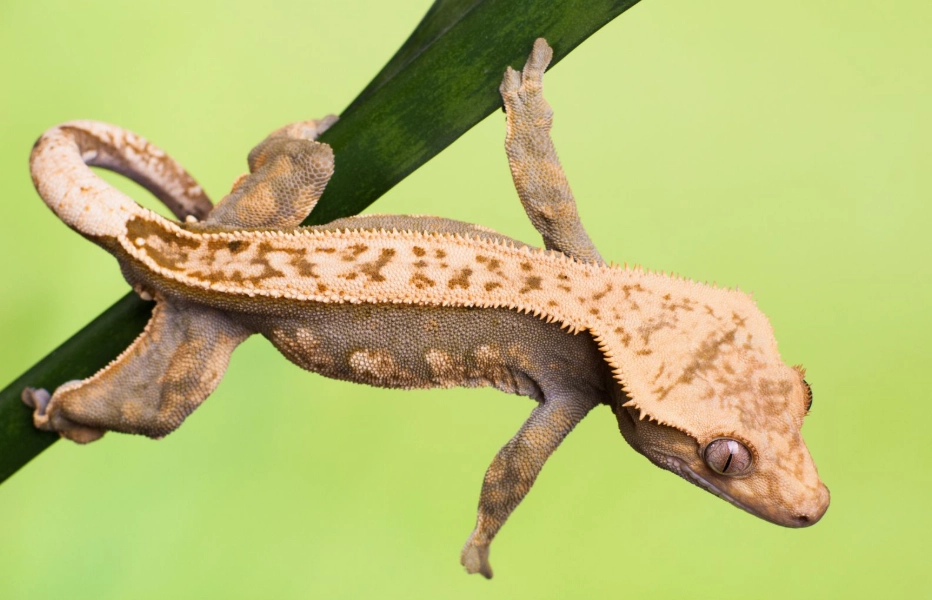
Health Indicator: Steady growth is the best sign you're doing things right. A sudden plateau or weight loss is a red flag. Conversely, an obese gecko (yes, it's common) faces liver and heart issues.
Enclosure Setup: A 3-inch hatchling will be stressed and unable to find food in a massive 20-gallon tall tank. Size dictates the appropriate home.
Sexing and Breeding: You can't reliably sex them until they hit about 15-20 grams. Breeding should only be considered for females over 35 grams to prevent life-threatening complications.
Handling: That fragile hatchling needs a feather-light touch. A sturdy 45-gram adult can handle slightly more confident interaction.
One Big Mistake I See All the Time: New owners panic if their gecko isn't hitting "average" lengths month by month. They start over-supplementing or over-feeding. Growth isn't linear. Some geckos have massive growth spurts at 9 months, others fill out slowly over 2 years. Weight is a far more reliable health metric than length.
Forget strict month-by-month charts. They set unrealistic expectations. Instead, think in phases.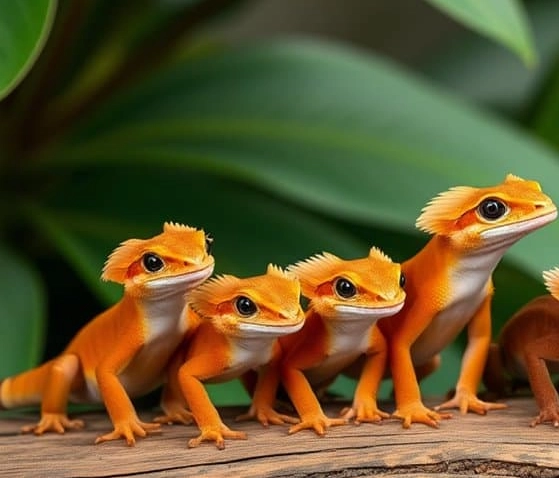
They hatch out at about 2-3 grams and 2.5-3 inches. They're all head, tail, and giant feet. At this stage, every gram counts. They should be eating daily (a quality complete diet like Pangea or Repashy is non-negotiable) and housed in a small, simple setup like a 6-quart plastic shoebox with ventilation. This minimizes stress and maximizes their ability to find food. Growth can seem slow initially.
This is where personalities and growth rates truly diverge. This is the "awkward teen" phase. Legs get longer, bodies fill out. You'll start seeing the characteristic crests develop. This is when you can usually move them to a permanent enclosure (a 12"x12"x18" is perfect). Some will rocket to 25 grams by 8 months; others take a full year. Both are normal if they're active, eating, and pooping regularly.
Growth slows dramatically. They're now putting energy into maintenance and, if female, egg production. An adult's "size" is less about getting longer and more about achieving a solid, muscular body condition. A healthy adult feels substantial when held, not like a hollow tube.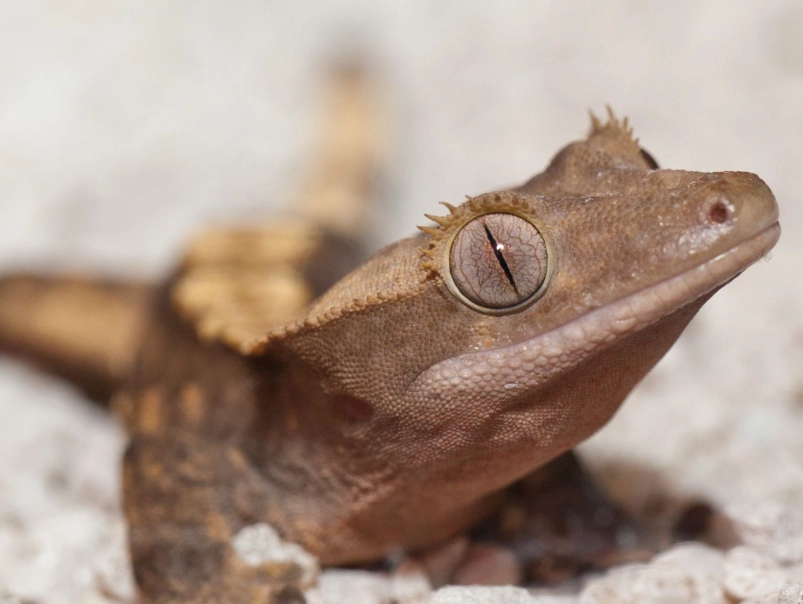
| Life Stage | Typical Age Range | Typical Weight Range | Typical Length (Snout to Tail) | Key Notes |
|---|---|---|---|---|
| Hatchling | 0 - 4 months | 2 - 10 grams | 2.5" - 4" | Extremely fragile. Feed daily. Keep in small, simple enclosure. |
| Juvenile | 4 - 8 months | 10 - 20 grams | 4" - 6" | Rapid growth phase. Sex becomes apparent. Can move to permanent home. |
| Sub-Adult | 8 - 12 months | 20 - 35 grams | 5" - 7" | Growth begins to slow. Full adult coloration develops. |
| Adult | 12+ months | 35 - 55+ grams | 5" - 8" | Sexually mature. Focus on maintaining healthy weight, not length. |
See that weight overlap? A 25-gram gecko could be a fast-growing 6-month-old or a slower-growing 10-month-old. That's why age-based size charts are often misleading.
It's not just food. A mix of factors decides your gecko's final stature.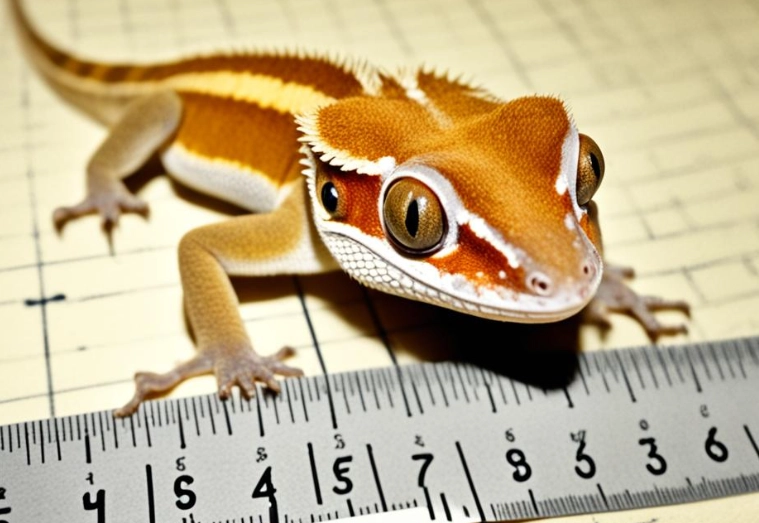
Genetics: This is the big one. Some bloodlines are simply stockier. If the parents were large, the offspring have the potential to be large. You can't change this.
Diet: The foundation. A diet solely of crickets lacks essential nutrients and calcium. A complete CGD (Crested Gecko Diet) powder, mixed with water, is designed for balanced growth. Underfeeding stunts, but overfeeding leads to fat, not healthy size.
Temperature: Cresties are not desert reptiles. They thrive at room temperature (72-78°F). Consistently higher temps can speed up metabolism but also cause stress and dehydration, potentially hindering growth. Too cold, and their digestion slows to a crawl.
Individual Metabolism: Just like people, some are naturally more efficient at using energy. One gecko might pack on weight easily, another stays lean on the same diet.
Health & Stress: Parasites, untreated injuries, or chronic stress from a poor setup (like cohabitation) will redirect energy from growth to survival.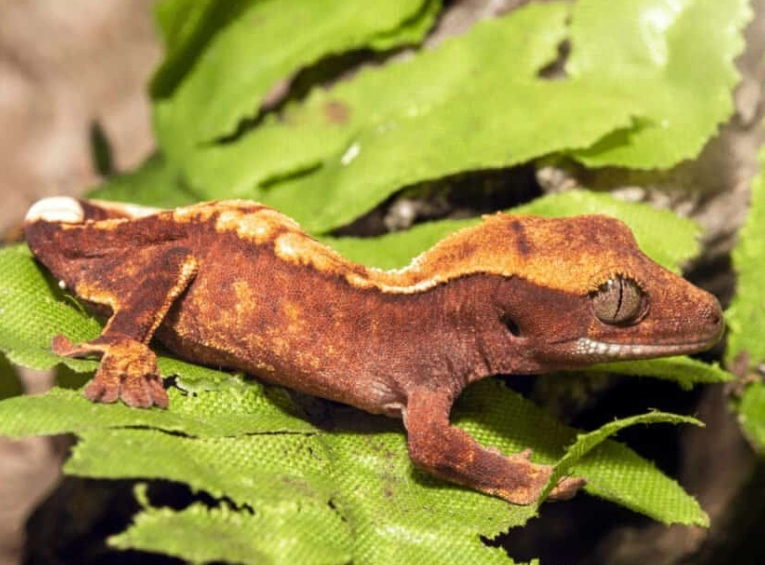
Forget trying to stretch a wiggly gecko against a ruler. You'll stress it out and get a false reading.
For Length: Use the photo method. Place a clear ruler on a flat surface. Let your gecko walk near or onto it. When it's relatively straight (often when exploring), snap a picture from directly above. Measure from the tip of the snout to the tip of the tail (or cloaca if tailless) in the photo. Do this quarterly, not weekly.
For Weight: This is your most important tool. Get a small digital kitchen scale that measures in grams. Use a lightweight plastic deli cup. Tare the scale with the cup on it. Gently place your gecko in the cup and record the weight. Do this monthly. Chart it. A steady upward trend is what you want, even if it's just a gram or two a month for an adult.
I keep a simple spreadsheet. Watching that weight line climb steadily over the first year is incredibly satisfying. A plateau of more than two months in a growing juvenile warrants a diet and setup check.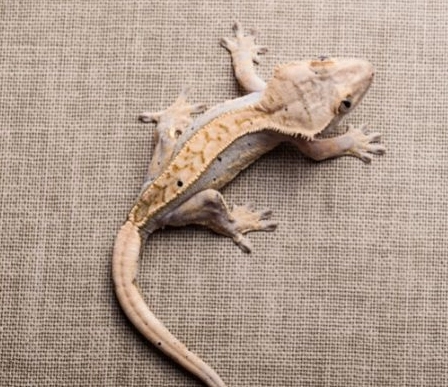
Putting a hatchling in a full-size vivarium is like putting a toddler in a warehouse. They get lost, can't find food, and live in constant low-grade stress.
The rule isn't just about gallon capacity—it's about creating a usable, cluttered environment appropriate to their size and confidence.
So, throw out the rigid size charts. Get a good scale. Track weight. Provide a proper diet and environment. Your crested gecko will grow at its own pace to its own genetically predetermined size. A healthy, active gecko at 40 grams is far more successful than a sluggish, obese one at 60 grams. Size is a tool for monitoring welfare, not a trophy to be won. Watch the trends, not the tape measure, and you'll have a thriving crestie for years to come.