
Travel Tips
Lorem ipsum dolor sit amet, consectetur adipiscing elit.
You see the number everywhere: 15 to 20 years. That's the standard line for a crested gecko's lifespan. But when you're looking at your female gecko, that range feels vague. Is she on track for 20? Could she only make it to 12? The truth is, that lifespan isn't a promise; it's a potential. Hitting the upper end, especially for females, is a complex dance between genetics, your care, and a bit of luck. I've kept and bred these animals for over a decade, and I've seen stunning 22-year-old grandmas and heartbreaking losses at age 8. The difference often comes down to details most care sheets gloss over.
Let's talk specifically about female crested geckos. They carry a unique biological burden—egg production—that males don't. This single fact shifts their nutritional needs, their risk profile, and ultimately, their trajectory toward a long life. If you want your girl to be a lifelong companion, you need to think beyond just food and a cage.
In their native New Caledonia, life is tough. Predators, disease, food scarcity, and habitat loss mean few crested geckos live to see old age. Estimates for wild lifespans are fuzzy, but 5-10 years is a common guess. Captivity removes those immediate threats, unlocking their true potential.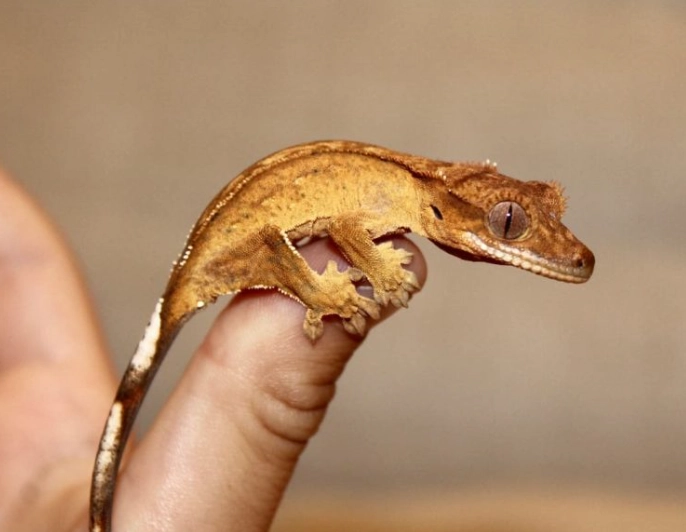
The Current Consensus: A well-cared-for pet crested gecko has a 15 to 20-year lifespan. Females often sit in the middle to lower end of this range compared to males, primarily due to the physiological costs of reproduction, even if they never breed.
But "well-cared-for" is the key. I've compiled data from breeder forums, vet reports, and my own circles. Here’s a more realistic breakdown of what you can expect based on care level:
| Care Level | Typical Female Lifespan Range | Primary Limiting Factors |
|---|---|---|
| Basic (Survival) Enclosure meets minimum size, diet is commercial paste only. |
8 - 12 years | Nutritional deficits, chronic stress, eventual organ failure. |
| Good (Thriving) Proper enclosure, varied diet, stable environment. |
12 - 18 years | Genetic predispositions, occasional health issues (e.g., egg binding). |
| Excellent (Optimal) Spacious, enriched habitat, expert nutrition, proactive vet care, no breeding. |
15 - 20+ years | Ultimately, age-related decline (similar to geriatric cats/dogs). |
Your goal should be to move from "Basic" to "Good," and then chip away at "Excellent." Most of us land in the "Good" category, and there's no shame in that—a healthy 15-year-old gecko is a wonderful success.
Think of these as the dials you can adjust. Some you control completely, others you only influence.
You can't change this, but you can acknowledge it. A female from a robust, long-lived bloodline simply has a higher ceiling. This is why buying from a reputable breeder who tracks their lineage matters more than people think. It's not just about color; it's about underlying vitality. I've noticed lines where the females consistently live past 18, and others where they seem to age faster post-10, regardless of care.
This is where most mistakes are made, and it's subtle. Yes, a high-quality commercial diet like Pangea or Repashy is the cornerstone. But for females, calcium isn't just for bones; it's for eggshells. Even if she's not breeding, her body cycles calcium for potential eggs. A slight, chronic deficiency might not cause obvious MBD (Metabolic Bone Disease) but can weaken her over decades.
The non-consensus tip? Gut-load your feeder insects. If you offer crickets or roaches as a treat, feed those insects nutritious greens and commercial bug food for 24-48 hours before offering them. It boosts their nutritional value for your gecko exponentially. Don't just feed them cardboard.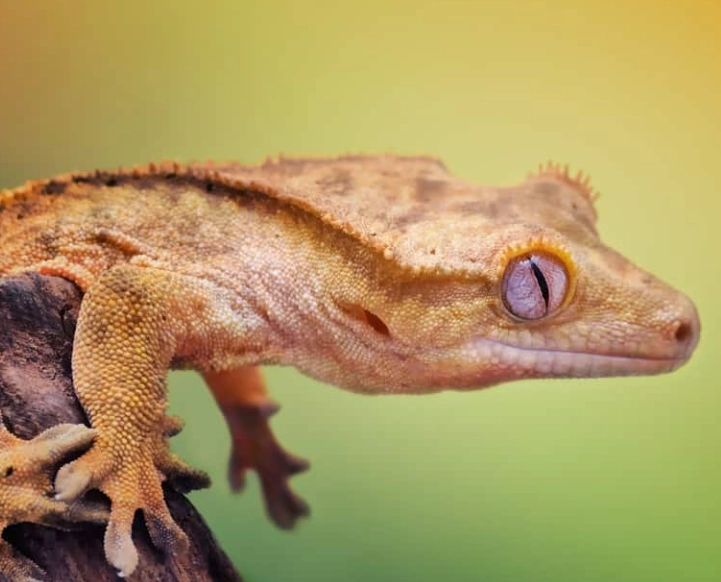
Size matters, but so does layout. The bare minimum (18x18x24 inches) is just that—a minimum. For a female, more floor space and climbing opportunities reduce stress and encourage movement, which maintains muscle tone and healthy weight. Temperature is critical: consistent 72-78°F (22-25.5°C) is the sweet spot. Spikes above 82°F (28°C) can cause heat stress, a silent killer that damages organs over time.
Humidity swings are another stealth enemy. A daily spike to 80% followed by a drop to 50% is fine. Letting it stay at 90% or drop to 30% for prolonged periods invites respiratory infections or chronic dehydration.
Reptiles hide illness until it's advanced. An annual check-up with a reptile-savvy vet isn't overkill; it's a baseline. A fecal exam to check for parasites is cheap insurance. The biggest win? Getting a weight on her. Tracking her weight monthly is the single best way to catch problems early. A sudden drop can signal illness; a steady creep up can mean you're over-feeding, leading to fatty liver disease.
This is the most overlooked factor. Chronic stress suppresses the immune system. What causes it? A cage in a loud, high-traffic room. Constant handling (more than 2-3 times a week for short periods). An incompatible cage mate (yes, even another female—they are not truly social). Inconsistent light cycles. These low-grade stressors add up, year after year, wearing her down.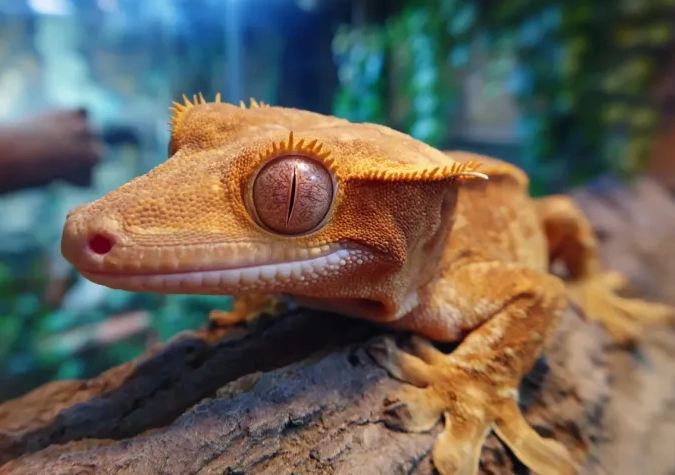
Actionable steps, not just theory.
Upgrade the enclosure early. Don't wait. If you have a juvenile in a 12x12x18, plan the move to an 18x18x24 or larger by the time she's 1 year old. Fill it with clutter—cork tubes, live plants (like Pothos or Snake Plants), and horizontal branches. She should be able to move across the cage without feeling exposed.
Master the feeding schedule. For adult females, offer fresh commercial diet (Pangea/Repashy) every other night. Remove uneaten food after 48 hours. Once a week, mix in a pinch of high-quality calcium powder (without D3, if your diet already contains it) into her food. Offer a couple of gut-loaded insects as a treat every 10-14 days. This variety covers all bases without overdoing protein, which can strain her kidneys.
Create a sanctuary, not a display. Place her cage in a quiet, stable part of your home. Use a timer for her lights—12 hours on, 12 hours off. No night lights. Invest in a digital hygrometer/thermometer. The cheap analog ones are often wrong, and you'll be managing based on bad data.
Keep a log. Note her weight monthly. Note when she sheds. Note her eating patterns. This log is gold if you ever need to see a vet. It turns "she seems off" into "she's lost 4 grams in three weeks and her appetite has decreased by half."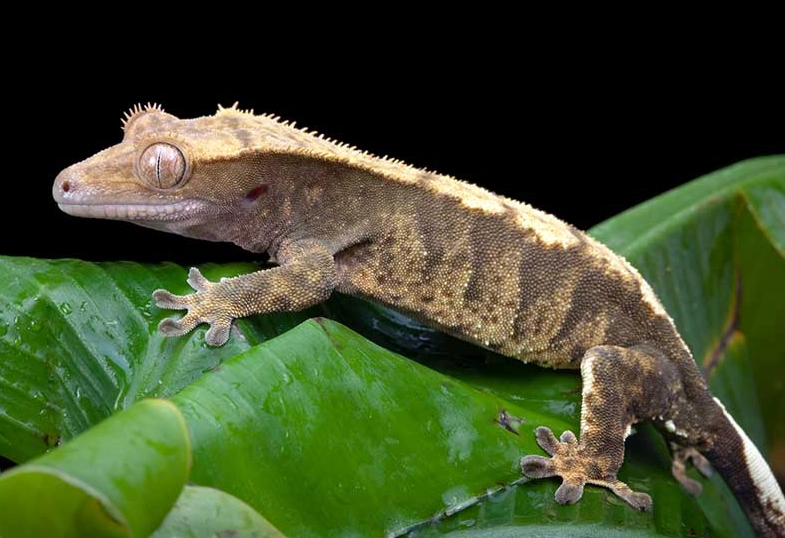
This is a major fork in the road for a female's lifespan. Breeding is physiologically demanding. Producing eggs pulls massive amounts of calcium and energy from her body.
If you choose to breed:
My personal, somewhat controversial view? For the average pet owner wanting a long-lived companion, don't breed your female. The risks (egg binding, nutrient depletion, stress) far outweigh the rewards unless you are a dedicated breeder with a specific goal and vet support. A non-bred female has a significantly clearer path to that 20-year mark.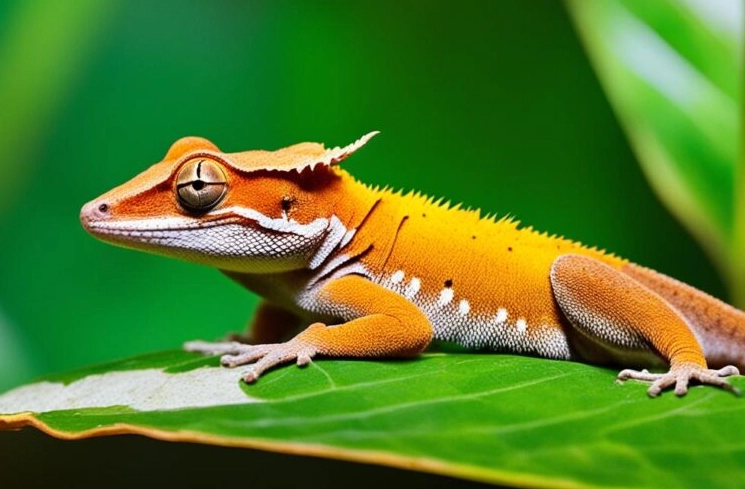
Around 10-12 years, you might notice changes. She may move slower, eat a little less, and sleep more. Her skin might look a bit looser. This is normal.
Senior Adjustments:
The goal shifts from growth to comfort and maintenance. Her quality of life becomes the primary metric.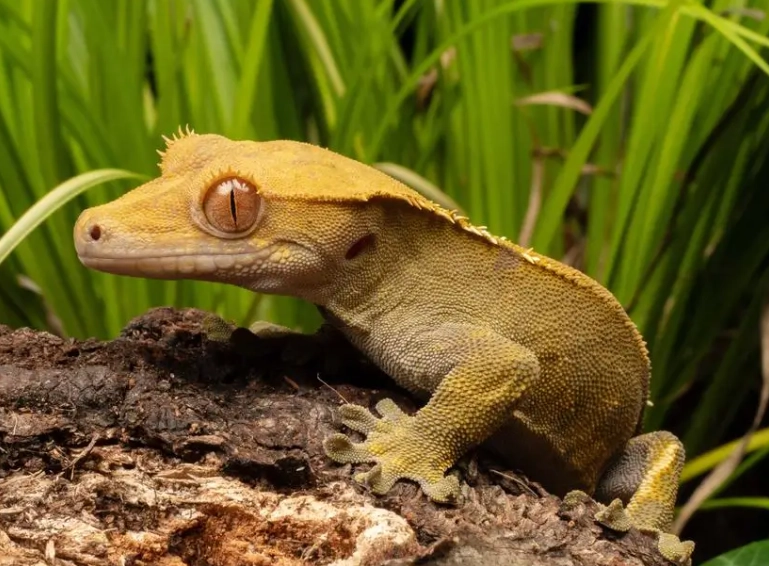
Does breeding shorten a female crested gecko's lifespan?
What's the most overlooked factor impacting a crested gecko's lifespan?
Can you tell a female crested gecko's age by her size or appearance?
Is a 20-year lifespan realistic for a pet female crested gecko?
So, how long will your female crested gecko live? It's not a number you find online. It's a story you write together through the choices you make every day—the food you offer, the home you build, the quiet observation you practice. Aim for the 15-20 year range, but focus on the quality of each of those years. A long life is a wonderful goal, but a good long life is the real achievement. Start with the basics, nail them down, and then layer on the expert tips. Your gecko's longevity clock is ticking, but you hold the tools to wind it up for decades to come.