
Travel Tips
Lorem ipsum dolor sit amet, consectetur adipiscing elit.
You know the sound. On a warm, damp evening in late spring or summer, just as the fireflies start to blink, the air fills with it. It starts as a lone, rhythmic chirp from the woods behind your house. Then another joins in from the old maple tree. Before you know it, your entire yard is alive with a symphony of trills, peeps, and chuckles. That's the sound of Michigan tree frogs, and if you've ever wondered who's making all that racket, you're in the right place.
I remember the first time I really paid attention. I was camping up near Traverse City, trying to fall asleep, and this incredibly loud, bird-like trill was coming from a shrub right next to my tent. I was convinced it was some exotic bird until I shined a flashlight and saw this tiny, gravity-defying frog plastered to a stem, its throat ballooning out with each deafening call. That was my introduction to the gray tree frog, and I've been fascinated by Michigan's tree frogs ever since.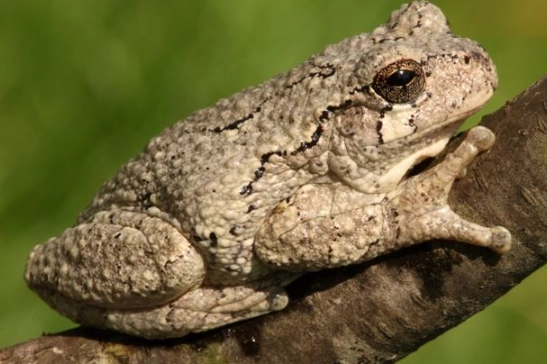
Let's get something straight right away—these aren't the big, warty toads by your garden hose or the leopard frogs jumping into the pond. Michigan tree frogs are a special bunch. They're the acrobats, the climbers, the ones with sticky toe pads that let them scale your window screen or cling to the underside of a leaf. They're also the primary architects of those iconic summer night sounds across the state, from the Upper Peninsula's forests to the suburban backyards of Detroit.
This guide is for anyone who's ever been curious. Maybe you're a homeowner trying to identify the noisy tenant in your downspout. Perhaps you're a gardener wondering if these frogs are friends or foes. Or you could be a nature lover who just wants to know more about the wildlife sharing your space. We're going to break down everything: the five species you can actually find here, how to tell them apart (it's trickier than you think), what their calls mean, and what you can do to make your own little piece of Michigan more welcoming to them. These little amphibians are facing some tough challenges, and understanding them is the first step to helping them stick around.
Contrary to what you might read on some less-detailed websites, Michigan is home to not one or two, but five species of frogs that fall into the "tree frog" category. Some are incredibly common and widespread; others are rare and have very specific tastes in real estate. Knowing which is which is half the battle.
Here’s the quick-hit roster. We'll dive into each one right after.
| Common Name | Scientific Name | Key Identifying Feature | Signature Sound | Where to Find Them in MI |
|---|---|---|---|---|
| Gray Treefrog | Hyla versicolor | Bright yellow-orange inner thigh patch. | Short, melodic bird-like trill. | Statewide. Forests, backyards, swamps. |
| Cope's Gray Treefrog | Hyla chrysoscelis | Identical looking to Gray Treefrog. | Faster, harsher, more raspy trill. | Southern Lower Peninsula. Similar habitats. |
| Spring Peeper | Pseudacris crucifer | Dark "X" mark on back. | Loud, high-pitched "peep" (sleigh bell). | Statewide. Wooded wetlands in early spring. |
| Western Chorus Frog | Pseudacris triseriata | Three dark stripes down the back. | Sound of running a fingernail over a comb. | Statewide. Grassy, temporary wetlands. |
| Blanchard's Cricket Frog | Acris blanchardi | Small, warty, with a dark triangle between eyes. | Metallic "gick-gick-gick" like marbles clicking. | Extreme southern tip. Endangered in MI. |
See? Already more complex than just "the green frog in the tree." Let's get personal with each of these Michigan tree frogs.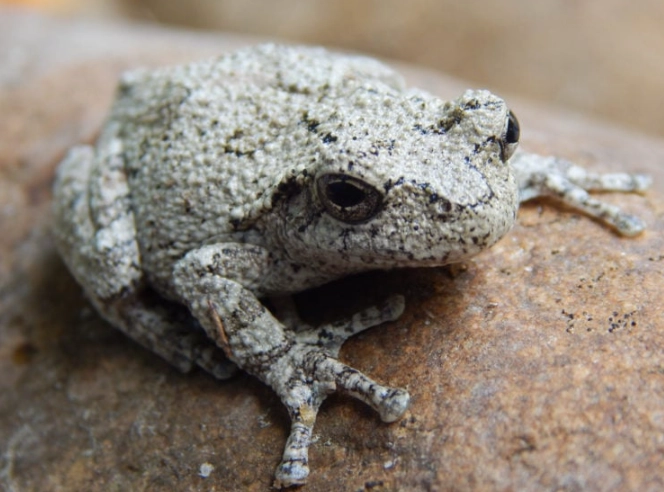
This is the one you're most likely to meet. The Gray Treefrog is a master of disguise. Its scientific name, Hyla versicolor, literally means "color-changing tree-dweller," and it lives up to it. I've seen them look almost white on a light birch trunk, a mottled gray on concrete, and a surprisingly vibrant green on broad leaves. They can change color over a period of hours, not instantly like a chameleon, but it's still impressive. The one absolute giveaway? Pick one up (gently!) and look at its inner thigh. That flash of bright yellow or orange is like its secret ID card.
Now, here's the curveball. Michigan has a second, look-alike species: Cope's Gray Treefrog. I'm not kidding when I say they are physically identical. Same color-changing ability, same orange thigh patch. The only reliable way to tell them apart in the field is by their call. The Gray Treefrog has a slower, more musical trill. Cope's call is faster and harsher, almost like a louder, more grating version. The other difference is genetic—Cope's has half the chromosomes. For most of us, knowing we have a "gray treefrog complex" species is enough. Cope's is more common in the southern part of the state.
These guys are true tree frogs. Their toe pads are incredible. I've watched them climb straight up a pane of glass. They spend summers high in trees, only coming down to breed in ponds or even just permanent puddles. In winter, they don't burrow deep in mud like other frogs. They actually freeze! They produce a natural antifreeze (glycerol) that allows them to survive with a huge portion of their body water turned to ice. It's one of the coolest (pun intended) adaptations in the animal kingdom.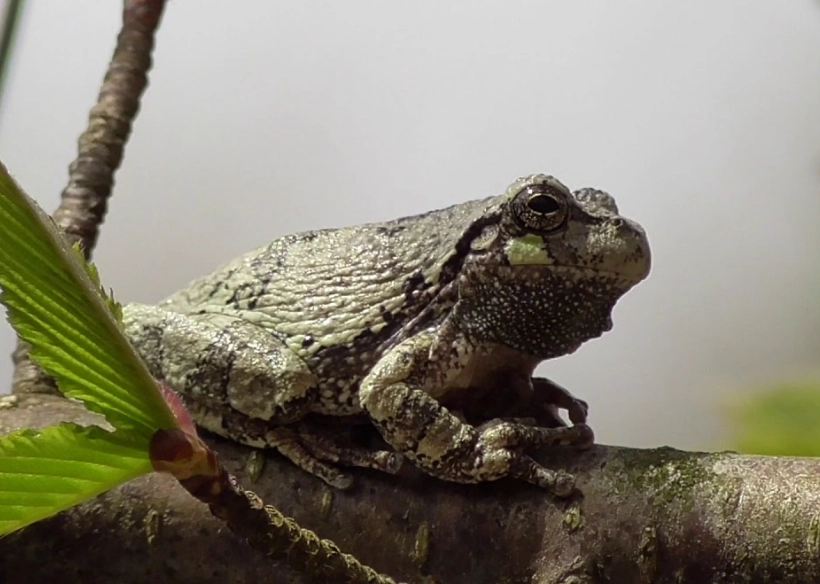
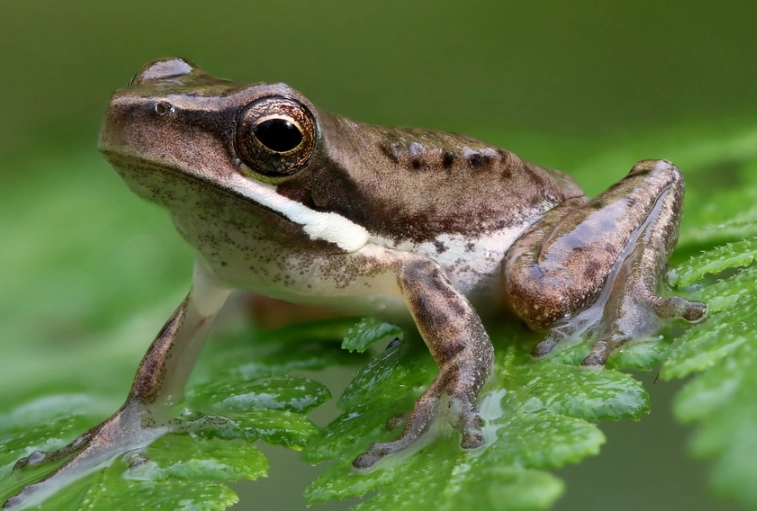
If gray treefrogs own the summer, spring peepers announce the end of winter. They're tiny, about the size of a paperclip, but my goodness, can they make noise. As soon as the ice melts from woodland ponds and temporary swamps (called vernal pools), the males gather and start calling. The sound is a deafening, high-pitched chorus of "peeps." Some people say it sounds like sleigh bells. It's a sign of renewal that's impossible to ignore.
You'll rarely see them during the day—they're too well hidden. But at night, with a flashlight, you might spot them on low vegetation near water. Look for that distinctive dark "X" on their back. They're not as adept at climbing as the gray treefrog, but they can manage shrubs and tall grass just fine. After a few weeks of frantic breeding in these often fish-free pools, they disappear back into the woods for the rest of the year, living a quiet life in the forest floor leaf litter. They're one of the most widespread Michigan tree frogs, found in every county.
This little frog is often overlooked because it's small and prefers weedy, grassy wetlands, not picturesque ponds. But it's a crucial part of the ecosystem. You'll identify it by the three dark stripes (or rows of spots) running down its back. Its call is utterly unique. It doesn't peep or trill; it makes a sound like someone slowly dragging a fingernail over the teeth of a plastic comb. Creeeeeeeeeeek. It's a slower, rising sound compared to the rapid-fire peepers they often share wetlands with in early spring.
They breed in temporary waters—ditches, flooded fields, the edges of ponds. This strategy helps them avoid fish that would eat their eggs. The downside? If the pond dries up too fast, the tadpoles don't make it. It's a risky life. Conservationists are particularly watchful of chorus frog populations because their reliance on these ephemeral habitats makes them vulnerable to development and drainage.
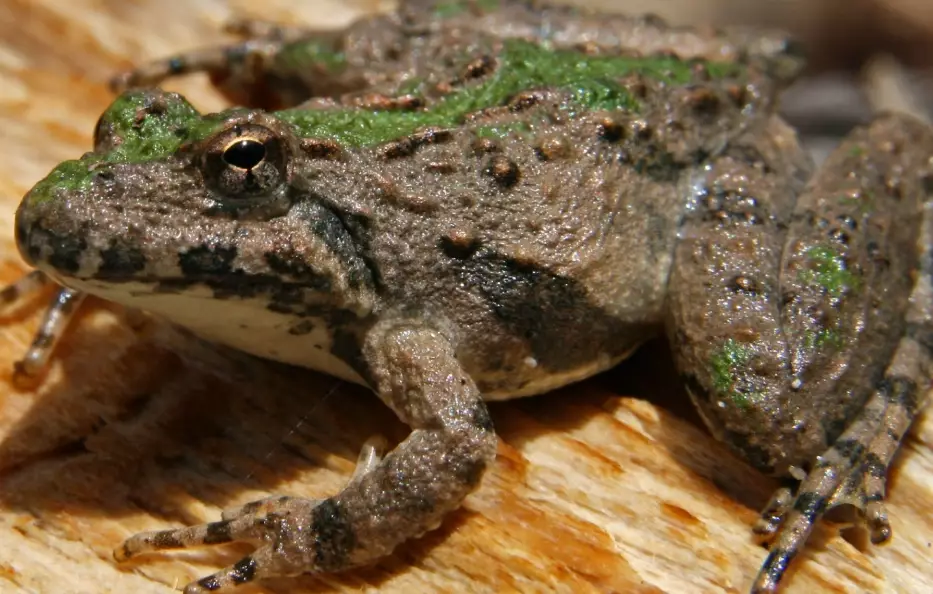
This one is a special case. The Blanchard's cricket frog is at the very northern edge of its range here in Michigan, and it's hanging on by a thread. It's listed as a species of special concern. If you see one, consider yourself very lucky. They're found only in a few counties in the extreme southern part of the state, in slow-moving streams, riverbanks, and the edges of ponds with lots of vegetation.
They're small and warty, not smooth like the others, with a distinctive dark triangle between their eyes. Their call is a series of sharp, metallic clicks, like two small stones or marbles being tapped together rapidly: "gick-gick-gick-gick." The major threat to these Michigan tree frogs is habitat loss and water pollution. They need clean, shallow, warm waters with plenty of sun and plants. They're a reminder that not all of our amphibians are doing well, even the ones that seem common elsewhere.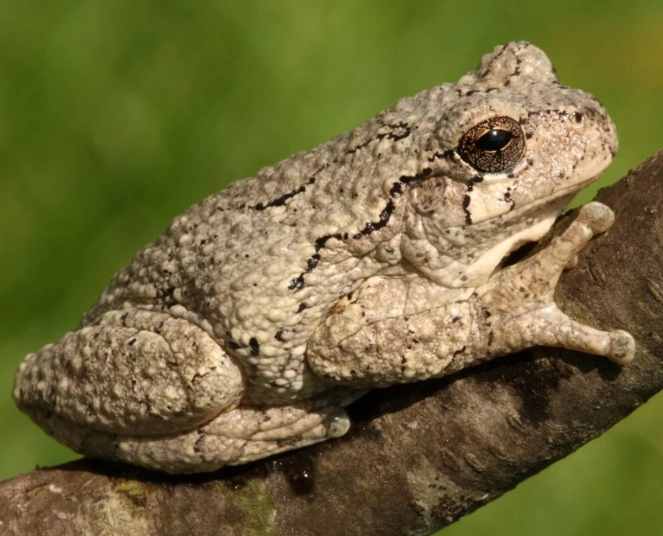
So we know who they are. But how do these Michigan tree frogs live? It's a cycle tied tightly to water and weather.
It all starts with that chorus. The males call to attract females to a breeding site—a pond, swamp, ditch, or even a large, water-filled tire rut. After mating, the female lays clusters of eggs attached to underwater plants or debris. Here's a timeline of what happens next:
Their habitat needs are specific. They need a "double" habitat: a safe, fish-free (or fish-manageable) water body for breeding, and adjacent wooded or shrubby areas for the adults to live and hunt. This is why suburban areas with ponds and mature trees can actually be great habitat, while vast, manicured lawns are a desert to them.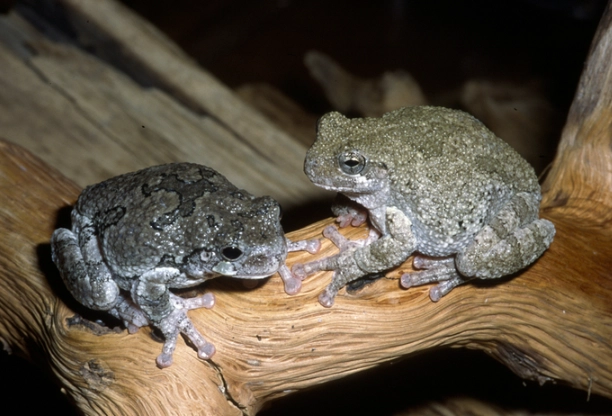
And the winter question? It's a good one.
Most Michigan tree frogs don't hibernate in the classic, deep-underground sense. The gray treefrogs, as mentioned, freeze in the leaf litter or under tree bark. Spring peepers and chorus frogs also seek shelter under logs, deep in leaf piles, or in rodent burrows, where they enter a state of suspended animation. Their heartbeat slows to almost nothing, and they live off stored energy reserves. They're literally waiting for the spring thaw to restart their engines. It's a precarious existence—a winter with little snow cover (which acts as an insulating blanket) can lead to high mortality from freezing temperatures.
You don't need to be a biologist to enjoy these creatures. Here’s a practical guide to finding and maybe even encouraging them in your own space.
Forget nets and jars. The best tools are your ears and a good flashlight.
Want to hear more of that nighttime chorus? You can actively help. It's easier than you think, and way more rewarding than just having a lawn.
I tried this in my own modest suburban yard. I put in a tiny preformed pond, stopped using any sprays, and let a section of the fence line go wild. It took two years, but now I have a resident gray treefrog that I see (and hear) regularly. It's a small victory, but it feels good.
It's easy to take them for granted. But Michigan tree frogs, like amphibians worldwide, are facing a perfect storm of threats. They're what scientists call an "indicator species"—because of their permeable skin and two-stage life cycle (water and land), they are often the first to show the effects of pollution, climate change, and habitat degradation. If the frogs are disappearing, it's a red flag for the entire ecosystem.
The main threats are depressingly familiar:
What can you do? Beyond the yard tips above, you can report your sightings. Citizen science is powerful. The Michigan Herp Atlas project, run by the DNR, relies on reports from people like you to track the distribution and health of amphibian and reptile populations. Taking a photo and logging where and when you saw a Michigan tree frog contributes to real science. You can find information on how to participate through the official Michigan DNR Herp Atlas page.
Supporting local land conservancies that protect wetlands and forests is another direct way to help. These organizations are on the front lines of preserving the interconnected habitats these frogs need.
Let's tackle some of the most common, practical questions people have about Michigan tree frogs. This is the stuff that often gets glossed over.
No, none of our native tree frogs are poisonous. However, all frogs can secrete mild irritants from their skin as a defense. It might cause your dog to drool a bit if it mouths one, but it's not toxic. The famous, deadly poison dart frogs are from tropical Central and South America. Our frogs are harmless in that regard. That said, always wash your hands after handling any amphibian to protect both you and the frog.
Look for the toe pads! Tree frogs have distinct, rounded, sticky pads on the tips of their fingers and toes. Other common frogs like bullfrogs, green frogs, and leopard frogs have webbed feet but no enlarged sticky pads. Tree frogs also tend to have smoother skin and are often found climbing, not just sitting at the water's edge.
They occasionally wander in through an open door or window. Don't panic. They're more scared of you. Gently guide it into a small container like a Tupperware or a cup. Slide a piece of cardboard underneath. Carry it outside and release it in a shady, shrubby area near a water source. Do not release it far away from where you found it.
Humidity is key. Their skin needs to stay moist, and damp air allows them to travel overland safely from their woodland homes to breeding ponds without drying out. So rainy or very humid nights are prime time for their social gatherings.
Legally and ethically, it's not a great idea. In Michigan, it is generally illegal to collect and keep native wildlife without a permit. Beyond the law, wild-caught animals often do poorly in captivity due to stress and specific dietary needs. They also play an important role in the local ecosystem. If you're fascinated by them, consider creating habitat to watch them in the wild, or research captive-bred, non-native tree frog species from responsible breeders if you want a pet amphibian.
Almost exclusively insects and other small invertebrates. Moths, flies, spiders, beetles, ants—they're voracious predators of pests. A single tree frog can eat hundreds of insects in a night. They are a natural, chemical-free pest control service.
---
So, the next time you hear that chorus kick off at dusk, you'll know exactly who's performing. You'll be able to pick out the peepers from the gray treefrogs, understand why they're there, and maybe even know what you can do to make sure that sound doesn't fade from the Michigan landscape. These small, resilient, noisy amphibians are a vital thread in the fabric of our state's natural heritage. Listening to them isn't just about identifying a sound; it's about tuning into the health of the world right outside your door. And honestly, that's a connection worth making.