
Travel Tips
Lorem ipsum dolor sit amet, consectetur adipiscing elit.
Leopard geckos can live 10 to 20 years in captivity, sometimes even longer. I've seen them hit 25 with meticulous care. But most don't reach that age because owners miss the small stuff. Let's cut to the chase: your gecko's lifespan isn't just about food and heat; it's about avoiding silent stressors that add up over years.
It's not one thing. Genetics play a role, but I'd say environment is 80% of the game. Think about it: in the wild, these guys average 6-8 years due to predators and harsh conditions. In captivity, we control everything—so why do so many die young?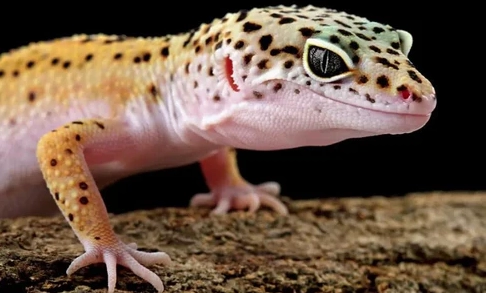
Start with a healthy gecko. I learned this the hard way: bought a cheap gecko from a pet store, and it had hidden parasites. Lived only 5 years. Reputable breeders, like those from the Leopard Gecko Wiki, often share lineage health data. Ask about parents' ages. If the breeder hesitates, walk away.
Wild geckos face constant stress. Captive ones shouldn't, but they do if we mess up. A study by the Reptiles Magazine noted that stress from improper handling can reduce lifespan by years. Keep handling minimal, especially for juveniles.
| Environment | Average Lifespan | Key Challenges |
|---|---|---|
| Wild | 6-8 years | Predation, food scarcity, climate extremes |
| Captivity (Basic Care) | 10-15 years | Improper diet, inadequate heating, neglect |
| Captivity (Optimal Care) | 15-25+ years | Genetic issues, rare diseases, owner error |
Notice how optimal care pushes limits? That's where we're aiming.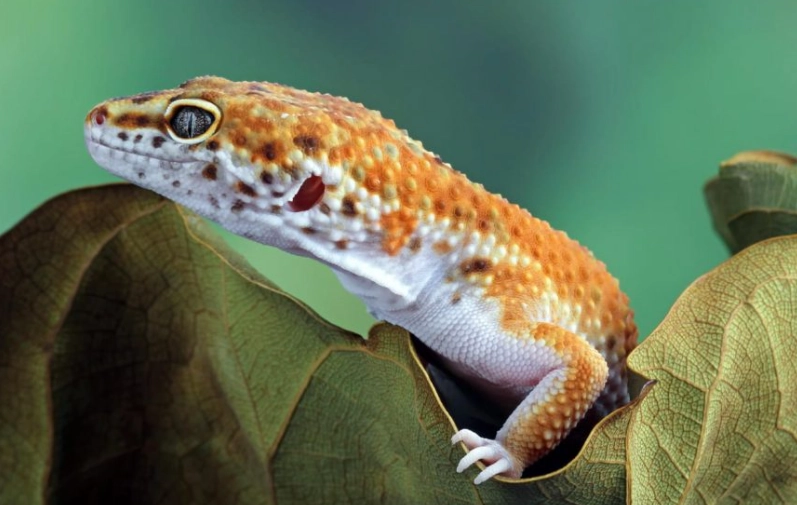
Forget generic advice. Here's a step-by-step plan based on my two decades of keeping geckos.
Size matters. A 20-gallon tank is minimum for one adult, but I prefer 30-gallon. More space reduces stress. Use slate tiles for substrate—easy to clean, holds heat. Avoid loose substrates; impaction is a real risk, but even safe ones like reptile carpet can harbor bacteria if not washed weekly.
Heating is critical. Under-tank heater on one side, creating a gradient of 88-90°F warm side, 75°F cool side. No heat lamps unless your room drops below 70°F; they dry out the air. Humidity around 40-50%—use a digital hygrometer. I've seen geckos develop shedding issues from dry air, leading to infections.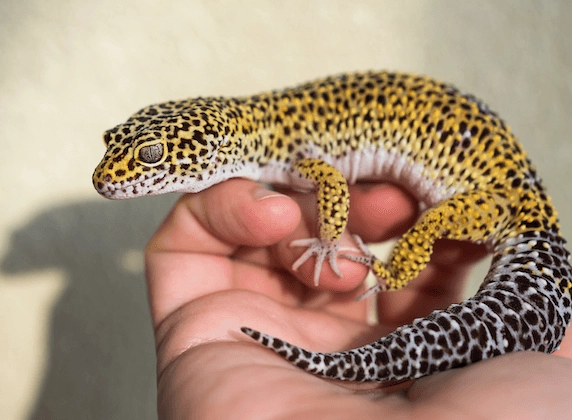
Pro Tip: Don't skimp on thermostats. A $20 thermostat can prevent overheating, which I've seen cause fatal dehydration in hours.
Juveniles eat daily, adults every other day. But here's where most go wrong: variety. Rotate feeders: crickets, mealworms, dubia roaches. Dust with calcium without D3 most feedings, with D3 twice a week. Gut-load feeders with veggies like carrots and squash for nutrients.
Overfeeding is a killer. An obese gecko can develop fatty liver disease. How to tell? The tail should be plump but not wider than the head. I measure weight monthly—a kitchen scale works. If weight spikes, cut back.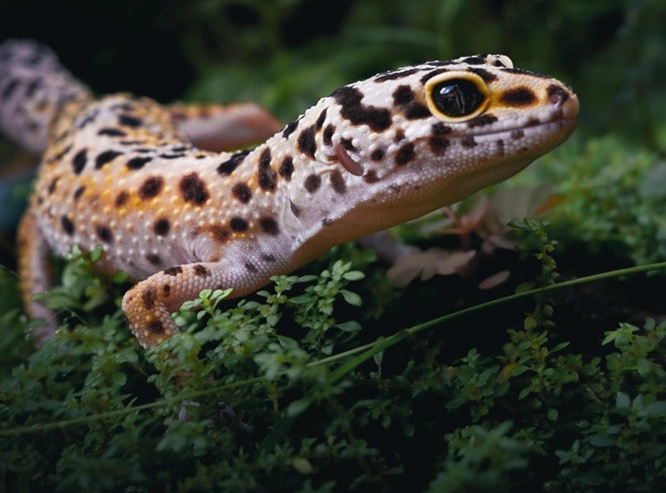
Annual check-ups? Yes, even for reptiles. Find an exotic vet certified by the Association of Exotic Mammal Veterinarians. They can spot early signs of metabolic bone disease or parasites. Cost: $50-100 per visit. Worth it for extra years.
I take mine every spring. Once, the vet caught a minor mouth rot early—saved my gecko from a downhill spiral.
These aren't the obvious errors. They're subtle, cumulative.
It comes from love. You see your gecko beg, and you give in. But excess protein strains kidneys. Limit fatty feeders like waxworms to treats—once a month max. I knew someone whose gecko died at 8 from kidney failure due to daily waxworms.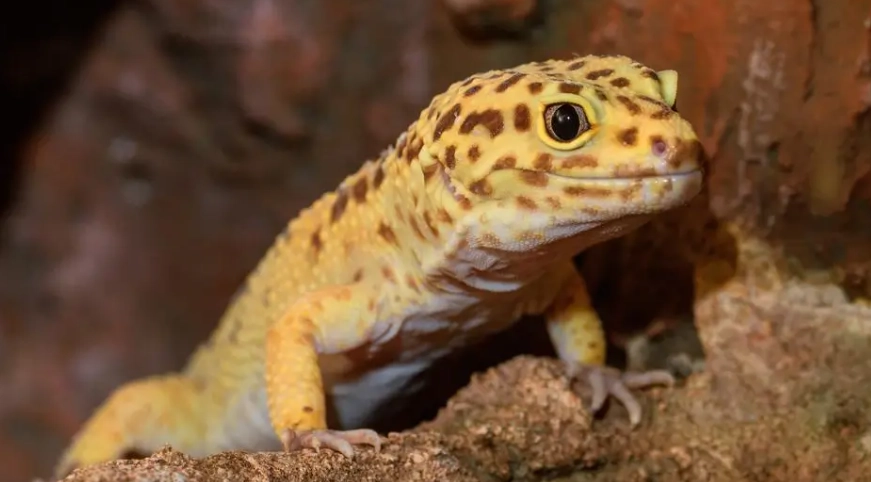
Night drops are fine, but sudden changes aren't. If your heater fails in winter, hypothermia sets in fast. Use a backup heat source. Also, noise and vibration stress geckos. Keep the tank away from TVs or loud appliances.
Light cycles matter too. 12 hours light, 12 dark. Irregular light disrupts sleep, weakening the immune system over time. I use a timer—simple but effective.
Personal Story: My first gecko, Leo, lived to 18. His secret? Consistency. Same feeding schedule, same cleaning day, minimal changes. He thrived on routine, and I believe that reduced his stress significantly.
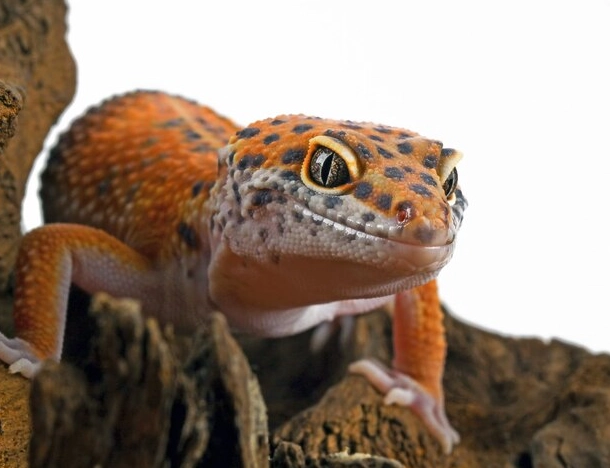
Ultimately, extending your leopard gecko's lifespan boils down to attention to detail. It's not rocket science, but it does require consistency. Start with the basics—proper heat, varied diet, regular vet visits—and then fine-tune based on your gecko's behavior. Remember, these creatures rely entirely on us. A little extra effort can mean a decade more of companionship.