
Travel Tips
Lorem ipsum dolor sit amet, consectetur adipiscing elit.
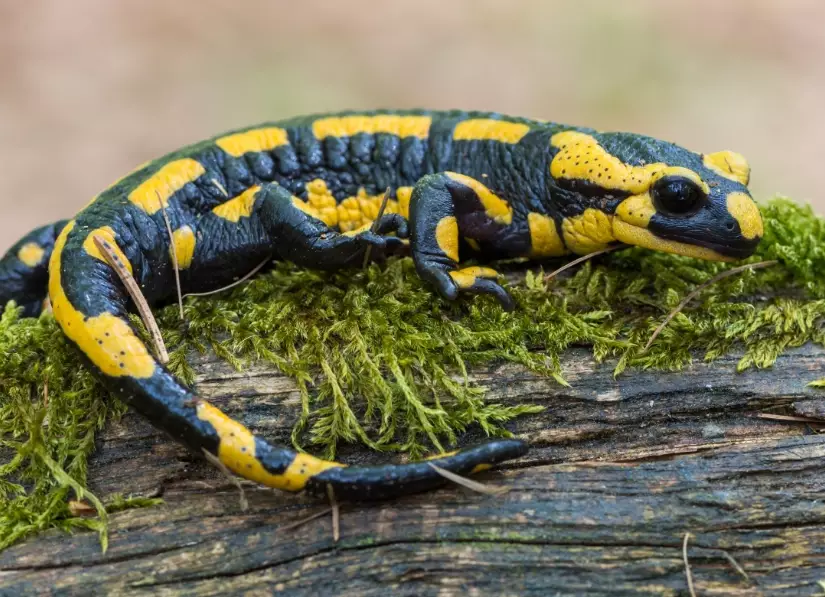
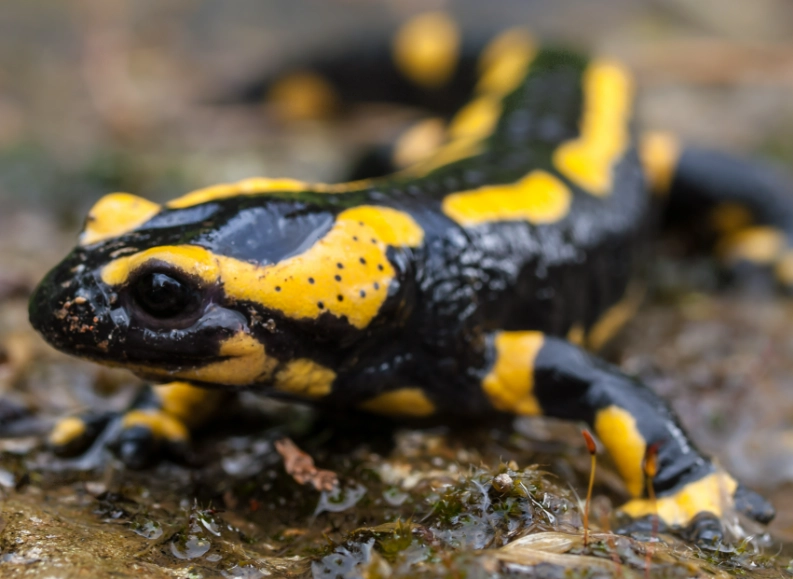
Let's be honest, the first time you see a fire salamander, it feels like you're looking at a creature from a fantasy novel. Those bold yellow and black patterns aren't just for show—they're a loud and clear warning sign in the animal kingdom. I remember spotting my first one during a damp hike in a European forest, just after a rain, and it completely stopped me in my tracks. It wasn't scurrying away like most critters. It just sat there, confident, almost daring me to come closer. That moment sparked a fascination that eventually led to keeping them, and let me tell you, it's been a journey of learning (and a few missteps).
If you're here, you're probably past the initial awe and thinking about the real deal: what's it actually like to care for one of these stunning amphibians? Maybe you've seen pictures online, or visited a reptile expo, and the idea has taken root. But the info out there can be confusing. Some sources make it sound incredibly simple, others impossibly hard. I'm here to cut through the noise and give you the straight talk, from one enthusiast to another. We'll cover everything—from setting up a home that mimics their natural woodsy habitat to figuring out what they actually like to eat (spoiler: it's not salad).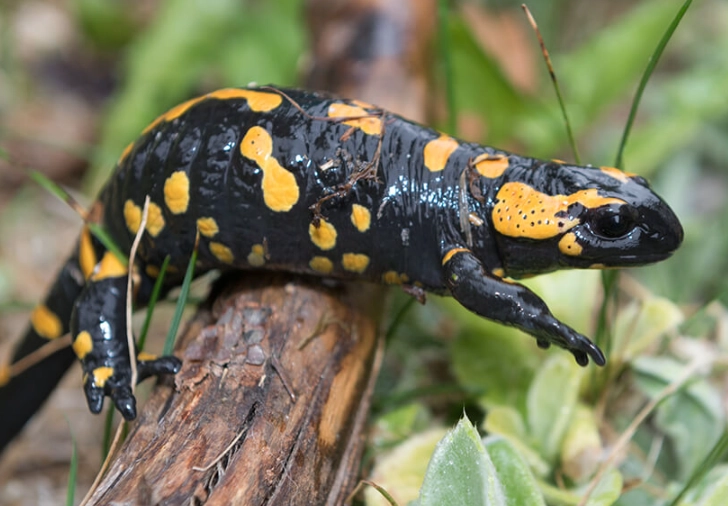
Before we dive into tanks and temperatures, let's get to know the animal itself. Scientifically, the most common species in the pet trade is Salamandra salamandra. They're found across much of central, southern, and Eastern Europe, often in deciduous forests with plenty of moisture. They're not lizards, despite a superficial resemblance. They're amphibians, closely related to frogs and newts, with permeable skin that needs to stay moist.
One of the coolest things? Most fire salamanders don't have a free-swimming tadpole stage like frogs. Instead, the females give birth to live larvae, or occasionally deposit well-developed larvae into small streams. The larvae then live in the water for a few months before metamorphosing into their terrestrial, adult form. It's a fascinating reproductive strategy that keeps the vulnerable young away from many land-based predators.
In captivity, with proper care, these guys can be surprisingly long-lived. We're talking 15, 20, even 25 years. That's a longer commitment than many dogs! It's something you absolutely must factor in. This isn't a short-term pet.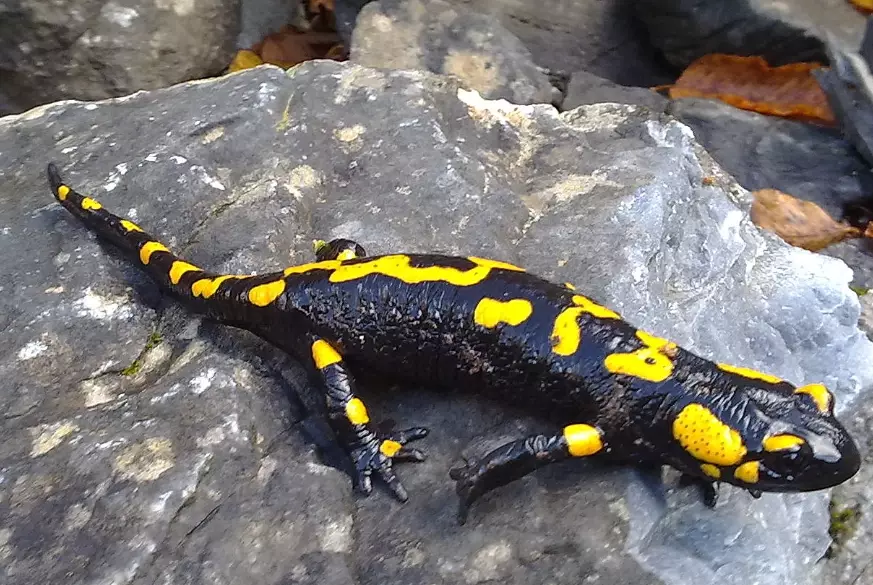
This is where many first-timers go wrong. You can't just stick a fire salamander in a dry fish tank with a wood chip and call it a day. Their skin and their whole physiology demand a specific environment. Think cool, humid, and full of hiding spots.
Bigger is almost always better. A single adult fire salamander can do okay in a standard 10-gallon tank, but it's cramped. I'd recommend a 20-gallon long tank as a minimum for one. For a pair or small group, you'll want to go 30 gallons or larger. Remember, floor space is more important than height. They are terrestrial, not climbers.
The tank must have a very secure, well-ventilated lid. These animals are not escape artists in the traditional sense, but they can and will find gaps if the humidity gets too high and they get uncomfortable. A mesh lid is great for airflow.
The substrate is your foundation, literally. It holds moisture and forms the base of your ecosystem. Avoid anything dusty, sharp, or indigestible.
Can be messy if too wet, may need mixing with other materials for structure. Can be expensive (live), may need frequent replacement (dried). Must be 100% sure it has no fertilizers or pesticides. Can compact. Can be pricey, may contain unwanted insects.
| Substrate Option | Pros | Cons | Best For |
|---|---|---|---|
| Coconut Coir / Eco Earth | Excellent moisture retention, natural, soft, mold-resistant. | Can be messy if too wet, may need mixing with other materials for structure. | Most keepers; a reliable, all-around choice. |
| Sphagnum Moss (Live or Dried) | Superb humidity, natural look, can be part of a bioactive setup. | Can be expensive (live), may need frequent replacement (dried). | Boosting humidity, topping other substrates. |
| Organic Topsoil (No additives) | Very natural, good for planting, holds moisture well. | Must be 100% sure it has no fertilizers or pesticides. Can compact. | Bioactive or heavily planted terrariums. |
| Forest Floor Bedding | Natural blend of soil, leaves, and bits of wood. | Can be pricey, may contain unwanted insects. | A ready-made, naturalistic look. |
You'll want the substrate to be deep enough to hold moisture—at least 2-3 inches. It should feel damp to the touch, like a wrung-out sponge, but never soggy or waterlogged. Soggy substrate is a recipe for skin infections and other health issues.
Now, for hides. A fire salamander without a good hide is a stressed fire salamander. They are secretive by nature. Provide multiple hiding places using cork bark flats, half-logs, or commercial reptile hides. You can even use clean, broken flower pots. I like to have at least one hide on the cooler end and one on the slightly warmer end of the tank.
Add leaf litter (oak or beech leaves, baked to sterilize) on top. This not only looks fantastic but helps retain humidity and gives them something to burrow under. It completes the forest floor vibe.
This is arguably the most critical part of fire salamander care, and where many commercial pet guides get it wrong.
Temperature: Fire salamanders are cool-temperature amphibians. Their ideal range is between 60°F and 68°F (15°C - 20°C). They can tolerate brief dips into the 50s (10-15°C) and spikes into the low 70s (low 20s°C), but consistent temperatures above 75°F (24°C) are dangerous and can be fatal. Their metabolism speeds up, they become stressed, and they are prone to rapid dehydration and infections.
Humidity: Aim for a humidity level of 70-80%. You can measure this with a simple digital hygrometer. To maintain it, you'll need to mist the tank daily with dechlorinated water. A light misting in the evening often mimics the natural dew they'd experience. A shallow, sturdy water dish (like a reptile ceramic dish) is also essential. It should be big enough for them to soak in if they wish, but with very easy access in and out to prevent drowning. Change this water daily.
Lighting is simple. They do not require special UVB lighting like some reptiles, as they are mostly nocturnal and get their vitamin D3 from their diet. However, if you have live plants (which I highly recommend for helping with humidity and aesthetics), you will need a low-output plant light on a timer for about 10-12 hours a day. Avoid bright, hot lights that will heat the tank.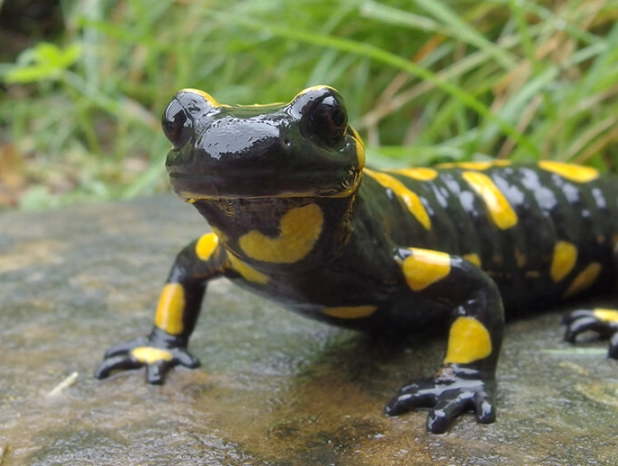
Fire salamanders are carnivorous and primarily eat live, moving prey. Watching them hunt is one of the great joys of keeping them. They have a quick, sticky tongue they flick out to capture food.
Their diet should be varied for good nutrition. Here's a list of common feeder insects, ranked by how much my own salamanders seem to prefer them (your mileage may vary!).
How often? Adults only need feeding 2-3 times per week. Juveniles can be fed every other day. Offer as much as they will eat in about 15-20 minutes. A good rule of thumb is to offer prey items no larger than the space between the salamander's eyes.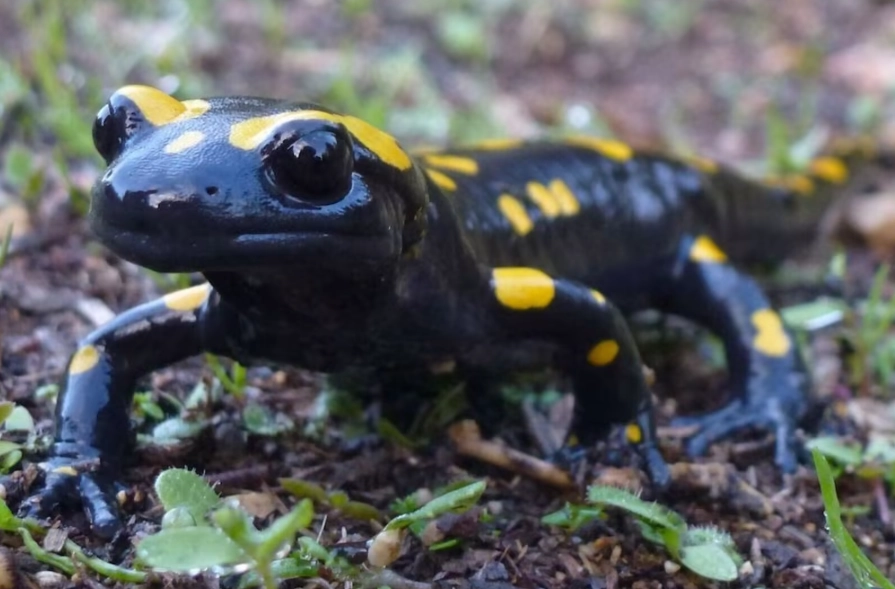
What about pre-killed food? It's worth a try, especially with more timid individuals. You can wiggle a piece of worm with tweezers to simulate movement. Some will take it, others are hardwired to only go after things that move on their own.
Let's get the handling question out of the way. Minimize it. Fire salamanders are pets you observe, not cuddle. Their skin is delicate and absorbs oils, salts, and chemicals from your hands. The stress of handling can also weaken their immune system. If you must move them, do so gently, with clean, wet hands or by herding them into a small container.
Knowing what's normal helps you catch problems early.
Skin Infections (Bacterial/Fungal): Often caused by unsanitary conditions, wounds, or prolonged exposure to wet, filthy substrate. Looks like cottony growths or red ulcers. Requires a vet visit for proper diagnosis and treatment, which may include topical or injectable antibiotics. Prevention is key: clean habitat, proper humidity (not wetness), and quarantining new animals.
Parasites: Internal parasites can come from wild-caught feeder insects or other animals. Symptoms include weight loss despite eating, runny or abnormal feces. A fecal exam by an exotic vet is needed for diagnosis.
Thermal Stress: As mentioned, heat is a killer. Symptoms are lethargy, loss of appetite, and rapid breathing. The fix is immediate, gradual cooling to their ideal range.
Toxic Shock: This can happen if toxins from their own skin secretions build up in a dirty, poorly ventilated enclosure. Regular spot-cleaning of waste and full substrate changes every few months are crucial.
Finding a vet who knows amphibians before you have an emergency is one of the smartest things you can do.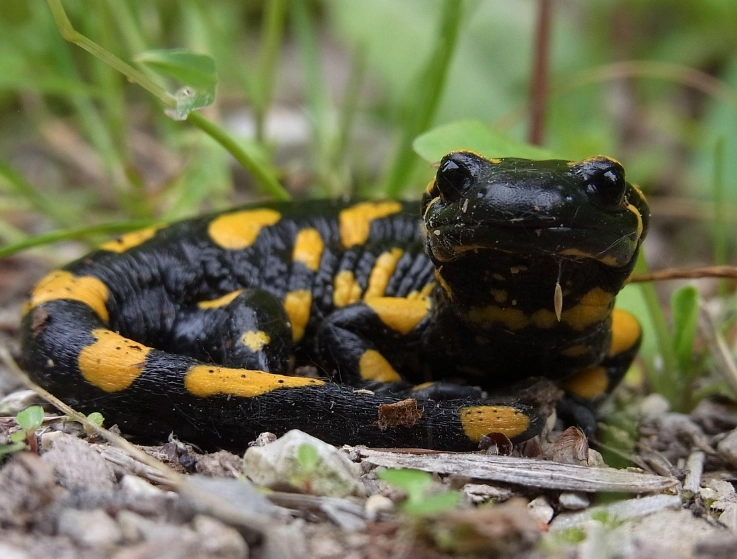
I've gotten a ton of questions over the years. Here are the ones that pop up again and again.
They are toxic, not poisonous (the toxin is secreted, not ingested). For humans, the risk is low but real. The toxins (alkaloids like samandarin) are a serious irritant. Getting it in your eyes or mouth would be a medical emergency requiring immediate flushing and possibly a doctor's visit. Simply touching one with intact skin and then washing your hands well is unlikely to cause issues, but why risk it? Respect the warning colors. Good hygiene is your best defense. For more detailed, scientific information on their toxins, reputable sources like AmphibiaWeb provide excellent background.
With excellent care, 15-25 years is absolutely achievable. There are documented cases of individuals living even longer. This is a decades-long companion, not a short-term project.
Sometimes, but with major caveats. They are not social animals. Cohabitation can work in a very large, well-furnished tank with multiple food and hiding spots, and with individuals of similar size. However, it increases stress, competition for food, and the risk of spreading illness. Cannibalism, while rare in adults, is not unheard of, especially if one is significantly smaller. I generally recommend keeping them singly. If you try a group, be prepared to separate them at the first sign of bullying or weight loss in one animal.
Please, avoid wild-caught animals. They are often stressed, carry parasites, and their removal impacts wild populations. Seek out reputable breeders at reptile/amphibian expos or through online herpetocultural communities. Captive-bred (CBB) animals are typically healthier, better acclimated to captivity, and you're not depleting natural stocks. The IUCN Red List notes that while Salamandra salamandra is currently listed as "Least Concern," local populations can be threatened by habitat loss and collection.
First, don't panic. They can go off food for a week or two, especially during a seasonal change or if they've recently eaten a large meal. Run through this checklist: Is the temperature too high or too low? Is the humidity correct? Are you offering appropriate, live food? Have you changed anything in the tank recently? Is the animal showing any other signs of illness? If the fast lasts more than two weeks and the animal is losing weight, it's time to consult a vet.
Keeping fire salamanders is incredibly rewarding, but it's a niche hobby. It's not like having a cat or a hamster. It requires a specific mindset: you're a curator of a small, fragile ecosystem. Your reward is observing one of nature's most striking patterns go about its secretive life.
They're perfect for you if: you love observing more than handling, you're detail-oriented about habitat parameters, you have a reliably cool space in your home, and you're committed to a pet that could be with you for 20+ years.
You might want to reconsider if: you want a pet to hold frequently, your home is consistently warm, the idea of feeding live insects is a deal-breaker, or you're not prepared for the long-term commitment and potential vet bills.
If you do decide to take the plunge, do it right. Start with a captive-bred animal from a good source. Set up the tank completely and let it stabilize for a week or two before introducing your salamander. Be patient, observe closely, and never stop learning. There's a great community of amphibian keepers online, on forums and social media groups, who are usually happy to share experiences. Just remember to cross-reference any advice.
Good luck! Creating a little slice of a European forest in your home and sharing it with such a captivating creature is a unique experience. It's a bit of work, but for the right person, it's absolutely worth it.