
Travel Tips
Lorem ipsum dolor sit amet, consectetur adipiscing elit.
Getting a crested gecko enclosure right isn't just about putting a lizard in a box. It's about building a miniature rainforest that keeps your pet healthy for 15-20 years. I've seen too many geckos in cramped, barren tanks—they get stressed, stop eating, and develop health issues. Let's fix that.
Think of the enclosure as your gecko's entire world. In the wild, they live in New Caledonia's humid forests, climbing branches and hiding in foliage. A poor setup mimics a concrete cell—no stimulation, wrong climate.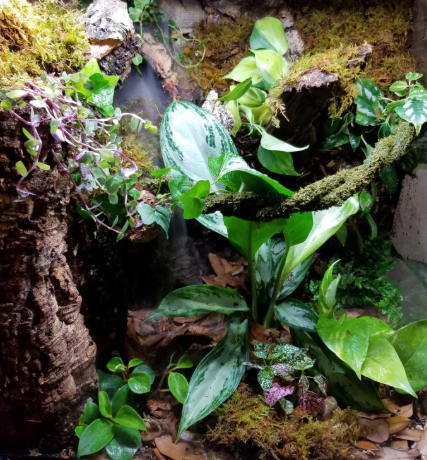
I once helped a friend whose gecko had persistent skin shedding problems. The tank was too dry, with a single heat lamp baking everything. We switched to a taller, planted terrarium with proper misting, and the gecko's skin cleared up in weeks. Other issues include:
It's not just about survival; it's about letting them exhibit natural behaviors like jumping between branches at night.
Forget the old "10-gallon per gecko" rule. Crested geckos are arboreal—they need height, not floor space.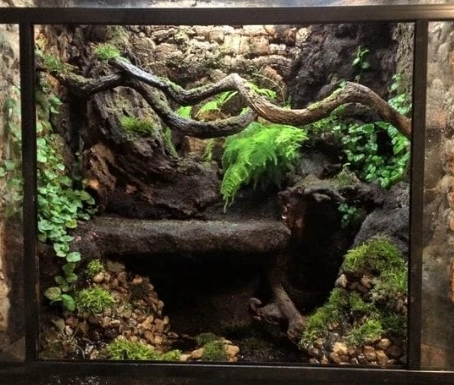
I've used both. Glass terrariums (like those from Exo Terra or Zoo Med) are my go-to for beginners. They hold humidity well and offer great visibility. Screen cages (like those from ReptiBreeze) are lighter and offer superior ventilation, but you'll fight to keep humidity up. Here's a quick comparison:
| Enclosure Type | Best For | Biggest Drawback | My Personal Take |
|---|---|---|---|
| Glass Terrarium | Beginners, humid climates | Can overheat if poorly placed | Start here. The 18"x18"x24" size is a sweet spot. |
| Screen Cage | Experienced keepers, dry climates | Humidity plummets fast | Requires daily attention. Not ideal if you travel often. |
| PVC Enclosure | Bioactive setups, long-term | Higher upfront cost | Worth the investment if you're serious about a naturalistic vivarium. |
Size is non-negotiable. For one adult crested gecko, the minimum is a 20-gallon tall (24" high), but I urge you to go bigger. A 18"x18"x24" (about 30 gallons) gives room for proper thermal gradients and enrichment. For two geckos, jump to a 24"x18"x36" or larger. Crowding leads to aggression, even among females.
Pro Tip: Don't buy an enclosure based on your gecko's current size. Juveniles grow fast. Invest in the adult-size tank from day one and use plenty of decor to make it feel secure for a small gecko.
Let's build it from the ground up. Assume you have an empty 18"x18"x24" glass terrarium.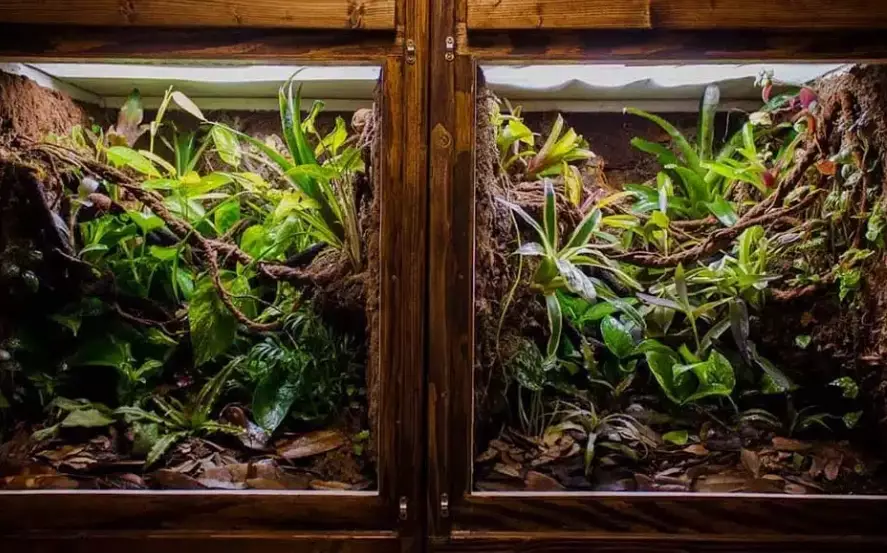
Substrate is your foundation. Paper towels are safe for quarantine or sick geckos—easy to clean, zero risk of impaction. But they look awful and offer no humidity benefit. For long-term setups, I prefer a mix of coconut fiber and orchid bark. It holds moisture well and looks natural.
Bioactive substrates are trending, and for good reason. They involve a drainage layer (clay balls), a substrate barrier (mesh), then a soil mix with springtails and isopods. These "clean-up crews" break down waste. It's more work initially but reduces cleaning later. I made the switch three years ago and now only do full cleanings every 6-8 months.
Crested geckos don't need basking spots like bearded dragons. They thrive at room temperature—72-78°F (22-25°C) during the day, with a drop to 65-72°F (18-22°C) at night. If your home stays below 65°F, use a low-wattage ceramic heat emitter or an under-tank heater on one side. Never use heat rocks—they cause burns.
Lighting is for you and the plants, not the gecko. They're nocturnal. But a low-output UVB light (like a 5% UVB bulb) can benefit their calcium metabolism, according to research from the Association of Reptile and Amphibian Veterinarians. I use a simple LED plant light for 10-12 hours a day to keep my pothos and bromeliads alive. It also establishes a day/night cycle.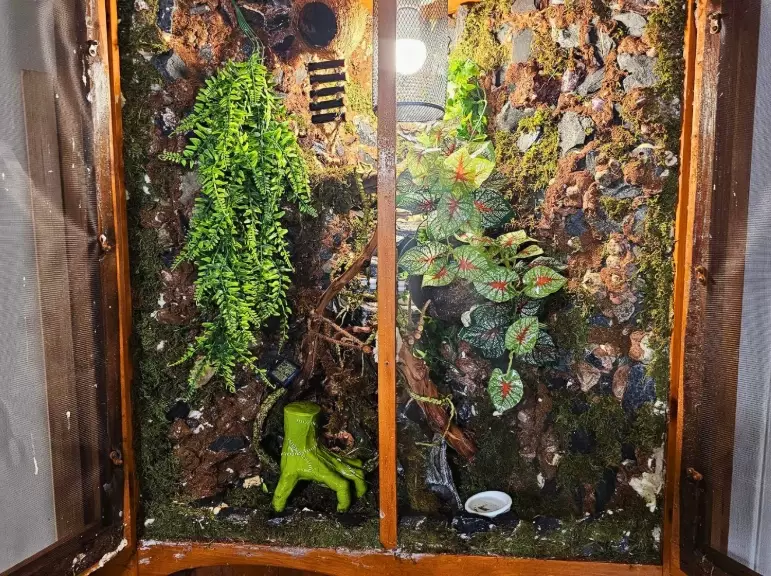
This is where personality comes in. Your gecko needs vertical climbing space. Use:
I once used too many smooth, vertical surfaces. My gecko struggled to climb and seemed frustrated. Adding more textured branches and vines made a visible difference in its activity level.
Maintenance isn't glamorous, but skipping it leads to big problems.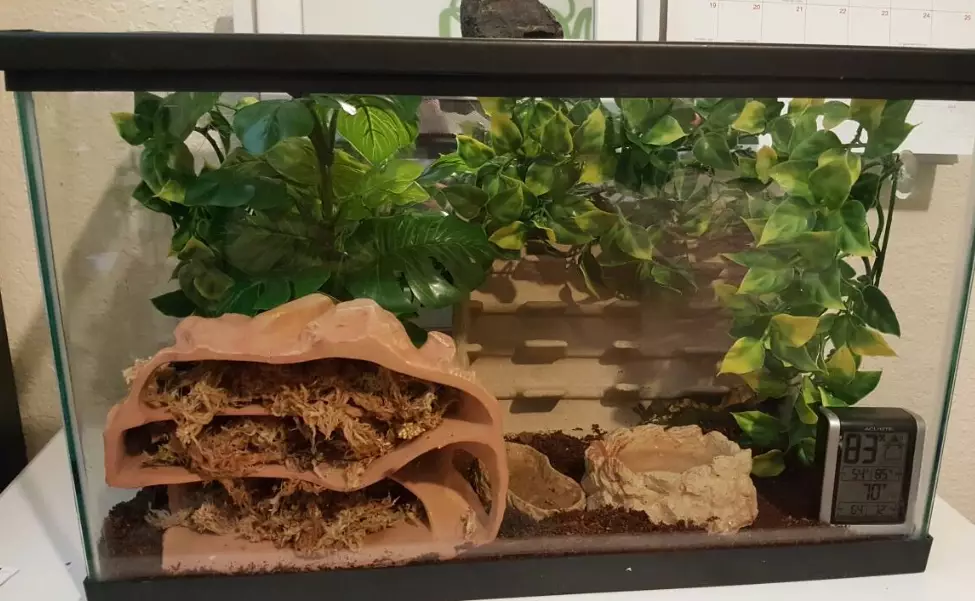
Here's my routine, developed after trial and error:
Humidity management is daily. Mist heavily in the evening to spike humidity to 80-90%, letting it drop to 60% by morning. Use a digital hygrometer—the analog ones are often inaccurate. I learned this after my hygrometer read 70% while my gecko was shedding poorly; a digital one revealed it was actually 45%.
We all make mistakes. Here are the big ones I see constantly:
Overheating the enclosure. Placing the tank near a window or using a high-wattage heat lamp can push temperatures above 80°F, causing stress and dehydration. Use a thermometer on the cool side and adjust heating accordingly.
Skimping on height. A 10-gallon long tank is a death sentence for an arboreal animal. They need to climb. If you can't afford a tall tank, consider a different pet.
Using adhesive decorations. Those sticky vines or backgrounds can come loose and trap your gecko. I've seen injuries from this. Use suction cups or silicone to secure items instead.
Ignoring ventilation. Yes, they need humidity, but stagnant air breeds mold and bacteria. Ensure there's cross-ventilation—usually via front vents and a screened top.
My worst mistake? Using calcium sand as substrate years ago, thinking it was safe. It clumped in my gecko's digestive tract, leading to a vet visit. Stick to recommended substrates.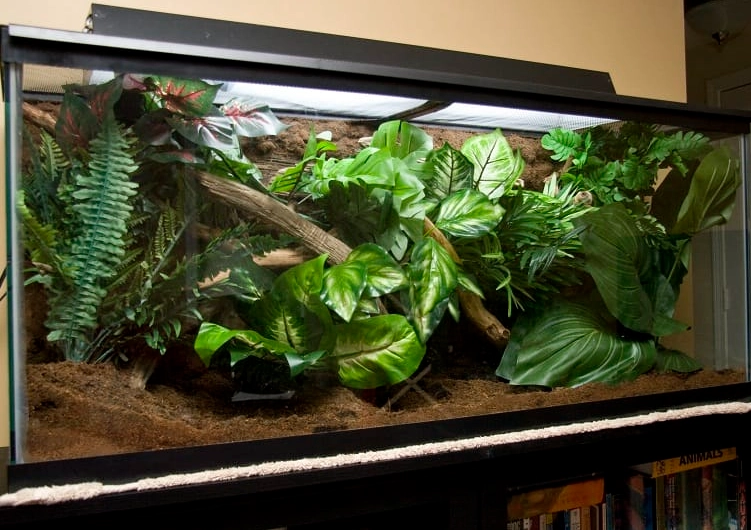
Setting up a crested gecko enclosure is a blend of science and art. Get the basics right—size, humidity, climbing space—and then personalize it. Watch your gecko's behavior; if it's active at night, exploring its branches, and shedding cleanly, you're on track. If not, tweak things. It's a living system, not a static display. Start with a proper tank, avoid the common pitfalls, and you'll have a thriving pet for decades.