
Travel Tips
Lorem ipsum dolor sit amet, consectetur adipiscing elit.
Yes, African fat-tailed geckos are generally friendly and docile—they're often called one of the best beginner reptiles for a reason. But let's cut to the chase: "friendly" means something different for a gecko than for a dog. These little guys are calm, rarely aggressive, and can tolerate handling if done right. I've kept them for over a decade, and I've seen how a slow approach makes all the difference. If you're thinking about getting one, or just curious, this guide dives deep into their temperament, busts some myths, and gives you practical tips straight from experience.
African fat-tailed geckos (Hemitheconyx caudicinctus) come from West Africa, where they're nocturnal and spend time hiding under rocks or in burrows. That natural instinct shapes their personality—they're not social animals like mammals, but they're not skittish either. Think of them as the introverts of the reptile world: calm, observant, and content with routine.
Most owners describe them as "chill." I remember my first fat-tailed, named Gizmo; he'd just sit in my hand without fuss, unlike some leopard geckos that can be more active. But here's a nuance many guides miss: their friendliness often depends on individual variation. Some might be more curious, others more reserved. According to reptile behavior studies, like those referenced by the Association of Reptile and Amphibian Veterinarians, consistent environment reduces stress, which in turn makes them seem friendlier.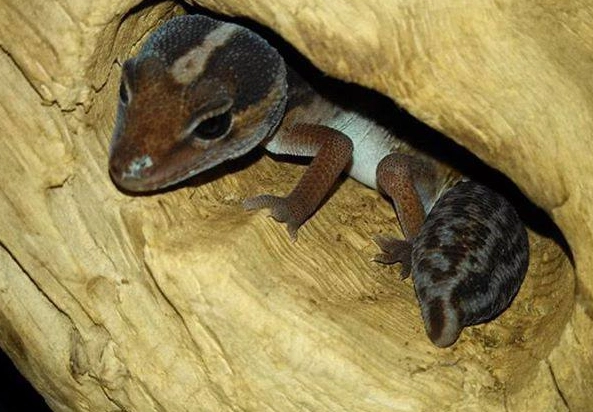
How do they stack up against popular geckos? Let's break it down in a quick comparison—this isn't just textbook stuff, it's from handling dozens over the years.
| Gecko Species | Typical Temperament | Handling Ease | Notes from Experience |
|---|---|---|---|
| African Fat-Tailed Gecko | Docile, calm, less active | High—great for beginners | Less likely to jump or run; tolerates gentle handling well |
| Leopard Gecko | Friendly but more active | High—but may be squirmy | More exploratory; can stress if overhandled |
| Crested Gecko | Skittish, jumpy | Medium—requires patience | Prone to dropping tails; not ideal for frequent handling |
See that? Fat-taileds are on the mellower end. But don't mistake calmness for affection—they don't bond like dogs. Their "friendliness" is more about lack of aggression. A stressed gecko might hide or drop its tail (a defense mechanism), but that's rare with proper care.
Key Takeaway: African fat-tailed geckos are inherently docile due to their nocturnal, ground-dwelling nature. They won't seek out cuddles, but they won't bite unless severely threatened. It's a low-maintenance kind of friendly.
This is where many new owners go wrong. They hear "friendly" and start handling daily, only to find the gecko hiding more. Trust isn't built overnight; it's a slow dance. I learned this the hard way with Gizmo—I rushed things, and he became avoidant for weeks.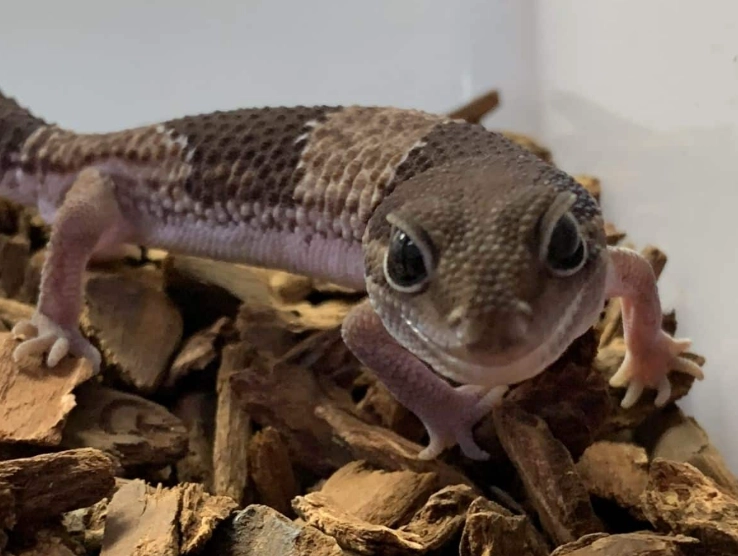
Forget the generic "handle gently" advice. Here's a concrete plan that works, based on reptile enrichment principles from sources like Reptiles Magazine.
Week 1: Don't handle at all. Let the gecko settle in its enclosure. Just sit nearby for 10 minutes a day so they get used to your presence. Sounds boring, but it sets the foundation.
Week 2: Place your hand flat inside the tank for 5 minutes, not touching them. Do this every other day. They might sniff or ignore you—both are fine.
Week 3: Gently scoop from below, supporting their body fully. Keep sessions under 5 minutes. If they seem tense (like freezing or trying to flee), back off and try later.
Ongoing: Handle 2-3 times a week max. Longer sessions can stress them out. I've seen owners push for daily interaction, and it often leads to weight loss or hiding—a classic mistake.
Grabbing from above: It mimics predators. Always scoop from below.
Handling during the day: They're nocturnal, so evening is better.
Ignoring body language: If their tail is twitching or they're breathing fast, give them space.
Overusing food as a bribe: It can cause obesity. Use treats sparingly.
From my experience, the biggest error is assuming more handling equals more friendliness. It's the opposite—consistency with breaks builds confidence. I once had a gecko that only warmed up after I reduced handling to twice a week.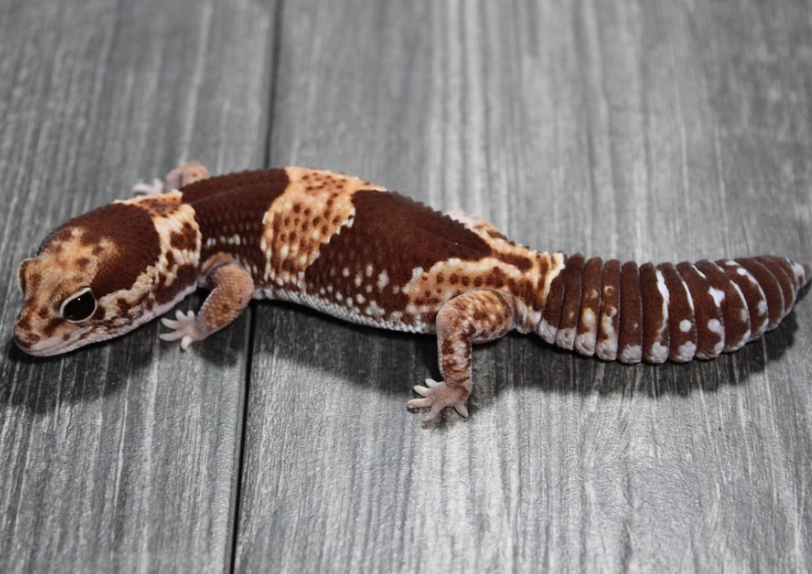
Let's tackle some misconceptions floating around online. These aren't just nitpicks; they affect how people care for their pets.
Nope. They tolerate it. In the wild, handling means danger. While captive-bred geckos adapt, they don't enjoy it like a cat might. A study on reptile stress indicators shows that even docile species exhibit elevated heart rates during prolonged handling. So, keep it short and sweet.
Not in a sentimental way. They might associate your scent or voice with food or safety, but it's not recognition as we think. I've noticed my geckos become calmer with my hands versus strangers', but that's likely due to routine, not bonding.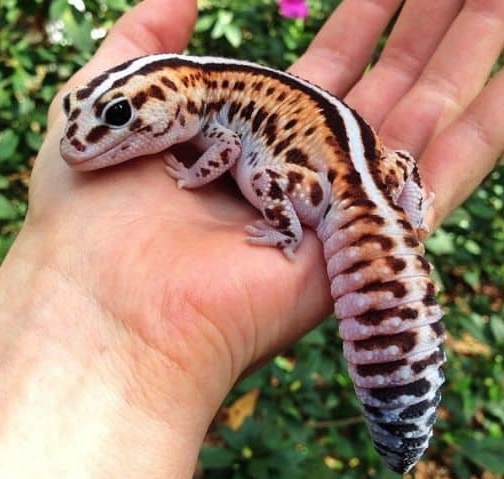
Another myth: they're always friendly to everyone. Actually, they can be shy around new people. Introduce guests slowly, and never force interaction.
Friendliness stems from comfort. If your gecko is stressed, no amount of handling will make them seem friendly. Here's how to set up for success.
A 20-gallon tank minimum, with a secure lid. Include multiple hiding spots—cork bark, half-logs, or commercial hides. Temperature gradient is crucial: 75-80°F on the cool side, 85-90°F under a heat lamp. Use a thermostat to avoid spikes. I've seen geckos in barren tanks become reclusive; adding clutter like fake plants makes a world of difference.
Humidity matters too: 50-60%. Too dry, and they shed poorly, which can make them irritable. Mist lightly daily.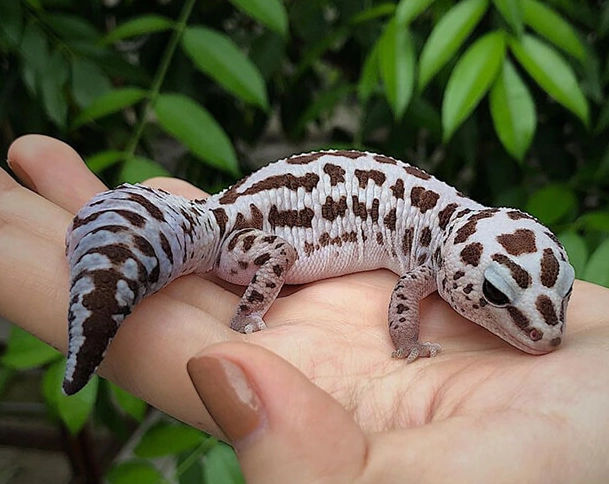
Feed gut-loaded insects like crickets or mealworms 2-3 times a week. Dust with calcium powder. A well-fed gecko is more relaxed. For interaction, combine handling with enclosure maintenance—let them watch you clean, so they see you as non-threatening.
Consider reptile enrichment: rotate hides, add new textures (like smooth stones), or use a feeding puzzle occasionally. It keeps their mind engaged, reducing boredom-related stress.
One trick I've used: place a worn t-shirt near the tank for a few days. It lets them acclimate to your scent without direct contact. Sounds silly, but it works.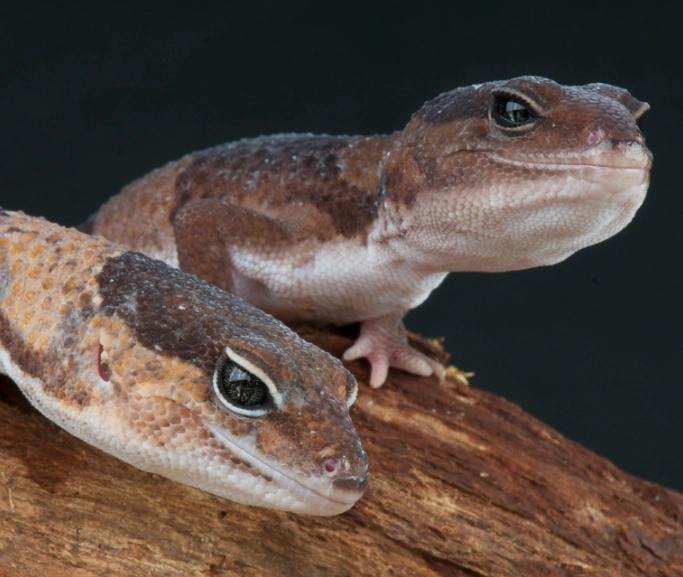
Wrapping up, African fat-tailed geckos are friendly in a low-key, reptilian way. They're not cuddly, but they're dependable companions for those willing to respect their pace. Focus on creating a stress-free environment, and you'll see their docile nature shine. If you're still on the fence, visit a local reptile expo or talk to breeders—seeing them in person often seals the deal.