
Travel Tips
Lorem ipsum dolor sit amet, consectetur adipiscing elit.
So you're thinking about an African fat-tailed gecko. Good choice. They're like the calmer, slightly more mysterious cousin of the leopard gecko. With those chunky tails and puppy-dog eyes, it's easy to see the appeal. But here's the thing most care sheets gloss over: getting the temperature and humidity just right isn't a suggestion, it's the entire game. Mess that up, and you'll have a gecko that hides all day, refuses food, and becomes a vet bill waiting to happen. I learned this the hard way years ago with my first one, "Biscuit," who went on a hunger strike for three weeks because my heat mat was off by a few degrees.
This guide is for the person who wants to skip those early mistakes. We're not just covering the basics; we're digging into the nuances that separate a surviving gecko from a truly thriving one.
African fat-tailed geckos (Hemitheconyx caudicinctus) come from West Africa, from dry savannas to more humid forest edges. That range is your first clue—they're not extreme desert dwellers. They're crepuscular, meaning most active at dawn and dusk. That tail? It's a fat storage unit. A plump tail means a healthy, well-fed gecko. A skinny tail is a red flag.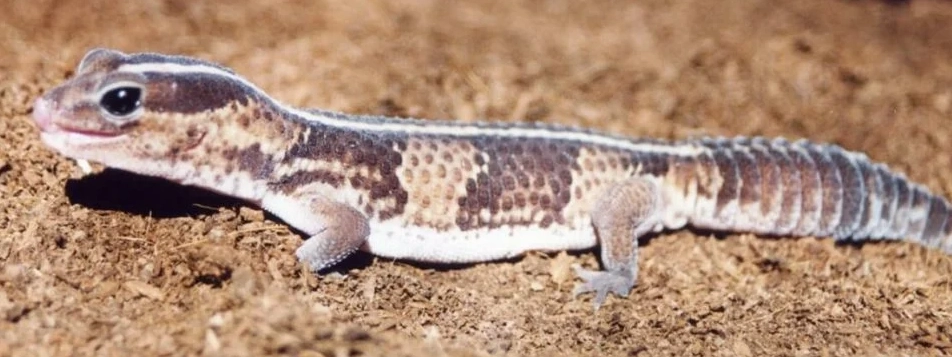
They're known for being exceptionally docile. I've found them to be less skittish than leopard geckos on average. But "docile" doesn't mean "low maintenance." Their calm nature makes them sensitive to stress. Loud noises, excessive handling before they're settled, or a habitat that's even slightly off can make them retreat.
A 20-gallon long tank is the minimum for one adult. Bigger is always better. Front-opening enclosures, like those from Exo Terra or Zoo Med, are fantastic for reducing stress during maintenance—no looming hand from above.
The substrate debate is endless. For beginners, I strongly recommend paper towel, slate tile, or a reptile-safe non-adhesive liner. It's boring, but it's safe, hygienic, and eliminates any risk of impaction. Once you're confident in your husbandry (after 6-12 months), a deep layer of a soil/sand mix (like 70% topsoil, 30% play sand) can be enriching, allowing for natural digging behaviors. Avoid calci-sand or pure sand—it's a compaction risk.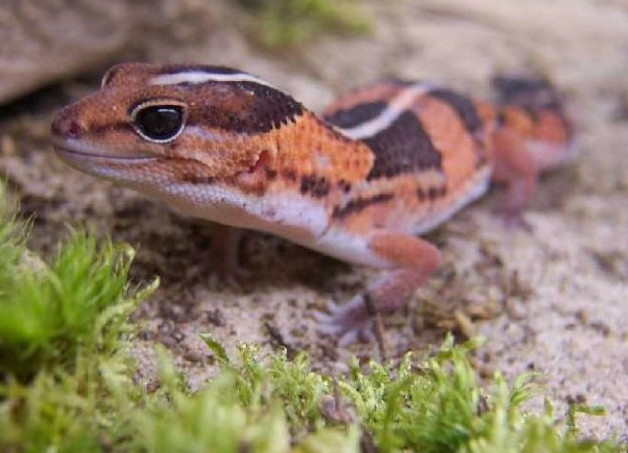
Think in terms of zones. You need:
Add some cork flats, branches, and fake plants for clutter. Clutter makes them feel secure. A shallow water dish completes the setup. Change the water daily.
This is where I see most first-timers stumble.
Heating: Forget bright heat lamps for basking. African fat-tails are belly-heaters. An under-tank heater (UTH) attached to a thermostat is non-negotiable. The thermostat probe should be sandwiched between the UTH and the bottom of the tank or placed on the substrate directly above it. Set the thermostat to create a warm spot of 88-92°F (31-33°C) on the surface. The cool side should be 75-78°F (24-26°C). At night, temps can drop to 70-75°F (21-24°C).
Why the obsession with a thermostat? Without one, a UTH can easily overheat to 110°F+, causing severe burns. It's the most important piece of equipment you'll buy.
Lighting: They don't require UVB if they're properly supplemented with D3, but low-level UVB lighting (like a ShadeDweller or a 5.0 T5 bulb on a 12-hour cycle) is increasingly considered beneficial for long-term health, aiding calcium metabolism and activity cycles. No bright lights are needed.
Humidity: Ambient humidity should be 40-50%. That humid hide needs to be 70-80%. Monitor with a digital hygrometer. If your room is dry, you might need to lightly mist the enclosure (not the gecko) in the evening. Too low humidity leads to horrific, stuck shed, especially around the toes and eyes.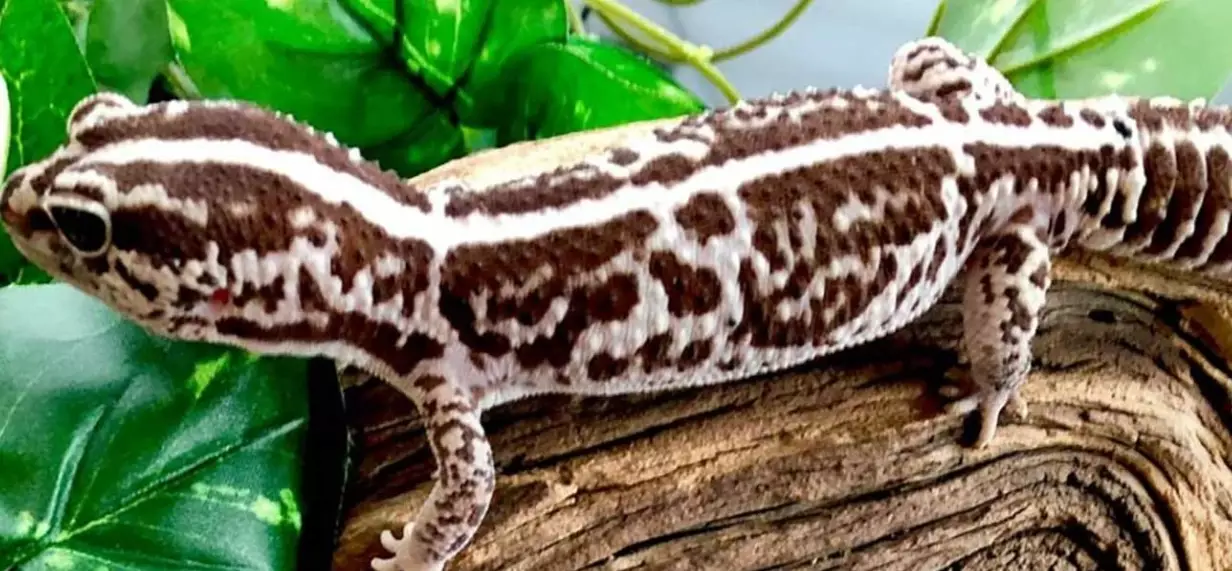
They are insectivores. Variety is key to good nutrition.
Feed juveniles daily, adults every 2-3 days. Offer as many appropriately sized insects (no wider than the space between the gecko's eyes) as they will eat in 10-15 minutes.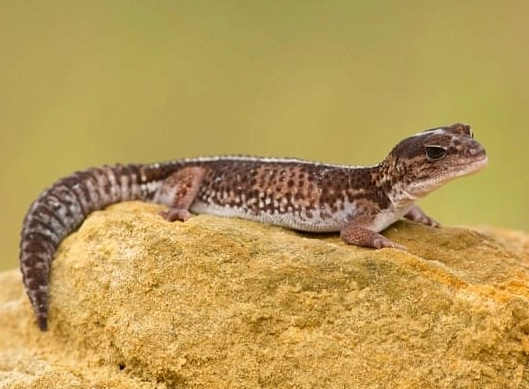
Now, the critical part: gut-loading and dusting.
This regimen prevents Metabolic Bone Disease (MBD), the most common and devastating ailment in pet reptiles.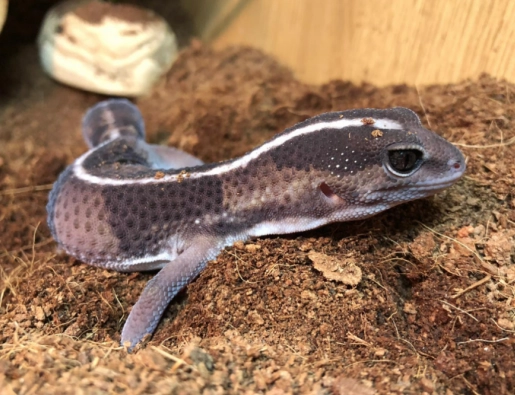
A healthy fat-tail is alert, has clear bright eyes, a plump tail, and sheds in one complete piece. Here's what to watch for:
Refusing Food: Could be stress from a new home, incorrect temperatures (most likely), impending shed, or illness. Don't panic if it's for a week or two in a new gecko. Check your temps first.
Stuck Shed: A sign of low humidity. Ensure the humid hide is properly damp. For stuck shed on toes, a shallow warm bath (85°F water up to their elbows) for 10-15 minutes can help. Gently roll the shed off with a wet q-tip. Never pull.
Lethargy/Weight Loss: Vet visit. Could be parasites, infection, or advanced MBD.
Handling: Go slow. Let them settle in for 1-2 weeks with no handling. Start with short 5-minute sessions, supporting their whole body. Never grab the tail—it can drop (though they are less prone to tail-drop than other geckos).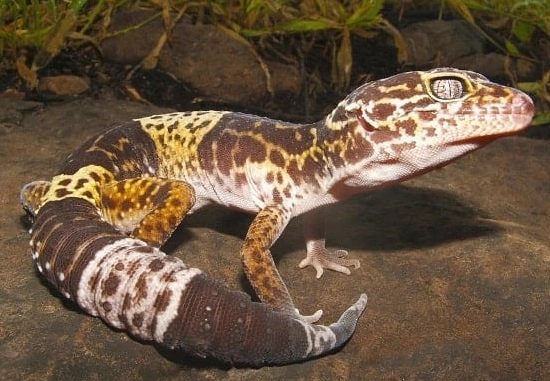
Ultimately, caring for an African fat-tailed gecko is deeply rewarding. They are individuals with their own quirks. Pay attention to the details—the right heat, the right moisture, the right food—and you'll have a fascinating, long-lived companion. Start with the fundamentals solid, and the rest falls into place.