
Travel Tips
Lorem ipsum dolor sit amet, consectetur adipiscing elit.
You know that sound on a damp California evening? That rhythmic "ribbit" or "krek-ek" echoing from a backyard pond or a roadside ditch? Chances are, you're hearing the Pacific chorus frog, more commonly known as the California tree frog. I've spent countless evenings trying to spot these little ventriloquists, their calls seeming to come from everywhere and nowhere at once. It's a sound that defines the wet seasons out here.
But there's so much more to these amphibians than just their signature call. Maybe you've found one clinging to your window screen after a rain, its tiny suction-cup toes holding on for dear life. Or perhaps you're thinking about keeping one as a pet and want to get it right. Let's get one thing straight upfront: these aren't the easiest frogs to keep happy in captivity. They're wild things at heart, sensitive to their environment in ways that can trip up a beginner. But understanding them? That's a journey worth taking, whether you're a curious backyard naturalist or an aspiring herpetologist.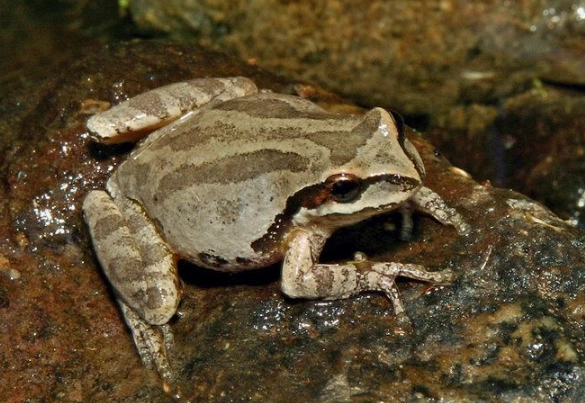
First, let's clear up the naming confusion, because it's a mess. For decades, everyone called it Hyla regilla. Then, the science folks took a closer look at its DNA and its little frog voice box (called a karyotype and vocal structure, if you want to get technical) and decided it fit better with the chorus frogs, the Pseudacris genus. So now, officially, it's the Pacific chorus frog (Pseudacris regilla). But try telling that to anyone who's lived in California for more than five minutes. They'll just look at you and say, "You mean the California tree frog?" Both names refer to the same small, charismatic amphibian.
So, what does it look like? Imagine a frog that could win a camouflage contest. They're small, usually between 3/4 inch to 2 inches from snout to rear end. Their color is a masterclass in adaptation. I've seen them in shocking lime green right after they emerge from a pond, and I've found the same individual a few hours later turned a dull, earthy brown. They can shift between these colors based on temperature, humidity, and even their mood. Most have a distinctive dark eye stripe that runs from the nose, through the eye, and back to the shoulder, like a little bandit's mask. Their skin can be smooth or have small bumps, and their bellies are usually a creamy, off-white color.
The real giveaway is the toe. Look at the end of each digit. You'll see a little round, sticky pad. That's the tree frog's superpower. It's not actual glue, but a combination of surface tension and specialized mucus that lets them climb vertical surfaces—glass, siding, smooth bark, you name it. It's pretty incredible to watch.
You might see other green frogs in the West. Here’s a quick breakdown so you don’t get fooled.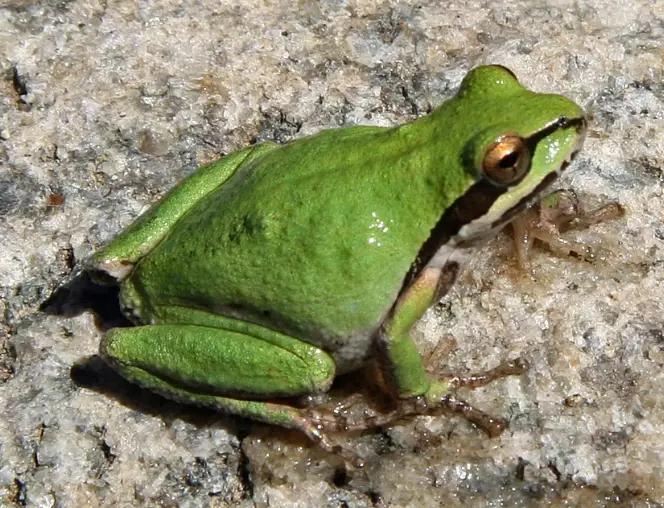
| Species | Key Identifying Feature | Size | Range Overlap with CA Tree Frog | Call Sound |
|---|---|---|---|---|
| California Tree Frog (Pacific Chorus Frog) | Dark eye stripe, toe pads, color-changing skin. | 0.75" - 2" | Widespread in California, Pacific Northwest. | Loud "ribbit" or "krek-ek" in series. |
| American Green Tree Frog | Solid bright green, white or pale stripe along the jawline. | 1.5" - 2.5" | None. This is an East Coast/Southern species. | Nasal "quonk-quonk-quonk." |
| Sierran Tree Frog (Pseudacris sierra) | Extremely similar! Often distinguished by genetics and call. Slightly more limited range in Sierra Nevada. | Similar | High Sierra regions. Was once considered the same species! | Similar, but rate/tone can differ to an expert ear. |
| Baja California Tree Frog | Larger, more uniform green, less defined eye stripe. | Up to 3" | Only in southernmost CA (San Diego area) and Baja. | Deeper, slower call. |
See? The California tree frog has its own look. That eye stripe is the most reliable field mark for most of us. The call is the dead giveaway, though. Once you've heard that classic two-part "kreck-ek" or the drawn-out "ribbit," you'll never mistake it for another frog in its range.
This is where the "tree frog" name can be misleading. They are habitat generalists, which is a fancy way of saying they'll live just about anywhere damp. Yes, they can climb shrubs and trees. But I've just as often found them under a rotting log in a meadow, hiding in the cracked mud of a drying puddle, or nestled in the dense foliage of a blackberry thicket near a stream.
Their absolute requirement is water for breeding. They need still or slow-moving freshwater: ponds, marshes, slow streams, ditches, cattle tanks, even large, water-filled tire ruts. After a good rain, any depression that holds water can become a temporary nursery. They're not picky about altitude either, found from sea level all the way up to over 11,000 feet in the Sierra Nevada.
Outside of the breeding season, they disperse. This is when you might find one in your garage, on your porch light catching insects, or far from any obvious water source. They survive by staying in cool, moist microhabitats—under leaf litter, in rodent burrows, or under rocks. Their ability to change color helps them blend into these different backgrounds perfectly.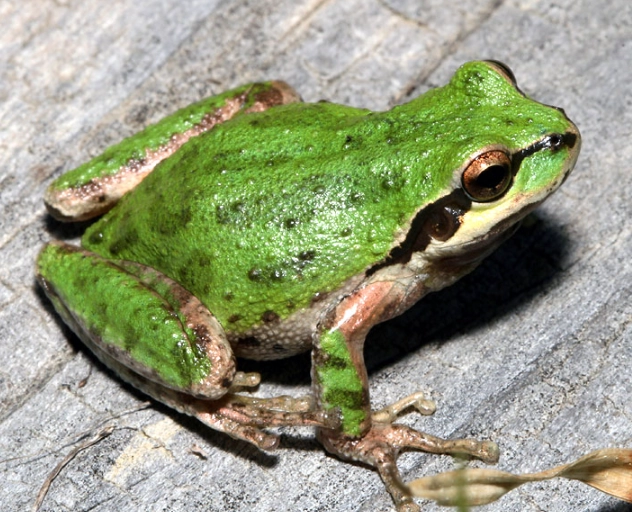
Their life cycle is tied directly to rain and temperature. In most of California, the action starts with the first winter or spring rains. The males move to the breeding sites first and start calling. That chorus is an advertisement to females and a warning to other males. After mating, the female lays small clusters of eggs (maybe 10-50 at a time) attached to vegetation or debris underwater. A single female can lay hundreds of eggs over a season.
The eggs hatch into tadpoles in about one to three weeks, depending on water temperature. These tadpoles are little algae-munching machines. Here's the tricky part: they need the water to last long enough for them to metamorphose. In a permanent pond, they might take all summer. In a temporary rain puddle, they race against evaporation, sometimes transforming in as little as six weeks. It's a risky strategy, but it allows them to use habitats that fish (which would eat them) can't.
Once they sprout legs and absorb their tails, the tiny froglets emerge. They're maybe the size of your pinky nail. This is the most vulnerable time. They disperse into the vegetation, hunting tiny insects and avoiding predators. If they make it, they can live 5-8 years in the wild, which is pretty long for a small frog.
Okay, let's talk captivity. I need to be honest here. While they are common in the wild, Pacific tree frogs are not the most forgiving pet amphibians. They are small, fast, and stress easily. They also have specific, though not impossible, needs. Captive-bred individuals are almost non-existent in the pet trade, so most available are wild-caught, which comes with its own set of challenges (parasites, stress from capture). I'd generally recommend other frog species for a true beginner, like White's tree frogs or American green tree frogs, which are more readily captive-bred and often hardier.
But if you're determined, or if you're rehabilitating one that can't be released, here's what you need to know to give it a fighting chance.
Forget the tiny, bare terrarium. A California tree frog needs space and complexity.
Their diet is live insects. Period. No exceptions. Crickets are the staple, but they should be "gut-loaded" (fed nutritious food like carrots, oats, commercial gut-load) before being offered to your frog. Dust the crickets with a high-quality calcium + D3 supplement powder at least twice a week, and with a multivitamin powder once a week.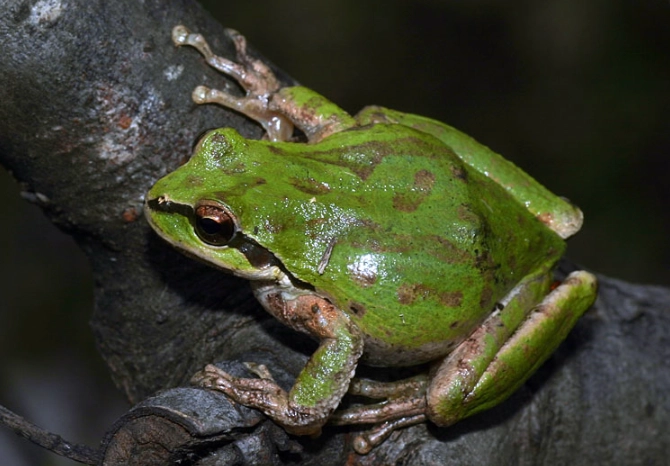
Variety is key for nutrition. Offer other prey when you can:
Feed adults 2-3 appropriately-sized insects every other day. Don't leave uneaten crickets roaming the tank, as they can nibble on your frog.
This is advanced-level herpetoculture. Successfully breeding Pseudacris regilla requires simulating seasonal changes. It's not something you'll accidentally do in a basic tank.
The typical method involves a "cooling down" period. You gradually lower the tank temperature and reduce daylight hours over several weeks to simulate winter (aim for 50-55°F if possible, but this requires a dedicated fridge or cool room—do not attempt without serious research). After 6-8 weeks, you slowly warm the tank back up, increase light and humidity, and introduce a larger, deeper water area. The males should start calling, and if you have a receptive female, amplexus (the mating embrace) and egg-laying may follow.
You then need to raise the tadpoles in a separate, filtered aquarium, feeding them spirulina powder, boiled lettuce, and commercial tadpole food. The water quality for tadpoles is even more critical. It's a massive commitment of time and space. Frankly, for most hobbyists, observing their natural breeding cycles in a local pond is far more rewarding and less fraught with potential heartbreak.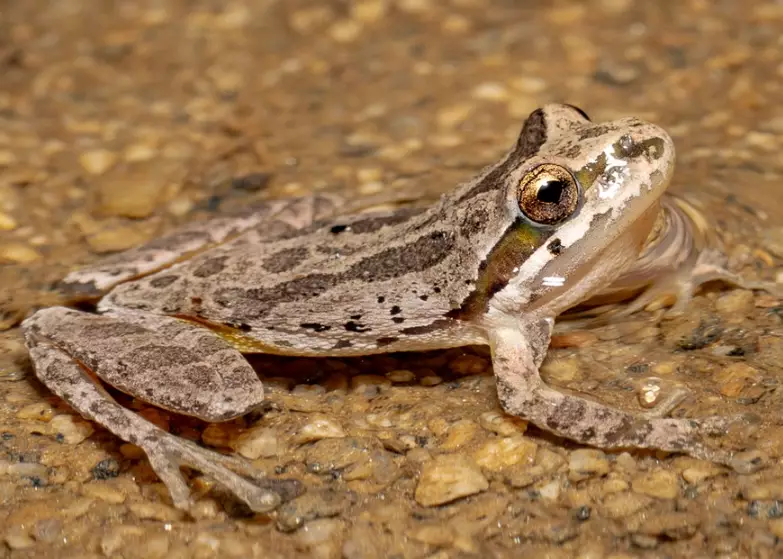
Listening to the spring chorus of California tree frogs isn't just a pleasant experience; it's a health check for your local environment. Because of their permeable skin and two-stage life cycle (water and land), frogs are bioindicators. If they're disappearing, it's a loud warning that something is wrong with the water, air, or soil.
Major threats include:
What can you do? Support wetland conservation efforts. If you have a garden, go organic. Build a wildlife pond. Report large choruses or breeding sites to citizen science projects like iNaturalist, which helps scientists track populations. Educate others about these amazing animals. The work of organizations like the AmphibiaWeb project at UC Berkeley is crucial for understanding and protecting amphibians globally.
So, whether you're out on a hike after a rain, building a pond in your backyard, or carefully maintaining a tank for a single rescued frog, you're now connected to the story of the California tree frog. It's a small animal with a big voice, reminding us of the intricate and delicate connections in the natural world. Pay attention to it. That's the first step towards keeping it around.