
Travel Tips
Lorem ipsum dolor sit amet, consectetur adipiscing elit.
So you're thinking about getting a Chinese Pond Turtle, or maybe you already have one and you're digging for more info. Good move. These little guys, scientifically known as Mauremys reevesii (though everyone just calls them Reeves' turtles or Chinese Pond Turtles), are fascinating creatures. They're not the flashiest turtles in the pet shop, but they've got a quiet charm that really grows on you. I've kept them for years, and I've seen a lot of misinformation floating around. Some care sheets make them sound bulletproof, perfect for a kid's first pet. Others make their care sound like rocket science. The truth, as usual, is somewhere in the middle.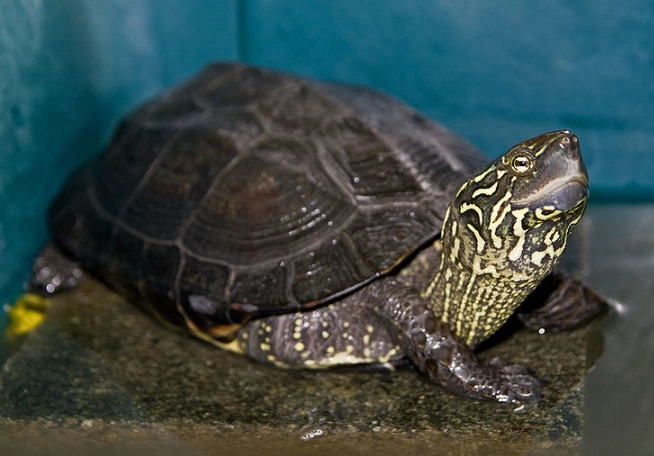
Let's get one thing straight right away. A Chinese Pond Turtle isn't a "set it and forget it" pet. If you want a pet that just sits in a bowl, get a goldfish. These turtles are active, curious, and they have specific needs that, if met, allow them to thrive for decades. I've heard of them living well over 20 years with proper care. That's a serious commitment. This guide is my attempt to cut through the noise and give you the straight facts, the stuff you actually need to know, based on my own experience and reliable sources.
Before we dive into tanks and filters, let's understand who we're inviting into our home. The Chinese Pond Turtle has a personality. They're not just a decoration. In a proper setup, you'll see them basking, swimming, digging in the substrate, and even reacting to your presence. Some become quite personable, while others remain shy. It's a spectrum.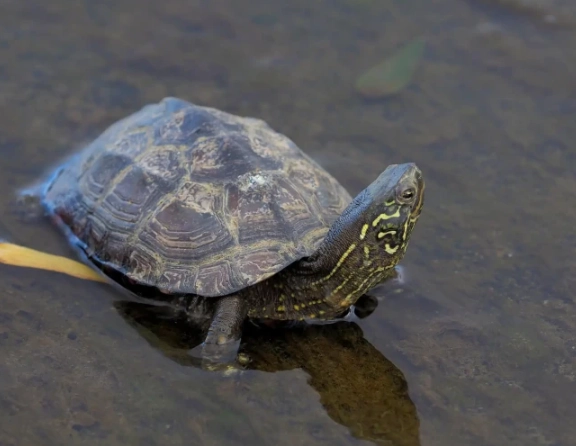
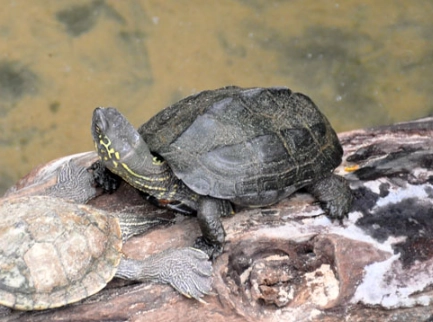
Their shell is usually a dark olive, brown, or black, often with those distinctive three keels, though these can become less pronounced in older adults. Their skin is grayish or olive with yellow or green stripes. One of the things I personally find less appealing is their tendency to be, well, messy. They are prodigious poopers. Anyone who tells you different is selling something. Planning for this mess is half the battle in keeping their water clean.
Size-wise, they're manageable. Males typically top out at around 5-6 inches (13-15 cm) in shell length, while females can get a bit larger, sometimes reaching 7-8 inches (18-20 cm). This makes them suitable for a reasonably sized aquarium, not a massive pond setup (unless you want to).
This is a big one. The Chinese Pond Turtle faces significant threats in its native habitat due to habitat loss, pollution, and historically, the food and traditional medicine trades. The International Union for Conservation of Nature (IUCN) lists it as Endangered. This status has real implications for the pet trade.
My strong recommendation? Only ever acquire a captive-bred Chinese Pond Turtle. The days of taking animals from wild populations for the pet trade should be long behind us. Captive-bred turtles are healthier, better adjusted to captivity, and their purchase does not impact wild populations. Reputable breeders are your best source. Ask for proof of origin. A good breeder will be proud to tell you about their breeding projects. Supporting them helps ensure a sustainable, ethical future for these turtles in captivity. Organizations like the California Turtle & Tortoise Club have excellent resources on ethical acquisition and care, even if their focus is broader.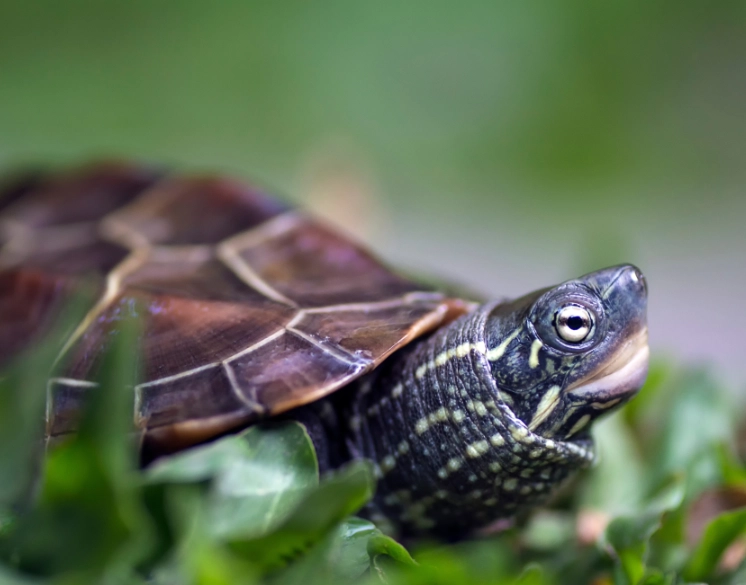
This is where most people go wrong, and where your turtle's health is truly decided. Think of the habitat as a life support system. A poor setup leads to stress, illness, and a shortened lifespan. A good one leads to a vibrant, active pet.
The core concept is semi-aquatic. They need both water to swim in and dry land to bask on. The ratio is important. A good starting point is 70% water area to 30% dry land. For a single adult Chinese Pond Turtle, the absolute minimum aquarium size is a 40-gallon breeder tank (that's the one that's wider than it is tall). But honestly, minimums are for surviving, not thriving. I'd urge you to start with a 75-gallon if you have the space. More water volume means more stable water parameters and a happier turtle.
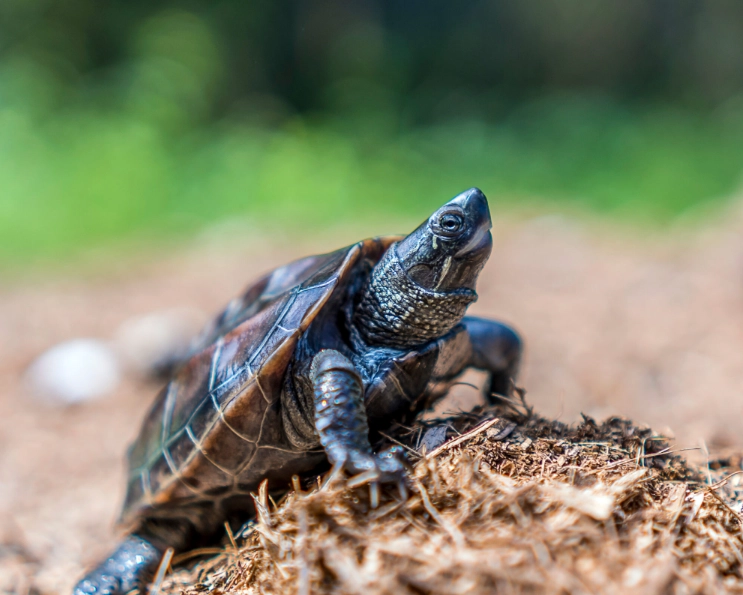
The water needs to be deep enough for the turtle to swim and turn around comfortably. A depth of 1.5 to 2 times the turtle's shell length is a good rule. So for a 6-inch turtle, 9-12 inches of water is perfect.
Now, the elephant in the room: filtration. You need a filter rated for at least twice the volume of your water. If you have 40 gallons of water, get a filter rated for 80+ gallons. Turtles are filthy. Canister filters are the gold standard here because they offer superior mechanical, chemical, and biological filtration. I've tried internal filters and powerful hang-on-back filters, and nothing keeps the water as crystal clear as a good canister filter. It's an investment, but it saves you hours of water changes and vet bills down the line.
Water temperature should be maintained between 75-80°F (24-27°C). An adjustable aquarium heater inside a protective guard (so the turtle doesn't break it) is essential. You'll also need to dechlorinate tap water with a reptile-safe water conditioner.
This is their sunbathing spot. The basking area must be 100% dry, easily accessible, and large enough for the turtle to climb completely out of the water and stretch out. You can use commercial turtle docks, stack smooth slate rocks, or build a platform.
Above this area, you need two lights:
Lights should be on a 12-hour on, 12-hour off cycle to mimic a natural day.
Another area rife with poor advice. The key word is variety. A Chinese Pond Turtle is an omnivore with a strong leaning towards carnivory when young, becoming more omnivorous as they age.
Here’s a breakdown of a healthy diet, presented in a way that's easier to digest than a care sheet paragraph.
| Food Type | Examples | Frequency & Notes |
|---|---|---|
| Staple Protein | Commercial turtle pellets (high-quality brands like Mazuri, Zoo Med), earthworms, crickets, silkworms, feeder fish (like guppies, not goldfish). | Offer 2-3 times a week for adults, 4-5 times for juveniles. Pellets should be a base, not the only food. |
| Leafy Greens & Vegetables | Collard greens, dandelion greens, turnip greens, kale, shredded squash, carrots, bell peppers (red/yellow). | Should be offered daily, especially for adults. Chop finely. Avoid spinach & iceberg lettuce (low nutrition). |
| Occasional Treats/Fruits | Berries, melon, apple (no seeds), papaya. | Once a week or less. Fruits are sugary. |
| Essential Supplement | Calcium powder (without vitamin D3 if using proper UVB). | Lightly dust food 1-2 times per week. |
How much to feed? A good rule is an amount of food roughly the size of the turtle's head (excluding the neck). For juveniles, you can feed daily; for adults, every other day is often sufficient to prevent obesity. Always feed in the water—they need it to swallow.
I see a lot of people overfeeding protein, especially with things like shrimp or fatty meats. This can lead to shell pyramiding (raised, pyramid-like scutes) and kidney issues. Balance is everything.
A healthy Chinese Pond Turtle is alert, has clear, bright eyes, a firm shell without soft spots or discharge, and a good appetite. They should swim smoothly without listing to one side.
Let's talk about some common problems you might encounter:
Finding a vet who specializes in reptiles (herp vet) before you have an emergency is one of the smartest things you can do. Regular check-ups aren't usually needed for healthy turtles, but knowing who to call is vital.
This is advanced care and shouldn't be attempted casually. You need a proven male and female, excellent year-round health, and the ability to provide a cooling period (brumation) to simulate winter, which triggers breeding cycles. Females will need a deep, moist laying area even if they aren't with a male, as they can lay infertile eggs. Egg-binding is a serious, life-threatening condition.
My personal view? Leave breeding to dedicated, experienced breeders who are working with strong genetic lines and have plans for the offspring. The world doesn't need more poorly bred, poorly cared-for turtles flooding the market.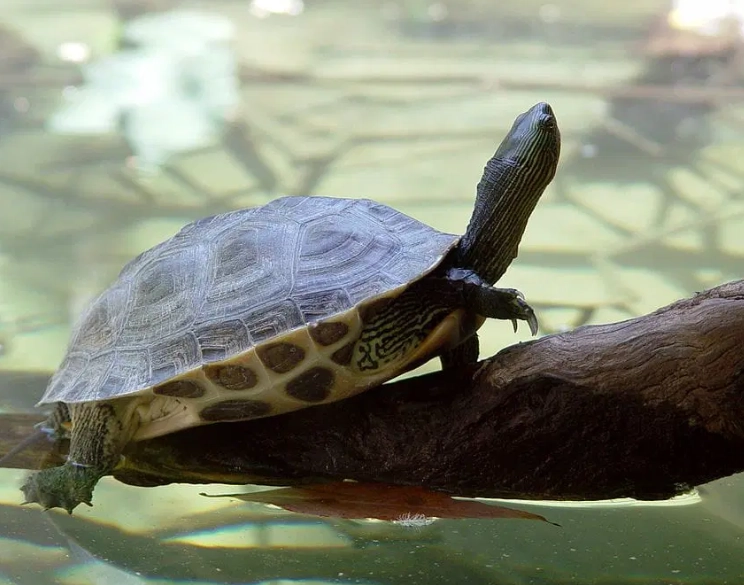
Look, the Chinese Pond Turtle is a wonderful creature. They're hardy, interesting to watch, and can be a lifelong companion. But that last part is key—it's a lifelong commitment. The startup costs for a proper tank, filter, lights, and heater are significant. The ongoing costs of food, electricity, and occasional vet care add up.
Ask yourself: Can you provide a clean, spacious aquatic environment for the next 20+ years? Can you commit to a specific lighting schedule and varied diet? If your answer is a confident yes, then welcoming a captive-bred Chinese Pond Turtle into your home can be incredibly rewarding. You're not just getting a pet; you're becoming a steward for a small piece of the natural world.
If you're still on the fence, do more research. Check out the care sheets from reputable organizations like the Animal Medical Center's exotic pet care guides. Talk to breeders. Maybe even volunteer at a reptile rescue to get some hands-on experience. The worst thing you can do is impulse buy. The best thing you can do is be prepared. A happy, healthy Chinese Pond Turtle is a testament to a keeper who cared enough to get it right.