
Travel Tips
Lorem ipsum dolor sit amet, consectetur adipiscing elit.
Let's be honest, the first time you see a Madagascar day gecko, it feels unreal. That neon green, those big eyes, the way they move – it's like a living jewel. I remember staring at one in a reptile expo years ago, completely frozen. The keeper said they were “easy,” but let me tell you, there's more to it than just a heat lamp and some crickets. Over the years, through conversations with breeders, my own missteps (yes, I've made them), and digging into the science, I've pieced together what it really takes to understand these creatures. This isn't just a care sheet. It's a deep dive into the world of the Madagascar day gecko, covering everything you're actually curious about.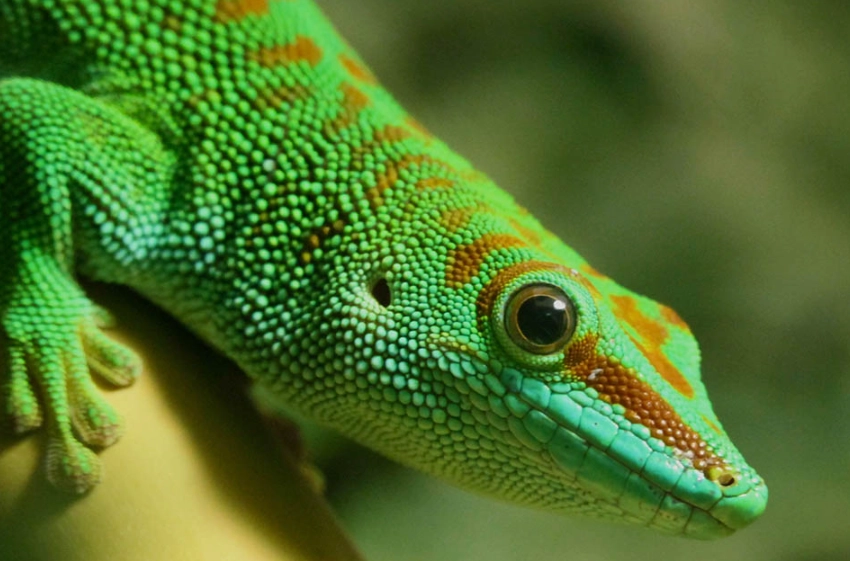
When people say “Day gecko Madagascar,” they're usually talking about a whole group of lizards belonging to the genus Phelsuma. They're not a single species. Think of it like saying “European dog” – you've got a lot of varieties under that umbrella. These geckos are famous for being diurnal (active during the day), which is pretty rare in the gecko world. Most geckos are night owls, but these guys are all about the sunshine. Their vibrant colors aren't just for show; they play a role in communication and temperature regulation.
The classic poster child is the Madagascar giant day gecko (Phelsuma grandis). You've probably seen it in paint commercials or as a sticker on a car window. But that's just the start. From tiny, shy species to larger, bolder ones, the diversity is incredible. They're endemic to Madagascar and some surrounding islands like Mauritius and Reunion, which means you won't find them wild anywhere else on Earth. That fact alone makes them special, and it directly impacts how we should care for them in captivity.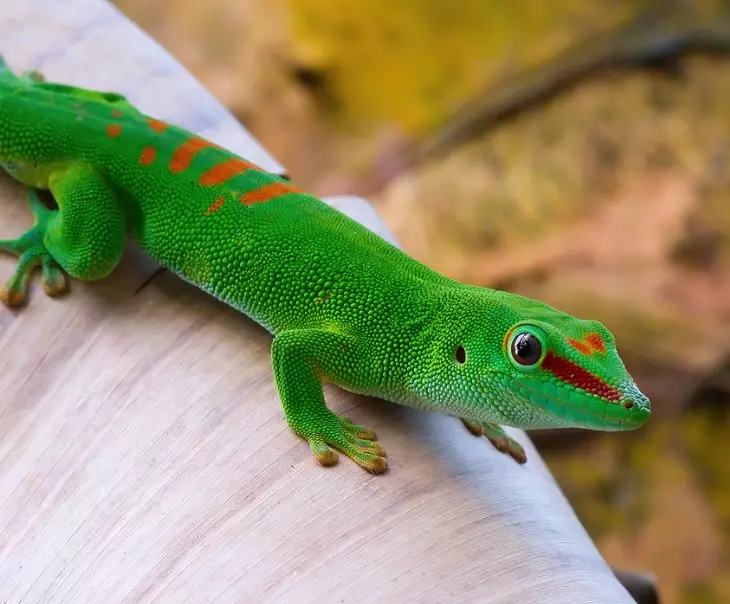
You can't really get the care right if you don't know where they come from. I made this mistake early on. I set up a dry, desert-like tank because I'd kept leopard geckos before. Big error. These are rainforest and coastal forest animals. Imagine the north and east coasts of Madagascar: warm, humid, with frequent rain showers. Dense foliage, bromeliads holding water, plenty of vertical climbing space on trees and bamboo.
The temperature isn't scorching hot all the time. It's more of a consistent warmth with cooler periods at night. The humidity spikes after rain. This environment is why your basic “reptile kit” from a big-box store almost always fails for a true Madagascar day gecko setup. You're trying to replicate a slice of a tropical island, not a rocky outcrop.
Okay, so you're interested. Which one is right for you? They're not all the same in terms of care, temperament, or size. Here’s a breakdown of the most common species you'll encounter, based on availability and what keepers generally experience. I've ranked them loosely by how suitable they are for someone new to the genus, but remember, “beginner” in the day gecko world still requires commitment.
| Species (Common Name) | Average Size | Temperament | Care Level Notes | Key Consideration |
|---|---|---|---|---|
| Phelsuma grandis (Madagascar Giant Day Gecko) | 10-12 inches | Bold, can be skittish, often visible | Moderate. Hardy but needs large space. | Their size means a huge enclosure (at least 18x18x24"), and they can be messy eaters. |
| Phelsuma laticauda (Gold Dust Day Gecko) | 4-5 inches | Active, fast, less handleable | Good for dedicated beginners. | Smaller space needed, but their speed makes them escape artists. Secure lids are non-negotiable. |
| Phelsuma klemmeri (Neon Day Gecko) | 3-4 inches | Generally shy, social in pairs/groups | Intermediate. More specific habitat needs. | They love bamboo stalks. A stunning blue and yellow color, but you might not see them as often. |
| Phelsuma madagascariensis (Madagascar Day Gecko) | 8-10 inches | Variable; some are calm, others nervous | Moderate to Advanced. | Several subspecies exist with slightly different needs. Requires solid research on the specific type. |
| Phelsuma standingi (Standing's Day Gecko) | 9-10 inches | Often described as more “personable” | Intermediate to Advanced. | Beautiful patterning. Can be more tolerant of observation but needs precise humidity gradients. |
See what I mean? Picking a Madagascar day gecko isn't just about the prettiest color. A Phelsuma klemmeri has totally different space and social needs than a solo Phelsuma grandis. I personally find the smaller species like laticauda more fascinating to watch in a well-planted tank, even if they'll never be “pets” you hold. The giants are impressive, but cleaning their large enclosure is a serious chore.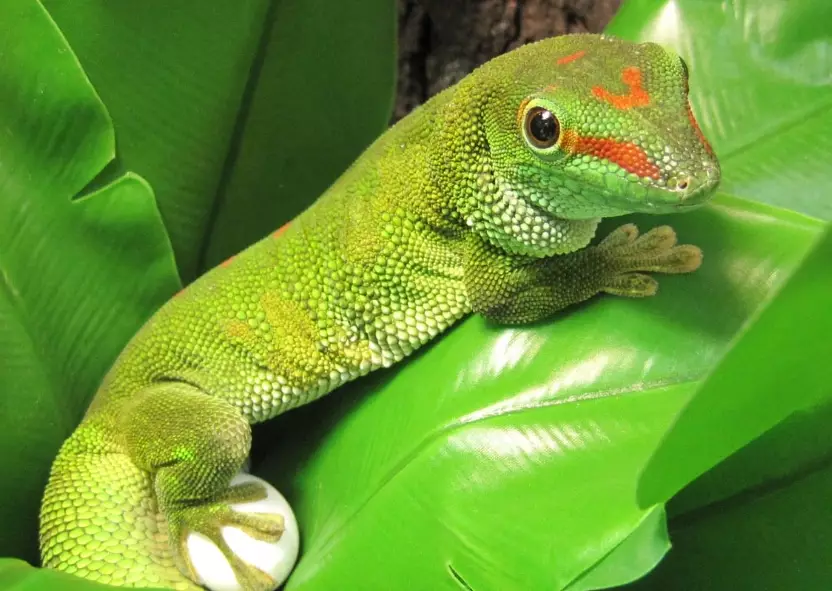
This is where most guides fall short. They give you a list: tank, heat, plants. But the how and why are everything. Your goal is to build a functional, living slice of their ecosystem that's also manageable for you.
For most day gecko Madagascar species, height is king. A standard horizontal reptile tank is useless. You need a vertical terrarium, preferably front-opening so you don't scare them by reaching from above (like a predator would). For a single Phelsuma grandis, the bare minimum is 18"x18"x24", but bigger is genuinely better. For the smaller species like laticauda, a 12"x12"x18" can work for a pair, but again, upgrade if you can. Screen tops are great for ventilation but terrible for holding humidity – you'll often need to cover part of it with glass or acrylic.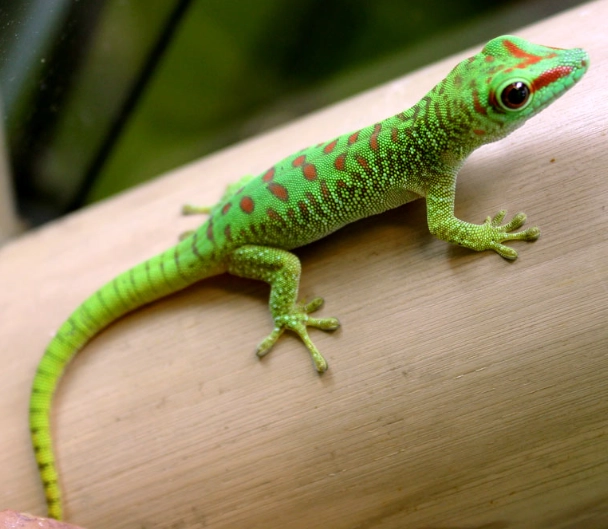
This is a two-part system, and both are critical.
Aim for a humidity range of 60-80%. It should spike higher after misting and dip a bit in between. How do you achieve this?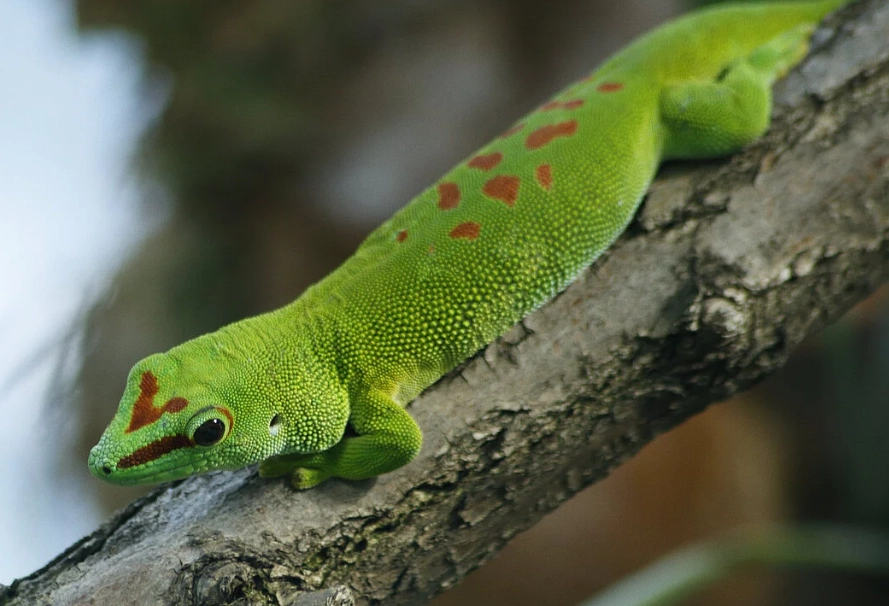
They will drink water droplets from leaves and glass, but also provide a very shallow water dish. Change it daily.
Bare walls and a fake plant are a prison. Think layers.
Background: A cork tile or foam background provides climbing surface and looks natural.
Branches and Vines: Create a network of climbing paths at different levels and orientations.
Live Plants: Non-toxic, sturdy plants. They provide hiding spots, increase humidity, and look amazing. A planted terrarium for a day gecko Madagascar is a joy to maintain.
Hiding Spots: Even though they're diurnal, they need secure places to sleep and retreat. Use cork rounds, dense plant clusters, or commercially available hideouts placed high up.
It's a common mistake.
People focus so much on the gecko they forget the environment is half the hobby. A well-set-up Madagascar day gecko terrarium is a living art piece.
In the wild, their diet is diverse: insects, nectar, pollen, soft fruit. In captivity, we need to replicate that variety.
Gut-loaded (fed nutritious foods) crickets, dubia roaches, and black soldier fly larvae are excellent staples. The insect size should be no wider than the space between the gecko's eyes. Dust insects with a high-quality calcium supplement (without D3 if using proper UVB, with D3 if not) at almost every feeding for growing geckos, and 2-3 times a week for adults. A multivitamin powder should be used once a week.
This is a game-changer for Phelsuma care. Commercial diets like Repashy Crested Gecko Diet or Pangea Fruit Mix are not just for crested geckos. Many day gecko keepers, including experienced breeders, report fantastic results offering these as a supplement or even a staple for some species. They provide balanced vitamins, minerals, and the fruity/nectar component they crave. Offer a small dish of this mixed with water 1-2 times a week. You can also offer small amounts of mashed ripe fruit like mango, papaya, or banana as a treat.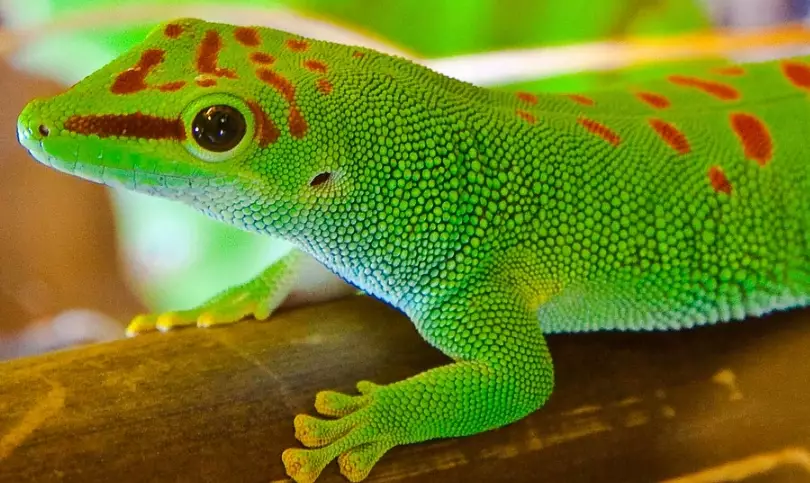
Observe what yours prefers. Some go crazy for the Repashy, others are strictly insect hunters.
A healthy Madagascar day gecko is alert, has bright eyes, a plump tail (their fat store), and a strong grip. Here are red flags:
Finding a vet before you have an emergency is crucial. Locate an exotic animal veterinarian who has experience with reptiles. The Association of Reptilian and Amphibian Veterinarians (ARAV) website has a find-a-vet tool that is an invaluable resource.
Many day gecko Madagascar species breed readily in captivity with the right conditions (a slight cool/dry period followed by warming and increased misting can stimulate breeding). Females will lay clutches of two eggs, often gluing them to a surface inside a bamboo tube or on glass. Incubation is temperature-dependent and can take 45-90 days.
Why is captive breeding important? While many are common in captivity, habitat loss in Madagascar is a severe threat to wild populations. Supporting captive-bred animals from reputable breeders reduces pressure on wild-caught specimens. You can check the conservation status of specific Phelsuma species on the IUCN Red List. Choosing a captive-bred Madagascar day gecko is the more ethical and sustainable choice, and the animals are typically healthier and better acclimated.
Based on forums, emails, and conversations, here are the things people actually want to know.
This is the biggest question. The honest answer? Not really, not in the way you handle a bearded dragon or leopard gecko. They are fast, fragile, and their skin is delicate and can tear if they try to escape your grip. They are primarily “look, don't touch” pets. The enjoyment comes from observing their natural behaviors in a beautiful enclosure. Occasionally, you may need to move one for cage cleaning. Do it gently in a small container, not by grabbing.
With excellent care, many species can live 10-15 years, sometimes longer. That's a significant commitment. Getting a day gecko Madagascar species is not a short-term decision.
Almost never. They can be territorial, may hybridize (which dilutes pure species lines), and stress each other out. House only same-species pairs or groups, and even then, watch for aggression. A single gecko in a well-furnished tank is often perfectly content.
Check your setup. Not enough foliage/cover? Is the enclosure in a high-traffic area? Are other pets staring at the tank? They need to feel secure. Also, some species (like klemmeri) are just shyer by nature.
So, there you have it. More than just a pretty face, the Day gecko Madagascar group represents a fascinating branch of the reptile world that rewards careful, observant keepers. It's a hobby that blends animal care with horticulture and art. If you're willing to put in the effort to build a proper world for them, you'll be rewarded with a captivating glimpse into the treetops of a distant island. Just remember, it's all about what they need, not what's most convenient for us. Start right, and you'll have a thriving jewel in your home for years to come.