
Travel Tips
Lorem ipsum dolor sit amet, consectetur adipiscing elit.
Yes, crested geckos can be friendly—but not in the way you might think. If you're expecting a cuddly pet like a dog, you'll be disappointed. I've kept these lizards for over a decade, and their friendliness is more about calm tolerance and curiosity. It depends hugely on how you care for them. Let's cut through the myths and get real about what "friendly" means for a crested gecko.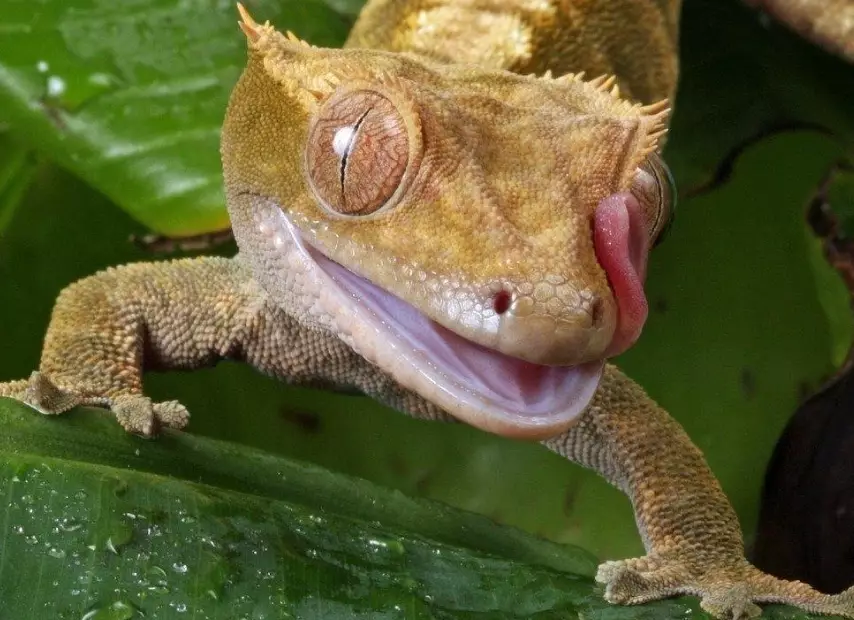
When people ask if crested geckos are friendly, they're usually comparing them to mammals. Big mistake. Reptiles don't show affection through licks or wagging tails. Friendliness here means: does the gecko tolerate handling without stress? Does it explore willingly? Can it recognize you as a non-threat?
I remember my first crested gecko, Gizmo. He'd hide every time I approached. I thought he was unfriendly, but I was wrong—he was just scared because his enclosure was too bright. Once I fixed that, he started coming out at night, watching me from his perch. That's reptile friendliness: a quiet coexistence.
Look for these behaviors instead of seeking cuddles:
If your gecko does these, it's friendly by reptile standards. Expecting more sets you up for frustration.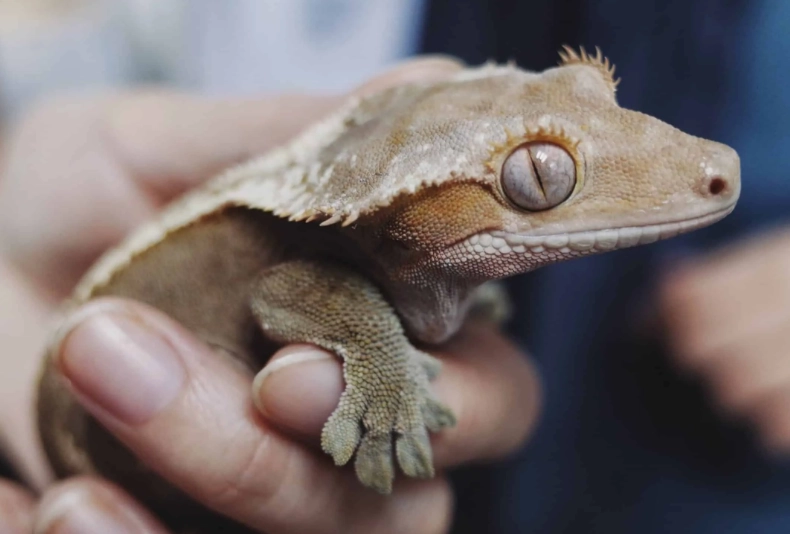
Crested geckos are often called "beginner-friendly," but that label oversimplifies things. Their temperament varies individually. Some are bold explorers; others are shy retreaters. Most fall in between—curious but cautious.
From my experience, juveniles tend to be skittish. They might jump or drop their tails easily. Adults, especially those raised with consistent handling, mellow out. I've had geckos that would climb onto my shoulder while I worked, and others that preferred watching from afar. Neither is unfriendly; they just have different comfort zones.
A key point few sites mention: crested geckos are nocturnal. Their "friendly" hours are dusk and dawn. Trying to handle them during the day is like waking a grumpy human at 3 AM—it won't go well. Schedule interactions for evening when they're naturally active.
Building trust takes patience. Rushing it is the top reason geckos become "unfriendly." Here's a practical guide based on what worked for me and other keepers.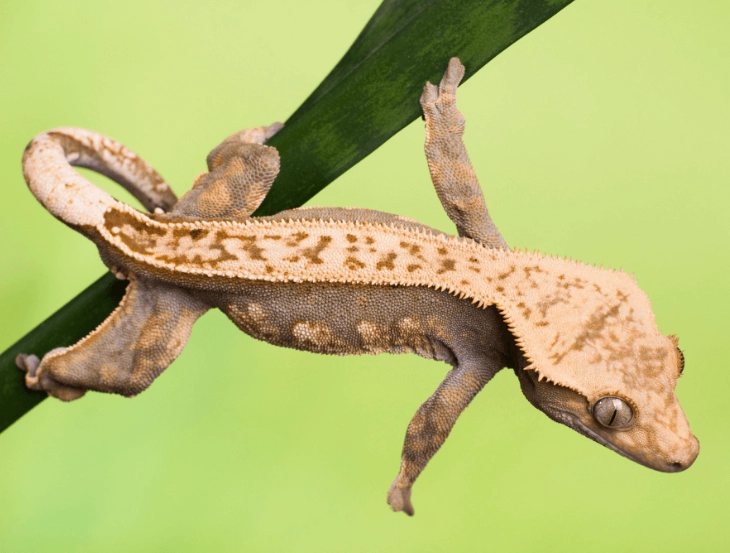
Leave your gecko alone. Let it settle into its new home. Provide hides, proper humidity (70-80%), and food like Repashy Crested Gecko Diet. This reduces initial stress.
Start by placing your hand in the enclosure for 5 minutes daily, without touching. Let the gecko sniff or ignore you. Offer food from tongs. This associates you with positive things.
Once the gecko seems calm, scoop it from below—never grab from above. Keep sessions under 10 minutes, 2-3 times a week. Handle over a soft surface in case it jumps.
I messed up early on by handling daily. My gecko, Luna, started hiding constantly. It took a month of backing off to regain her trust. Lesson learned: less is more.
New owners often blame the gecko for being unfriendly, but the problem is usually their approach. Here are subtle errors I've seen repeated.
Handling too often stresses geckos. They need downtime. Limit sessions to a few times a week. If your gecko seems agitated—like rapid tail twitching—give it a break.
A bare tank makes geckos insecure. Add vertical space (they love climbing), live plants, and hiding spots. The Reptile Database recommends environments mimicking their New Caledonian habitat. Without this, they'll stay hidden and seem unfriendly.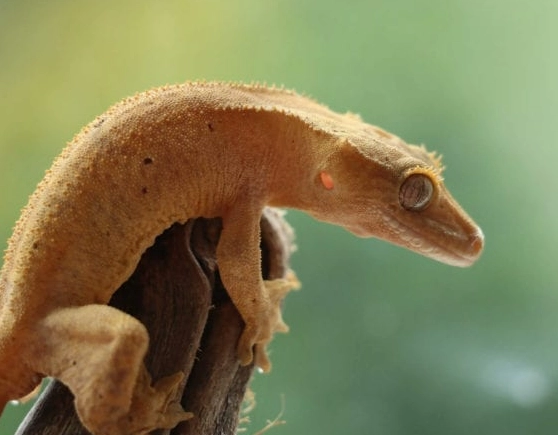
Crested geckos communicate through posture. A flattened body means fear; a relaxed stance means comfort. Learn to read these cues. If you push interaction when they're scared, you'll damage trust.
One owner I know kept complaining about his "mean" gecko that bit him. Turns out, he was reaching in suddenly during the day. After switching to evening handling and moving slower, the biting stopped. It wasn't aggression—it was defense.
Wondering how crested geckos stack up? This table breaks it down based on friendliness factors like handling tolerance and care ease.
| Reptile Type | Handling Friendliness | Care Level | Good for Beginners? | Notes from Experience |
|---|---|---|---|---|
| Crested Gecko | Moderate-High (with patience) | Easy | Yes | Less likely to bite than some lizards; tolerates gentle handling well once acclimated. |
| Leopard Gecko | High | Easy | Yes | More diurnal, so easier to interact with during day. Often calmer when handled. |
| Bearded Dragon | High | Moderate | Yes | Very social, but requires more space and UVB lighting. Can show more active engagement. |
| Ball Python | Moderate | Easy | Yes | Docile but shy; handling frequency affects friendliness. Some individuals are more reclusive. |
| Chameleon | Low | Difficult | No | Hands-off pets; stress easily. Not recommended for handling-focused owners. |
Crested geckos shine for their balance—they're not as demanding as bearded dragons but friendlier than chameleons. For beginners wanting a handleable reptile, they're a solid choice, though leopard geckos might be slightly more tolerant of frequent interaction.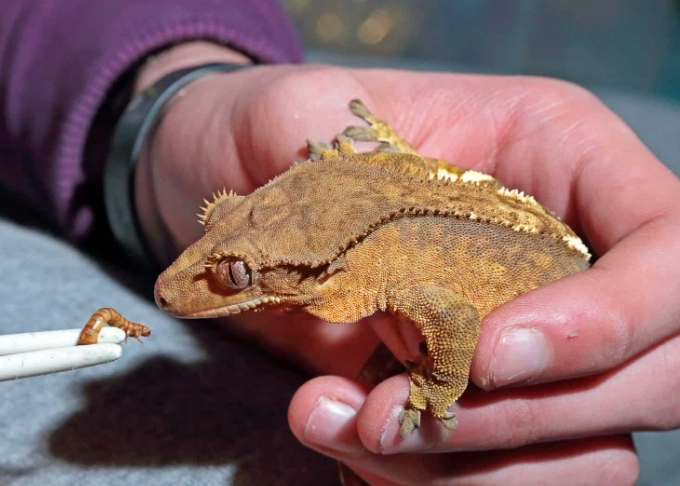
So, are crested geckos friendly? If you adjust your expectations and put in the work, yes—they can be wonderfully calm companions. Don't force it; let the friendship grow on their terms. Start with a proper setup, be patient, and you'll likely find a curious little lizard that's happy to share your space.