
Travel Tips
Lorem ipsum dolor sit amet, consectetur adipiscing elit.
Let's be real for a second. Getting your first bearded dragon is exciting. You see these chill, almost dog-like lizards at the pet store or online, and you think, "How hard can it be?"
Then you start researching. Suddenly you're drowning in information about UVB percentages, basking temperatures, calcium-to-phosphorus ratios, and substrate debates that can get surprisingly heated. It's enough to make your head spin. I know because I've been there. My first setup was, in hindsight, a bit of a mess. The thermometer was in the wrong spot, the lights were off-brand and weak, and my poor dragon, Puff, let me know he wasn't thrilled by being a picky eater for weeks.
So I'm writing this guide to cut through the noise. This isn't just a list of facts. It's the roadmap I wish I'd had. We're going to talk about everything from picking the right tank to reading your bearded dragon's weird little behaviors. By the end, you'll feel confident, not confused.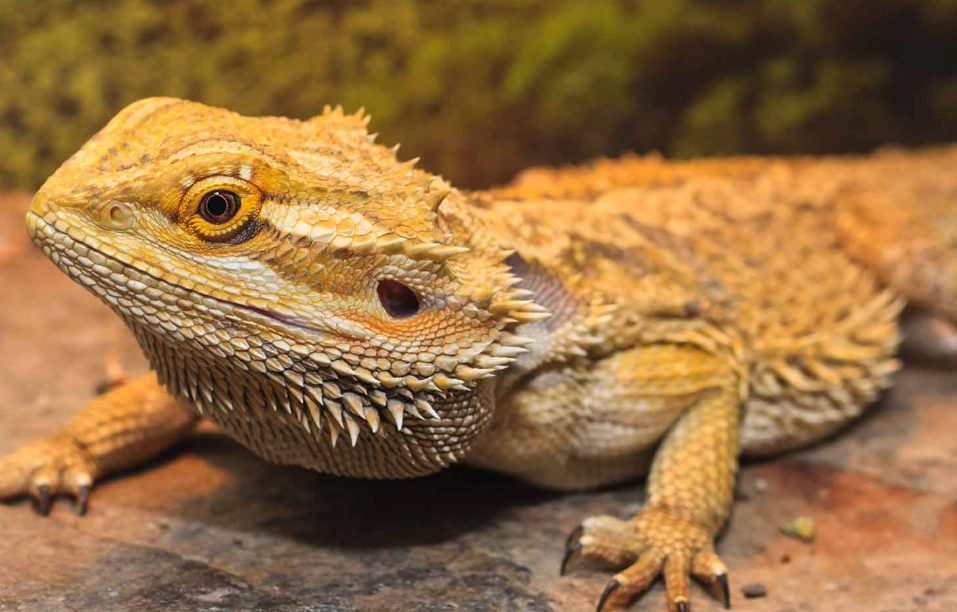
Before we dive into the care stuff, let's get to know the animal. The "bearded dragon" you'll most commonly find as a pet is the Central or Inland Bearded Dragon (Pogona vitticeps). They're native to the arid, rocky deserts and scrublands of central Australia.
That "beard" is their signature move—a pouch of spiky skin under their chin they can puff out and turn black when they feel threatened, excited, or are trying to show off (mostly males during breeding season). It's a pretty awesome display.
They're diurnal, meaning they're active during the day, which is great for us because we get to enjoy their company. In the wild, they're semi-arboreal, loving to climb on rocks and low branches to bask and look for food. That climbing instinct doesn't go away in captivity, by the way. A proper bearded dragon habitat needs vertical space and things to climb on, not just a long, flat tank.
Their personality is what hooks most people. They can be remarkably chill and observant. Mine would sit on my shoulder and just watch the world go by. But they're also individuals. Some are bold and curious, others are more shy. You have to earn their trust, which is part of the fun.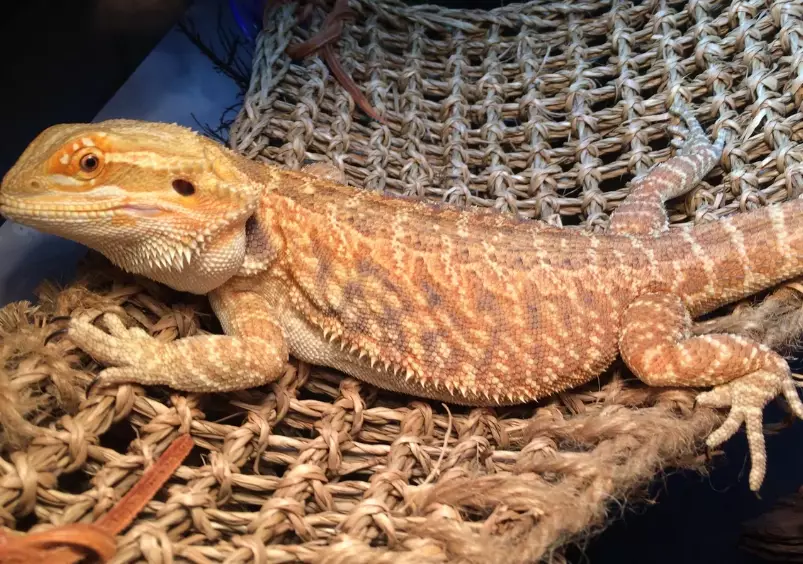
This is where most first-timers slip up. You can't just throw a lizard in a fish tank with a heat lamp. Their environment is a complex system of heat, light, and space that directly impacts their health.
The old 40-gallon breeder tank minimum is, frankly, outdated advice for an adult. It allows for walking, but not much else. Think about it—would you want to live in a room where you can only take three steps in any direction?
For a single adult bearded dragon, the absolute minimum I'd recommend now is a 4x2x2 feet enclosure (that's 120 gallons). This gives them space to thermoregulate properly (move between hot and cool areas), exhibit natural behaviors like digging and climbing, and just generally not feel cramped. A bigger tank, like a 5x2x2 or 6x2x2, is even better. I upgraded Puff to a 4x2x2 and his activity level and overall mood improved noticeably.
Materials matter too. Glass tanks are common but can struggle with heat retention. PVC or wooden enclosures with front-opening doors are fantastic—they hold heat and humidity better, and the front doors mean you're not looming over your dragon from above (which can feel like a predator to them).
This is non-negotiable and the most technical part. Get this wrong, and your bearded dragon will get sick, guaranteed.
1. The Basking Spot: This is their personal sun. You need a focused heat lamp (a halogen flood bulb is excellent) that creates a surface temperature of 100-110°F (38-43°C) directly under it. Use a digital infrared temperature gun to check this, not a cheap stick-on gauge. The rest of the tank should have a cool side around 75-85°F (24-29°C). Nighttime temps can drop to 65-75°F (18-24°C). If your house gets colder, a ceramic heat emitter (no light) is perfect for night heat.
2. The UVB Light: The Lifeline. This is the most critical piece of equipment. Bearded dragons cannot process calcium without UVB light, leading to Metabolic Bone Disease (MBD), a horrific and fatal condition that softens their bones. You need a linear fluorescent tube (like a T5 HO) that covers at least 2/3 of the tank's length. The compact coil bulbs are mostly useless for dragons. The bulb strength (10.0 or 12% UVB) and distance from the basking spot must be correct. Follow the manufacturer's chart precisely. This light should be on for 10-12 hours a day. Replace the bulb every 6-12 months, even if it still lights up, as the UV output degrades. The Society for the Study of Amphibians and Reptiles has published extensive research on reptile lighting requirements, underscoring its importance.
3. Ambient Light & Day/Night Cycle: A simple household LED can provide bright daytime light. Everything goes off at night. Total darkness is best for their sleep cycle.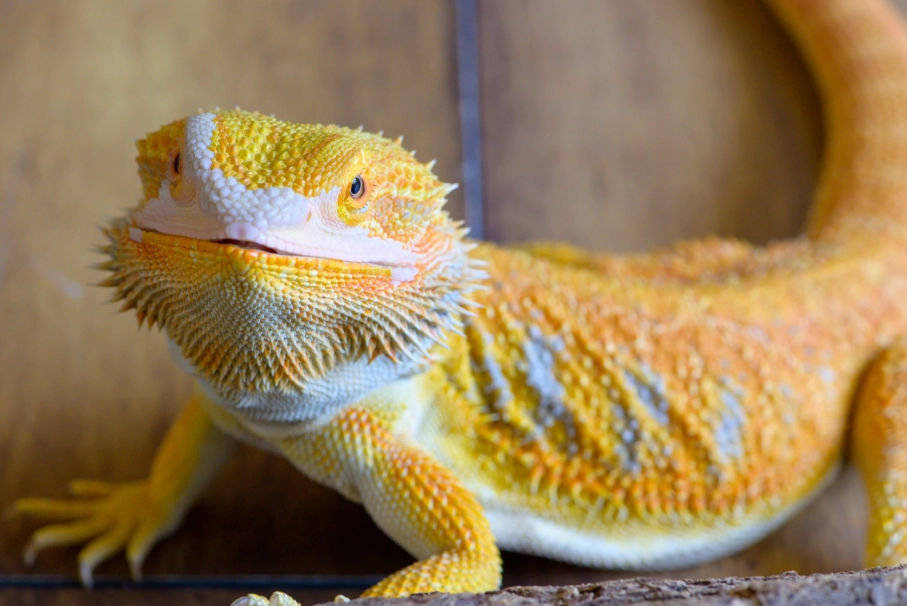
What goes on the floor is weirdly controversial. Here's my take after trying several options.
For babies, stick with simple paper towel, reptile carpet (though it can harbor bacteria), or non-adhesive shelf liner. Easy to clean, zero risk.
For healthy, well-hydrated adults, a 50/50 mix of topsoil (organic, no fertilizers) and playsand can work well. It allows for natural digging behaviors. The key is maintaining proper husbandry—correct heat for digestion and hydration—to prevent impaction. If you're not confident, a solid substrate like slate tiles is a fantastic, natural-looking, and easy-to-clean option.
Your dragon needs stuff to do. A sturdy basking platform (rock, driftwood) under the heat lamp is essential. Provide branches and rocks for climbing. Include at least one secure hide on both the warm and cool sides so they can feel safe. A rough rock or brick also helps them file down their nails naturally.
Their diet changes dramatically as they grow. It's not complicated, but you need to know the ratios.
Juveniles (0-12 months): These guys are growing machines. Their diet should be about 80% live insects, 20% vegetables. They might eat 20-60+ small insects a day, spread over 2-3 feedings. Always offer fresh greens daily too, even if they ignore them at first.
Adults (18+ months): The ratio flips. An adult bearded dragon's diet should be roughly 20-30% insects, 70-80% vegetables. Overfeeding protein to adults is a common mistake that leads to obesity and fatty liver disease. Feed insects 2-3 times a week.
Variety is key for nutrition and to prevent your dragon from getting hooked on one type.
Gut-loading is not optional. You must feed your insects nutritious food (commercial gut-load, veggies like squash and sweet potato) for 24-48 hours before feeding them to your dragon. A well-fed bug is a nutritious bug.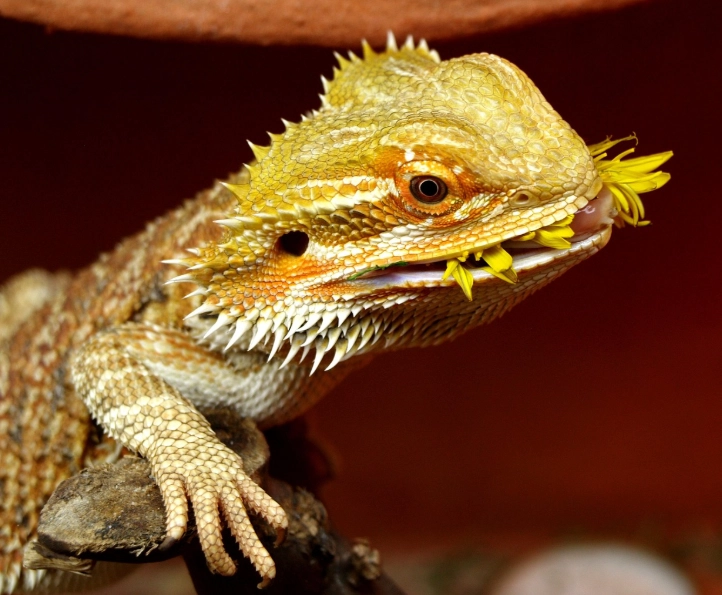
This isn't just iceberg lettuce. You need nutrient-dense greens.
| Daily Staples (Feed Often) | Occasional Veggies & Fruits (Feed 1-2x/week) | Avoid |
|---|---|---|
| Collard Greens | Butternut Squash (grated) | Iceberg Lettuce (no nutrition) |
| Mustard Greens | Bell Peppers (all colors) | Spinach (binds calcium) |
| Dandelion Greens | Blueberries | Kale (in large amounts, can be problematic) |
| Escarole/Endive | Mango | Avocado (toxic) |
| Turnip Greens | Carrot (grated, sparingly) | Citrus Fruits |
Chop everything to bite-sized pieces. I found mine preferred his salad in the morning after his lights came on and he was warming up.
Even with perfect food, you need to supplement. Use a plain calcium powder (without Vitamin D3) on insects at almost every feeding for juveniles, and on most insect feedings for adults. Use a calcium powder with D3 once or twice a week if your UVB light is optimal. A good multivitamin should be used once or twice a week. The exact schedule can vary, so consulting a reptile-savvy vet is wise. The World Small Animal Veterinary Association (WSAVA) provides global guidelines that many vets follow, emphasizing species-specific nutritional needs.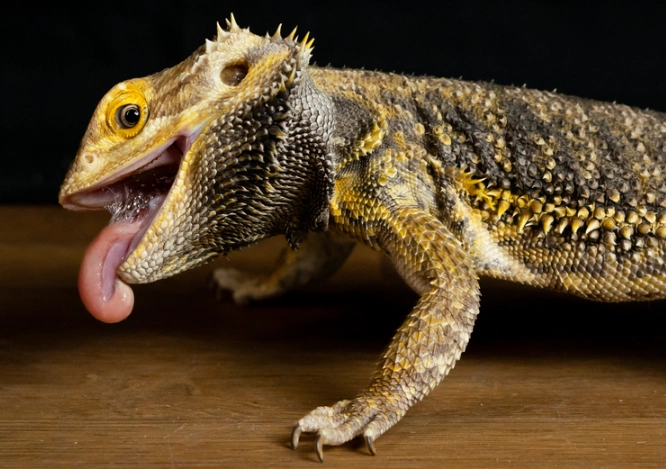
How do you know if your bearded dragon is healthy? It's about knowing the signs.
The single best thing you can do is find an exotic veterinarian who sees reptiles before you have an emergency. Get a check-up when you first get your dragon. Annual check-ups are a good idea.
They communicate with their bodies. Here's a quick translator:
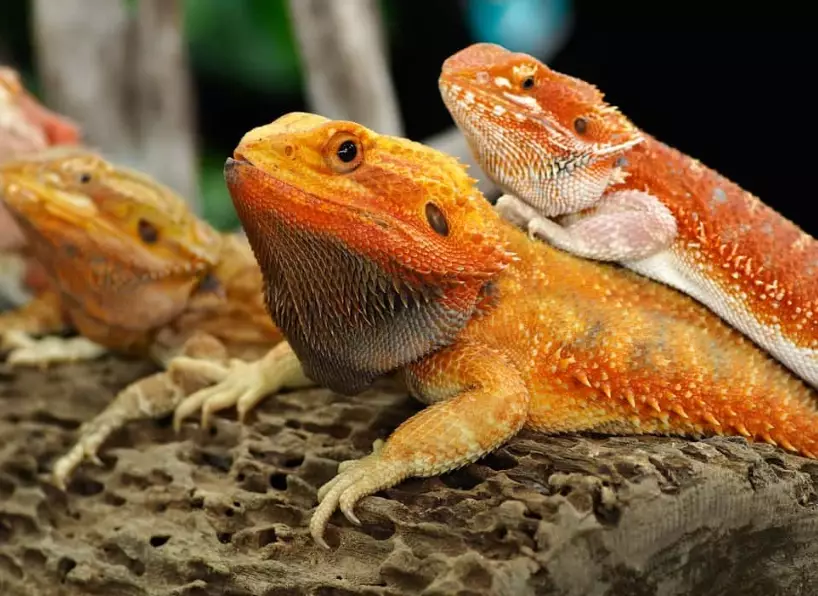
I get these all the time from new owners. Let's tackle them head-on.
It's about trust. It takes time.
Look, caring for a bearded dragon is a commitment. There are days you'll be cleaning up poop or running to the pet store for more roaches. But there are more days where you'll watch them curiously tilt their head at you, or happily munch on a blueberry, or just bask with a look of pure contentment.
Getting the habitat, diet, and health basics right isn't just about avoiding problems. It's about creating an environment where your scaly companion can truly thrive. When you see them active, bright-eyed, and interactive, you'll know all the research was worth it.
Start with a big enough tank. Invest in that proper UVB light. Offer a varied diet. And find a good vet. Do those things, and you and your bearded dragon are set up for a fantastic, long life together.
Got more questions? Drop them in the comments below. I'm happy to help based on my own experience and the collective wisdom of the reptile community.