
Travel Tips
Lorem ipsum dolor sit amet, consectetur adipiscing elit.
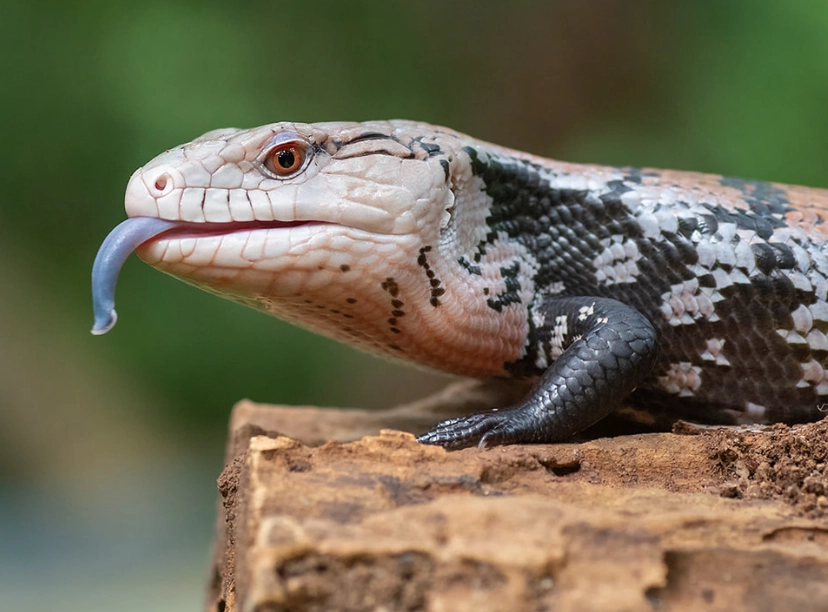
Let's be honest, the first time you see a blue-tongued skink, it's a bit of a shock. This stout, sausage-shaped lizard with tiny legs just... sticks out its tongue. And it's not just any tongue. It's a vibrant, cobalt blue that looks utterly unreal against its usually earthy-toned body. That flash of color is their party trick, a defense mechanism to startle predators. But beyond the gimmick, what's it actually like to live with one of these creatures? I've kept a Northern blue-tongued skink for over seven years now, and I've made plenty of mistakes along the way. This guide isn't just a dry list of facts. It's the stuff I wish I'd known before I brought my first skink, whom I affectionately call "Boris," home.
Are blue-tongued skinks good pets? For the right person, absolutely. They're often touted as one of the best beginner reptiles, and there's truth to that. But "beginner" doesn't mean "no maintenance." It means their care requirements are relatively straightforward and forgiving if you get the fundamentals right. Get the fundamentals wrong, and you'll have a stressed, sickly lizard on your hands. This guide aims to walk you through every single question you might have, from "Which species should I get?" to "Why is my skink not eating?" and everything in between.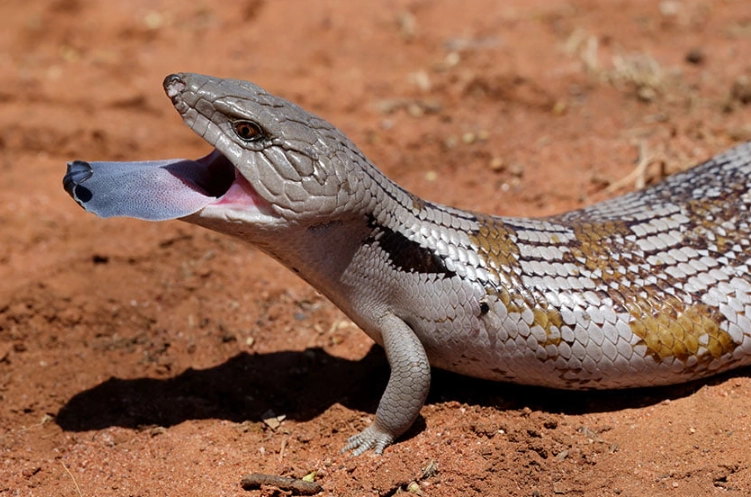
This is where most people, myself included, mess up initially. We see "blue-tongued skink" and think it's one animal. Wrong. There are multiple species and subspecies under the Tiliqua genus, and they can have different needs and temperaments. Choosing the right one is your first and most critical decision.
The common pet trade species generally fall into two main groups: the Indonesian/Australian complex and the true Australian species.
These are the ones you'll most commonly see in big-box pet stores: the Merauke, Halmahera, and Classic Indonesian (or Irian Jaya) blue-tongued skinks. They tend to be larger, sometimes reaching over 24 inches. Here's the kicker—they come from tropical Indonesia, which means they need higher humidity. We're talking 60-80%. That's not a trivial requirement to meet in a typical home, especially in winter. If you don't, they'll have horrible, stuck sheds and can develop respiratory infections.
I made the mistake of starting with a Merauke in a dry climate. Constant misting, humidifier battles, worrying about scale rot... it was a headache. Their size is impressive, but that humidity need is a daily commitment.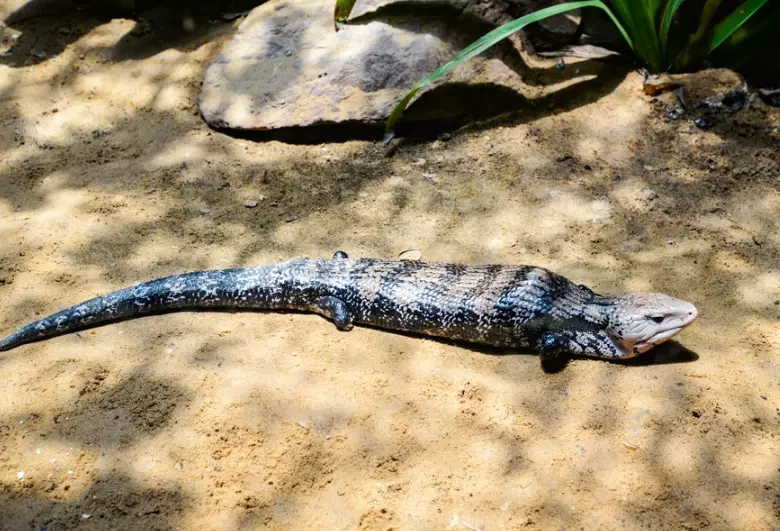
This group includes the Northern, Eastern, Western, and Centralian (or Blotched) blue-tongued skinks. My Boris is a Northern. These guys are, in my opinion, the better choice for most first-time owners. Why? They generally come from drier regions of Australia. Their humidity requirements are more moderate, around 40-50%. Much easier to manage. They also tend to have slightly more predictable personalities, often described as "bolder" and more inquisitive.
The Australian Museum has fantastic, scientifically accurate profiles on these native species, which is a great resource to understand their natural history.
Pro Tip: Always, always ask the breeder or seller for the exact species and, if possible, the locale data. "Australian" is not specific enough. Knowing you have a "Northern blue-tongued skink (Tiliqua scincoides intermedia)" versus an "Eastern (Tiliqua scincoides scincoides)" makes a world of difference in dialing in your care.
Let's break down the common types you'll encounter in a handy table. This isn't just academic; it directly impacts your daily routine.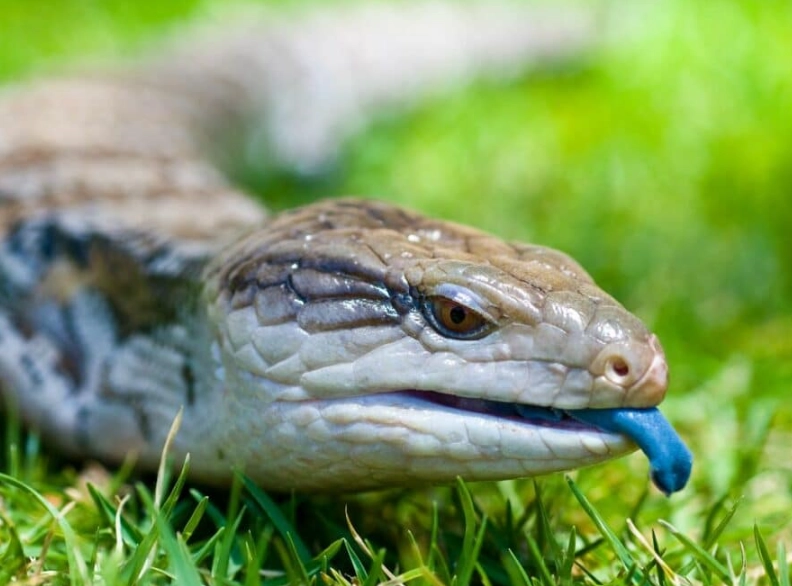
| Common Name | Scientific Name | Adult Size | Key Requirement | Temperament Notes |
|---|---|---|---|---|
| Northern Blue-Tongued Skink | Tiliqua scincoides intermedia | 18-24 inches | Moderate humidity (40-50%) | Often very bold, food-motivated, great for handling. |
| Eastern Blue-Tongued Skink | Tiliqua scincoides scincoides | 18-24 inches | Moderate humidity | Can be slightly more shy initially but tame well. |
| Classic Indonesian / Irian Jaya | Tiliqua sp. | 20-26+ inches | High humidity (60-80%) | Variable; some are calm, others more skittish. |
| Merauke Blue-Tongued Skink | Tiliqua gigas evanescens | 24-30+ inches | Very High humidity (70-90%) | Generally more docile due to size, but humidity is a major challenge. |
| Centralian (Blotched) Blue-Tongue | Tiliqua nigrolutea | 15-20 inches | Low humidity, needs a cooling period | Not for beginners. Requires seasonal temperature drops. |
See what I mean? Picking a Merauke because it's big and pretty, without a plan for that 80% humidity, is a recipe for vet bills.
You can't just throw a blue-tongued skink in a fish tank with some wood chips. Their enclosure is their entire world. Getting this right is 80% of preventing health and behavioral issues. I'll go through the non-negotiables.
Bigger is always better. The old minimum of a 40-gallon breeder tank? Forget it. That's cramped for an adult. For any adult blue-tongued skink, aim for an enclosure that is at least 4 feet long by 2 feet deep (like a 120-gallon). For the larger Indonesian species, go even bigger. Front-opening enclosures are a godsend—they don't feel like a giant predator reaching down from above every time you need to interact. PVC cages are fantastic because they hold heat and humidity well. Glass tanks are okay for dry species but are terrible at retaining humidity for Indonesians.
Security is paramount. These lizards are surprisingly strong and can nose open sliding glass doors if not properly locked.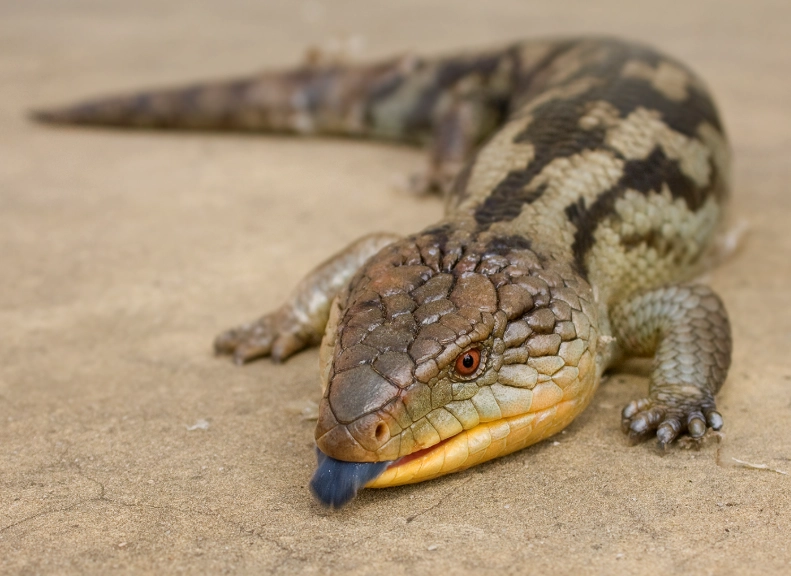
Blue-tongued skinks are diurnal—they're active during the day and rely on external heat to regulate their body temperature. You need to create a thermal gradient.
Common Mistake: Using "nighttime" red or blue bulbs. Reptiles can see this light. It disturbs their sleep cycle. For nighttime heat if your house gets cold (below 65°F), use a ceramic heat emitter or a deep heat projector, which produces no light.
This is a hot topic. Loose substrate versus solid? Blue-tongued skinks love to dig and burrow. Denying them that is poor enrichment. For Australian species, a mix of topsoil (organic, fertilizer-free), play sand, and a bit of coconut fiber works wonders. It holds burrows and allows for natural behavior.
For the high-humidity Indonesian blue-tongued skinks, a moisture-retentive mix with more coconut fiber or cypress mulch is key. The fear of impaction (ingesting substrate) is overblown for healthy animals fed properly (in a dish, not on the substrate). An impacted animal is usually a sign of other issues—wrong temperatures, dehydration, or an underlying illness. Paper towels or reptile carpet are boring, hard to clean, and don't allow for natural behaviors. I'm not a fan for long-term use.
Think clutter. A bare tank is a stressed skink. They need multiple hides—one on the warm end, one on the cool end, and maybe a humid hide (a box with damp sphagnum moss) for shedding. Cork rounds, flat rocks under the basking light, sturdy branches, and fake or live plants (like snake plants) make the space interesting. A large, shallow water dish big enough for them to soak in is essential for hydration and helps with humidity.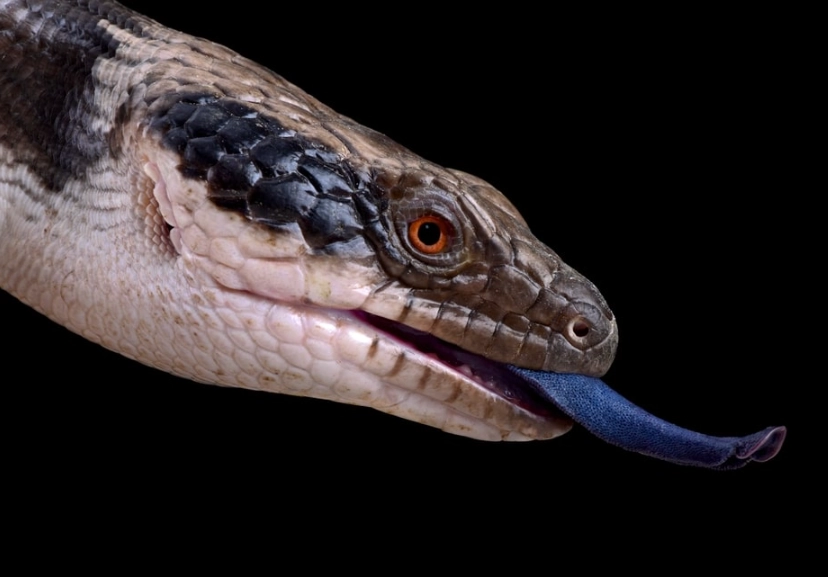
The goal isn't to make a sterile hospital room. It's to build a dynamic environment where your blue-tongued lizard can explore, thermoregulate, hide, and just be a lizard.
Ah, diet. Another area rife with misinformation. The classic advice of "just feed them canned dog food!" is, frankly, lazy and unhealthy long-term. Yes, many skinks will gobble it up. But it's formulated for mammals, not reptiles, and is often too high in fat, vitamin D, and other nutrients that can cause organ strain over years.
A healthy blue-tongued skink diet should be varied and lean heavily towards whole foods. Think of them as omnivores with a strong preference for protein when young, shifting to more veggies as adults.
This is where many owners fail. Your skink needs greens and veggies. Boris goes crazy for grated squash and green beans. Good staples include: escarole, endive, dandelion greens, mustard greens, collard greens, grated butternut squash, green beans, and a little bit of bell pepper or berry as a treat.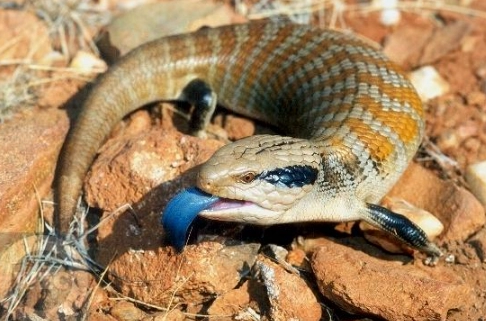
Every other feeding, dust the protein portion with a calcium powder without D3 (because your UVB lamp helps them make their own). Once a week, use a high-quality reptile multivitamin. This simple routine prevents a multitude of deficiencies.
I learned the hard way about variety. I fed Boris a rotation of just two things for months. He got bored, started refusing meals, and I panicked. Introducing new smells and textures—a bit of mango, a new type of worm—got him excited about food again. They're smarter than we give them credit for.
A healthy blue-tongued skink is alert, has clear eyes, a firm body (not bony hips or a fat neck), and breathes quietly. They should be inquisitive, especially around feeding time. Here are the red flags that mean a vet visit is needed ASAP.
Find a vet before you have an emergency. Look for an exotic veterinarian with experience in reptiles. The Association of Reptilian and Amphibian Veterinarians (ARAV) has a vet finder tool that is invaluable.
Blue-tongued skinks can become wonderfully tame. The key is patience and respect. Never grab them from above. Scoop them from below, supporting their entire body. Start with short, positive sessions—just sitting with them on your lap for a few minutes. Offer a treat by hand (tongs are safer).
They huff and puff when scared. They might even show you that famous blue tongue. If they do, just stay calm. Don't put them back immediately, or you teach them that huffing makes the giant go away. Wait for them to calm down, then end the session on a positive note.
They're not cuddly. They tolerate handling. But there's a unique satisfaction in earning the trust of an animal that sees you as a potential predator.
Brumation is something to be aware of. In winter, some blue-tongued skinks (especially Australian species) may slow down, eat less, and sleep more for weeks or even a couple of months. It's normal. Just ensure they are healthy going into it and have access to water. Don't force-feed an animal trying to brumate.
Look, I love my blue-tongued skink. He's a character. Watching him methodically hunt a roach or sprawl out under his lamp is a daily joy. But he's not a "look but don't touch" display animal, nor is he a pet you can ignore for days on end.
You should get a blue-tongued skink if: you're fascinated by reptile behavior, you enjoy creating a mini-ecosystem, you can commit to a 15+ year pet, you're okay with an animal that shows affection through tolerance rather than licks, and you're prepared for the upfront cost of a proper setup (which can easily run $500-$1000).
You should not get one if: you want a cheap, low-maintenance pet, you're squeamish about insects or rodents, you can't provide consistent daily and weekly care, or you're looking for a cuddly companion animal.
Do your research—beyond this guide. Check out forums like the Blue Tongue Skinks community, where experienced keepers share insights. Read care sheets from reputable breeders. Talk to a vet. If you decide to take the plunge and bring one of these incredible blue-tongued lizards into your life, do it right. They deserve nothing less.
And maybe you'll be lucky enough to see that brilliant blue tongue flash, not in fear, but in curious investigation of the world you've built for them.