
Travel Tips
Lorem ipsum dolor sit amet, consectetur adipiscing elit.
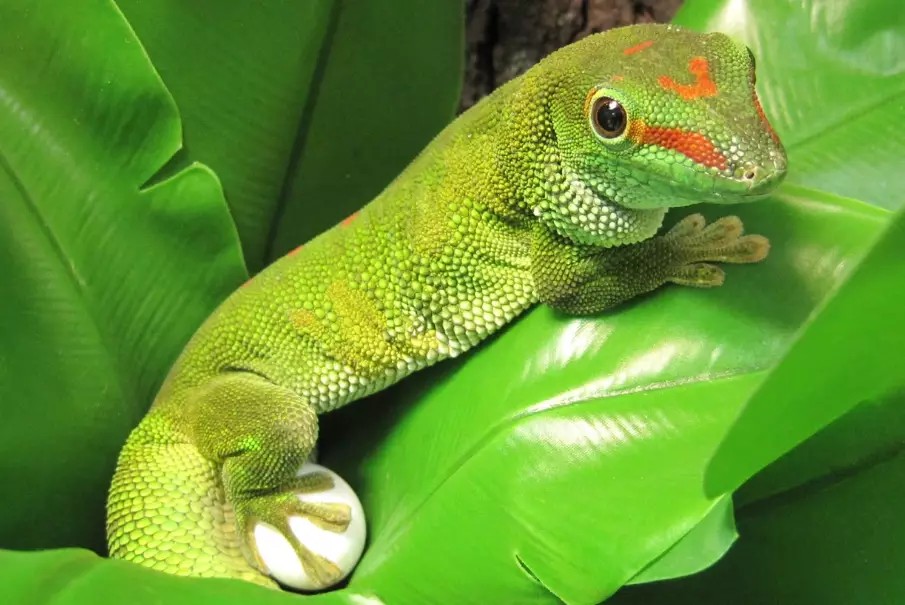
So you've got this dazzling, bright green day gecko scurrying up the glass of its terrarium, and the big question hits you: what on earth do I feed this thing? I remember staring at my first Giant Day Gecko, a stunning male I named Kermit, with the same panic. The pet store said "insects and fruit," which is about as helpful as saying "food and water" to a new parent. It's true, but the devil is in the details. What kind of insects? What kind of fruit? How much? How often? What does a day gecko eat to truly thrive, not just survive?
Let's cut through the vague advice. Getting the diet right is the single most important thing you'll do for your day gecko's health, color, and lifespan. A poor diet leads to metabolic bone disease (a horrible, crippling condition), organ failure, and a dull, lethargic lizard. A proper diet results in a vibrant, active, breeding-ready animal that can live well over a decade. This guide is the deep dive I wish I had when I started.
Forget the idea of a single "gecko food." In the wild, day geckos (primarily from Madagascar and surrounding islands) are opportunistic omnivores with a sweet tooth. Their diet shifts based on what's available. Our job is to replicate that varied, nutrient-rich menu in captivity. So, what does a day gecko eat? The answer always comes in two parts.
This is where most of the protein and fat comes from. Not all insects are created equal. You can't just grab crickets from the backyard (a terrible idea due to pesticides and parasites). You need nutritious, farm-raised feeders.
Here’s the breakdown of the best staples and occasional treats. I've ranked them based on nutrition, availability, and how much my own geckos seem to prefer them.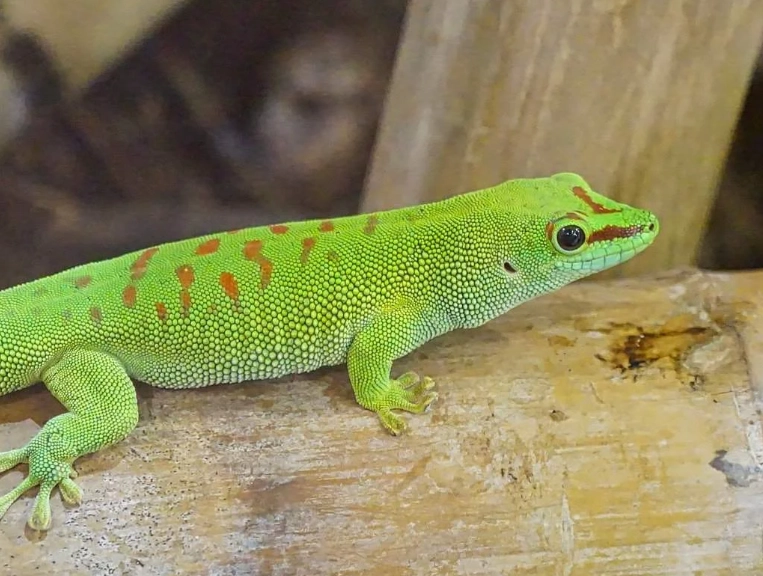
| Insect | Nutritional Profile | Feeding Frequency | Keeper Notes & Tips |
|---|---|---|---|
| Crickets (Brown/Grey) | Good protein, moderate fat. The classic staple. | 2-3 times per week (staple) | They're noisy and can bite your gecko if left uneaten. Always gut-load for 24-48 hours before feeding. Size matters—insect should be no wider than the space between the gecko's eyes. |
| Dubia Roaches | Excellent protein-to-fat ratio, more meat, less chitin (shell). | 1-2 times per week (premium staple) | My personal favorite. They don't climb smooth surfaces, don't smell, don't make noise. Higher in protein than crickets. Some geckos need time to recognize them as food. |
| Black Soldier Fly Larvae (Calciworms/BSFL) | Naturally high in calcium, low in fat. | 2-3 times per week (staple, esp. for juveniles) | A fantastic choice. The high calcium content is a huge bonus, reducing the supplement burden. They're wriggly and trigger a great feeding response. |
| Silkworms | Very high in protein, moisture, and digestible. | Once a week (treat/staple) | Expensive and delicate to keep, but arguably the healthiest feeder. Great for geckos that are picky eaters or need to gain weight. |
| Waxworms | Very high in fat, low in protein. | Once every 2 weeks MAX (treat only) | The lizard equivalent of candy. Highly addictive. Overfeeding leads to obesity and fatty liver disease. Use only as a rare bribe or for underweight geckos. |
| Mealworms/Superworms | High in chitin (hard to digest), moderate fat. | Sparingly, if at all (occasional treat) | I'm not a fan. The hard exoskeleton can cause impaction, especially in younger geckos. Superworms have a nasty bite. There are simply better options available. |
See the pattern? Variety is key. Feeding only crickets forever is like you eating only chicken breast every day—nutritionally incomplete and boring. Rotate between 2-3 of the staples (like crickets, dubias, and BSFL) to cover all the nutritional bases.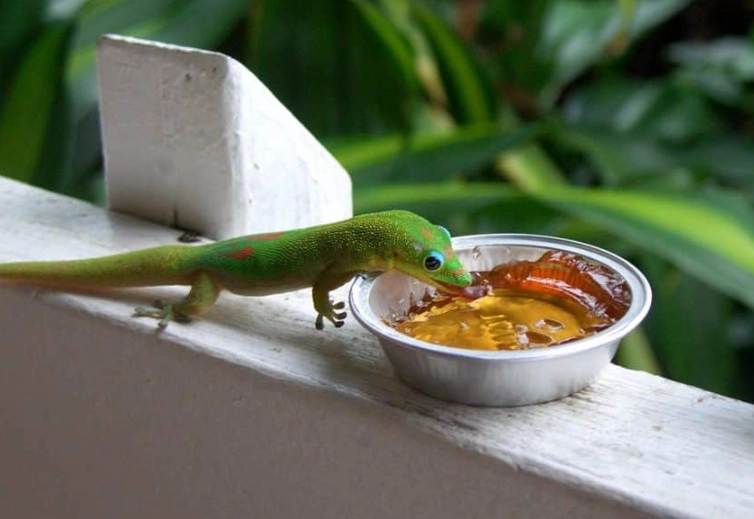
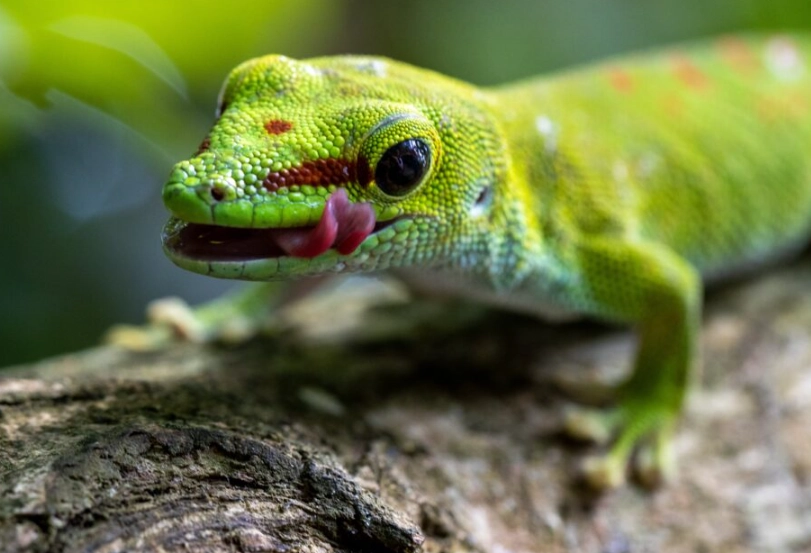
This is what sets day gecko care apart from, say, a leopard gecko. They need simple sugars and certain vitamins found in fruit. In the wild, they lap up overripe fruit, nectar, and pollen. In captivity, we use commercial mixes.
What does a day gecko eat for its fruit portion? Not chunks of apple or banana from your kitchen. The sugar content and calcium-phosphorus ratio in most fresh fruit is wrong for them. It can cause diarrhea and nutritional imbalances.
You have two reliable options:
The fruit mix should be offered in a small, shallow dish (bottle caps work for smaller species) and replaced every 24 hours, as it ferments quickly in the warm terrarium.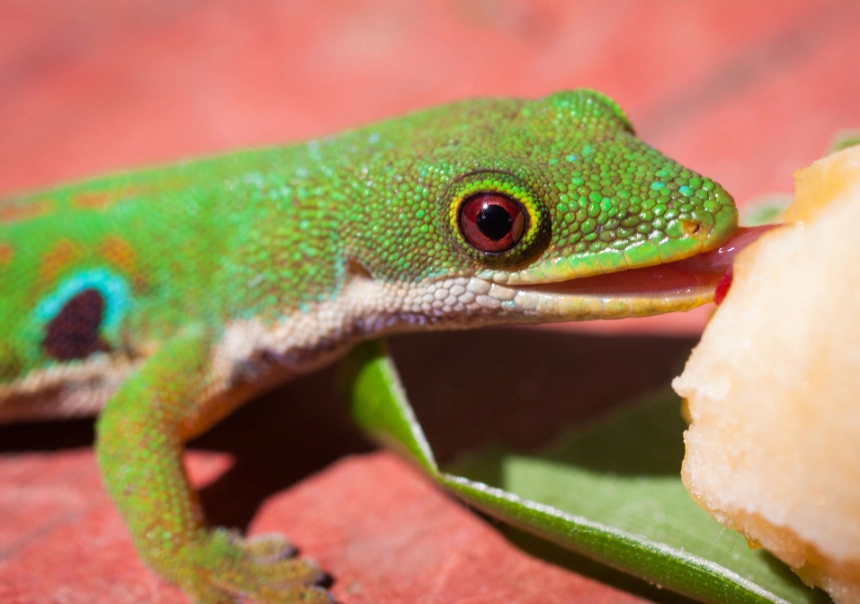
You could be feeding the best gut-loaded dubia roaches and premium Repashy mix, and still end up with a gecko suffering from Metabolic Bone Disease (MBD). How? Without proper dusting, insects are severely deficient in calcium and vitamin D3.
Think of dusting as the final, critical seasoning on your gecko's food.
You need two main powders:
Here's a simple dusting schedule that has worked for me for years with UVB lighting provided:
It sounds like a lot, but it becomes routine. MBD is a horrific, irreversible, and painful disease that causes soft, rubbery bones, deformities, and seizures. A $10 jar of calcium powder prevents it. No excuse.
What does a day gecko eat when it's a tiny, two-inch-long hatchling? The same core components, but the execution is different.
They are growing machines. They need more frequent feedings of smaller prey. I offer my baby day geckos food daily.
They're so small, you might worry they're not eating. Look for tiny lick marks in the fruit mix.
Their metabolism slows. Feeding an adult like a juvenile leads to a fat gecko. I feed my adults insects 2-3 times per week, and fruit mix is available 2-3 nights per week (I remove it the next morning).
Let's be honest. We learn from errors. Here are the big ones to avoid:
I learned #6 the hard way. I left a few crickets in overnight with a young gecko and found a small sore on its back the next morning. Never again.
Let's make this practical. Here’s what a typical week looks like for my adult Giant Day Gecko with UVB lighting:
See the rhythm? Insects 3x a week, fruit mix 3x a week, dusting rotated. It's a system. For a juvenile, I'd offer a tiny bit of fruit mix daily and insects daily (appropriately dusted).
Technically, yes. The complete diets like Repashy are formulated to be all-in-one. Many breeders raise healthy colonies on it alone. However, I still believe offering live insects provides mental stimulation, exercise, and a more natural behavioral outlet. It's also a surefire way to ensure protein intake. I recommend using both.
This is common, especially with wild-caught imports or geckos started only on insects. First, make sure it's the right consistency (ketchup, not soup). Try different flavors (Pangea's "Fig & Insects" is a hit with picky eaters). Smear a tiny bit on their nose—they'll lick it off and get the taste. Offer it at night when they're active. Be patient. You can also try mixing a tiny bit with organic mango baby food as a transition.
Daily. They have tiny stomachs and huge growth needs. Offer small insects (pinhead crickets, fruit flies) and a small smear of fruit mix every single day. Always have fresh water available via misting and a small dish.
Both. They will drink droplets from leaves after you mist the tank (mimicking rain), which is crucial for hydration and humidity. However, I also provide a very shallow water dish (like a bottle cap) because some individuals prefer to drink from a standing source. It also helps with overall humidity. Change it daily.
If you want to give a treat, a single waxworm once a month is fine. Some keepers offer a tiny bit of mashed ripe mango or papaya as a rare treat. But honestly, a varied diet of good staples is the treat. They don't need sugary snacks.
Fruit-heavy diets can lead to looser stools, which is normal. However, consistently watery, foul-smelling, or discolored (green, bloody) poop can indicate parasites or illness. If the diet is correct (commercial mix, not human fruit) and the problem persists, a fecal exam by a reptile vet is needed.
When you break it down, answering "what does a day gecko eat" isn't about memorizing a complex list. It's about understanding a simple framework: varied insects + complete fruit mix + consistent supplements.
Start with a high-quality commercial diet like Repashy for the fruit portion—it eliminates so much guesswork. Source a couple of reliable insect feeders (dubias and BSFL are my top picks). Buy a jar of calcium without D3, one with D3, and a multivitamin. Set a weekly schedule on your calendar.
The biggest investment isn't money—it's the routine. But once that routine is set, you get to sit back and watch your vibrant, healthy gecko thrive. Seeing Kermit, now eight years old, still leaping around with the energy of a hatchling, his colors impossibly bright, is all the proof I need that getting the diet right is worth every bit of effort. It's the foundation of everything else in day gecko keeping.
Good luck, and enjoy your incredible little lizard!
For further reading on reptile nutrition and care standards, you can refer to resources from the Association of Zoos and Aquariums (AZA) or care sheets from established institutions like the San Diego Zoo Wildlife Alliance. The University of Michigan's Animal Diversity Web also provides excellent species-specific biological data.