
Travel Tips
Lorem ipsum dolor sit amet, consectetur adipiscing elit.
So, you're wondering how big an African fat-tailed gecko gets. Let's cut to the chase: they're not monsters, but they've got a solid, chunky build that surprises many first-time owners. I've kept these geckos for over a decade, and the size question pops up all the time—often from folks worried their pet is too small or growing weirdly. The short answer? Adults typically hit 7 to 9 inches in body length, with tails adding another inch or two. But there's a lot more to it than just numbers. Genetics, care, and even your feeding routine play huge roles. I remember my first gecko, Buster, who stayed petite until I tweaked his diet; he ended up a robust 8.5 incher.
African fat-tailed geckos (Hemitheconyx caudicinctus) are mid-sized lizards. Most resources, like Reptiles Magazine, state adults reach 7-9 inches snout-to-vent (SVL), with total length up to 10 inches. But in my experience, females often sit at 7-8 inches, while males can push 9 inches. Weight-wise, they range from 45 to 70 grams—healthy ones feel dense, not flabby. That tail, where they store fat, can be as thick as their body when well-fed.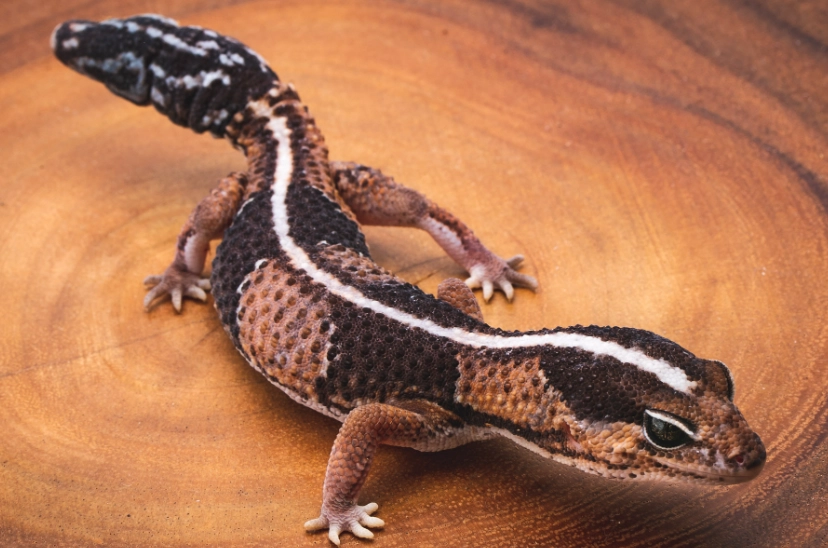
Here's a table to break it down visually. I've seen too many owners panic over measurements, so this helps set realistic expectations.
| Age Stage | Average Snout-to-Vent Length | Total Length (Including Tail) | Typical Weight |
|---|---|---|---|
| Hatchling (0-3 months) | 2-3 inches | 3-4 inches | 5-10 grams |
| Juvenile (3-12 months) | 5-6 inches | 6-7 inches | 20-35 grams |
| Subadult (12-18 months) | 6-8 inches | 8-9 inches | 35-50 grams |
| Adult (18+ months) | 7-9 inches | 9-10 inches | 45-70 grams |
Note: These are averages. I've had a female top out at 6.5 inches—perfectly healthy, just genetically smaller. Don't freak out if yours is an outlier.
Growth isn't linear. Hatchlings are tiny, about the length of your thumb. They grow fast initially, gaining an inch every couple of months if fed well. By 6 months, they're juveniles, hitting that 5-6 inch mark. Then growth slows. Full size usually comes by 18-24 months, but some keep filling out until age 3.
I tracked Buster's growth: at 4 months, he was 4 inches; at 1 year, 7 inches; and he plateaued at 8.5 inches by 2 years. A friend's gecko grew slower but ended up heavier—shows how variable it is.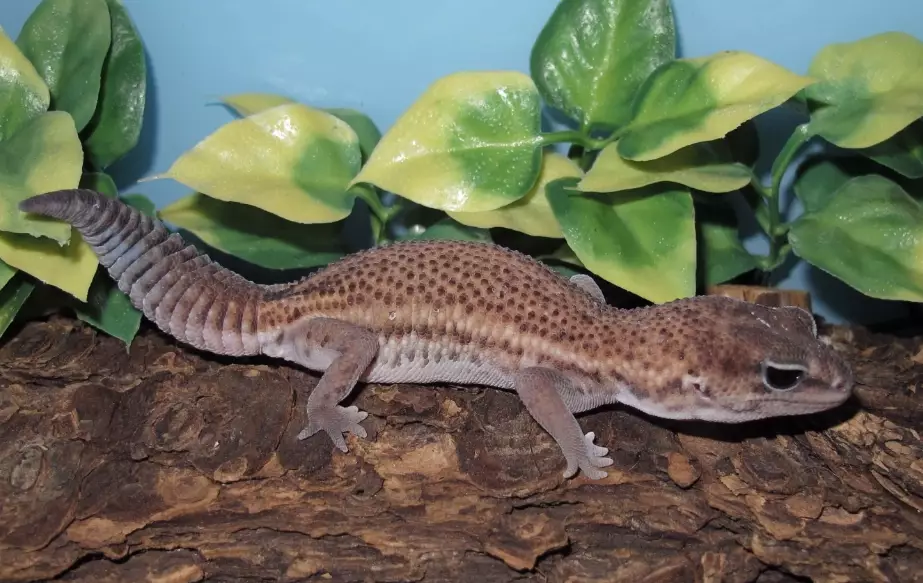
First 3 months: Rapid growth, dependent on frequent feeding. Miss meals, and they might lag.
6-12 months: Growth spurts happen. This is when you see tail fattening up.
12-18 months: Slower, steady growth. They're near adult size but still maturing.
18+ months: Most stop lengthening, but weight can fluctuate with diet and season.
A subtle mistake: owners often overfeed during slow periods, thinking it'll boost size. It just adds fat, not length. The Association of Reptile and Amphibian Veterinarians emphasizes balanced nutrition for proper skeletal development.
Size isn't just genetics. Let's dive into the big influencers.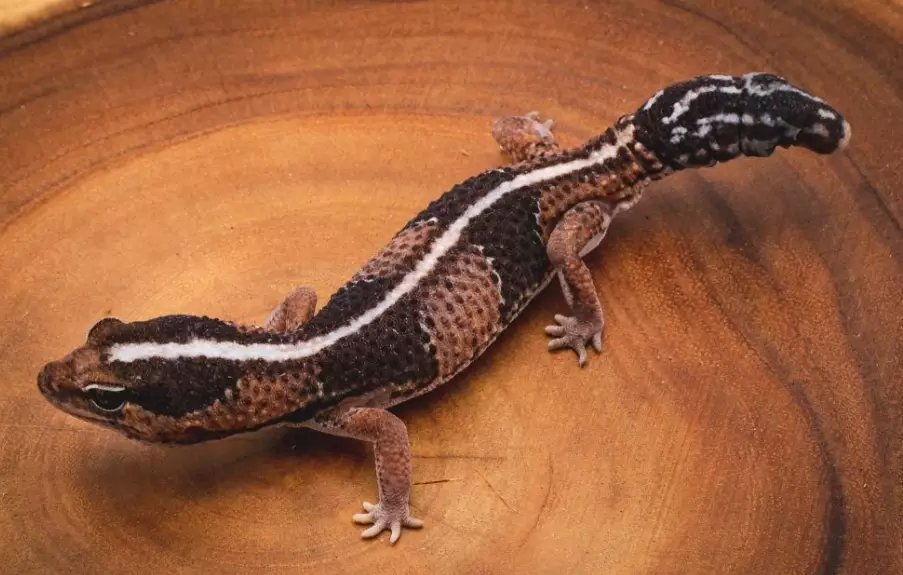
Diet: Protein is crucial. Gut-loaded crickets, dubia roaches, and occasional mealworms work. Calcium and vitamin D3 supplements prevent metabolic bone disease, which can stunt growth. I've seen geckos fed only waxworms become obese but short—like a stubby sausage.
Enclosure size: A cramped tank stresses them. Adults need at least a 20-gallon long (30x12x12 inches). Smaller spaces limit movement, potentially slowing growth. My rescue gecko, Tiny, gained an inch after moving from a 10-gallon to a 30-gallon.
Temperature and humidity: Incorrect gradients affect metabolism. Basking spots should be 88-92°F, cool side 75-80°F. Humidity around 50-60% aids shedding and health. Too dry, and growth can stall.
Genetics: Some lines are naturally smaller. If parents were petite, offspring likely follow.
Health issues: Parasites or infections can halt growth. Regular vet checks help. One of mine had a hidden parasite; treatment sparked a growth spurt.
Think of it like this: good care sets the stage, but genetics writes the script.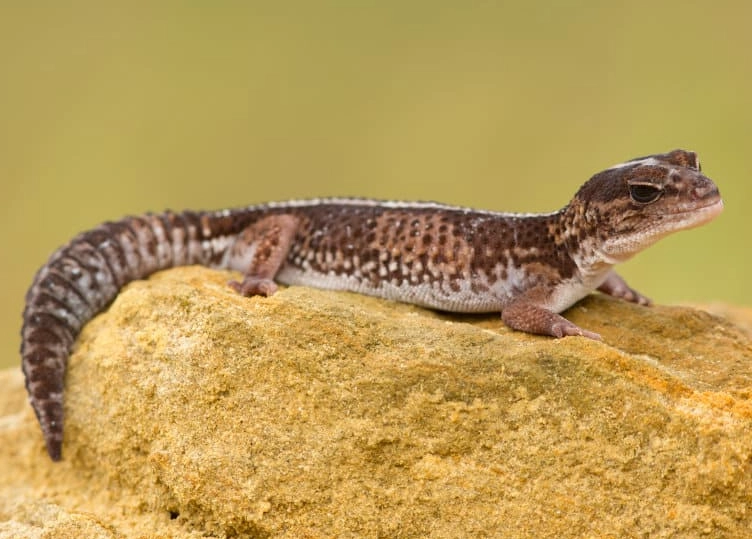
Measuring sounds simple, but many botch it. Here's a step-by-step from my own fumbles.
Tools: A flexible ruler or soft tape measure. Calipers for precision, but not necessary.
Step 1: Snout-to-vent length (SVL). Measure from the tip of the nose to the vent (cloaca). Lay the gecko gently on a flat surface. Don't stretch them—they'll curl. I use a trick: let them crawl over the ruler naturally.
Step 2: Total length. Include the tail, but only if it's original. Dropped tails regrow shorter, skewing data. Measure from nose to tail tip along the body curve.
Step 3: Weight. Use a digital kitchen scale in grams. Place them in a small container to keep still. Weigh weekly for juveniles, monthly for adults.
Common error: measuring after feeding—wait a day for accuracy. And don't compare to online photos; perspective tricks abound.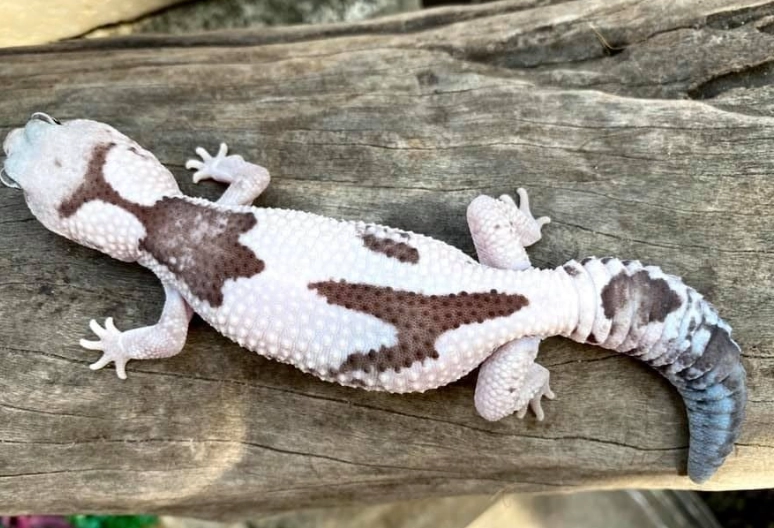
Let's clear up some nonsense I hear often.
Myth 1: "They grow to the size of their tank." False. Small tanks stress them, but won't magically shrink them—just hinder health.
Myth 2: "Males are always bigger." Not necessarily. Males tend longer, but females can be heavier. I've had a female outweight a male by 10 grams.
Myth 3: "Feeding more speeds up growth." Overfeeding causes obesity, not healthy growth. Stick to scheduled meals.
Myth 4: "They stop growing at one year." Most reach near-full size by then, but subtle gains happen up to age 3.
These myths stem from poor info in pet stores. Trust experienced keepers or vet sources.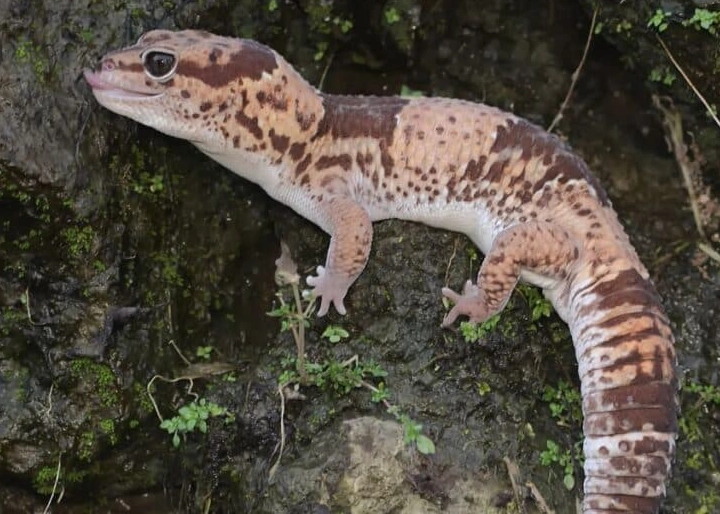
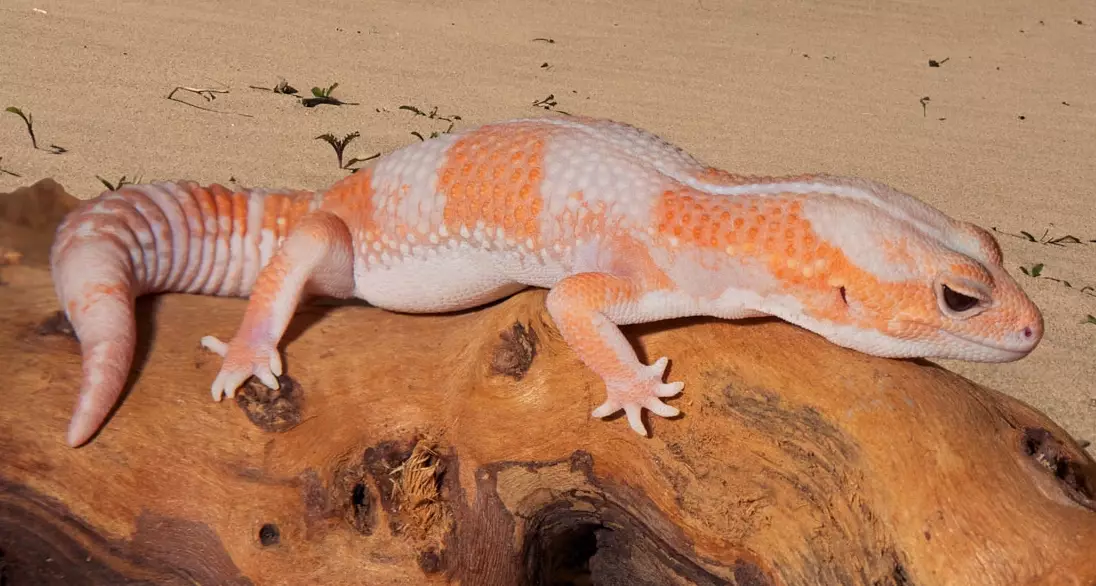
Wrapping up, understanding African fat-tailed gecko size boils down to realistic expectations and proactive care. They're not huge lizards, but their sturdy build makes them delightful pets. Focus on providing a balanced diet, proper enclosure, and regular check-ups rather than obsessing over inches. If you nail the basics, your gecko will reach its genetic potential, whatever that may be. And remember, a healthy, active gecko is better than a big, sluggish one. Happy keeping!