
Travel Tips
Lorem ipsum dolor sit amet, consectetur adipiscing elit.
So you're hearing this chirping, trilling, or maybe even a sound like a tiny duck coming from the bushes after a summer rain. You flip on the porch light and see a little blob of green or gray stuck to your window. Welcome to the world of tree frogs of Florida. Honestly, before I started paying attention, I just thought they were all the same—just "little green frogs." Turns out, I was completely wrong. Florida is home to a surprising bunch of these sticky-toed amphibians, each with its own personality, look, and soundtrack.
This isn't just a dry list of species. I want to talk about what you're actually seeing and hearing. How to tell them apart, why they're important (way more than just bug control), and what you can do, or more importantly not do, to live alongside them. Because let's be real, sometimes that loud mating call outside your bedroom window at 2 AM can test anyone's patience. I've been there.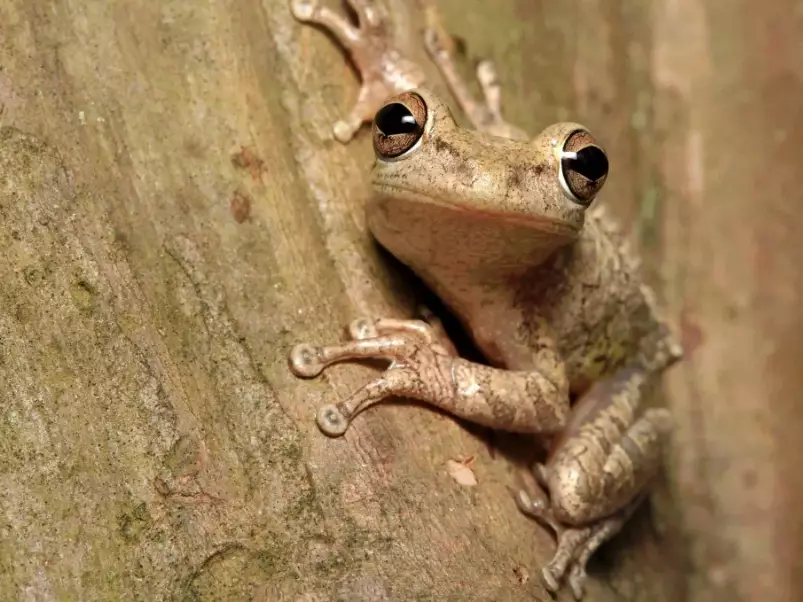
If you're trying to figure out which tiny acrobat is on your patio, this is your starting point. We'll focus on the ones you're most likely to encounter, from the ultimate suburban survivor to the shy native that prefers a quieter life.
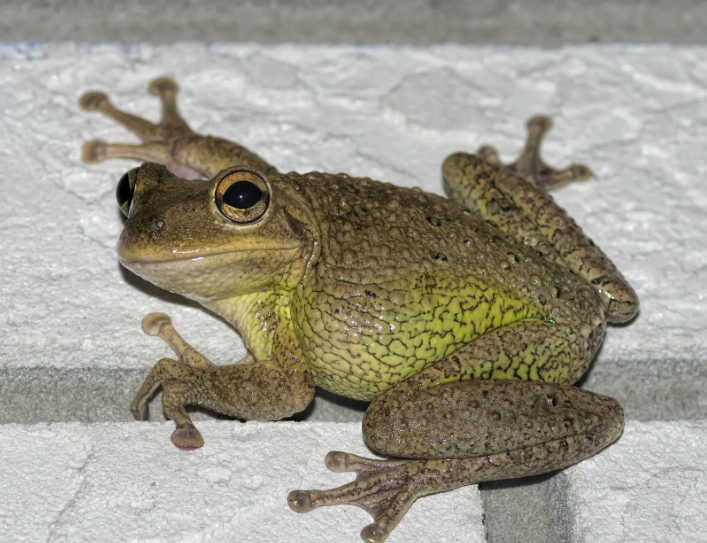
Let's start with the elephant in the room, or rather, the large frog on your porch light. The Cuban tree frog (Osteopilus septentrionalis) is Florida's most infamous amphibian resident. It's an invasive species, and it's everywhere. I remember the first time I saw one—I thought it was a mutant. They can get big, like the size of your fist big, with bulgy eyes and oversized toe pads. Their color is all over the place: green, gray, brown, or even a weird white.
Here's the thing about Cuban tree frogs. They're a real problem for our native tree frogs of Florida. They eat them. They outcompete them for food and space. They even cause power shorts by getting into transformers. Not great.
Their call is a grating, raspy snore. Once you hear it, you'll know. They are, for better or worse, the default tree frog in many Florida neighborhoods now.
This is the frog of postcards and childhood memories. The native green tree frog (Hyla cinerea) is what most people hope they have. A beautiful, bright apple-green (sometimes with a few small gold or white spots) with a crisp white or pale yellow stripe running from its jaw down its side. It's elegant, it's polite, and its call is a pleasant, repetitive "quank-quank-quank."
They love vegetation near water. You'll find them on broad leaves around ponds, lakes, and even in your garden if you have a water feature and plenty of plants. They're a true sign of a relatively healthy backyard ecosystem. Seeing one always feels like a small victory to me.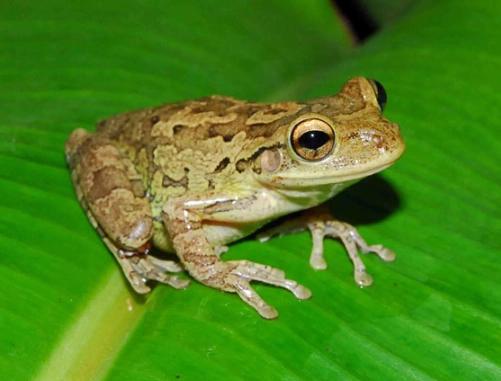
This little guy is the chameleon of the tree frogs of Florida. The squirrel tree frog (Hyla squirella) can change color rapidly based on its surroundings and mood—green, gray, brown, even yellowish. It's usually pretty small. The key identifier? Its call sounds exactly like a squirrel's chattering bark, hence the name. It's a rapid, duck-like quacking.
They're incredibly common and adaptable, found in gardens, forests, and swamps. They often show up on windowsills hunting bugs attracted to the light. Harmless, native, and a great bug-eater.
If you're lucky enough to live near some good, undisturbed pine flatwoods or cypress swamps, you might hear this one. The barking tree frog (Dryophytes gratiosus) is our largest native tree frog, plump and robust. It's usually a gorgeous green with dark, round spots. As the name shouts, its call is a loud, hollow "donk" or "toonk" that really does sound like a distant dog barking.
They tend to be less common in heavily developed areas, so hearing one is a treat. They spend more time on the ground or in low shrubs than high in trees.
Staring at a frog and not sure? This table breaks down the key giveaways.
| Frog Species | Size | Key Visual Clue | The Sound It Makes | Native/Invasive |
|---|---|---|---|---|
| Cuban Tree Frog | Large (2-5.5 inches) | Enormous toe pads, bulging eyes, variable color. Skin often looks "warty" or bumpy. | Loud, raspy, snoring croak. | Invasive (Problematic) |
| Green Tree Frog | Medium (1.25-2.5 inches) | Bright green with a clean white/yellow stripe along the side. Smooth skin. | Nasal "quank-quank-quank" repeated. | Native (Beneficial) |
| Squirrel Tree Frog | Small (1-1.5 inches) | Small, color-changing. Often has a faint dark stripe between the eyes. Smooth skin. | Fast, chattering quack, like a squirrel. | Native (Beneficial) |
| Barking Tree Frog | Large (2-2.75 inches) | Plump, green with dark round spots. Granular (grainy) skin texture. | Loud, single "donk" or "toonk". | Native (Beneficial) |
That table should cover 95% of your encounters. There are others, like the pine woods tree frog with its distinctive " Morse code" call, but these are the main players.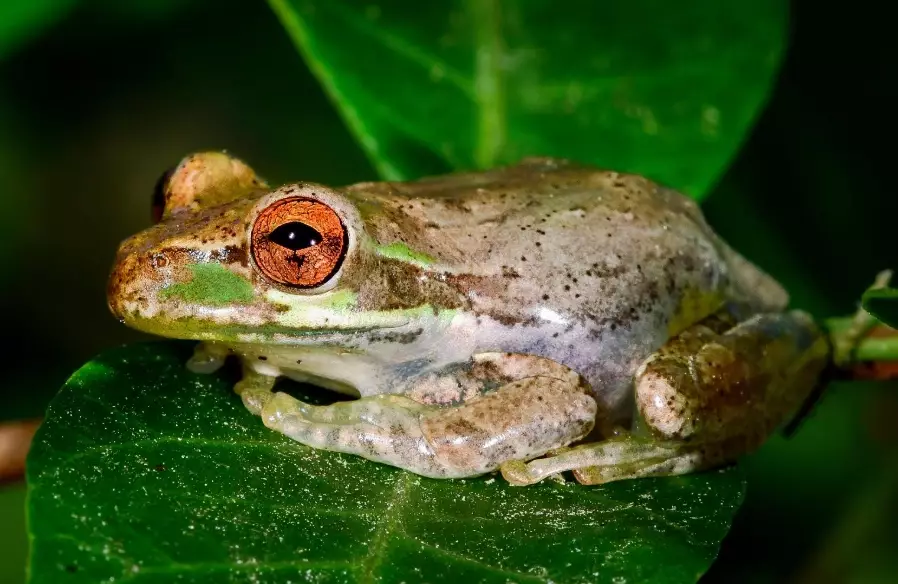
Knowing what they are is one thing. Understanding what they're doing makes watching them way more interesting.
All that noise is the male frog dating profile. After a good rain, when humidity is high, males gather around water sources and start calling. Each species has its own unique call so females can find the right guy. It's a summer soundtrack for a reason—that's their prime breeding season. The volume is astonishing for such small creatures. They have vocal sacs that inflate like balloons to amplify the sound.
Is it annoying sometimes? Sure. But when you listen to it as a sign of life in your yard, it becomes more fascinating than frustrating. Mostly.
How do they defy gravity? Their toe pads are engineering marvels. They're covered in microscopic hexagonal cells that secrete a mucus, creating a capillary and adhesive force. Basically, they use the surface tension of water. It's not glue; it's a controlled, reversible stickiness that lets them climb glass, leaves, and walls with ease.
They also drink and breathe through their skin. This is why they're so vulnerable to chemicals, salts, and pollutants. A pesticide on your lawn doesn't just kill bugs; it can be absorbed directly by a frog sitting on a wet leaf. This permeable skin is the core reason why tree frogs of Florida are considered important bioindicators—their health tells us about the health of the environment.
Want to see more of the good guys (the native tree frogs) and maybe discourage the invasive Cuban? It's not about building a perfect frog paradise; it's about making a few smart choices.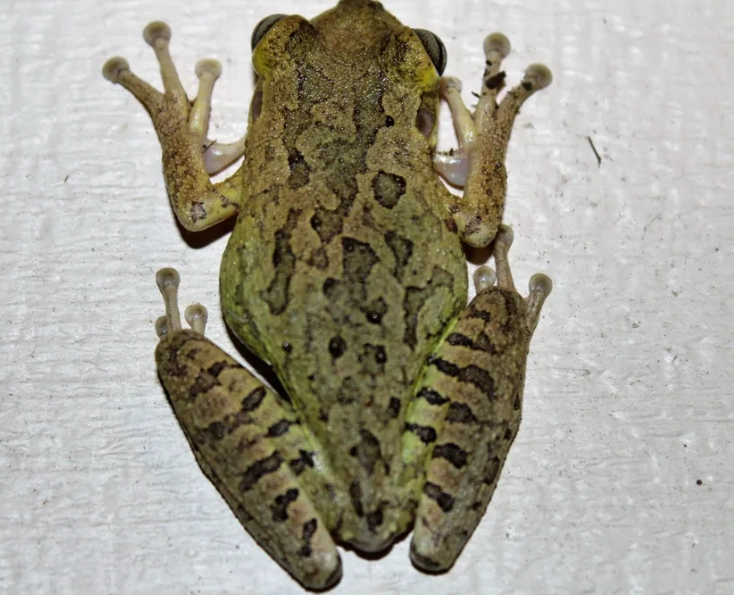
Frogs in the Pool? They fall in and can't get out. The chlorine or salt isn't good for them either. A simple, inexpensive frog log or critter ramp is a lifesaver. It's just a floating foam ramp. I put one in my pool and now I'm a frog rescue service. Feels good.
Frogs on Windows/Doors? They're hunting the insects attracted to the light. You can try using yellow "bug lights" which attract fewer insects, or just enjoy the free pest control show. Gently misting them with water if they look dry can help before they move on.
Too Much Noise? If the chorus is keeping you awake, understand it's seasonal and often tied to rain. Closing windows, using white noise, or moving a water feature farther from your bedroom can help. Removing all water sources might discourage them, but it also hurts the native species we want to encourage.
This is where it gets real. The story of tree frogs of Florida is a microcosm of broader environmental issues.
Habitat loss is the number one threat. Every drained wetland and paved-over forest fragment is a lost home. Diseases like chytrid fungus have also impacted amphibian populations globally. And then there's the invasive species issue, perfectly embodied by the Cuban tree frog.
So what can you actually do? A lot, it turns out.
I get asked these all the time. Let's clear them up.
No. None of Florida's tree frogs are poisonous to humans. Some, like the Cuban tree frog, can secrete a mild mucus that might irritate your skin or eyes (especially if you have sensitive skin or allergies), so it's wise to wash your hands after handling any frog. The rule is: look, don't lick. And always handle gently with wet hands if you must pick one up to move it.
Tree frogs have those enlarged, sticky toe pads for climbing. Their bodies are usually more slender and aerodynamic. "Regular" frogs (like leopard frogs or pig frogs) have more streamlined bodies for swimming and jumping, but not specialized climbing pads. Toads have dry, warty skin, shorter legs for hopping, and parotoid glands behind their eyes that secrete toxins. Toads are terrestrial; tree frogs are climbers.
Probably not. Many tree frogs of Florida, especially squirrel tree frogs, can change color based on temperature, humidity, and background. A green frog can turn brown if it moves to a brown tree branch. It's a camouflage trick, not an illness.
If you need to relocate one (like from inside your house), be gentle. Wear damp gloves or have wet hands to protect their sensitive skin. Gently coax it into a container without squeezing it. Release it nearby in a safe, shaded spot with cover, preferably after dusk when it's more active and less vulnerable to predators. The Florida Fish and Wildlife Conservation Commission (FWC) has general guidelines for wildlife interactions that emphasize minimal disturbance.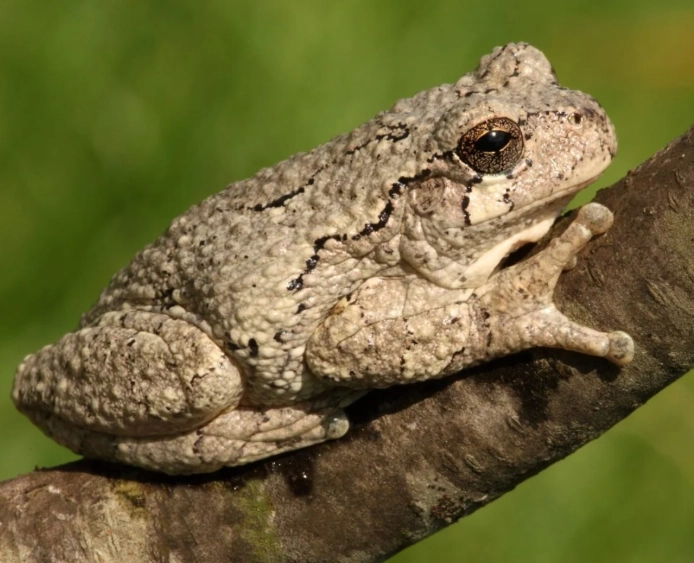
Rain triggers breeding behavior. It fills up temporary ponds (perfect for tadpoles with no fish predators) and increases humidity, which keeps their skin from drying out. So they become super active—calling, moving, looking for mates. It's their big night out.
Wrapping this up, the tree frogs of Florida are more than just background noise. They're a window into the health of our state's wild spaces, even the little ones in our backyards. From the problematic Cuban to the charming native green, each one has a story. Paying attention to them makes you a better observer of nature itself.
Next time you hear that chorus, maybe instead of just hearing noise, you'll listen for the individual voices—the quank of the green, the chatter of the squirrel, the deep donk of the barker. And if you see that familiar shape stuck to your window, you'll know exactly who's visiting, and maybe even why they chose your place.
It's a connection thing. And in a world that's often too loud and too fast, taking a minute to watch a tree frog is a pretty good way to slow down.