
Travel Tips
Lorem ipsum dolor sit amet, consectetur adipiscing elit.
You just brought home your new crested gecko. It's adorable, with those big eyes and that quirky smile. You've read they're one of the best pet reptiles for handling. So, you reach into the enclosure, eager to bond. And... it scuttles under a leaf. Or maybe it just sits there, tolerating your touch but looking like it's plotting your demise.
That's the reality check many new owners face. The simple answer to "Do crested gecks like to be held?" is this: They don't inherently enjoy it like a dog seeks petting. They are prey animals. Being scooped up by a giant, warm-blooded creature doesn't trigger joy; it triggers a survival assessment. But—and this is a crucial but—they can learn to tolerate it, and some may even appear relaxed or curious during short, calm sessions. The difference between a stressful ordeal and a neutral interaction lies entirely with you.
Think of crested geckos as individuals. I've had over a dozen in the past decade, and their temperaments varied wildly.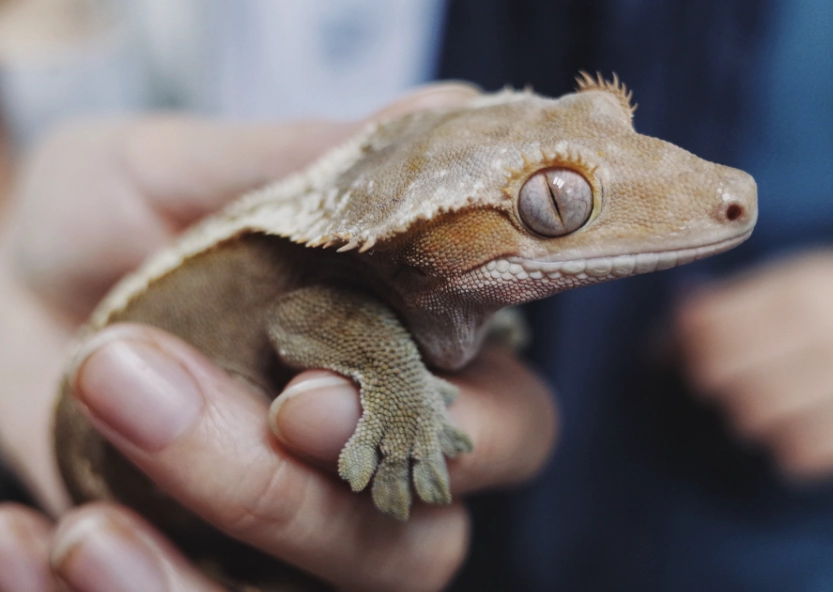
My first, Gex, was a nervous wreck for a solid year. Any sudden movement sent him leaping. Contrast that with Mango, a female I got later, who would calmly walk onto my hand during feeding time as if she owned the place. Was Mango "friendly"? Not really. She was just supremely confident and food-motivated, which made her less reactive.
Age, lineage, and past experiences shape this. A captive-bred juvenile from a breeder who does gentle, early socialization (like those following guidelines from the International Herpetological Society) will generally be calmer than a wild-caught adult (which you should never buy, anyway). But even with the best start, some are just more high-strung.
The goal isn't to force a shy gecko to become an extrovert. It's to work with the personality you have.
Ignoring stress signals is the fastest way to make your gecko hate handling. Everyone knows about tail dropping (autotomy), but that's the nuclear option. You need to catch the subtler warnings long before that.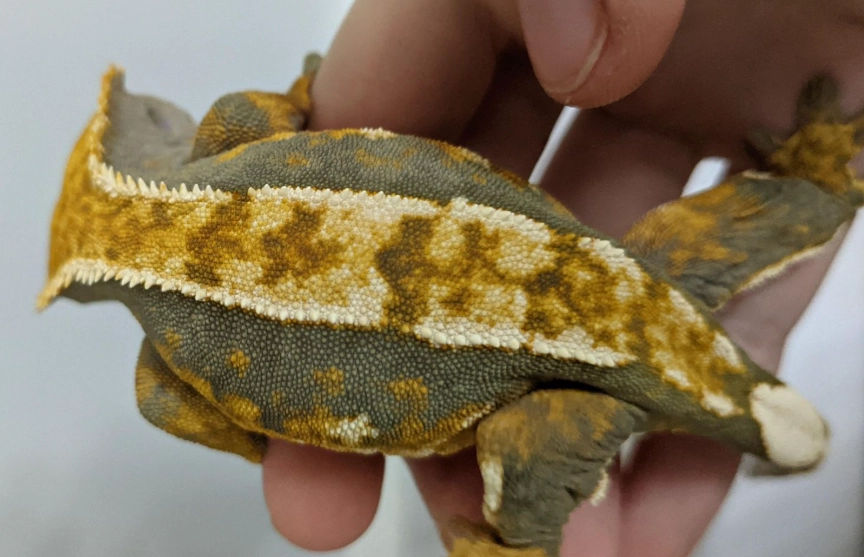
Immediate "Stop" Signs: If you see these, end the session gently but immediately.
Now, here's the nuance many miss. What about a gecko that just... freezes? Or closes its eyes? I used to think closed eyes meant contentment. Sometimes it does, in a very relaxed animal. But more often, especially in a new handling context, it's a stress response. They can't see the threat (you), so maybe it will go away. It's avoidance.
Other subtle cues:
A relaxed gecko moves deliberately. It might slowly explore your arm, flick its tongue to smell, hold its head up, and have a generally loose body posture.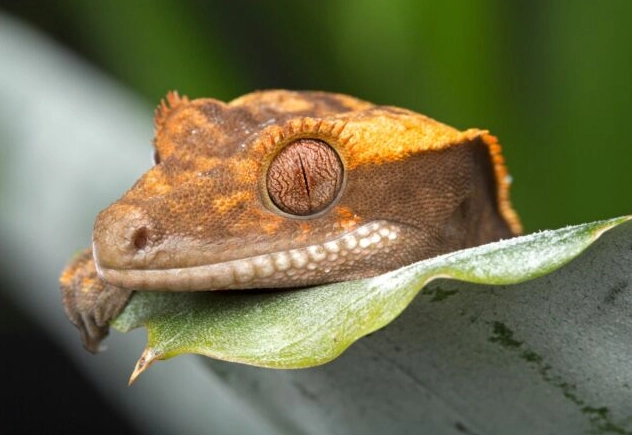
This isn't a grab-and-go operation. It's a ritual. Do it in the evening or early night when they're naturally awake. Never pull a sleeping gecko from its hide—imagine how you'd feel.
Never, ever approach from directly above. You are a bird of prey from their perspective. Always bring your hand in from the side, at their level. Move slowly and predictably. Let them see you coming. I often rest my hand, palm up, on the substrate near them for a moment before attempting any contact.
Gently slide your hand under their chest and front legs. Let their feet make contact with your skin. Use your other hand to loosely support their hindquarters if needed, but avoid gripping. The ideal is for them to choose to walk onto you. If they don't, a gentle scoop from below works. Never grab from above or pinch their body.
Sit down low over a soft surface (a bed, a couch). Let them crawl from hand to hand. Keep sessions short—2 to 5 minutes max for beginners. Your hand should be a moving platform, not a prison. If they start to walk off your hand onto your shirt, that's usually fine (as long as you're seated safely).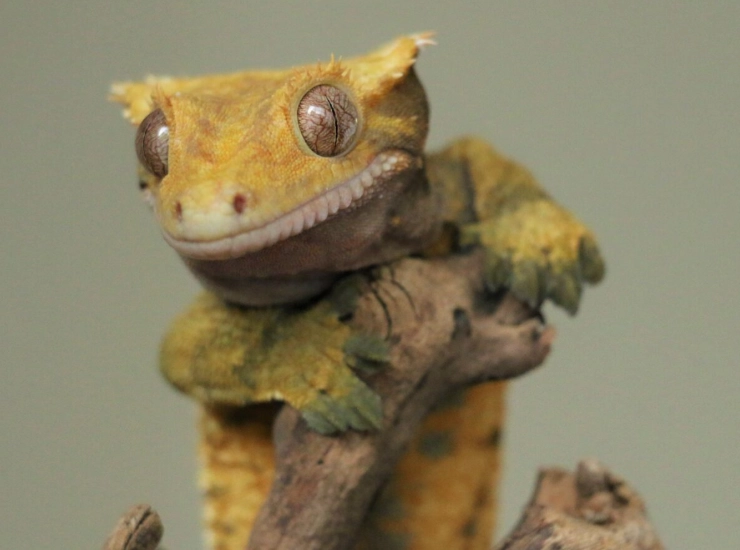
Pro Tip for Jumpers: Crested geckos are famous for their leaps. Hold your hands over your lap or a table. If they jump, they have a short, safe fall. A startled jump isn't always a sign of stress; sometimes they just see something interesting and go for it. Don't panic and make sudden grabs.
Don't just drop them back in. Lower your hand to the enclosure floor and let them walk off on their own. This creates a clear, calm end to the interaction.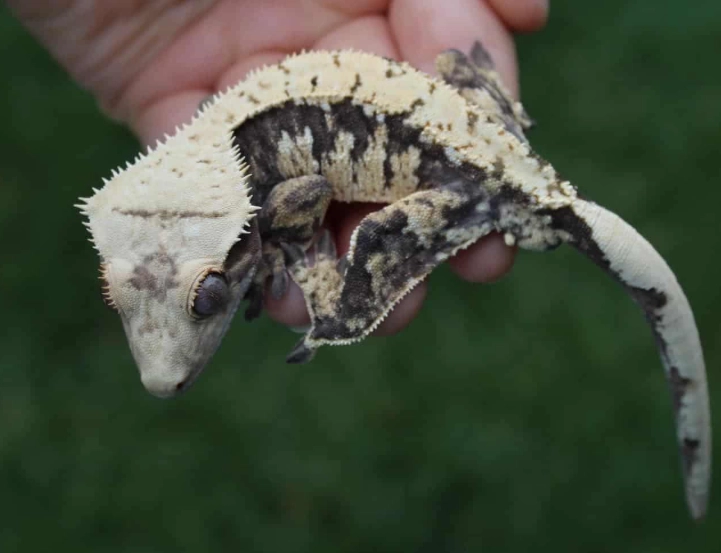
I've made most of these, so learn from my errors.
1. Handling Too Soon After Acquisition: You need to leave a new gecko completely alone for at least 7-10 days, no handling, just feeding and watering. They need to de-stress and learn their enclosure is safe. Rushing this sets you back weeks.
2. Handling for Your Schedule, Not Theirs: Daytime handling is disruptive. You're pulling them from a deep sleep. Stick to their active hours.
3. Long Sessions: More is not better. A positive 3-minute session is worth ten stressful 15-minute ones. End on a good note, before they show stress.
4. Handling Over Open Spaces: This invites a disastrous jump. Always be seated in a secure area.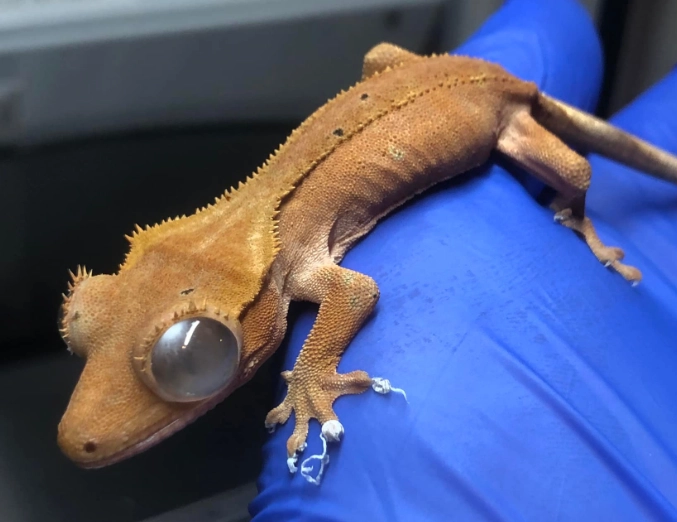
5. Punishing the Drop: If they drop their tail, don't get angry or frantic. Stay calm, gently return them to their enclosure, and give them space for a week. It's a natural defense, not spite.
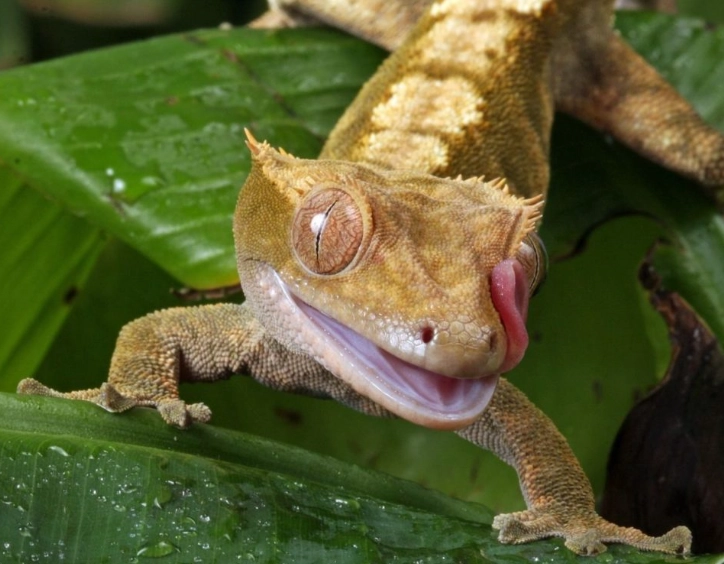
So, do crested geckos like to be held? The most accurate answer is: They can learn to accept it as a non-threatening part of their routine, and a well-socialized gecko may even seem curious during the experience. But the concept of "liking" it is a very human one. Your job isn't to be their best friend who gives cuddles. Your job is to be a safe, predictable giant who provides food, clean water, and the occasional calm, respectful adventure outside the tank. Get that right, and you'll have a healthy, fascinating pet for 15-20 years. Force the snuggles, and you'll both end up frustrated.
Start slow. Read the signals. Keep it short. Respect the individual. That's the secret to answering the handling question for your specific gecko.