
Travel Tips
Lorem ipsum dolor sit amet, consectetur adipiscing elit.
Let's cut to the chase. The often-quoted "15 to 20 years" for a crested gecko's lifespan in captivity isn't a guarantee. It's a potential. A ceiling. And whether your gecko taps into that potential or fizzles out in half the time depends entirely on you.
I've kept and bred these incredible animals for over a decade, and I've seen both ends of the spectrum. I've mourned geckos that passed at 8 years due to preventable, subtle husbandry errors, and I currently have a robust, 19-year-old female who still climbs her enclosure with gusto. The difference wasn't luck. It was a checklist of non-negotiable, often-overlooked details.
So, how long do crested geckos live? The answer is simple: as long as you let them. This article isn't just about stating a number; it's a deep dive into the actionable, often-missed factors that bridge the gap between a short-lived pet and a lifelong companion.
Forget just genetics. A hatchling from a reputable breeder might have great genes, but that's just the starting pistol. The marathon is run through daily care. Think of their lifespan as a bank account. Every proper care decision makes a deposit. Every mistake, a withdrawal. By the time you notice an overdraft, it's often too late.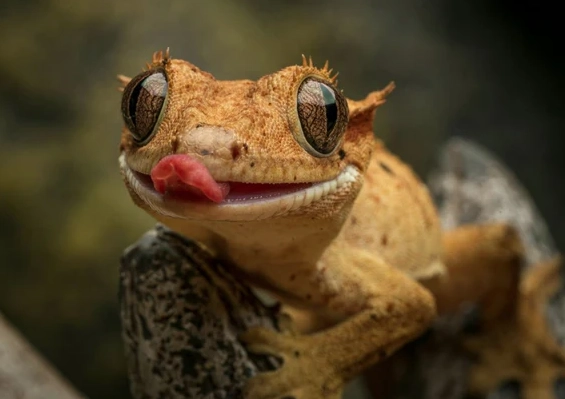
The core pillars are interconnected:
This is the biggest pitfall. The convenience of complete powdered diets (Pangea, Repashy) is a double-edged sword. They're fantastic, but they breed complacency.
The Non-Consensus View: Relying solely on a powdered diet for 20 years is possible, but risky. It assumes perfect mixing, consistent appetite, and that the gecko will self-regulate every nutrient. I supplement with appropriately sized, gut-loaded crickets or dubia roaches once every 10-14 days. Why? It provides mental stimulation, encourages natural hunting behavior, and offers a different texture and nutrient profile. My oldest gecko gets live prey. She hunts. It keeps her engaged.
Hydration is another silent killer. Crested geckos lick water droplets from leaves and glass. A water bowl is not enough. Misting needs to create droplets large enough to drink, not just raise humidity. I aim for a heavy mist that soaks the enclosure every evening, simulating a real rainforest dewfall. Inconsistent misting leads to chronic, low-level dehydration stressing their kidneys.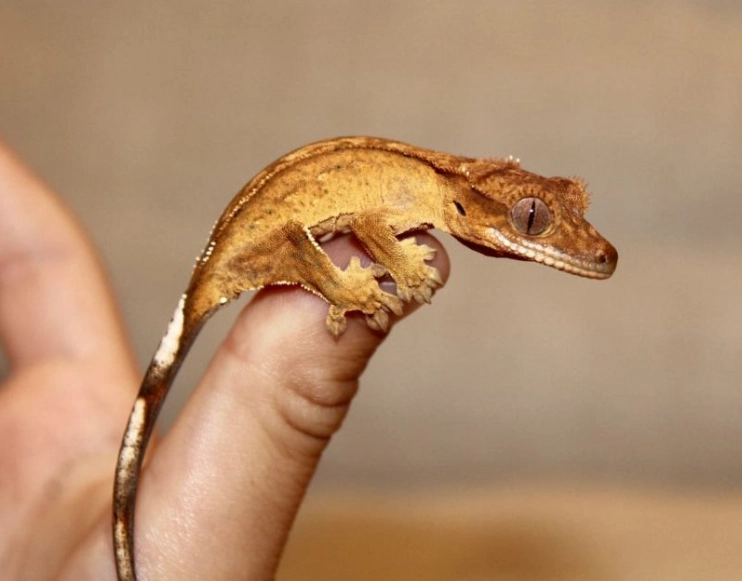
Temperature and humidity aren't just numbers on a gauge. Fluctuations are stress. Stress weakens the immune system over years.
Here's a specific, often missed detail: nighttime temperature drop. Crested geckos do not need 24/7 tropical heat. A drop to 68-70°F (20-21°C) at night is not just acceptable; it's beneficial. It simulates their natural environment in New Caledonia and allows their metabolism to rest. Constantly keeping them at 75°F (24°C) is unnatural and can accelerate cellular aging.
Humidity spikes are crucial, but the tank shouldn't stay wet. It must dry out. Consistently damp substrate breeds bacteria and fungal spores that can lead to respiratory infections over time.
You won't find this in most care sheets: Quarantine is not just for new arrivals. If you handle other reptiles or amphibians, practice basic hygiene. A simple handwash can prevent the spread of pathogens.
Finding a good reptile vet before you have an emergency is a deposit in the lifespan account. Annual check-ups for an adult gecko might seem excessive, but they can catch parasites like cryptosporidium, which is often fatal and can be carried asymptomatically.
Genetics matter, but you control the purchase. Avoid geckos from chronic inbreeding or massive breeding mills. A gecko from a breeder focusing on health and temperament over extreme morphs often starts with a stronger constitution.
Let's move from theory to a daily, weekly, and monthly action plan.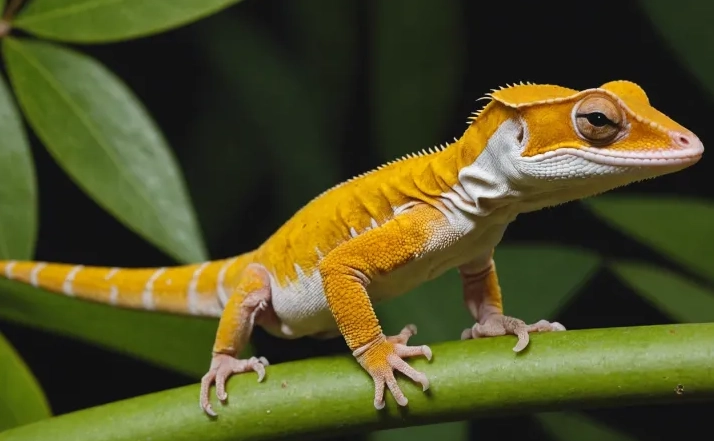
| Factor | Optimal Range | Why It Matters for Lifespan |
|---|---|---|
| Daytime Temperature | 72-78°F (22-26°C) | Higher temperatures (consistently above 80°F/27°C) drastically increase metabolic rate, burning energy reserves faster and stressing organs. |
| Nighttime Temperature Drop | 65-72°F (18-22°C) | Mimics natural cycles, promotes better sleep, digestion, and hormonal regulation. Skipping this is a common, subtle stressor. |
| Humidity Cycle | Spike to 80%+, drop to 50-60% | A constant 70% humidity does not trigger drinking and shedding behaviors effectively. A sharp spike followed by a dry-out period is essential. |
| Enclosure Size (Adult) | 18x18x24" Min (45x45x60cm) | Chronic confinement in small tanks limits exercise, leading to fatty liver disease and muscle atrophy over years. |
| Calcium & Vitamin D3 | Always available in tank | This is the #1 lifespan shortener. Not providing a pure calcium supplement (without D3) freely available at all times leads to Metabolic Bone Disease (MBD). |
The UVB Debate (My Take): Most care sheets say UVB is optional. I disagree for a gecko you want to live two decades. Low-level, low-output linear UVB lighting (like a ShadeDweller 7% or a low-output forest bulb) for 10-12 hours a day does two critical things: it allows them to self-regulate their D3 production (preventing overdose from powdered supplements) and it fundamentally improves their calcium metabolism in a way we still don't fully understand. It's not about basking; it's about biological function. My oldest geckos have always had access to gentle UVB.
These aren't the obvious "no heat" mistakes. These are the slow, cumulative errors.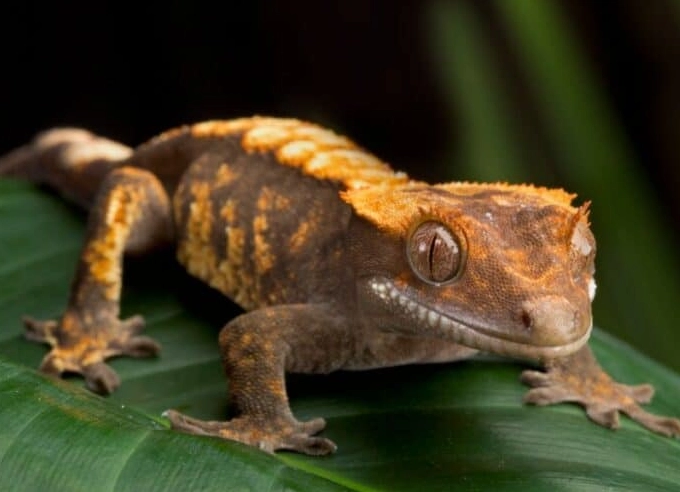
Mistake 1: The "Set and Forget" Humidity Gauge. You mist twice a day, the digital hygrometer reads 70%. Perfect? Not really. That gauge might be stuck in one place. You need to see condensation on the glass in the morning, and see it mostly disappear by afternoon. Use your eyes and touch the substrate. The top layer should feel dry between mistings. Constant dampness is a recipe for scale rot and respiratory infections.
Mistake 2: Feeding the Same Diet Powder Every Day. Variety isn't just the spice of life; it's a nutritional safety net. Even the best complete diets can have batch variations. Rotating between two high-quality brands (e.g., Pangea and Repashy) every few months ensures a broader spectrum of vitamins and amino acids. I've seen geckos get "bored" and start eating less, leading to a slow decline.
Mistake 3: Overhandling, Especially at Night. Crested geckos are nocturnal. Handling them during their prime activity hours in the evening is incredibly stressful. Keep handling to a minimum, always during the day for short periods, and let them settle back into their environment well before lights go out.
Aging isn't a disease. An 8-year-old crested gecko isn't old; it's middle-aged. A 12-year-old is getting on. Their needs shift subtly, and recognizing this is key.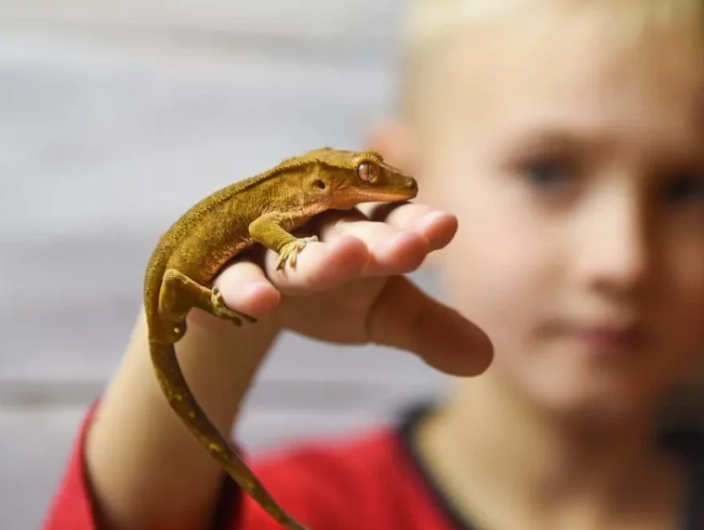
I remember my first crested gecko, Gex. I was meticulous about temperature but naive about humidity consistency. I'd let it swing from 90% down to 40% over a day. She developed a mild, recurring respiratory issue that the vet said likely stemmed from chronic low-grade stress on her system. She lived to 14, which is good, but not her full potential. I learned that lesson the hard way.
Let's look at a realistic timeline based on care quality:
Poor Care Scenario ("Survival Mode"): 5-10 years. This is characterized by unstable temperatures, chronic dehydration, a poor or monotonous diet leading to MBD, and frequent stress. Organ failure, severe MBD, or opportunistic infections are common causes.
Average Care ("Pet Mode"): 10-15 years. This is what many geckos achieve. Their needs are mostly met, but there are chronic minor stressors: inconsistent night-time drops, a diet lacking in variety, occasional missed mistings leading to mild dehydration cycles. They live a full life but may show signs of aging earlier, like reduced activity or minor arthritis.
Optimal Care ("Lifespan Mode"): 15-20+ years. This is the goal. It requires attention to the details outlined above: environmental rhythm, dietary variety, and proactive, preventative health.
The oldest reliably reported crested gecko I know of was 26. That's the exception, not the rule. But aiming for 20+ is absolutely within the realm of possibility if you treat their care not as a chore, but as a long-term investment in a living being.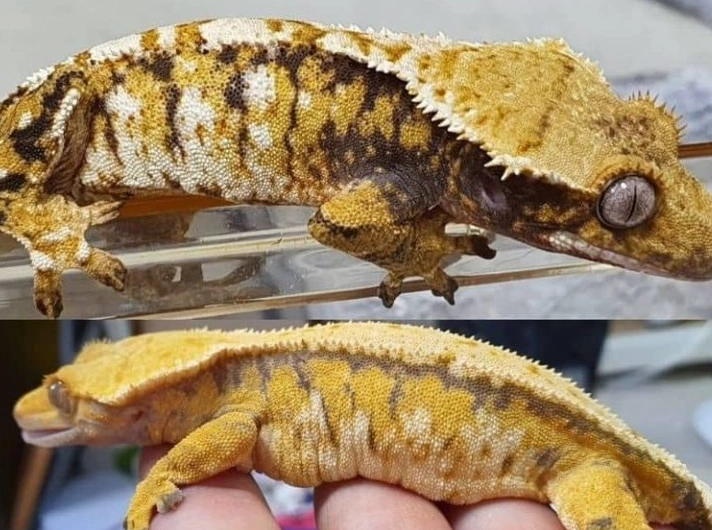
The question isn't "How long do crested geckos live?" It's "How long do you want your crested gecko to live?" Every choice you make in their care deposits into that longevity bank account. Start making the right deposits today.