Key Insights
So, you've got a pet crested gecko, or you're thinking about getting one, and a question pops into your head. A pretty big one. How long would these little guys actually make it out there, in the real world? The
I remember when I first got into reptiles, I read all these care sheets boasting about 15-20 year lifespans in captivity. It felt like a win, you know? Like we'd cracked the code. But then I started digging into the research, talking to folks who've been to New Caledonia, and a different, more complicated picture emerged. The wild isn't a safe, temperature-controlled tank with a nightly buffet of insects. It's brutal, beautiful, and short. That contrast is what makes this topic so fascinating.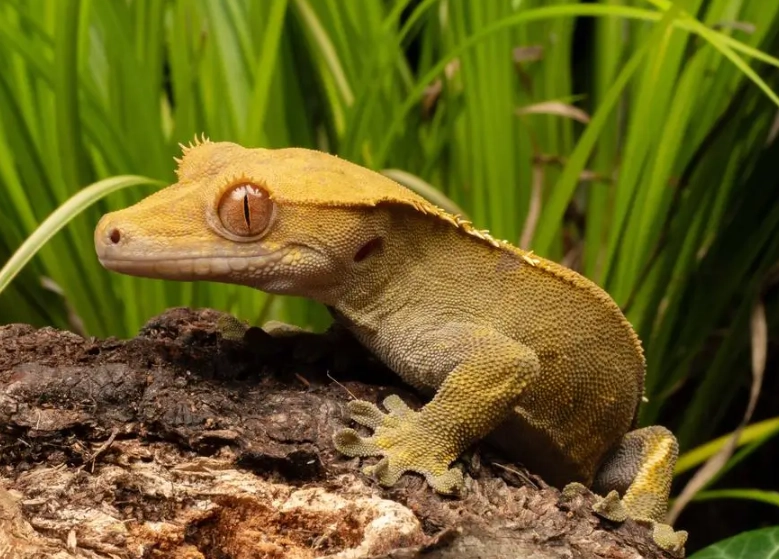
Key Takeaway: The average
Setting the Stage: Life in the Treetops of New Caledonia
You can't talk about lifespan without understanding where they live. Crested geckos (Correlophus ciliatus) are endemic to New Caledonia, a group of islands in the South Pacific. Think dense, humid rainforests. They're arboreal, meaning their world is the vertical one of tree trunks, branches, and the dense canopy. This habitat dictates everything—their sticky toe pads, their diet, and their constant game of hide-and-seek with death.
Their days are spent tucked into tree hollows, under loose bark, or nestled within clusters of leaves, avoiding the heat. Night is when they come alive, foraging for food. But they're not at the top of the food chain. Not even close. In that lush, green world, a
The Predator Parade: Why Most Don't Make It Past Year One
This is the single biggest factor. It's the reason the numbers are so dramatically different. In captivity, the biggest threats are usually metabolic bone disease from poor diet or respiratory infections from incorrect humidity. In the wild, it's a literal eat-or-be-eaten world.
- Birds: This is the big one. New Caledonia has native birds like the New Caledonian crow, which is notoriously intelligent and a known predator of small reptiles. Owls and other nocturnal birds hunt at the same time the geckos are active.
- Snakes: Several snake species call New Caledonia home, and a slow-moving gecko clinging to a branch is a perfect meal.
A Harsh Reality: Studies of similar small lizard populations suggest that over 80% of hatchlings do not survive their first year. Most are picked off by predators before they even reach a fraction of their potential size. This extreme juvenile mortality is the primary driver behind the short average
- Introduced Species: This is where human impact turns the dial to "brutal." Rats, cats, and fire ants, brought by human activity, are devastating for native wildlife. These invasive predators often have no natural controls and are exceptionally efficient hunters. The impact of invasive species on island ecosystems like New Caledonia is well-documented by conservation bodies like the International Union for Conservation of Nature (IUCN).
- Larger Geckos & Other Reptiles: Cannibalism and intra-species predation can occur, especially with larger individuals targeting smaller ones.
Imagine being a hatchling the size of a paperclip, in a forest full of things that want to eat you. That's the start of every wild crested gecko's life.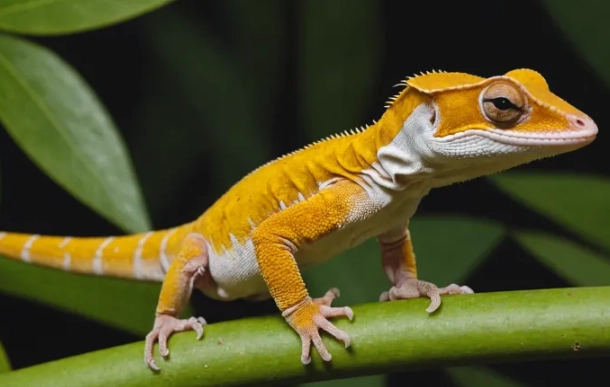
So, What's the Actual Number? The Lifespan Estimate
Here's the thing—nobody has followed a population of wild crested geckos from birth to death for decades. Getting that data in a dense, remote rainforest is nearly impossible. So, scientists and herpetologists use a combination of methods: comparing them to closely related species with known lifespans, studying growth rates from captured individuals, and looking at captive data to understand their biological potential.
The consensus among experts is that the average crested gecko lifespan in the wild is likely between 3 to 5 years.
Let that sink in. Three to five years. In your home, with proper care, they can easily live 15-20 years. The contrast is staggering. This "average" is pulled down dramatically by the huge number that die as juveniles. However, for the lucky, smart, or elusive individuals that survive past that critical first year or two, their potential lifespan increases significantly. It's believed that the oldest wild individuals might reach 8-10 years, but these are the rare exceptions, the forest's veterans.
Breaking Down the Challenges: A Wild Gecko's Lifetime Checklist
Predation is the headline, but it's not the only challenge that shapes a
- Food Scarcity & Diet: They don't have a bowl of CGD (Crested Gecko Diet) waiting every night. Their wild diet is a mix of soft fruits, nectar, pollen, and the occasional insect. Food availability changes with seasons. A drought or a poor fruiting season can mean starvation or weakened individuals more susceptible to disease.
- Disease and Parasites: In the wild, they're exposed to a natural suite of parasites and pathogens. A heavy parasite load can drain energy, reduce growth, and make them easier targets. There's no vet to administer dewormer.
- Habitat Loss: This is the slow, creeping threat. Deforestation for logging, agriculture, and mining in New Caledonia fragments their habitat. A smaller habitat means less food, more competition, and increased exposure to predators and the elements. Organizations like Conservation International work on habitat preservation globally, highlighting the importance of intact ecosystems.
- Climate & Severe Weather: Cyclones are a fact of life in the South Pacific. A major storm can devastate a local population, destroying the trees and microhabitats they rely on for shelter and food.
Captive vs. Wild: A Side-by-Side Comparison
This is where it all becomes clear. Looking at the two environments side-by-side shows exactly why our pet geckos often become geriatric, while their wild cousins live fast-paced, high-risk lives.
| Factor | Wild Environment | Captive Environment | Impact on Lifespan |
|---|---|---|---|
| Predation | Constant, high threat from birds, snakes, rats, etc. | Virtually non-existent. | Wild: Drastically reduces average lifespan, especially for juveniles. Captive: Removes the single biggest cause of early death. |
| Food Supply | Seasonal, varied, requires foraging. Risk of scarcity. | Consistent, nutritionally complete (CGD, insects). | Wild: Can lead to malnutrition or starvation. Captive: Promotes optimal growth and health. |
| Healthcare | None. Must cope with parasites/injuries alone. | Veterinary care available for injuries/illnesses. | Wild: Minor issues can become fatal. Captive: Many health problems can be treated, extending life. |
| Environmental Stability | Subject to storms, droughts, temperature fluctuations. | Temperature & humidity controlled in an enclosure. | Wild: Environmental stress can weaken individuals. Captive: Reduces stress and metabolic strain. |
| Reproductive Pressure | High. Necessary to ensure species survival despite high mortality. | Controlled by keeper. Can be limited to prevent stress. | Wild: Frequent breeding can drain resources from the female. Captive: Breeding can be managed for the health of the animal. |
It's not that captivity is "easy"—it requires knowledge and diligence—but it systematically removes the existential threats that define a wild existence.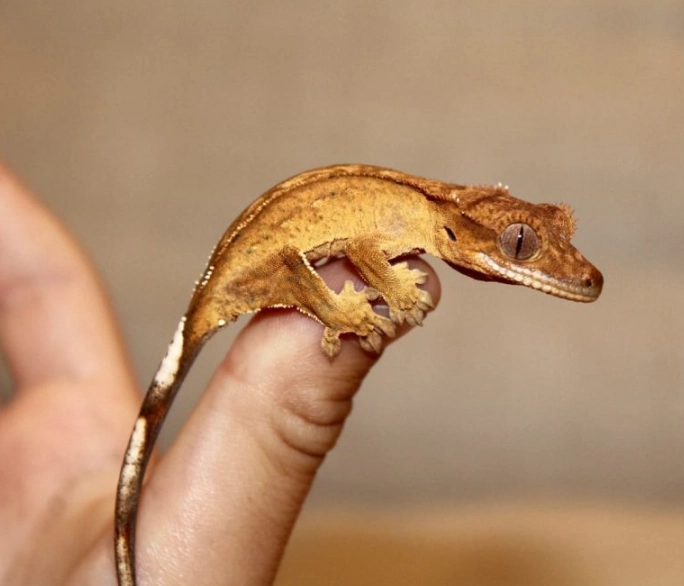
What This Means for You as a Crested Gecko Owner
Understanding the
First, it gives you perspective. That gecko dozing in its cork tube is the descendant of survivors. Its instincts—to hide, to be most active at night, to eat a varied diet—are all adaptations to that dangerous wild world. When it jumps unexpectedly (the infamous "crestie leap"), that's a predator-avoidance instinct. We're providing sanctuary from that world.
Second, it highlights our responsibility. If we're removing the predators and the famine, the onus is on us to not introduce new, captive-bred threats. The two biggest killers in captivity are entirely preventable:
- Improper Nutrition: Feeding only insects or only fruit baby food without the complete vitamins/minerals found in a commercial CGD or a properly supplemented diet leads to Metabolic Bone Disease (MBD). This is a slow, painful crippler. In the wild, their varied foraging likely prevents this.
- Incorrect Environment: Low humidity leads to fatal shedding problems (dysecdysis). In the wild, the rainforest humidity is constant. Too cold, and their digestion and immune system fail.
Our job is to replicate the beneficial parts of the wild (humidity, climbing space, diet components) while eliminating the bad (predation, starvation, parasites).
I've seen too many geckos in rescues with severe MBD—their jaws rubbery, their limbs bent. It's heartbreaking because it's so unnecessary. Knowing how tough the wild is makes these captive-born ailments feel like a profound failure on our part.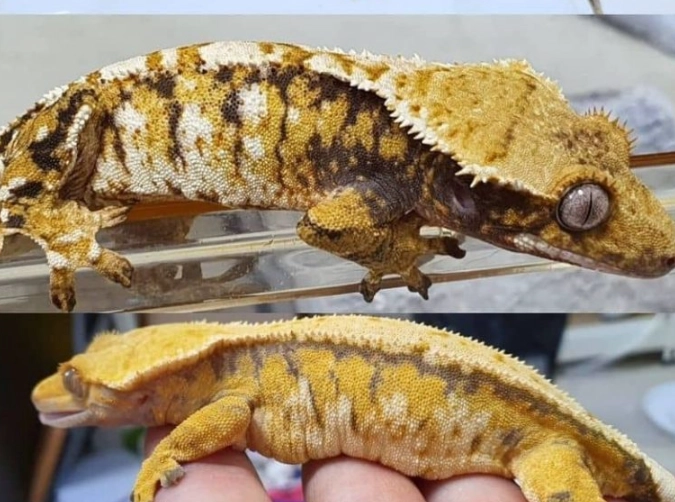
Conservation Status and the Wild Population
Crested geckos were thought to be extinct until they were rediscovered in 1994. That's a remarkable story. Because of that, they're considered to be a species of conservation concern. The conservationists I've spoken to are worried about the same things that shorten the
The wild population is fragmented and likely declining in places. While the pet trade is now supplied almost entirely by captive-bred animals (which is a good thing), the survival of the species in its native habitat is not guaranteed. Protecting the forests of New Caledonia is protecting the possibility of a future where crested geckos continue to have a wild lifespan, however brief it may be.
You can find their official conservation status on resources like the IUCN Red List website, which tracks the conservation status of species worldwide.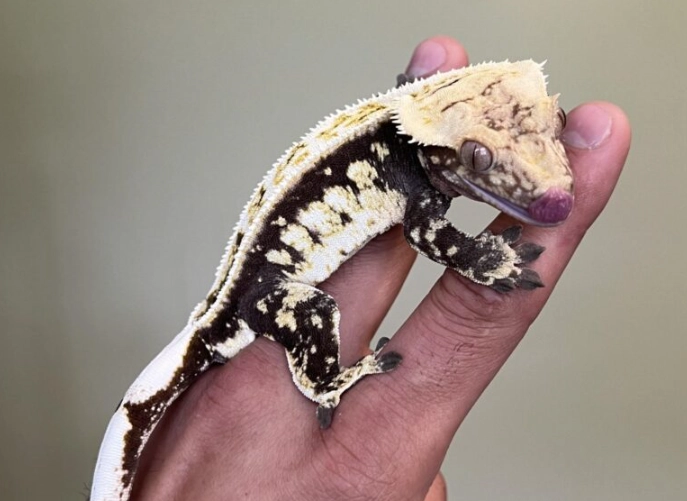
Common Questions About Wild vs. Captive Lifespan
If they only live 5 years in the wild, why do we aim for 15+ in captivity? Isn't that unnatural?
It's a great question. We're not trying to make them "unnatural." We're removing the extreme, limiting factors (predation, starvation) that keep the average so low. The 15+ year potential is their biological potential, which is only revealed when the external threats are removed. It's like how humans in the modern world live much longer than our ancestors not because we're biologically different, but because we've controlled disease, starvation, and violence. We're giving them the chance to reach their full, natural lifespan potential.
Could a captive-bred gecko survive if released into the wild?
Absolutely not. This is crucial. A captive-bred gecko has none of the necessary survival skills. It doesn't know how to hunt live prey effectively, avoid the vast array of predators, or find shelter from a cyclone. It has no immunity to local parasites. Releasing a pet gecko (or any animal) into a non-native environment is ecologically irresponsible and almost always a death sentence for the animal. It's also illegal in many places. The idea of a "crested gecko lifespan in wild" conditions is irrelevant for a captive-bred pet; it would be zero.
Does a longer captive lifespan mean they're healthier or happier?
Longer life generally indicates the absence of fatal disease and good basic care. But it doesn't automatically equal happiness or thriving. A gecko can live a long time in a barren, small tank. Our goal should be quality of life—providing mental and physical stimulation through a complex enclosure with plenty of climbing space, hiding spots, and visual barriers. Enrichment is key. A long, boring life isn't the goal. A long, engaged, and healthy life is.
How can I use this knowledge to be a better keeper?
Respect their wild origins. Provide vertical space to climb. Maintain high, consistent humidity. Offer a nutritionally complete diet (CGD is a lifesaver here). Most importantly, observe them. Learn their habits. That hiding instinct isn't them being "shy"; it's them being a gecko. By understanding the pressures that shaped them, we can create a captive environment that allows them to express natural behaviors safely, which is the ultimate goal of good husbandry.
The story of the
Reader Comments