
Travel Tips
Lorem ipsum dolor sit amet, consectetur adipiscing elit.
So you're scrolling online or walking through a reptile expo, and you see this adorable little lizard with a tail that looks like a plump sausage. It's downright cute. And the question pops into your head: what kind of gecko has a fat tail like that? Is it just one type, or are there a few? Well, you've come to the right place. I've been keeping reptiles for years, and the fat-tailed crew has always had a special spot in my heart (and my reptile room).
The short answer is that several geckos can have robust tails, but one group truly owns the "fat tail" as its defining feature. The most famous answer to "what kind of gecko has a fat tail" is, without a doubt, the African Fat-Tailed Gecko (*Hemitheconyx caudicinctus*). But here's where it gets interesting. Their popularity has sort of made "fat-tailed gecko" a generic term for some folks. You'll also see people asking if a Leopard Gecko has a fat tail (it does, when healthy!), and there are other, rarer species out there too. It can get confusing.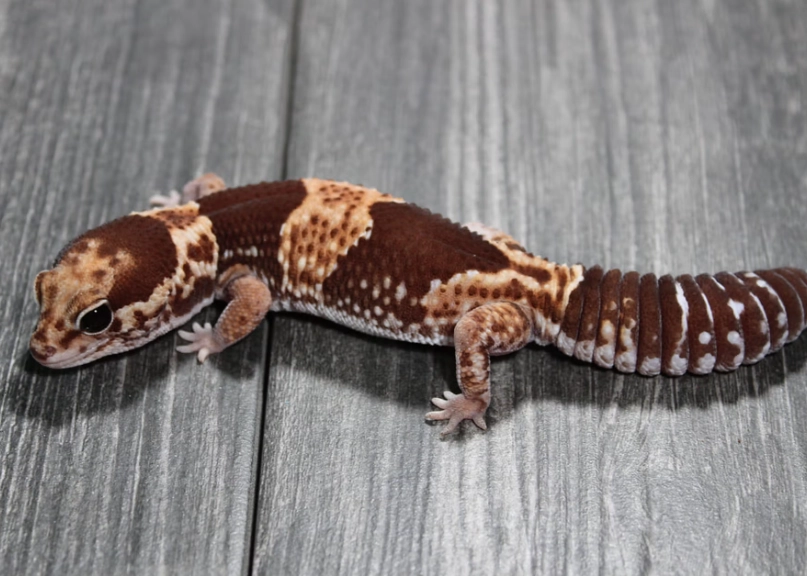
This guide isn't just a dry list. We're going to dig into the lives of these fantastic lizards. We'll figure out who's who, why their tails get so chunky, what it's really like to care for them, and how to choose the right one for you. I'll even share a few things I wish I knew before I got my first fat-tailed gecko years ago. Some of it was trial and error, I won't lie.
Let's start with the star of the show. When a seasoned reptile keeper hears "what kind of gecko has a fat tail," their mind usually goes straight to the African Fat-Tail, or AFT for short. I remember getting my first one, a normal phase I named Tokay (before I knew how feisty real Tokay geckos are!). I was struck by how different its vibe was from my Leopard Geckos.
Native to West Africa, from Senegal to Cameroon, these guys are ground-dwellers. They're nocturnal, spending their days hiding in moist burrows or under logs. That right there is a key to their care—humidity. Their tail is their lifeline. It's not just for show. In the wild, during dry seasons or times when food is scarce, they live off the fat and water stored in that tail. A plump tail is a sign of a healthy, well-fed gecko. A skinny tail is a major red flag.
Appearance-wise, they're often confused with Leopard Geckos, but there are tells. AFTs are generally a bit stockier. Their patterning is usually bands—brown or tan bands on a lighter background—rather than spots. Their bellies are pale. But the most reliable difference? Their toes. Unlike Leopard Geckos, they lack sticky toe pads and have small claws instead, perfect for their terrestrial lifestyle.
Personality is where they shine for many owners. In my experience, and many breeders agree, AFTs are often more relaxed and less skittish than the average Leopard Gecko. They seem content to just hang out in your hand. Of course, individuals vary, but the trend is toward being a real "pet rock" in the best way possible.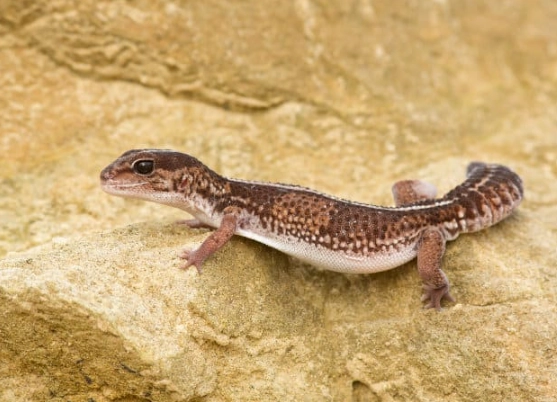
Okay, so you're smitten with the idea of an AFT. What do they need to thrive? It's not complicated, but attention to a few details makes all the difference.
Housing: A 20-gallon long tank is the minimum for one adult. They don't climb much, so floor space is king. You'll want a secure lid, though, for ventilation and safety. Substrate is a topic of debate. I've used paper towel for juveniles (easy to clean) and switched to a mix of topsoil and play sand for adults, which holds burrows and humidity better. Never use loose sand alone—it can cause impaction.
Temperature & Humidity: This is crucial. They need a thermal gradient. A warm side with an under-tank heater or heat mat regulated by a thermostat at about 88-90°F (31-32°C), and a cool side around 75°F (24°C). Nighttime drops are fine. Humidity should be higher than for a Leopard Gecko—aim for 50-60% ambient, with a humid hide at 70-80%. That humid hide is non-negotiable for proper shedding.
Diet: They're insectivores. Staple feeders are crickets, dubia roaches, and mealworms. Dust them with a calcium supplement (with D3 if no UVB light is provided) and a weekly multivitamin. Variety is good for their health. Feed juveniles daily, adults every other day. And always, always gut-load your feeder insects with nutritious veggies 24 hours before feeding.
For authoritative care guidelines, the Reptifiles African Fat-Tailed Gecko Care Guide is an exceptionally detailed and scientifically-backed resource I often recommend. It aligns well with advanced keeper practices.
This is the big mix-up. People see a Leopard Gecko (*Eublepharis macularius*) with a nice, thick tail and think, "Ah, a fat-tailed gecko!" And technically, they're not wrong—the tail is fat. But in the reptile community, "Fat-Tailed Gecko" specifically refers to the African species.
Leopard Geckos also store fat in their tails. A healthy adult Leopard Gecko's tail should be nice and plump, often as wide or wider than its head. So if you're asking "what kind of gecko has a fat tail" in a general health sense, both do! But the Leopard Gecko's tail tends to be more segmented and bulbous, while the AFT's is smoother and more sausage-like.
Leopard Geckos are from arid, rocky regions of Afghanistan, Pakistan, and India. This means their humidity requirements are lower (30-40%). They're also more commonly bred in a dizzying array of color and pattern morphs—something the AFT world is catching up on, but hasn't quite matched yet. Personality-wise, they're often more active and "quirky" in my opinion. I've had some that were handleable angels and others that were determined to escape at every opportunity.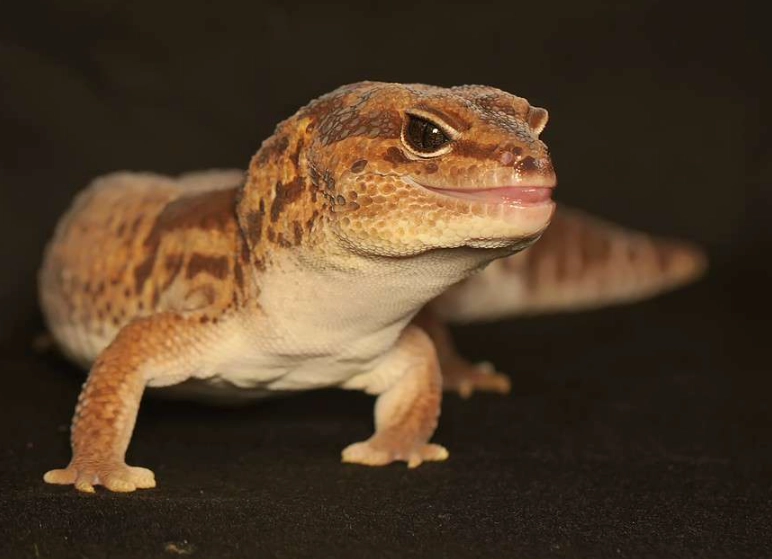
So, to directly answer the common query: Does a Leopard Gecko have a fat tail? Yes, a healthy one absolutely should. But it is not "the" Fat-Tailed Gecko. That title belongs to its cousin from across the continent.
The world of geckos is vast. While the AFT is the poster child, a few other species sport impressive tail storage. They're less common in the pet trade, but worth knowing about if you're a true enthusiast.
For detailed taxonomic information on these and other gecko species, the Animal Diversity Web entry on Gekkota (the infraorder containing all geckos) from the University of Michigan Museum of Zoology is a fantastic, authoritative reference.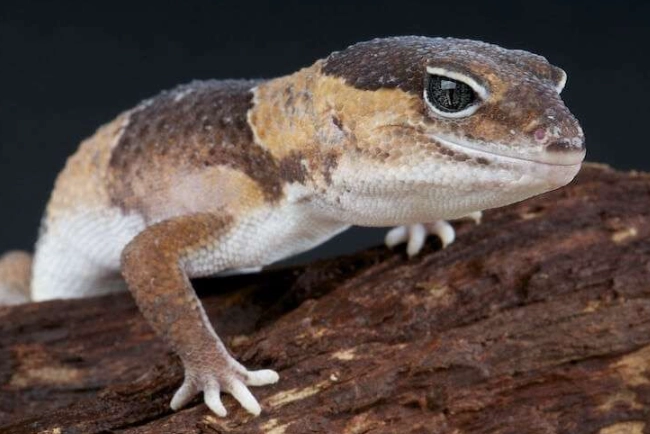
Let's make this crystal clear. Here’s a table breaking down the key differences. This is the kind of comparison I looked for when I was deciding between them.
| Feature | African Fat-Tailed Gecko (*Hemitheconyx caudicinctus*) | Leopard Gecko (*Eublepharis macularius*) |
|---|---|---|
| Origin | West Africa (more humid savannah/forest edges) | South Asia (arid, rocky grasslands) |
| Primary Tail Shape | Smooth, uniform "sausage" | Segmented, bulbous (like a row of beads) |
| Typical Patterning | Brown/tan bands running across the body | Spots and blotches ("leopard" pattern) |
| Toes | Small claws, no sticky pads | Small claws, no sticky pads |
| Average Temperament | Often very calm, docile, less prone to dropping tail | Generally docile but can be more active/skittish; tail-dropping more common |
| Key Humidity Need | Higher: 50-60% ambient, 70-80% in humid hide | Lower: 30-40% ambient, moist hide for shedding |
| Morph Variety in Pet Trade | Growing, but less diverse (Normal, Striped, White Out, etc.) | Extremely diverse (Albinos, Blizzards, Enigmas, etc.) |
| Activity Peak | Nocturnal | Crepuscular/Nocturnal (dawn/dusk active) |
See? Different continents, different needs, different personalities.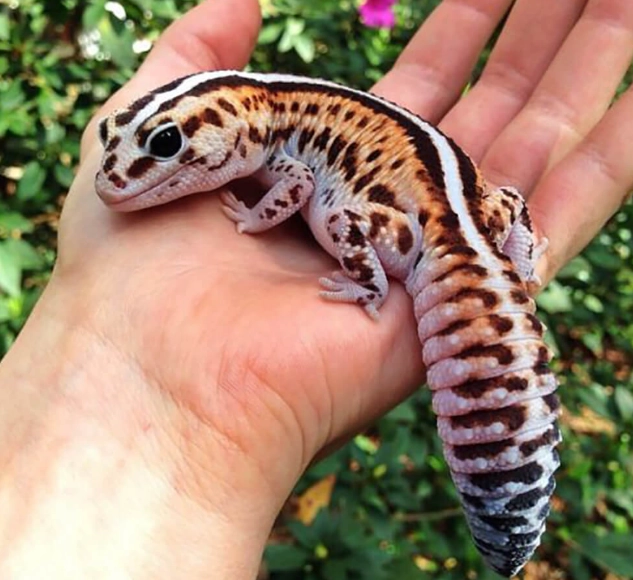
It's a brilliant survival strategy. Think of their tail as a built-in pantry and canteen. In their native habitats, food and water aren't always a guaranteed daily delivery. There are dry seasons, droughts, periods where insects are scarce.
The tail is where they store energy in the form of fat. It's also a reservoir for water. When times get tough, their body slowly metabolizes these stores to keep them alive. This adaptation allows them to survive in environments with fluctuating resources. It's so efficient that a gecko with a full tail can survive for weeks without food (though this is never a recommended practice in captivity!).
The tail also has a secondary, less happy function: it can be dropped. This is called autonomy. If a predator grabs them, the tail can detract, wriggle distractingly, and let the gecko escape. The lost tail will regrow, but it often looks different—more stumpy, less perfectly formed, and it won't store fat as effectively. That's why minimizing stress to prevent tail drops is so important.
Let's say you're sold. You want to bring one of these chubby-tailed friends home. Here's a step-by-step mindset, not just a checklist.
This is the golden rule. Have the enclosure fully set up, heated, and running for at least 24-48 hours before you get the gecko. This lets you dial in the temperatures and humidity perfectly. Nothing is worse than bringing a delicate animal home to a cold, unprepared tank.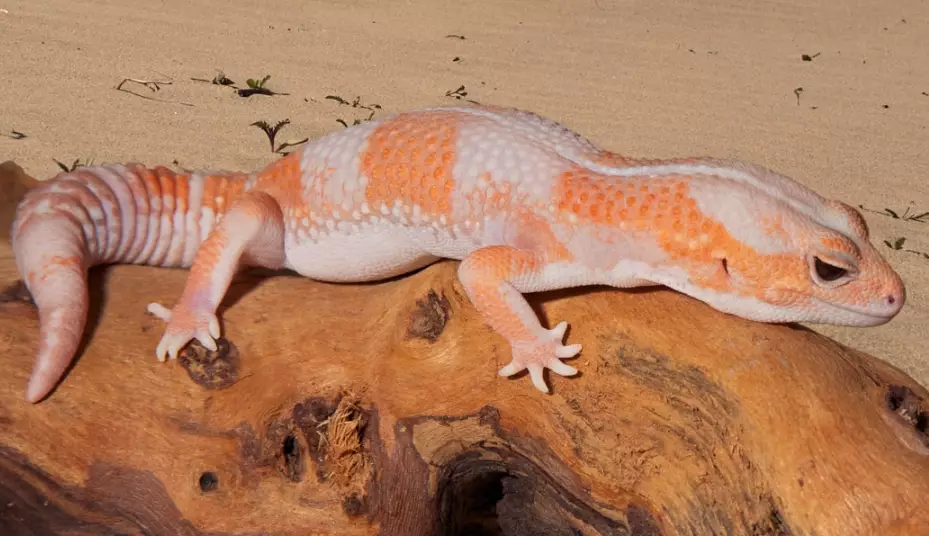
Whether at an expo or a breeder's website, look for these signs:
Leave it alone. Seriously. Place it in the prepared enclosure with food and water, and just let it be. No handling. This quarantine period reduces stress and lets it acclimate. It might not eat for a few days—that's normal. Just keep offering appropriately sized food every evening.
Generally, no. Housing geckos together, especially males, leads to fighting, stress, and injury. One male will dominate resources. Even females can sometimes squabble. The safest, least stressful setup is one gecko per enclosure. Cohabitation is a risk that offers no benefit to the geckos.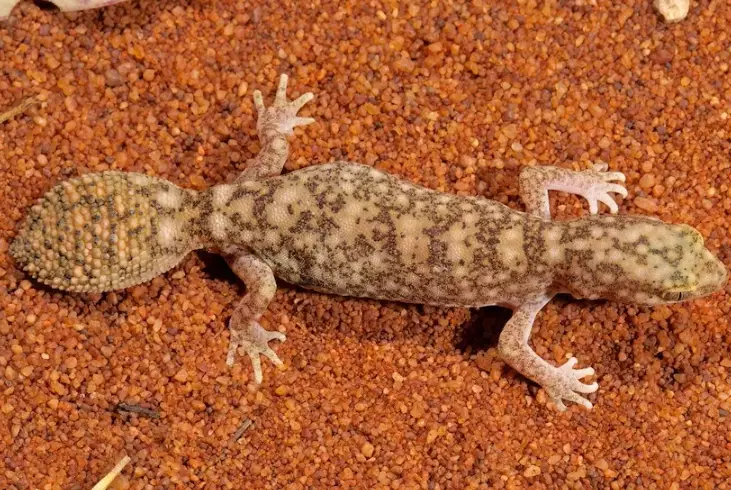
First, don't panic, but do act. Systematically check: Is it eating? Are the temperatures correct (especially the warm side)? Is it being bullied by a tank mate? Are you feeding/gut-loading properly? Has there been a recent major stressor? If husbandry seems perfect and the tail loss continues, a visit to a reptile veterinarian to check for parasites (like crypto) is essential.
With proper care, both African Fat-Tailed and Leopard Geckos are remarkably long-lived. A lifespan of 15-20 years is common, with some pushing past 25. This is a long-term commitment, not a short-term pet.
This is a modern shift in care thinking. While they can survive without it if supplemented properly with D3, providing low-level UVB (like a ShadeDweller or 5.0 T5 tube) is now considered best practice. It aids in calcium metabolism, strengthens the immune system, and promotes more natural behavior. I made the switch a few years ago and noticed a positive difference in activity levels.
For the most current, science-based recommendations on reptile lighting—a complex topic—the UVGuide UK site, while older, provides foundational physics, and the Facebook group "Reptile Lighting" is where many advanced keepers and breeders discuss latest practices.
Both Leopard Geckos and African Fat-Tailed Geckos are excellent beginner reptiles. They are hardy, have straightforward diets, and don't require massive enclosures. Between the two, Leopard Geckos have a slight edge for a total novice simply because their lower humidity requirement is one less variable to worry about. But if you're diligent about that humid hide, an AFT is just as good a choice. Their calmer demeanor might even be better for a nervous first-time handler.
It's not just one. It's a whole fascinating adaptation shared by a few wonderful species, led by the charming African Fat-Tailed Gecko. Understanding why their tails are fat is the key to keeping them healthy. It's a visual reminder of where they come from and what they need from us.
Choosing between an AFT and a Leopard Gecko comes down to your preference for look, temperament, and your willingness to manage slightly higher humidity. You can't go wrong with either as a first reptile, as long as you do the setup first and let that fat tail be your guide to their well-being.
I still get a kick out of watching my AFTs waddle across their enclosures, their robust tails swaying gently behind them. They're a constant, living lesson in adaptation. And honestly, they're just really cool little animals to share your space with.